 There are currently nine world heritage sites registered to UNESCO from Iran: Persepolis is the first of them all.
Persepolis is the main symbol of Persian culture and civilization for Iranians around the globe and is reckoned a source of honor for young people in modern day Iran.
The architectural traits of this ceremonial palace make it a unique site in the country — and the world — and an attraction for thousands of tourists who travel to the country just to visit Persepolis.
The palace is known to modern Iranians as “Takht-e-Jamshid” or the throne of Jamshid. Jamshid is a mythological king of Persian Empire who has been described in great detail by Ferdowsi in “Shahnameh,” the most esteemed epic poem in Persian literature.
Many historians attribute this ceremonial capital to the Achaemenidan dynasty, which goes back to about 2,500 years.
According to Andre Godard, the French archaeologist who excavated Persepolis during the early 1930s, this site was constructed under Darius the Great, but Cyrus the Great chose it as the capital of his kingdom.
The Persepolis complex consists of various parts and halls, the most predominant of which are the gate of all nations, Apadana palace and the throne hall.
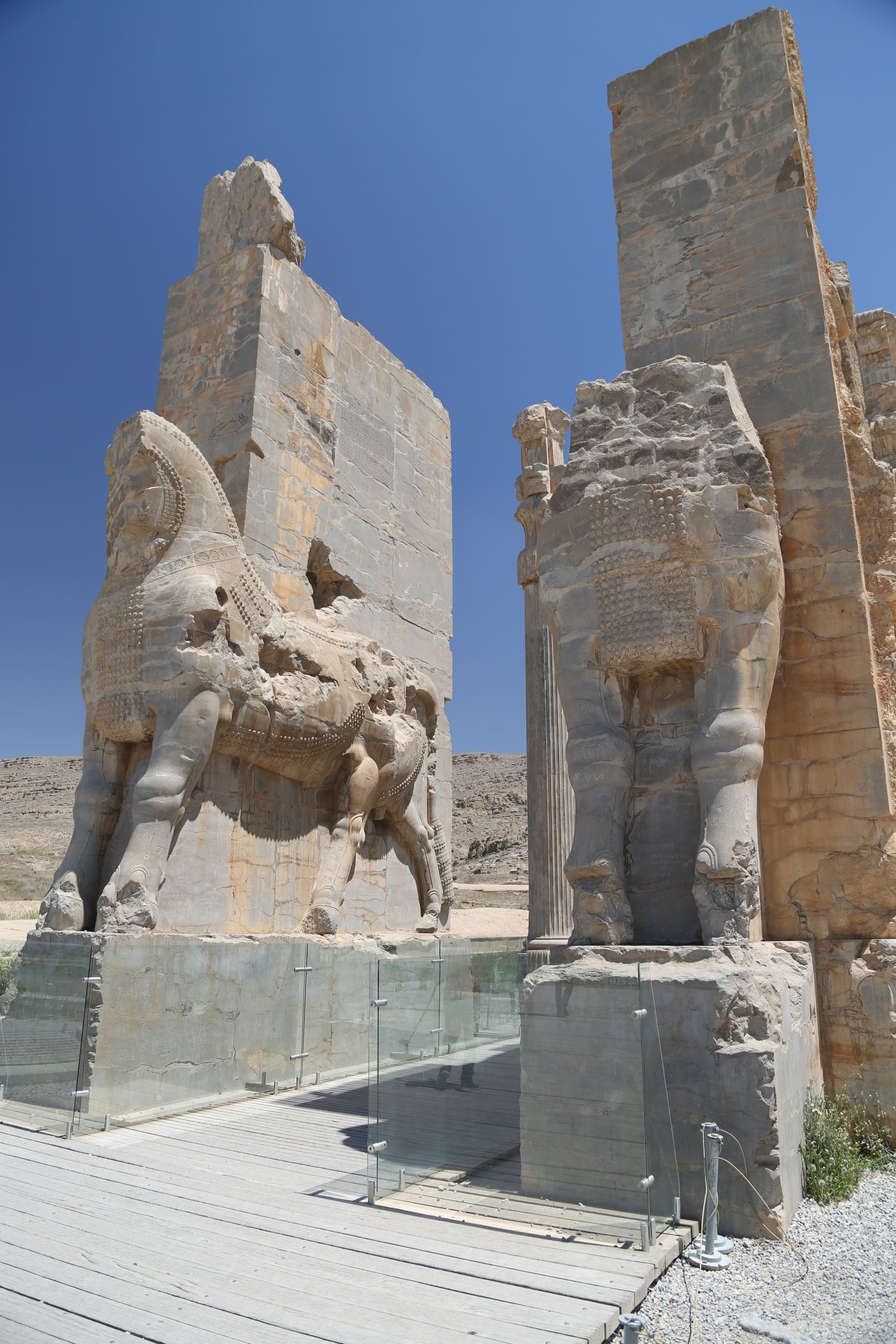 The Persepolis was attacked by the army forces of Alexander the Macedonian in the year 330 BC which caused irrecoverable damage to the buildings and destroyed the major sections and halls of it.
A fire at Xerex palace after the Alexander troops left Iran was yet another disaster for that former glorious site, which led to the destruction of more than 40 percent of Persepolis.
In any case, the invasion of Persia by Alexander and his awesome military was an unforgettable nightmare for the Sasanid dynasty.
Describing Persepolis in words is difficult. The remaining ruins mainly consist of a number of colossal buildings on the terrace made of dark-grey marble; there are 20 standing pillars and 40 escalated minarets.
These painful ruins — which remind us of 2,500 years of turbulent periods, monarchies and kings — are transfiguring by a sense of splendor and grief, something which you cannot really feel except by experiencing the site in person.
Persepolis, which was named a heritage site by UNESCO in 1979 — right after the Islamic revolution of Iran — hosts more than 500,000 visitors annually, most of them from Western Europe and the US.





Leave a Reply