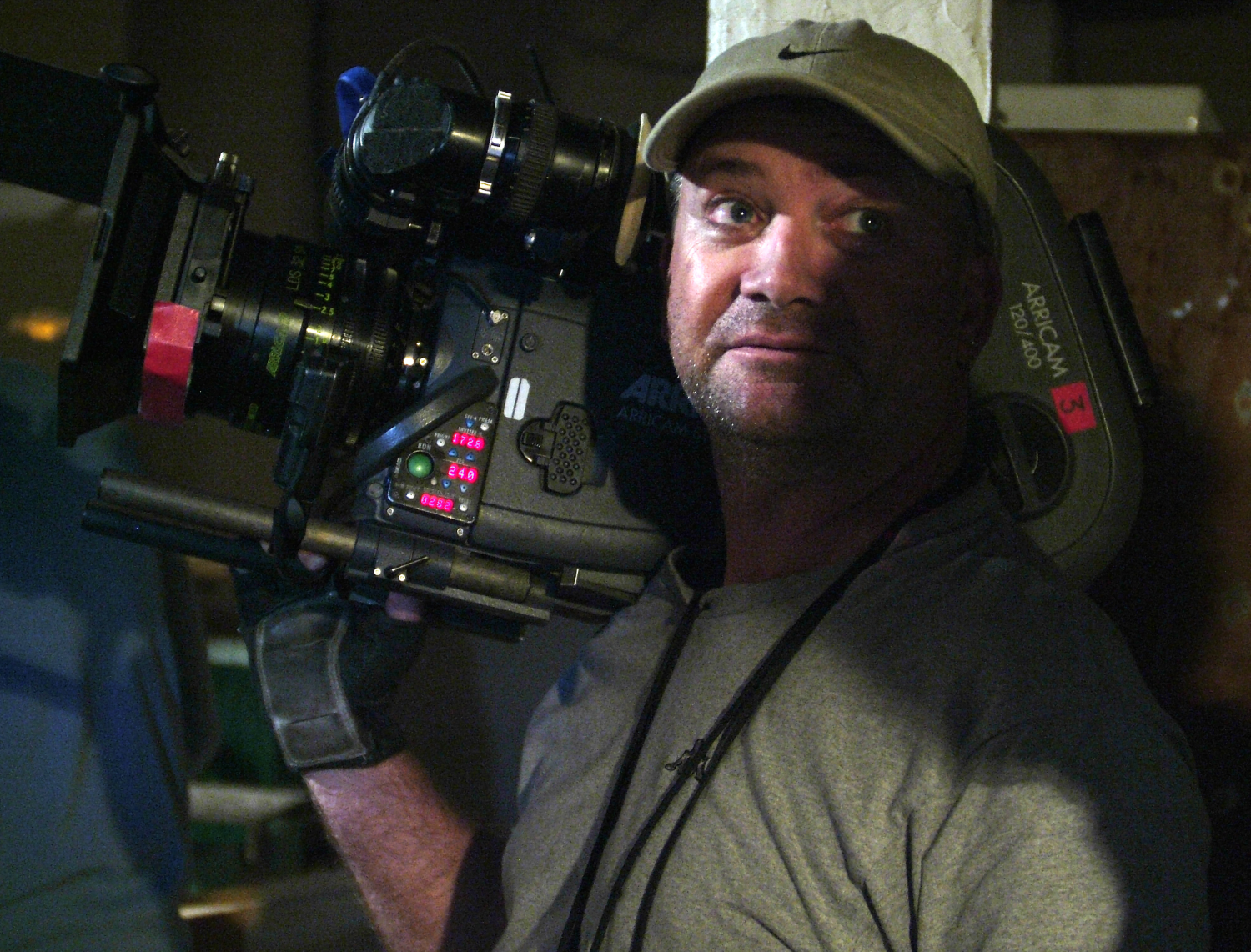
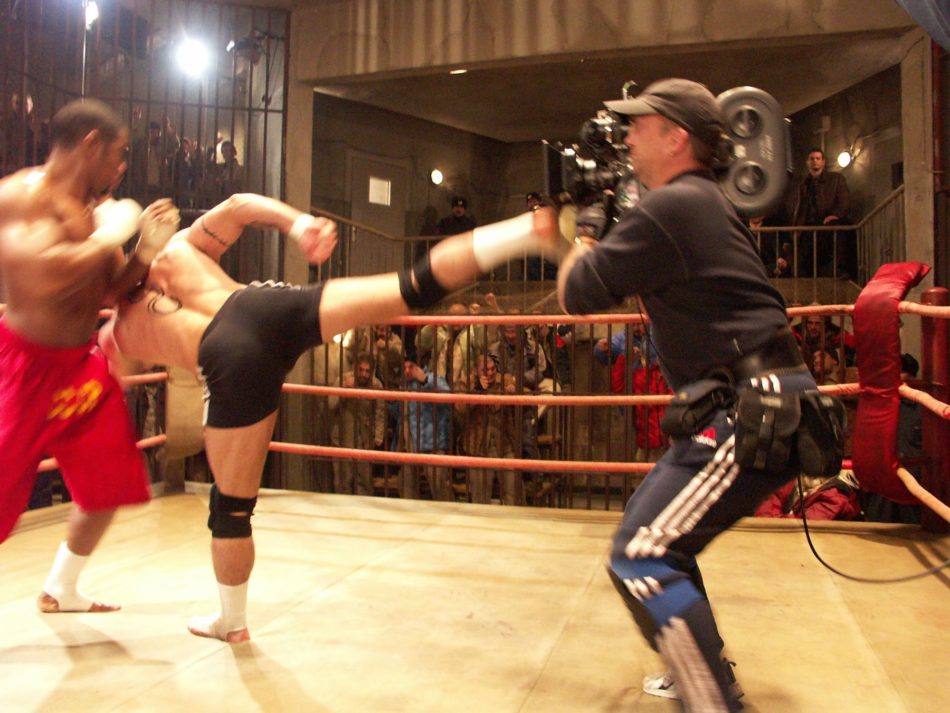
 Ross Clarkson is a cinematographer and director, best known for action-packed hits like Undisputed II: Last Man Standing and Undisputed III: Redemption. With more than 30 years in the film industry, he has brought his lens to projects across the globe—shooting in Hong Kong, Thailand, throughout Europe and in Hollywood.
Q. Most of your cinematography work is in action films. What is it about that genre that appeals to you?
It’s exciting and a lot of pressure, it gets the adrenaline pumping. I started working at a TV station in Australia the week after I finished high school. I started as a trainee editor cutting news stories. Back then it was editing on video but a linear system. Then I progressed to recording sound and then finally promoted to being a news cameraman.
Shooting news is a great way to get used to shooting action, you shoot with both eyes open, one looking through the camera and the other searching to see what else is happening.
There is no second take or rehearsal in real life, so you have to be aware of your surroundings and the situation.
Q. You are also a director. When you are shooting as a cinematographer, you are supporting director’s vision. When you are a director, everything comes back to you. How did directing change the way you work with directors now as a cinematographer?
Your first goal is to support the director’s vision, then depending on what they want to achieve, I can suggest other options, be it framing, lighting, camera moves or how to shoot a scene faster depending on the schedule.
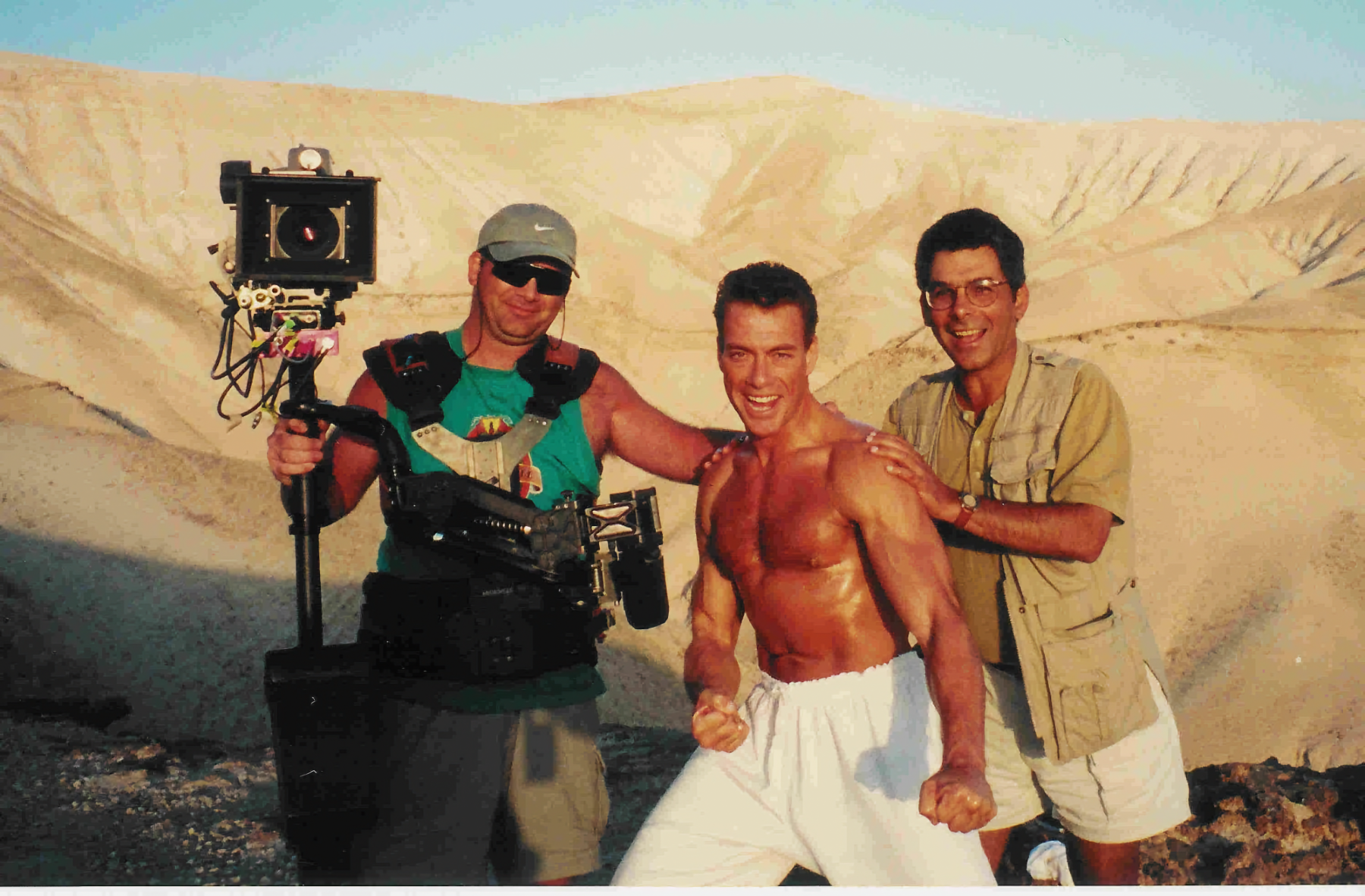
Q. How do you use lighting, framing, or color to reflect what a character is feeling inside?
The location plays a big part in it, if you are in a studio and control everything, then you can create whatever feeling you want, to me the challenge is on location and choosing the correct location to enhance the emotion.
It all comes back to the story and where it is set, if someone is lonely on a crowded city street or depressed on a beautiful beach, how to make the location become contrast to the emotion.
It also involves camera movement if there’s any or if the camera should be still, I like to listen to music to get me in that mood, then it makes filming easier.
Q. I know you have worked as a cinematographer all over the world, in Asia, Europe, and Hollywood. Do you also get a chance to travel for fun, or is it mostly work?
I mostly travel for work, when I am not working, I like to spend time at home. Covid was the worse time, I ended up being quarantined 8 times, which adds up to 3 months locked in a tiny hotel room, that does send you a bit crazy.
I am a very bad tourist, I don’t like looking at landmarks unless I have a reason to look at it, I have seen so many.
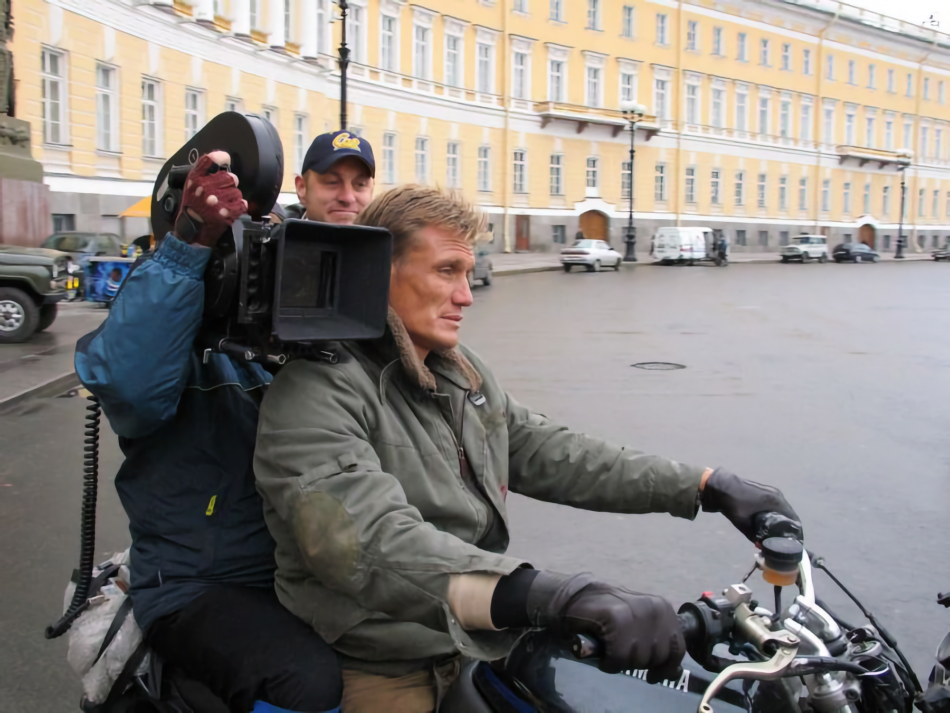
Q. How does it feel working with crews in Asia compared to Europe or Hollywood?
There are great crews all around the world, but there is a difference between crews around the world. I think culture plays a big part in it. Working on films makes crews become like families, you all go through an experience together and it does make you bond with each other. In some countries, the crews are more clinical where it does feel like they are just doing a job.
Q. You are skilled at using the lens to convey a character’s inner world in your films. When it comes to photography, how do you capture the people of everyday life to show the true character of a place?
That’s a difficult question to answer. For movies, you have moving images and time to expose a character or a feeling. With a still image, you have just one image to convey the emotion.
It takes time to watch and wait and look into what others may miss. The longer you live in one place, you tend to take everything for granted, but you must try and keep a fresh angle and think of what someone who doesn’t live there sees.
Q. Looking back on all your work, what is one thing cinematography has taught you about life?
I don’t know if it’s cinematography, but being behind a camera for so many years, you learn to look and watch life, colors, events that happen around you, you really pay attention to what you see.
Also, by shooting news and seeing so much death through car accidents, shootings and fires, you see how fragile life is and how easy it is to die. Make the most of every day. I find the biggest difference is with the age of the crew; the young ones spend too much time on their phone, and they think the set is a place for fun.
When I was starting to work on films in Australia, you could be fired so easily if you weren’t paying attention because there were 100 others waiting to take your position.
Q. Cinematography is, at its core, an ongoing learning process. How do you keep learning and growing, especially in terms of evolving your creativity?
I keep up to date by spending time on the computer, looking at new gear coming out. Lighting technology has advanced so much that it makes being creative so much more affordable and achievable than ever before.
The options available in post-production weren’t possible before, and what you can create on a laptop today is incredible. but I think today’s youth take it all for granted. They want a perfect camera that can take the perfect shot with no need for lighting.
I hear complaints about how heavy a tiny little camera is. If they ever picked up a film camera with a 1000ft magazine on it, they’d be shocked. The heavy gear made you really think about where and what to do with the camera, so you didn’t have to move it so many times.
Q. Your message to our readers?
Keep your eyes open and keep looking around, travel as much as possible, the world is changing very fast, don’t miss it.
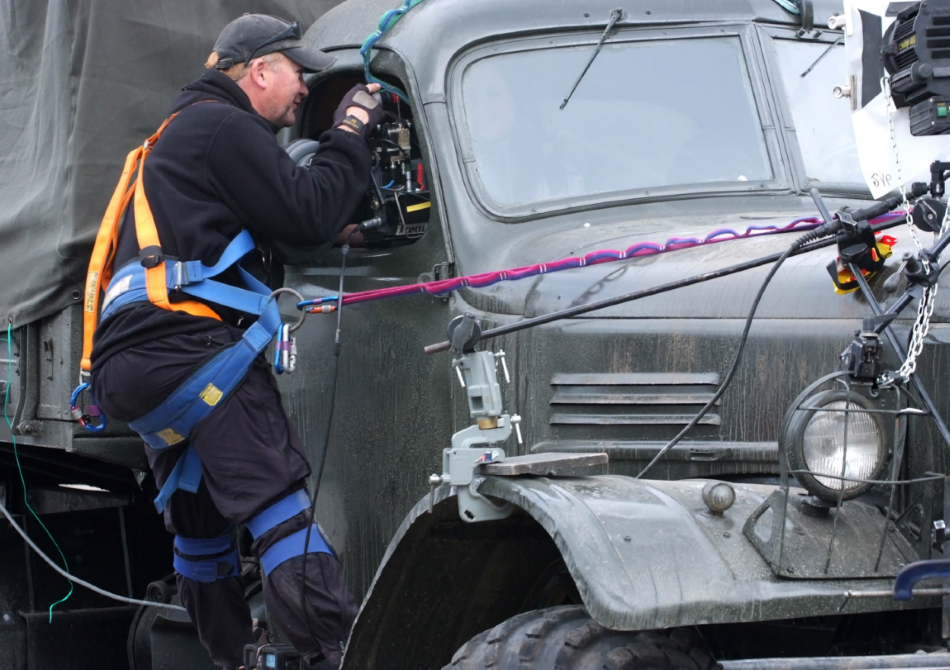
All photographs credit: Ross Clarkson




Leave a Reply