The terrain of worldwide discovery has now tipped over into a point where the where of the travel is more and more determined by the how. When we pass through 2026, mobility replaces traditional vacation in a more model-like form, in that the borderlines between work and personal exploration have all but disappeared. It has driven a replacement of reliable data to become a luxury; it is a utility rather than a luxury.
Frantic and unsure about open Wi-Fi or the price-gouging charges of the old roaming, modern travelers no longer tolerate it. They are instead putting autonomy first, and are frequently purchasing online phone numbers by eSIM Plus pre-flight so that they can disembark the plane as digital natives, gliding through that friction of airport kiosks and paper-thin plastic chips.
An Architecture of the 2026 “Zero-Touch” Journey
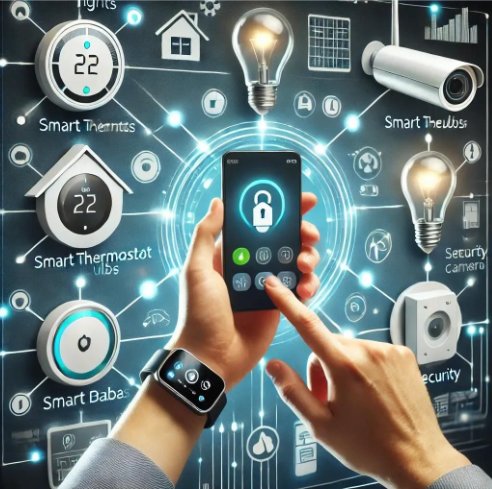
The defining feature of the future of travel in 2026 is the so-called invisible revolution: the perfect blend of technology that takes care of the logistics of a visit so that the tourist can experience it. AI Agentic is now able to plan month-long itineraries in seconds, but it needs a high-speed, steady stream of data to do so. Digital-first approach to contemporary mobility contains:
- Predictive navigation. AI-assisted maps to dynamically adjust routes depending on overtourism warnings and local events in real time.
- Instant verification. A streamlined digital nomad visa and health-focused entry requirement through secure mobile wallets.
- Asynchronous productivity. It means being able to conduct fat video conferences in a distant villa in Tuscany without the lag of a traditional international data plan.
Death of Roaming and the Rise of Financial Sovereignty
The operational aspect of the old roaming model is phasing out. In 2026, smart fliers see connectivity to be optimized as a strategic utility, not as a fee owed to their home carrier. Through embedded SIM, people are disconnecting their digital self from a particular physical place.
This gives an excellent security posture. An eSIM cannot be stolen or cloned like a physical SIM card, but rather is cryptographically attached to the hardware. This bitcoin hardware-level encryption is a vital defense against man-in-the-middle attacks prevalent on unsecured airport networks for those managing Bitcoin Portfolios or company-sensitive information on the go.
Sustainability as Standard Requirement
The purpose of travel in 2026, after all, is to be involved in the world, rather than observe it. It doesn’t matter whether you find yourself in the bustling metropolis of Asia or an isolated village in the Andes; your capacity to capture the culture is enhanced by your digital devices. With early adoption of virtualized infrastructure, you eliminate impediments of distance, language, and expensive logistics. You do not go to a destination, but become a part of it.





Leave a Reply