The following Gold Mining Article first appeared in the August 2001 issue of Upbeat Times and has been heavily revised since then. Read on for info about Gold Mining, Prospecting, Metal Detecting, Gold Panning and how to find gold nuggets.
-

- Gold Miner statue, Auburn, CA
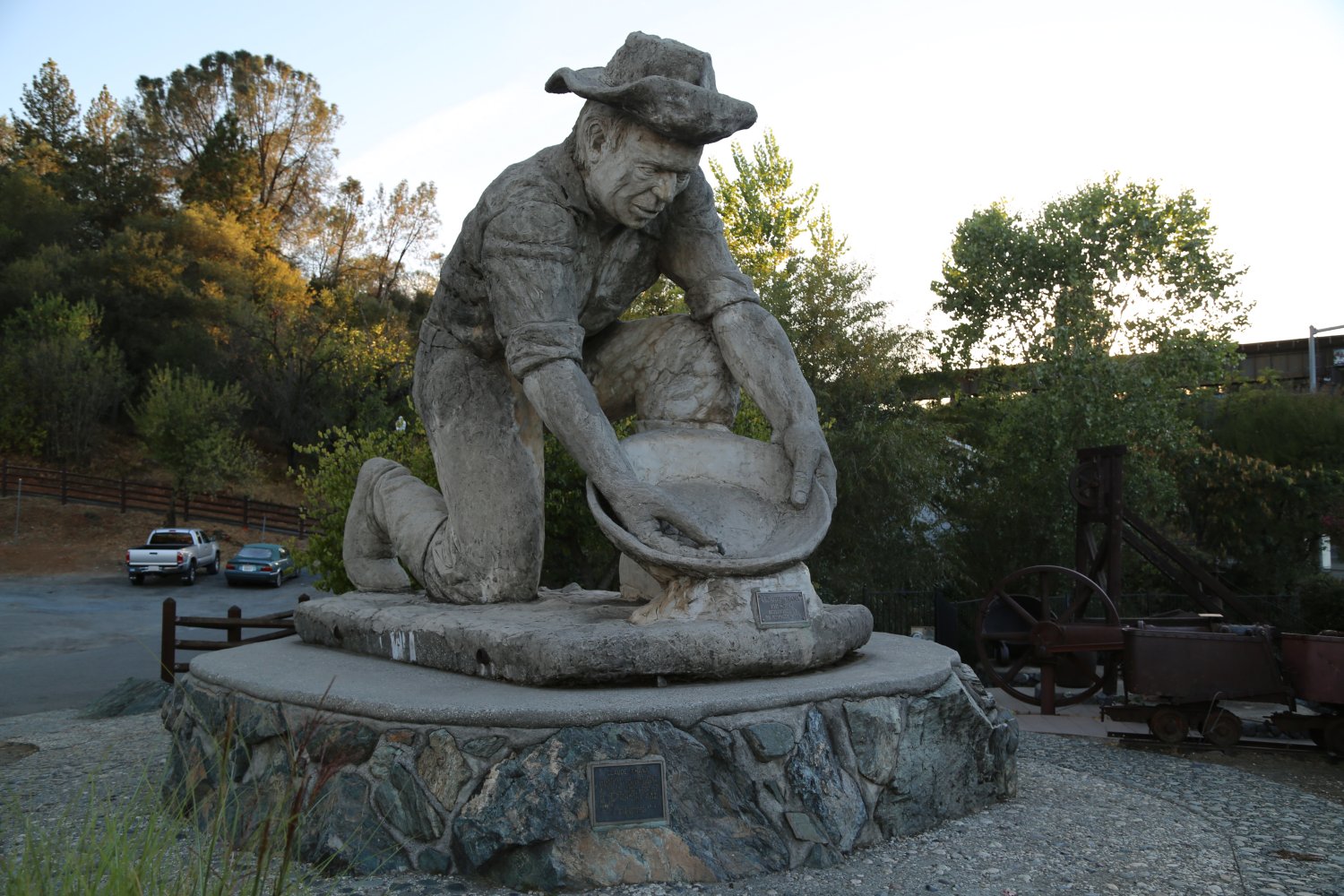
-

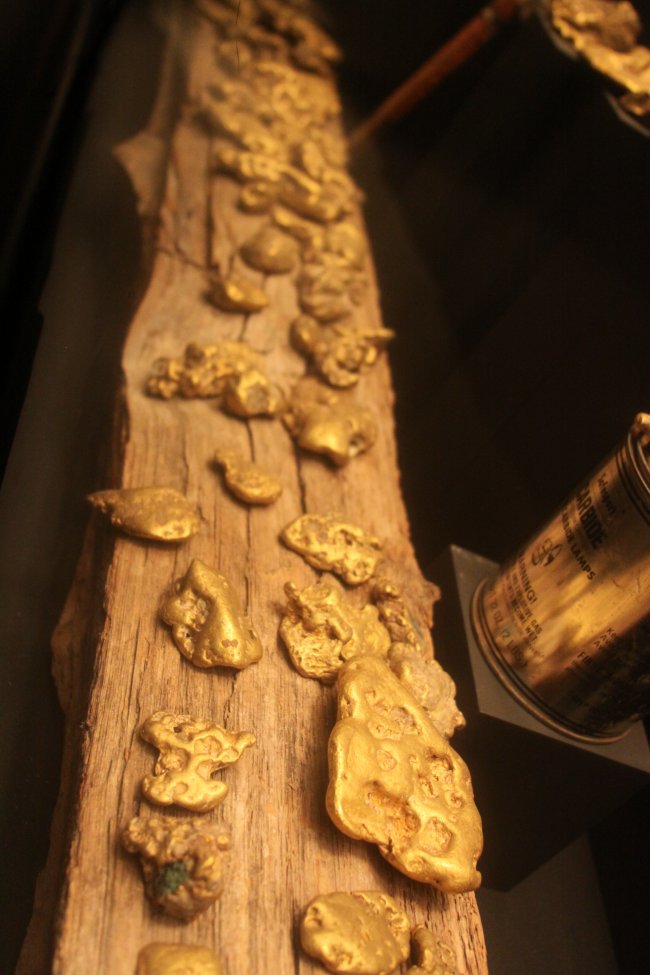
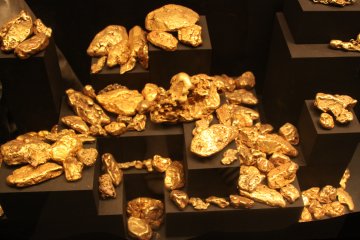
- Large gold nuggets, Los Angeles County Natural History Museum, Exposition Park
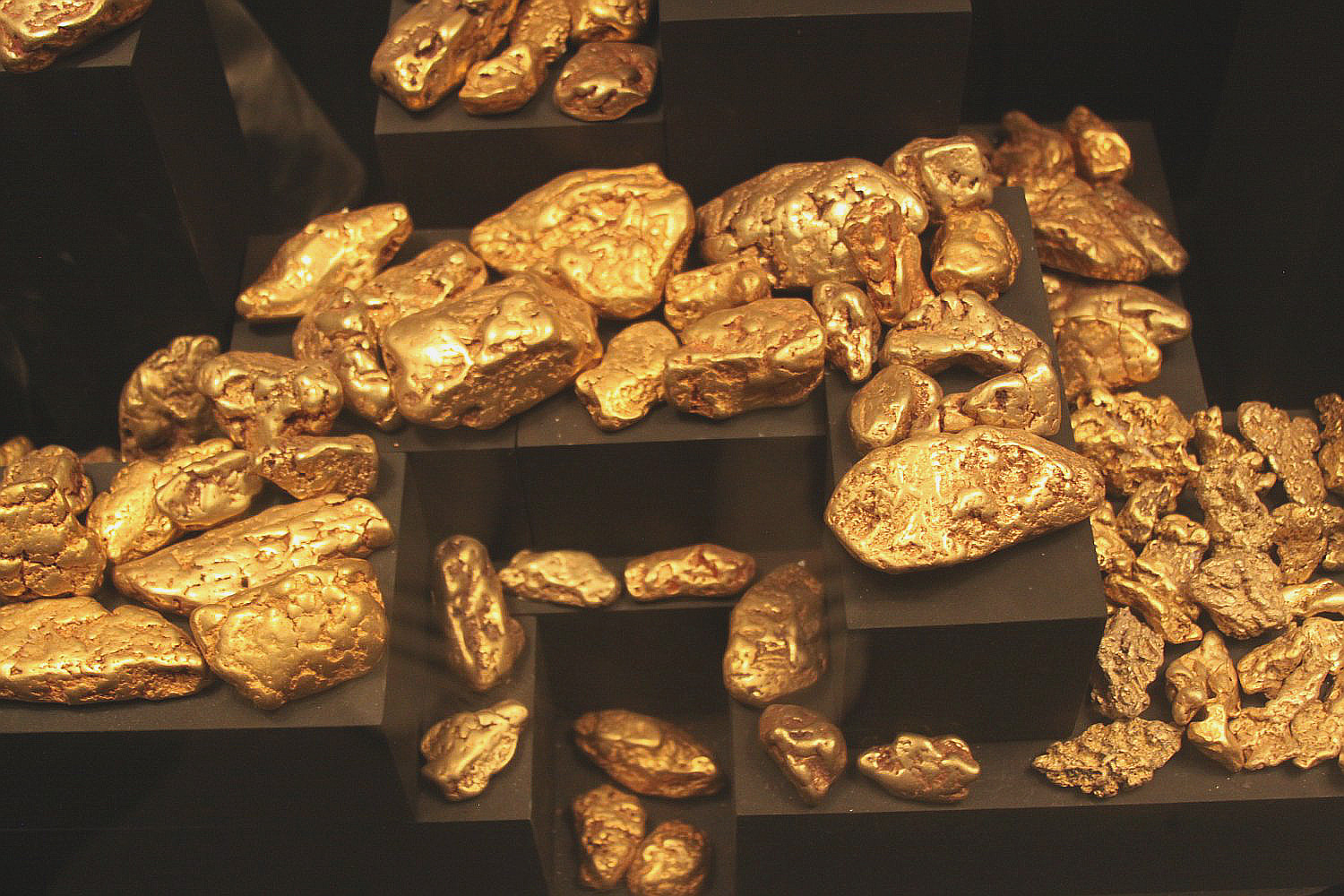
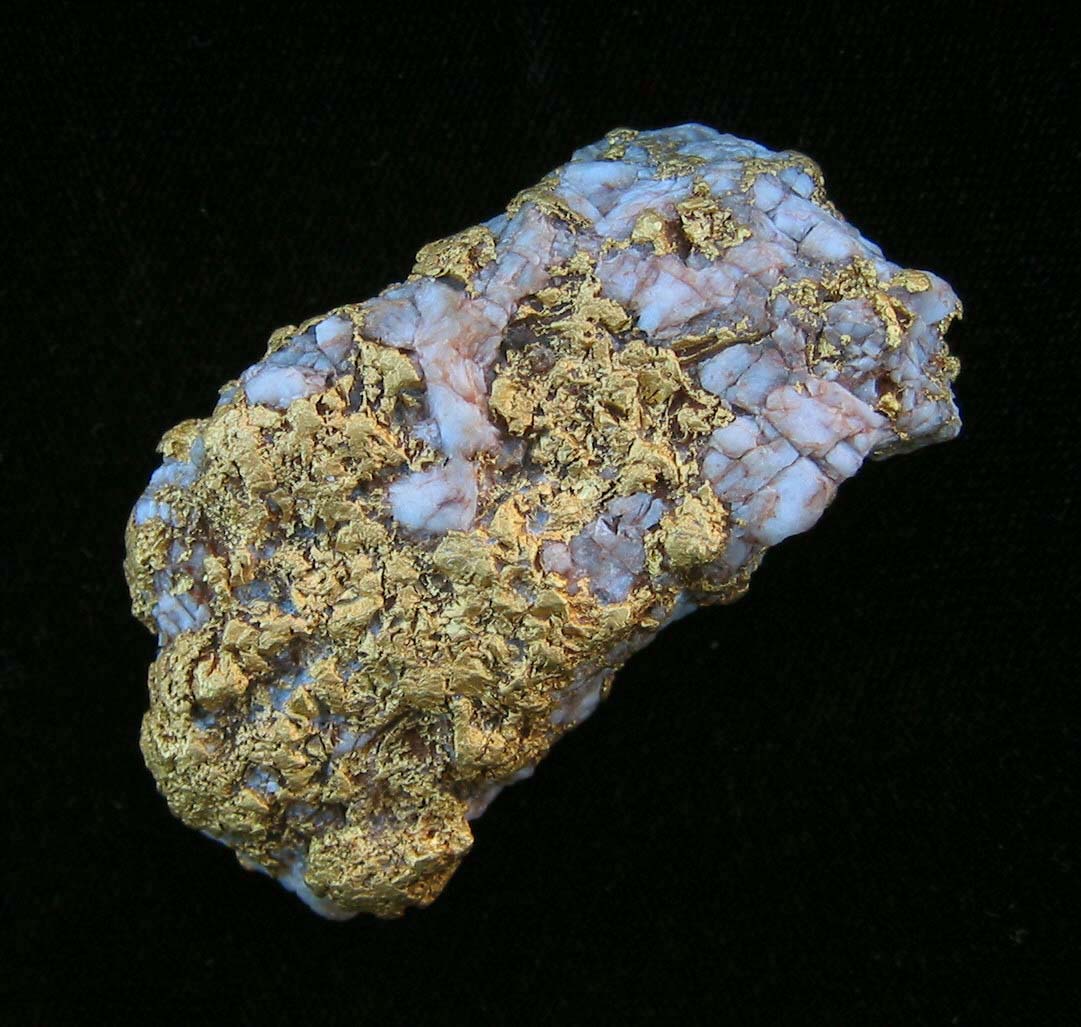
Gold is valuable – why? It is the most non-reactive metal found meaning it does not rust or corrode like other metals. Place a nugget of gold and a piece of iron or aluminum in the sea for several weeks. At the end of this time the aluminum may not even be recognizable and the iron has rusted away but the gold still looks the same as when you initially put it in the seawater. Gold is also one of the most electrically conductive of all metals, which is why it is commonly used in electronic circuitry. Lastly, gold is extremely ductile meaning it can be drawn out into thin long wires and it is very malleable meaning it can be flattened in to extremely thin sheets.
Here are two videos of how a stamp mill works – this was taken at the Mariposa, CA Historical Center & Museum. Heavy weights go up and down crushing the gold bearing ore for later processing.
The old saying, “gold is where you find it” is of course true but an even more telling statement would be “gold is where you find it and how you look for it.” For example in a gold bearing stream gold nuggets could be under your feet and if you didn’t have the proper knowledge and equipment this gold would never be found. There are many methods for finding gold – here are a few:
PANNING
is the probably easiest and cheapest way of finding gold for the recreational miner. The summer and fall season is the best time to pan for gold in California. The water is lower exposing more of the streambed and the water is usually a bit warmer.
For under $30 you can purchase a gold pan, a small crevassing tool and a small shovel. These items are easy to pack and transport. Gold bearing streams that are known historically to have produced gold are a good place to find gold. Gold is heavy – it has a tendency to drop to the lowest point in an area. This is why gold is so often found in what is called the “bedrock” of streambeds. Bedrock is a solid layer of rock (it often contains cracks which trap gold) found underneath all the soil and loose rocks in streambeds. The challenge to finding gold at the bottom of gold bearing streambeds is to access the bedrock and to determine the exact location in a stream that might contain gold. For this, there are several methods including visualizing water flow when the stream is at maximum flow capacity (where would water push and carry the gold when the stream is rapidly flowing?) and the orientation of the cracks in the bedrock.
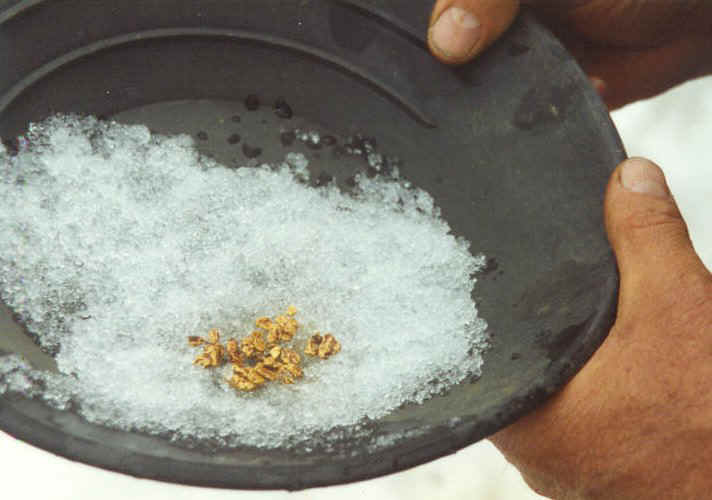
A shovel is used for removing some of the loose gravel, dirt and rocks lying on top of the bedrock. The crevassing tool can be as simple as a screwdriver or a piece of metal with a curved notch at the end and is used for removing dirt from cracks in the bedrock. There is nothing like the thrill and satisfaction of seeing the gleaming golden metal laying in the bottom of your pan after you have washed away all of the other dirt and debris.
 METAL DETECTING
the initial costs both in time and money are greater than panning but detecting can help you pinpoint exact gold bearing locations. There are many different types of metal detectors available on the market – each one is unique. Some are general-purpose machines while others are designed for finding small nuggets, large nuggets, deep nuggets, crystalline gold and coins etc. Before purchasing a metal detector you will want to identify your needs and consult with an authorized metal detector dealer. Some additional concerns that you will want to be aware of when purchasing a metal detector is how deep can it pick up signals, the weight of the detector, is it effected by hot rocks (these are rocks that mask the gold effectively hiding the signal given off by the detector), and the battery life.
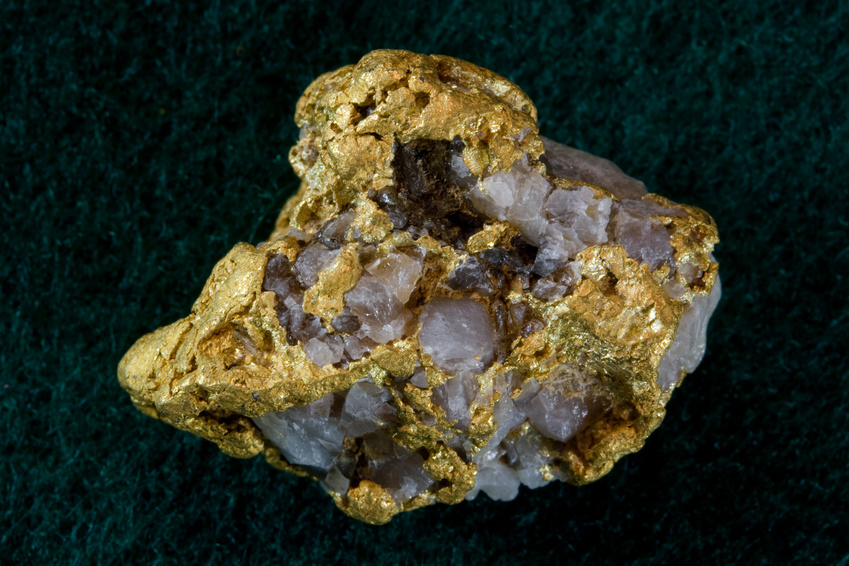
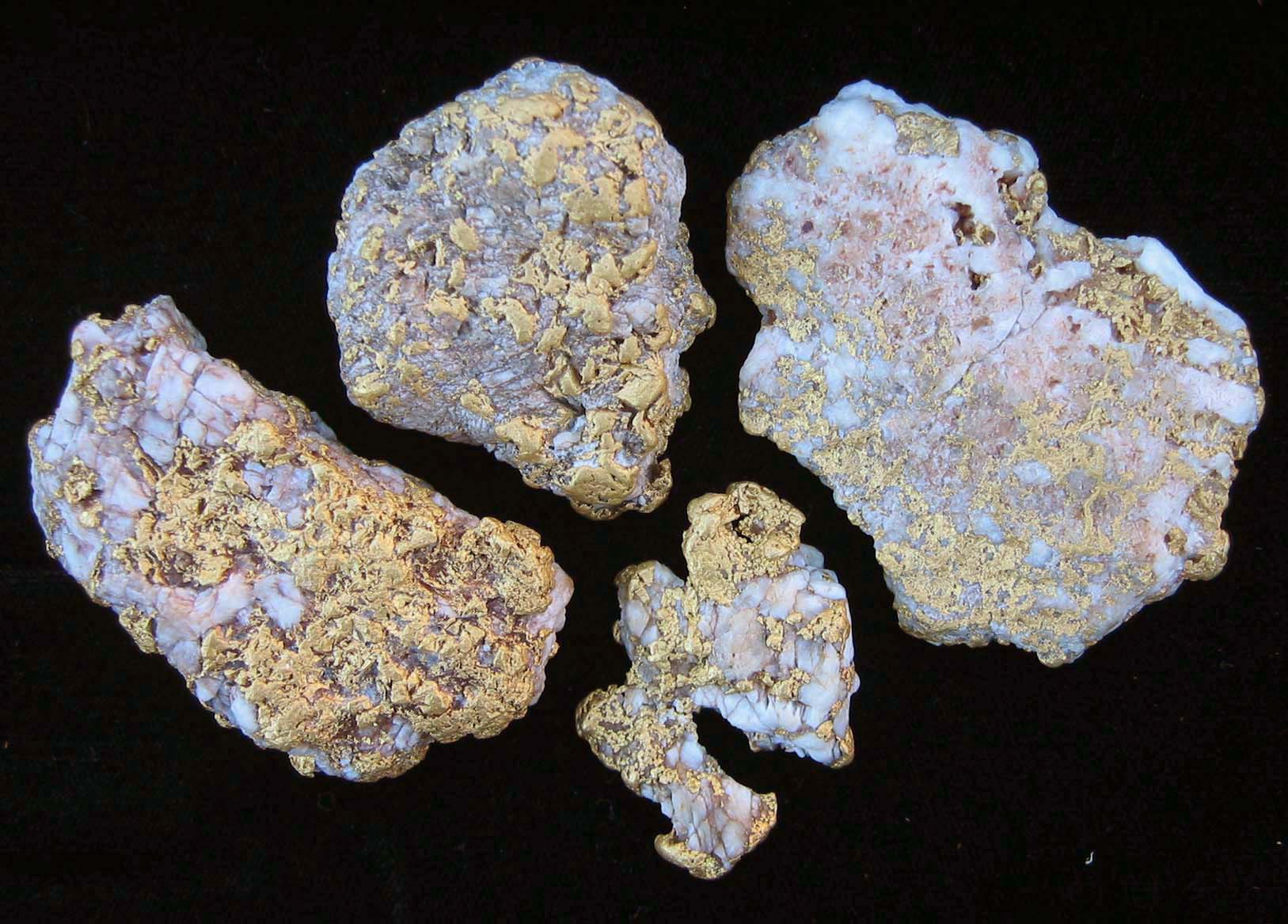
Metal detectors can be used in streambeds in which the bedrock is close to the surface. Metal detectors have also been successfully used in and near mines. The famous Sixteen to One Mine in Alleghany, CA, was a gold ore mine in which naturally occurring crystalline gold was found in quartz rock deep underground. Metal detectors located much of the gold found in later years at this mine.
 DREDGING
involves looking for gold usually in river bottoms using a motorized piece of equipment called a dredge. Dredges contain a suction hose varying in size for sucking in the river bottom material. Once this material has been sucked in through a hose it will pass over a sloped sluice box, which is a metal tray that contains riffles and grooves for catching the gold as it passes over this tray. This material is transported over the sluice box by water or gravity. The gold is heavy and is caught by the riffles and grooves while the lighter material like the soil and rocks wash on through back into the river.
If you are completely new to gold mining I highly recommend joining a gold prospecting club. The reason I mention this is that there are numerous methods for finding gold, many locations that could potentially contain gold, and so many tricks for locating gold that these types of organizations are your best source of overall information. And often the club or members have access to gold bearing private property.
NOTE: unfortunately, dredging is currently banned in all California waterways. Lets hope this changes soon.
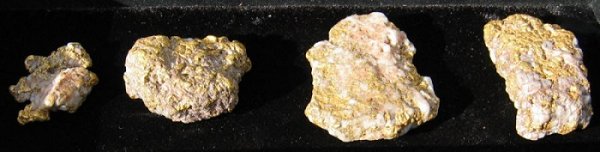

WHY I HUNT FOR GOLD
Gold mining is a great opportunity to explore the outdoors especially in some of the secluded areas of California’s foothills, the deserts and the Sierra Nevada mountains. Parts of the closest gold bearing regions in California are located only about 3 to 5 hours from the San Francisco Bay Area and Los Angeles. Gold prospecting is also a physical activity and as a result is good exercise. Most of the time the thrill of the hunt is greater than the rewards when looking for gold. However, it is very rare when I don’t find at least some “color.” Even with the high prices today, gold prospecting is probably not the activity for you if you are looking to become rich by recreational gold mining. It is however, an excellent weekend hobby.
Even though an incredible amount of gold has been mined from the hills and streams of California during and since the 1849 Gold Rush there is still gold waiting to be found for those who are willing to invest a bit of time and effort. Happy prospecting!
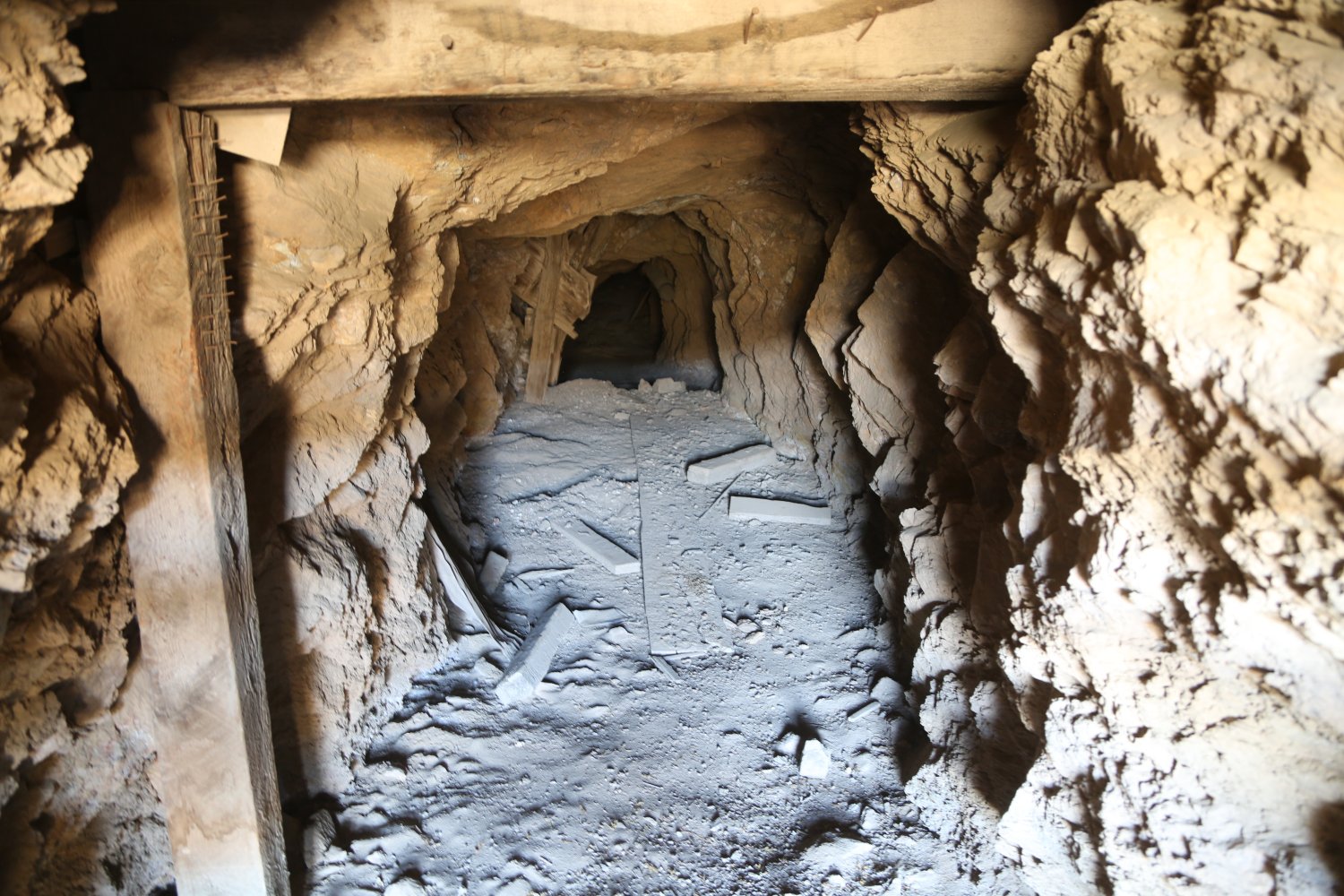
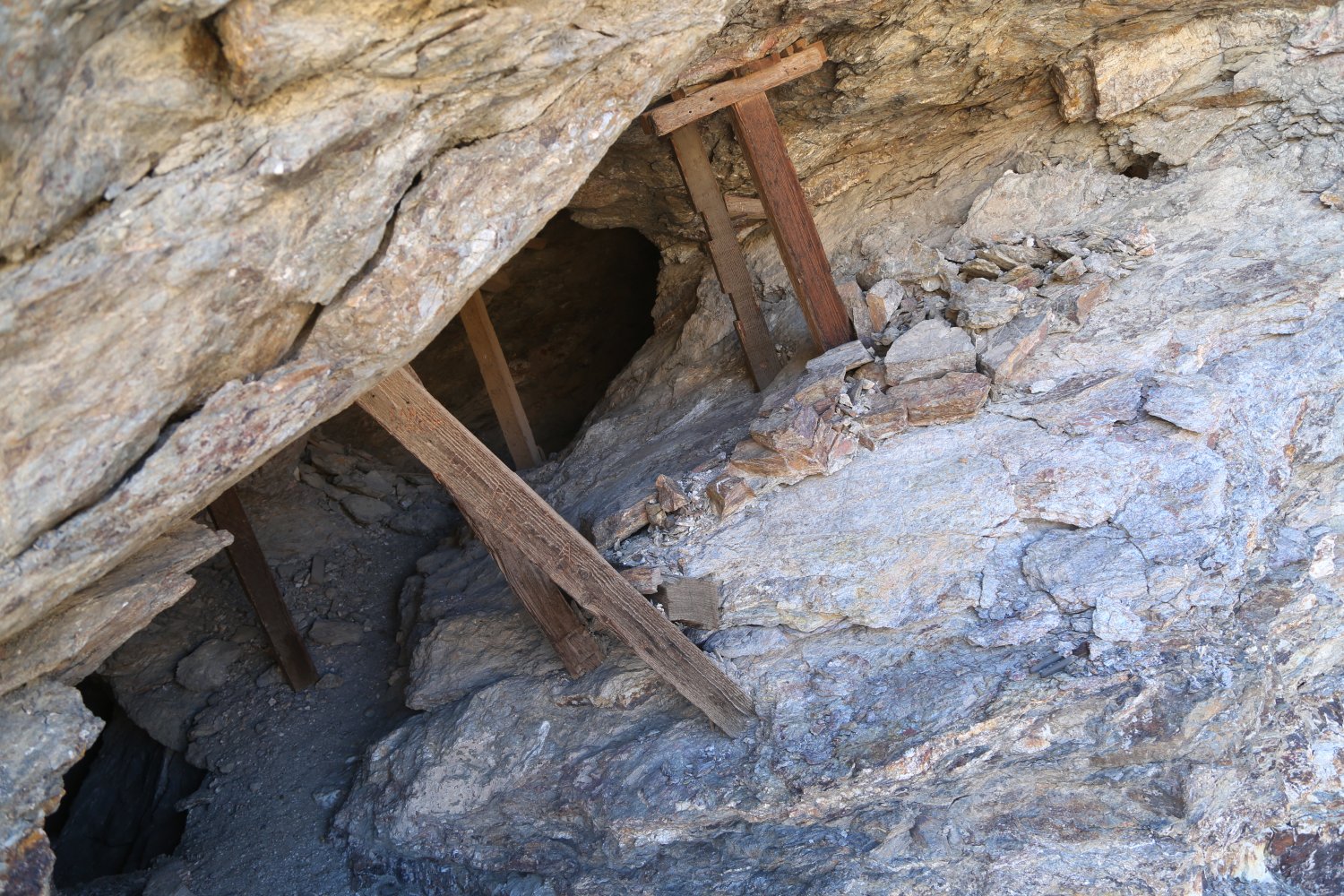
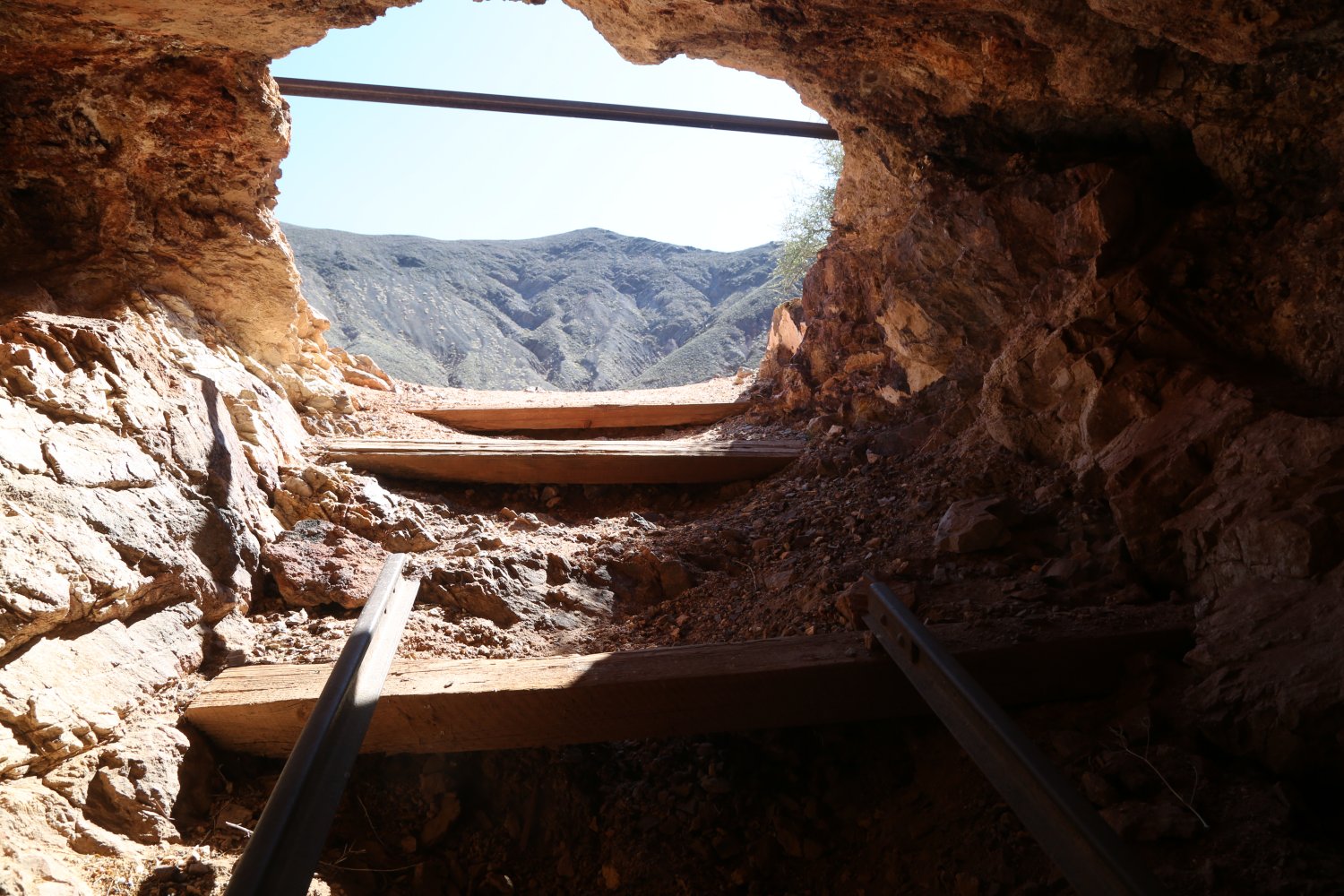
Mining often occurs deep within the ground (NOTE: NEVER enter a mine shaft w/o proper gear and experience).
Photos taken by Dave deep in a hard-rock mine at about 7,500 feet up in California’s Sierra Nevada
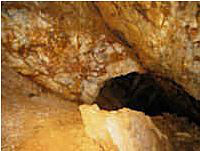
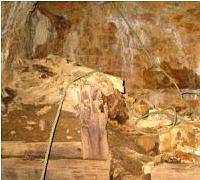
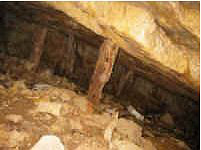
Photos taken by Dave at various mines in and around Death Valley

ADDITIONAL RESOURCES
 mining equipment, books & supplies: www.blackcatmining.com
 www.crazyforgold007.com Dan Stanton’s awesome museum, mining & spy shop in Red Mountain, CA – the Owl Cafe
 - www.goldprospectors.org the world’s largest prospecting organization
- www.santarosagolddiggers.com A good example of a gold mining club. This one is based in Santa Rosa, Northern California and holds monthly meetings and offers select trips to hunt for gold
- www.undercoil.com/ personal site reviewing various metal detectors
Great article. I first got interested in this when I was a kid just looking at Fools Gold when my family would visit Branson, MO. Growing up in Arkansas we had access to lots of cool things like Crater Park where you could look for diamonds. Unfortunately I never found anything. Now that I’m older I’m hoping to get into treasure hunting again by looking for Gold.
Please get back to me, I want to hunt for gold just like you I’m from Modesto, CA.
Its a hobby really – but a fun one. Its not something you can expect to get rich from but rather provides a good reason to get out into the country. Sometimes you get lucky, sometimes not so much – the more you learn about terrain and where gold is the better your odds of course.
That’s good to know that you can purchase a gold pan, small crevassing tool, and small shovel for around $30. I love the portability of small mining tools. My husband and son will go backpacking this summer in the Sierra Nevada mountains and they can pan for gold near one of their campsites. I’ll have to figure out where to I can buy this equipment so they can bring it along 🙂
Hazel – supplies are fairly easy to find. Black Cat Mining sells a bunch – for for more local shop, check out Dan’s shop in Red Mountain Crazy for Gold007.