Oriental Mindoro in the Philippines does not reveal itself gradually. The descent by propeller plane lays it bare all at once — emerald highlands, coastline, open water — a geography that is as direct as it is striking. First impressions here are rarely wrong.
My journey began in Calapan City, the provincial capital, a bustling hub that serves as the perfect introduction to the region’s unique character. Unlike the frenetic energy of Manila, Calapan breathes with a gentler rhythm. The city streets are lined with a mixture of traditional wooden houses and modern structures, each telling a story of the province’s gradual transformation.
At the local market, the pulse of daily life beat strongly. Vendors displayed an array of fresh produce—tropical fruits in vibrant hues of yellow, green, and red, and seafood so fresh it seemed to glisten under the morning sun. Local women in colorful sarongs chatted animatedly, their laughter mixing with the calls of vendors and the distant sound of tricycles weaving through narrow streets.
The city itself offers several noteworthy stops. The Calapan City Plaza, with its well-manicured gardens and Spanish-era fountain, provides a peaceful respite. Nearby, the Cathedral of San Roque stands as a testament to the region’s colonial heritage, its cream-colored facade glowing warmly in the afternoon sun. For those interested in local history, the Museo de Calapan houses artifacts and exhibits chronicling the province’s evolution from pre-colonial times to the present day.
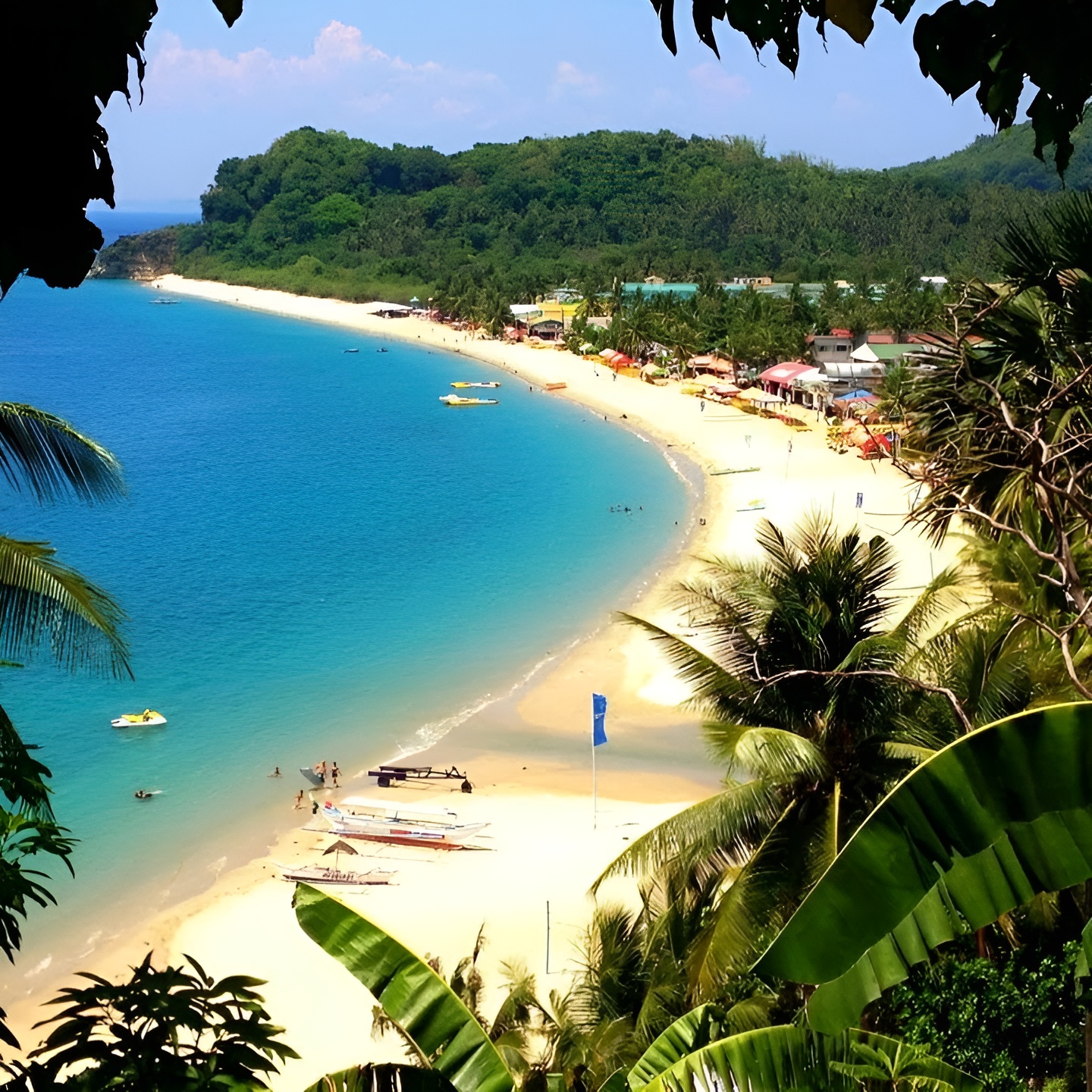
White Beach of Puerto Galera, Oriental Mindoro (Photo: Leovelyn Umali)
My next destination is Puerto Galera, a municipality that has become synonymous with tropical beauty. Located on the northeastern coast of Mindoro, it is a haven for travelers seeking both adventure and tranquility. The area is renowned for its world-class diving and snorkeling sites, where marine biodiversity thrives in crystal-clear waters.
I stayed in a small beachfront nipa hut in White Beach, one of Puerto Galera’s most famous coastlines. The beach was a symphony of colors—turquoise waters meeting powdery white sand, with verdant mountains forming a dramatic backdrop. Local and international tourists mingled, creating a cosmopolitan atmosphere that felt both exciting and relaxed.
But Puerto Galera offers far more than just White Beach. We explored Sabang Beach, known for its vibrant nightlife and as a jumping-off point for some of the best dive sites in the region. The famous Sabang Wrecks, including sunken vessels that have become artificial reefs, teem with marine life and offer thrilling exploration for divers of all levels.
Talipanan Beach, a short distance away, provided a quieter alternative—a crescent of golden sand framed by swaying coconut palms, where we spent an afternoon simply watching local fishermen mend their nets and children play in the shallows. Here, time seemed to slow to the rhythm of the waves.
Our diving expedition revealed an underwater world of breathtaking beauty. Coral gardens bloomed in intricate patterns, hosting a kaleidoscope of marine life. Clownfish darted between sea anemones, while schools of tropical fish moved in synchronized ballet. I dove at the Canyons, where dramatic underwater rock formations create swim-throughs and overhangs covered in soft corals and sponges. At Shark Cave, despite its name, I encountered gentle nurse sharks resting in the sandy bottom, along with massive groupers and hunting lionfish.
Experienced dive masters explained how the Verde Island Passage, which runs between Mindoro and Luzon, is considered the “center of the center” of marine biodiversity—a biological treasure trove that scientists continue to study and marvel at. With over 1,700 species of fish and 300 species of coral documented here, it represents one of the most biodiverse marine areas on the planet.
Beyond the beaches, Puerto Galera’s interior holds its own treasures. I visited Tamaraw Falls, a multi-tiered cascade that plunges into a natural pool surrounded by lush tropical vegetation. The hike to the falls took us through verdant forests alive with birdsong, where butterflies danced in shafts of sunlight filtering through the canopy. Local guides pointed out medicinal plants and shared stories of the forest’s traditional uses.
At the falls, I joined local families cooling off in the refreshing water, children laughing as they swam beneath the cascading torrents. Small sari-sari stores nearby offered cold drinks and local snacks, creating a perfect spot to rest and absorb the natural beauty.
Leaving the coastal areas, I ventured into the island’s mountainous interior, where Mount Halcon dominates the landscape. Standing at 2,586 meters, it is one of the most challenging and beautiful mountain trails in the Philippines. While I didn’t attempt the full climb—which requires significant mountaineering experience and typically takes four to five days—I explored the lower regions, walking through dense forests that seemed to breathe with ancient life.
The biodiversity here is staggering. My guide identified numerous endemic species, including rare orchids clinging to tree trunks and the distinctive calls of the Mindoro hornbill echoing through the canopy. We spotted monitor lizards sunning themselves on rocks and countless species of ferns creating a green carpet across the forest floor.
Indigenous Mangyan communities inhabit these mountain regions, maintaining traditions that have remained largely unchanged for centuries. I was fortunate to meet with a Mangyan elder who shared stories of their traditional way of life—their intricate weaving, their deep connection to the land, and their complex social structures that have preserved their culture against the tides of modernization.
The Mangyan people are actually composed of several distinct groups, each with their own dialect and customs. We observed women weaving traditional bags using forest fibers, their fingers moving with practiced precision to create geometric patterns passed down through generations. The elder showed us their ancient script, Surat Mangyan, etched onto bamboo, one of the few indigenous writing systems in the Philippines that survives to this day.
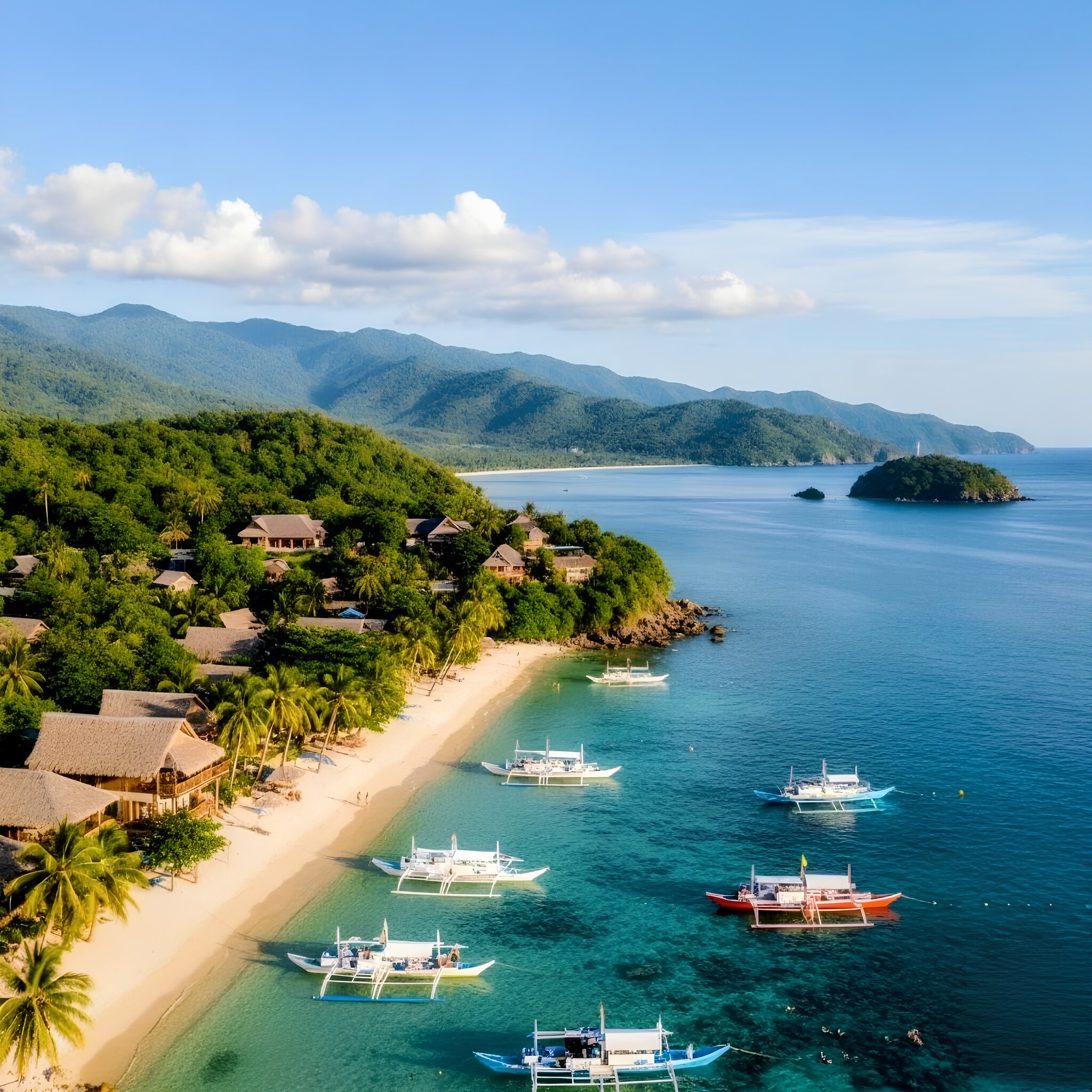
Aerial view of Bulalacao Island, Oriental Mindoro (Photo: Junfil Olarte)
My journey took us south to Bulalacao, a municipality that feels like the edge of the world. This remote coastal town offers pristine beaches that see few tourists, stunning powdery white sand and crystal-clear waters perfect for swimming and snorkeling.
I spent a day exploring nearby islets, each one a tiny paradise with its own character. Some featured dramatic limestone cliffs plunging into turquoise waters, while others offered gentle sandy slopes ideal for picnicking and swimming. One of these places I also visited is the Target Island.
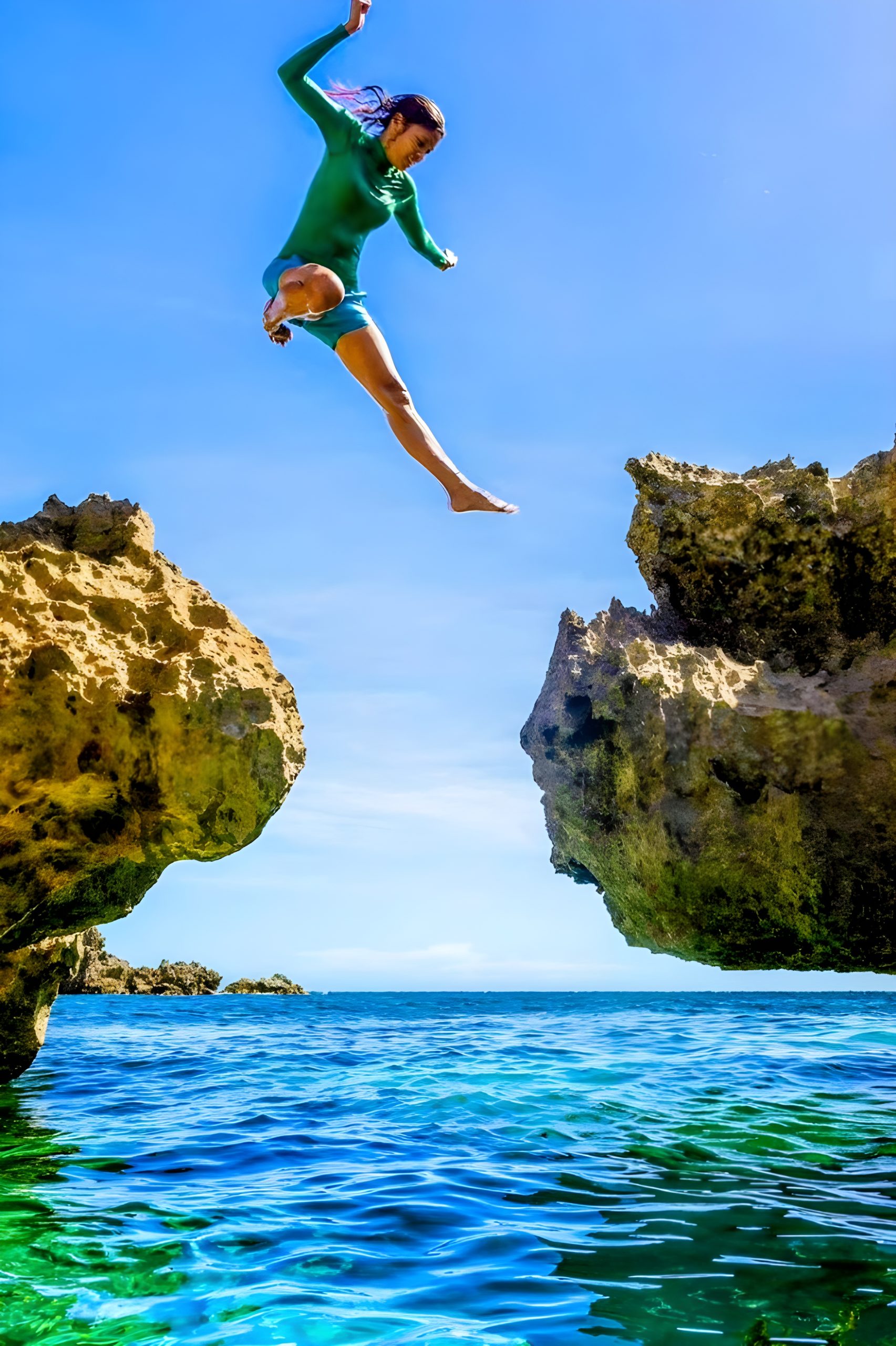
Also known as Alibatan Island, Target Island in Bulalacao, Oriental Mindoro is a scenic 5-hectare destination famous for its powdery pinkish-white sand, crystal-clear waters, and unique inland saltwater lake. The island earned its name as it was reportedly utilized as an aerial bombing practice site by the US Air Force and Japanese colonizers during World War II. The blasts carved jagged rock formations and created the crater that now holds the central lake. (Photo: Jahra Roxas)
Also known as Alibatan Island, Target Island in Bulalacao, Oriental Mindoro is a scenic 5-hectare destination famous for its powdery pinkish-white sand, crystal-clear waters, and unique inland saltwater lake. The island earned its name as it was reportedly utilized as an aerial bombing practice site by the US Air Force and Japanese colonizers during World War II. The blasts carved jagged rock formations and created the crater that now holds the central lake. (Photo: Jahra Roxas)[/caption]
In Bulalacao town proper, I visited local fishing villages where traditional outrigger boats lined the shore, painted in bright colors that contrasted beautifully with the sea. Fishermen welcomed us to observe their daily routines, showing us their catches and explaining sustainable fishing practices that have sustained their communities for generations.
A completely different ecosystem awaited us at Naujan Lake, the fifth-largest lake in the Philippines. This freshwater body, surrounded by mountains and wetlands, serves as a critical habitat for migratory birds and endemic species. We took a boat tour across the lake’s calm waters, observing waterfowl and hearing about conservation efforts to protect this vital ecosystem.
The lake’s periphery features fish farms and agricultural land where rice paddies create geometric patterns of green. Local fishermen catch tilapia and other freshwater fish, which appear fresh on menus throughout the province. The sunset over Naujan Lake was particularly memorable, painting the sky in shades of orange, pink, and purple while the mountains turned to silhouettes against the fading light.
Culinary Delights
The cuisine of Oriental Mindoro is a reflection of its geographical diversity. Seafood naturally dominates, but with unique local twists. In small carenderias (local eateries), we savored dishes like sinigang na isda (fish in sour broth), kinilaw (local ceviche), and adobo prepared with freshly caught local fish. Each meal was an exploration of flavors—sour, salty, and umami dancing on the palate.
One memorable evening, I joined a local family for a traditional ihaw-ihaw (barbecue) where various meats and seafood were grilled over charcoal. The communal nature of the meal, with everyone sharing dishes and stories, epitomized the warmth of Filipino hospitality. We sampled grilled squid brushed with calamansi and soy sauce, tender pork belly marinated in local spices, and freshly caught tuna steaks that melted in the mouth.
Puerto Galera’s international crowd has brought diverse culinary influences, and we found excellent Italian restaurants, Korean barbecue spots, and fusion cuisine that cleverly incorporated local ingredients. Yet the best meals often came from the simplest places—a beachside shack serving garlic butter shrimp with rice, or a mountain-side eatery offering chicken tinola with vegetables grown steps away.
Conservation and Sustainability
What struck me most about Oriental Mindoro was the growing awareness of environmental preservation. Local government and community initiatives are working hard to balance tourism with ecological sustainability. Marine sanctuaries, reforestation projects, and community-led conservation efforts are increasingly prominent.
In Puerto Galera, a coral reef restoration project is being initiated, learning how local communities are actively working to protect their marine ecosystems.
The Tamaraw Conservation Program deserves special mention. The tamaraw, a critically endangered dwarf buffalo found only in Mindoro, has been brought back from the brink of extinction through dedicated conservation work. While I didn’t venture to the main conservation area in the interior highlands, I learned about these remarkable animals at an information center in Calapan, seeing how local pride in this unique species drives conservation success.
The Heart of Mindoro
Beyond its natural beauty, the true treasure of Oriental Mindoro is its people. Warm, resilient, and profoundly connected to their environment, the locals embody a spirit of hospitality and community. Whether it was a tricycle driver offering directions, a market vendor explaining the nuances of a local fruit, or a fisherman sharing stories of the sea, every interaction was infused with genuine kindness.
In every town and village, I found this same welcoming spirit. Children waved from the roadside, vendors insisted I try free samples of their mangoes, and strangers became guides, walking me to destinations and sharing recommendations for hidden gems off the tourist trail.
A Living Mosaic
As my journey through Oriental Mindoro came to an end, I realized this was more than just a travel destination. It was a living, breathing ecosystem of natural beauty, cultural richness, and human resilience. From the pristine beaches of Puerto Galera to the misty mountains of Mount Halcon, from the bustling markets of Calapan to the serene Mangyan villages, from the remote beaches of Bulalacao to the tranquil waters of Naujan Lake, Oriental Mindoro offers a microcosm of the Philippines’s incredible diversity.
For the traveler seeking authenticity, natural beauty, and meaningful connections, Oriental Mindoro is not just a place to visit—it’s an experience to be cherished, a story to be lived.
Getting here
- By Air: Fly from Manila’s domestic airport to Calapan Airport (45-minute flight). Several airlines operate daily flights.
- By Land and Sea: Take a bus from Manila to Batangas Port (2-3 hours), then board a ferry to Calapan or Puerto Galera (1-2 hours). Multiple ferry companies operate throughout the day.
- Direct to Puerto Galera: Fast ferries and bangkas (outrigger boats) run directly from Batangas Port to Puerto Galera, offering the quickest route to the beach areas.



Leave a Reply