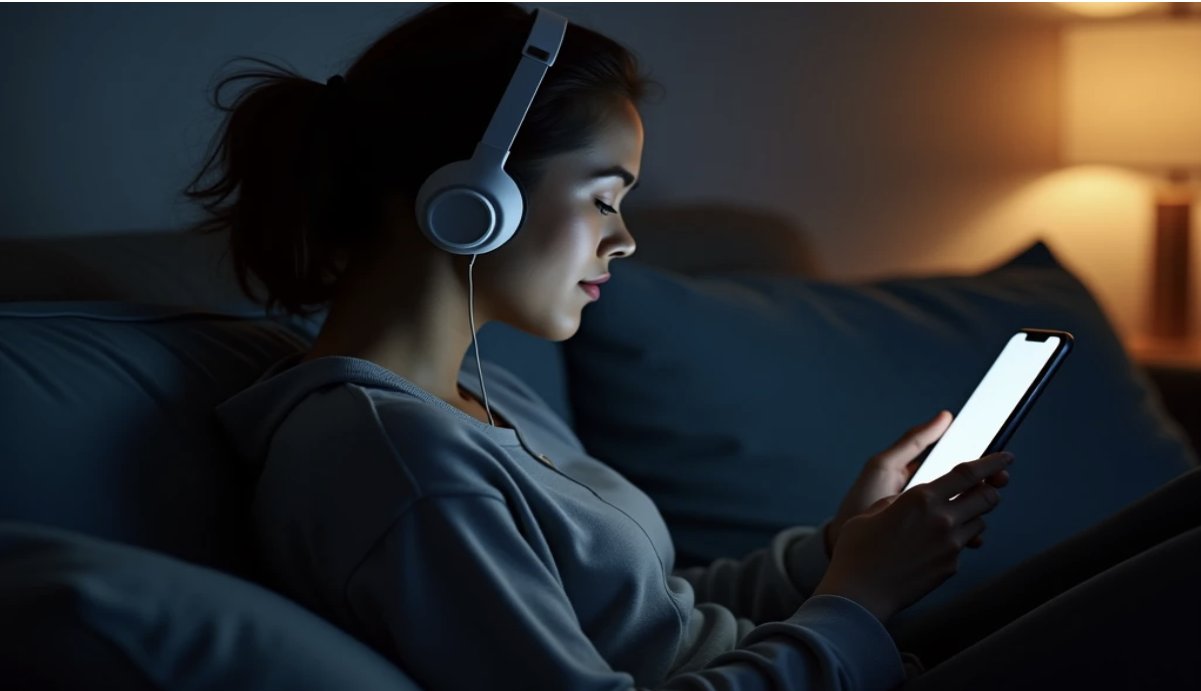
Voice acting for intimate storytelling is built around moments when listeners choose sound over visuals and closeness over scale. This usually happens in private settings. Headphones on, lights low, attention focused on a single voice. People turn to intimate audio late at night, during travel, or when they want a sense of presence without distraction. In that context, voice becomes a direct channel rather than a performance for an audience. A familiar example is private, one-to-one audio content consumed in personal space, similar to how some users seek curated experiences like boston escort services for controlled, intentional interaction. The logic is practical: a listener wants something tailored, quiet, and personal, and voice acting fills that role through tone, pacing, and proximity rather than spectacle.
Why Voice Matters in Intimate Audio Experiences
In intimate storytelling, the voice replaces visual cues entirely. Everything the listener feels is shaped by how words are delivered rather than what is shown.
Tone, Pace, and Vocal Presence
Small vocal adjustments carry significant weight. A slower pace allows space between words, giving listeners time to process emotion. Softer volume and controlled dynamics create the sense that the speaker is close, almost sharing the same physical space. Vocal presence is less about power and more about consistency. Sudden changes in tone or rhythm can break immersion, while steady delivery builds trust and comfort over time.
Listener Perception and Emotional Distance
Listeners subconsciously measure emotional distance through voice. Certain elements consistently influence this perception.
A bulleted list fits naturally here:
- Calm, even pacing suggests attentiveness
- Natural pauses feel conversational rather than scripted
- Subtle inflection conveys sincerity without exaggeration
Techniques Used in Intimate Voice Acting
Successful intimate voice acting relies on technical and performance choices that support realism.
Recording Environment and Psychological Comfort
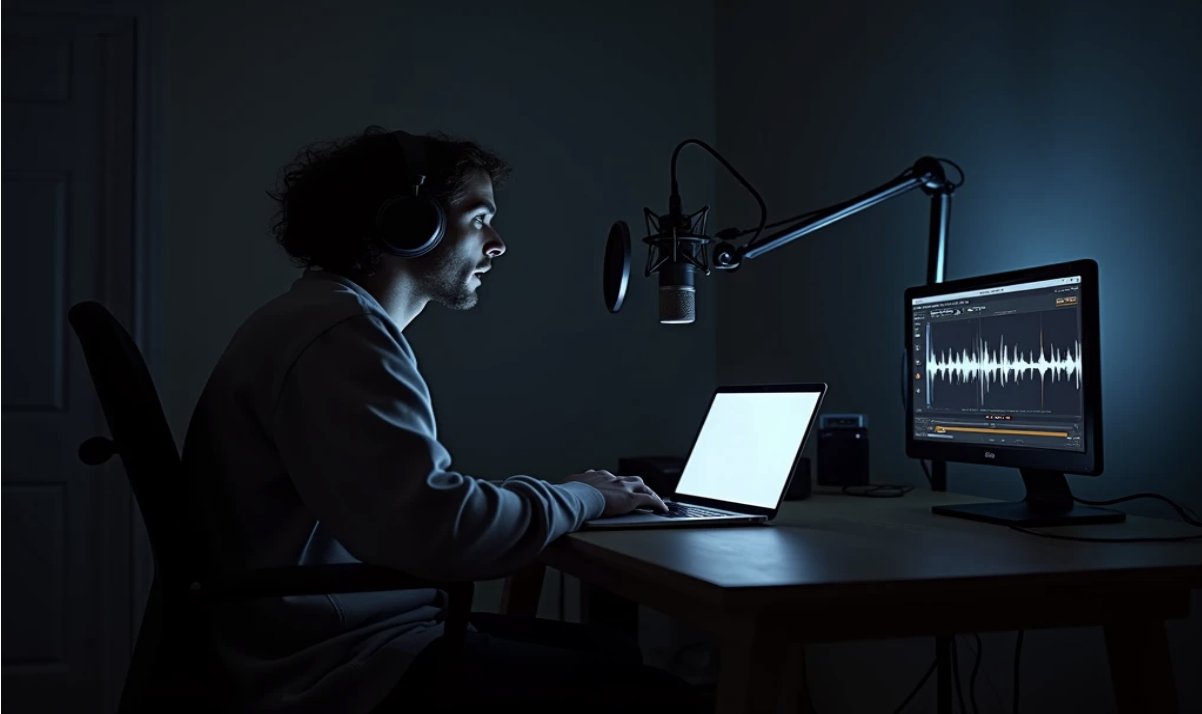
Intimate voice acting depends not only on technique but also on the environment in which it is recorded. A quiet, controlled space allows performers to relax their voice and avoid projecting outward. Psychological comfort matters as much as acoustic treatment. When a voice actor feels unobserved and unpressured, delivery becomes more natural and less performative. This often means recording alone, with minimal visual feedback and reduced monitoring. The absence of an audience helps shift focus inward, creating a tone that feels private rather than broadcast. Listeners can sense this difference immediately. A calm environment supports slower pacing, softer dynamics, and subtle emotional cues that define intimate storytelling. The recording space becomes part of the performance, shaping how close and personal the final audio feels.
Microphone Proximity and Breath Control
Close microphone placement captures detail, including breath and subtle mouth sounds. When used carefully, this enhances realism rather than distraction. Breath control becomes essential. Too much breathing feels intrusive, too little sounds artificial. The goal is balance, allowing the listener to feel presence without discomfort.
Natural Speech Patterns and Controlled Improvisation
Rigid scripts often sound distant in intimate formats. Many performers use controlled improvisation, allowing speech to flow more naturally while staying within narrative boundaries.
A numbered list works well here:
- Conversational phrasing instead of formal sentences
- Slight imperfections that mirror real speech
- Responsive pacing that feels adaptive rather than fixed
Formats Where Intimate Voice Acting Is Used
Intimate voice acting appears across multiple audio formats, each shaped by listener expectations.
Audio Stories, Narration, and Private Content
Audiobooks, guided narratives, and personal audio stories rely heavily on intimacy. These formats are often consumed alone, making exaggerated performance feel out of place. A restrained, focused delivery helps listeners feel addressed rather than entertained.
Interactive and On-Demand Audio Platforms
Modern platforms allow users to select voices, tones, and story paths. This personalization increases the sense of direct connection.
A bulleted list fits naturally here:
- On-demand audio storytelling apps
- Guided experiences designed for solo listening
- Subscription platforms offering personalized narration
Conclusion: Voice as a Direct Channel for Connection
Voice acting for intimate storytelling works because it aligns with how people seek closeness through sound. When visuals are removed, voice becomes the sole carrier of emotion, intent, and presence. The most effective performances respect that intimacy rather than overpower it.
A brief concluding list reinforces the idea:
- Intimacy depends on restraint and control
- Technical choices shape emotional impact
- Voice creates connection through proximity, not volume




Leave a Reply