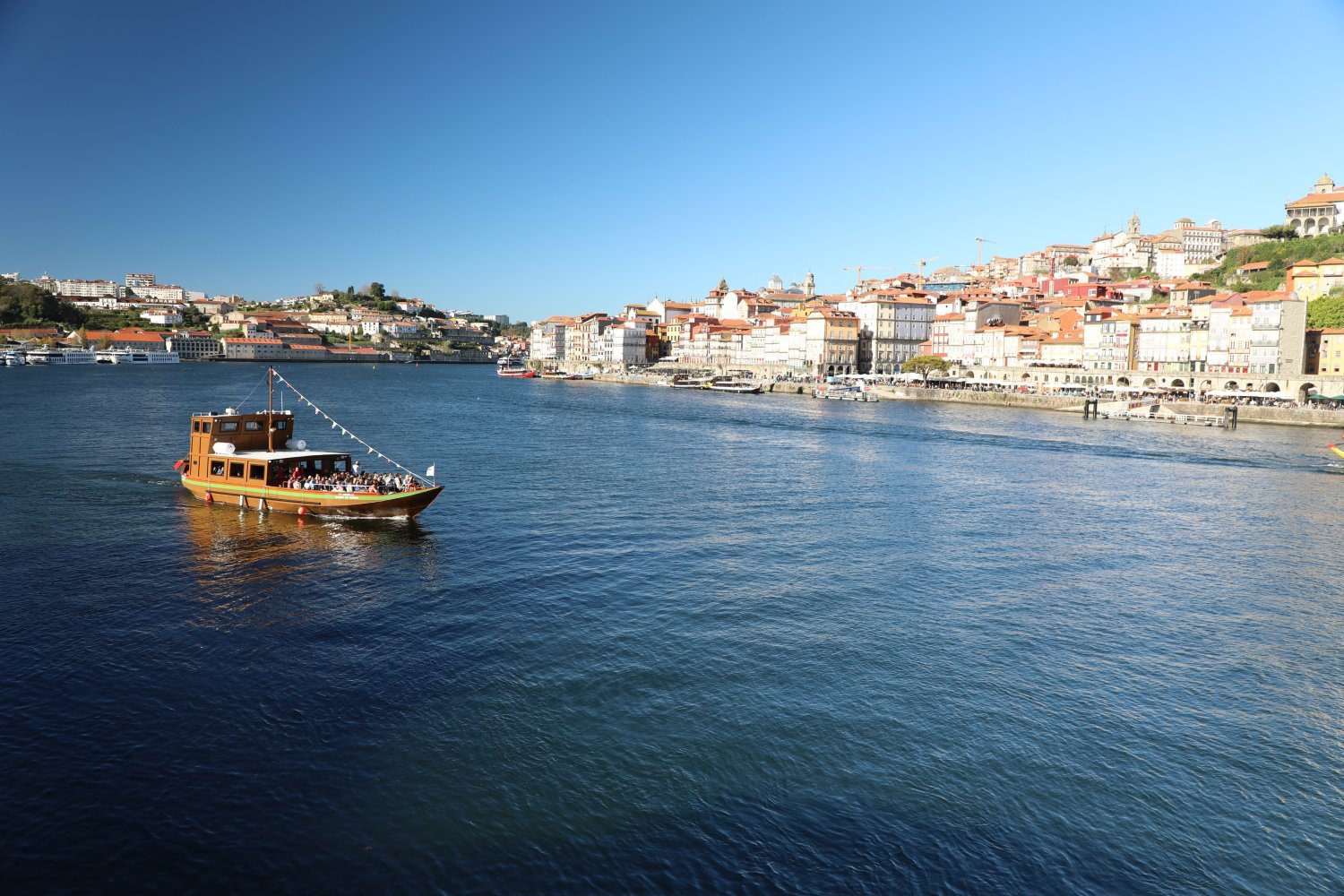
The Porto-versus-Lisbon debate has been running for as long as budget airlines have served both cities. For a weekend trip, the answer barely matters – both are excellent and you should visit both. But for travellers planning a month or longer, the differences between Portugal’s two major cities start to matter in ways that no weekend can reveal.
I have spent extended time in both. Here is what I have learned about living in each, rather than visiting.
The Money Question
Lisbon is more expensive. That is not opinion – it is arithmetic. Average rents for a one-bedroom apartment in Lisbon’s central neighbourhoods (Principe Real, Santos, Estrela) run EUR 1,000 to 1,400 per month. The equivalent in Porto (Cedofeita, Bonfim, Campanha) is EUR 650 to 900.
Eating out follows the same pattern. A lunch menu (prato do dia) in central Lisbon costs EUR 10-14. In Porto, EUR 7-10 is standard. Coffee is the great equaliser – EUR 0.70 for an espresso in both cities, because some things in Portugal are simply non-negotiable.
The gap narrows if you move to Lisbon’s outer neighbourhoods (Benfica, Amadora, Almada across the river), but then you are commuting, which introduces transport costs and time.
Getting Around
Lisbon wins on public transport infrastructure. The metro is efficient, the tram network is mostly for tourists but the bus system is comprehensive, and the suburban trains to Cascais and Sintra effectively extend the city’s liveable area along the coast and into the hills.
Porto’s metro is newer and cleaner but covers less ground. The bus network fills the gaps, though not always conveniently. Porto is, however, a significantly more walkable city for daily life. The central area is compact enough that most errands can be done on foot, which is both practical and pleasant.
For getting out of the city, Porto has the edge. The Douro Valley is an hour’s drive. The Minho region – Guimaraes, Braga, the Peneda-Geres national park – is even closer. Lisbon’s escapes (Sintra, Arrabida, Comporta) are beautiful but increasingly crowded.
The Food
This is where Porto pulls ahead decisively. I say this knowing it will upset Lisboetas, but Porto’s food culture is deeper, more consistent, and less inflated by tourism.
The francesinha alone justifies a trip to Porto – a sandwich so excessive in its construction (bread, steak, sausage, ham, cheese, covered in melted cheese, drenched in a beer-and-tomato sauce, served with chips) that it reads as satire but tastes like revelation. Every local has their francesinha place, and they will argue about it with genuine passion.
Beyond the signature dishes, Porto’s neighbourhood restaurants maintain a consistency that Lisbon struggles with. In Lisbon, the tourist trap ratio in Baixa and Alfama is high enough to make casual dining risky. In Porto, even restaurants near the Ribeira waterfront tend to be run by people who care about the food rather than the Instagram potential.
Porto’s Bolhao market, recently renovated, is a working market where locals shop. Lisbon’s Mercado da Ribeira (Time Out Market) is a food court for tourists. Both have their place, but they serve fundamentally different purposes.
Weather and Light
Lisbon is sunnier. Porto is greener. The trade-off is that simple.
Porto gets noticeably more rain, particularly between November and March. The upside is that the surrounding countryside is lush in a way that Lisbon’s drier south cannot match. The Douro Valley in autumn – vine terraces turning gold against granite hillsides – is one of the most beautiful landscapes in Europe.
Lisbon’s light is famous for good reason. The combination of the Tagus estuary, white limestone buildings, and the city’s seven hills creates a quality of light that photographers and painters have been trying to capture for centuries. On a clear winter afternoon, Lisbon at golden hour is genuinely hard to leave.
The Expat Question
Both cities have large international communities, but they attract different people. The country has been in the leading front of immigration programs, from its now updated golden visa, to other routes aiming at attracting, whether younger crowds, with their main visa, but also with others like its digital nomad visa, or up to retirees, also with a specific visa (D7).
Lisbon draws tech workers, startup founders, and the digital nomad crowd and even retirees The city’s Web Summit connection and abundance of co-working spaces have created an ecosystem that skews young, English-speaking, and professionally mobile.
Porto attracts a quieter cohort – artists, writers, academics, retirees, and people who chose Porto specifically because it is not Lisbon. The expat community is smaller but arguably more integrated into local life.
Planning Resources for Extended Stays
If you are researching a longer stay in either city, these are worth bookmarking:
- Idealista.pt – Portugal’s main property rental platform
- NomadList Porto and NomadList Lisbon – Cost of living comparisons and community data
- Moovit – Real-time public transport for both cities
- Porto Lazer – Events and cultural programming in Porto
- Agenda Cultural Lisboa – Lisbon’s cultural calendar
- AIMA – Portugal’s immigration agency for visa and permit queries
- Numbeo – Crowd-sourced cost of living data for both cities
The Verdict
If money is a significant factor, Porto wins. If career networking and startup culture matter, Lisbon wins. If food is your primary concern, Porto wins again, and it is not close.
But here is the honest answer: you probably need to try both. Spend a month in each. The city that feels right at 8am on a Tuesday – not at sunset on a Saturday – is the one you should choose.





Leave a Reply