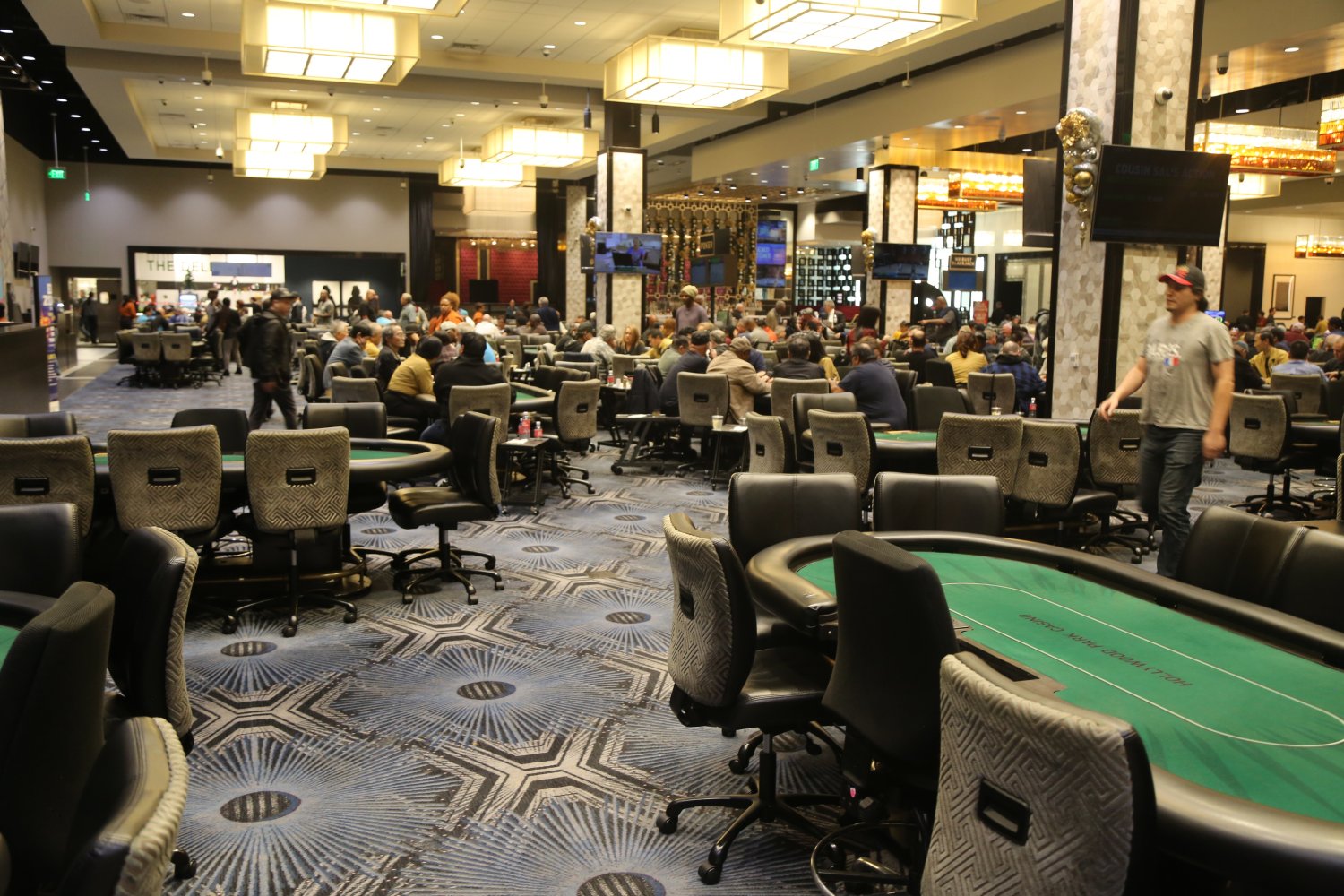
Slot machines and table games sit at opposite ends, and the choice between them shapes the experience more than most new players expect. A newcomer often defaults to slots simply because they look approachable, while pit games can feel intimidating from across the room. That instinct isn’t wrong, but it also isn’t the full picture. Each format rewards a different kind of player, and knowing the tradeoffs before sitting down saves both time and money.
Slot Machines Offer Fast And Simple Action
Slots ask for nothing more than a spin button and a little patience. Every outcome comes from a random number generator, so no strategy or memorized odds chart changes the result. That simplicity is exactly why slots dominate casino floors worldwide — often making up more than seventy percent of total machines in a typical property. The tradeoff is the house edge, which on most machines runs between two and ten percent, and on some penny slots climbs past that range. A big jackpot is always possible, which keeps the format exciting, but the average cost per hour of play tends to run higher than most table games.
Table Games Ask For More Attention
Blackjack, roulette, craps, and baccarat sit at the other end of the spectrum, since each one involves rules, betting structures, and in some cases real decisions that affect the outcome. Many first-time players are surprised to learn that online casino table games often carry a noticeably lower house edge than slot floors; for example, with blackjack, it is under 1% with correct strategy.
That gap alone explains why longtime gamblers tend to gravitate toward the pit once they get comfortable with the rules. Dealers also move at a set pace, which gives new players time to think through each decision instead of reacting on instinct the way a slot spin demands.
House Edge By The Numbers
The numbers make the real difference clear once every percentage is lined up side by side for comparison. Blackjack played with correct basic strategy typically sits around 0.5%, meaning that players using proper strategy lose less than one percent of their action over the long run.
A quick side-by-side helps put the odds in perspective:
- Blackjack: About 0.5 percent with correct strategy, one of the lowest edges in any casino.
- European roulette: Around 2.7 percent thanks to the single zero pocket.
- American roulette: Close to 5.26 percent because of the added double zero.
- Slot machines: Typically 2 to 10 percent, with some penny slots running even higher.
Knowing these figures doesn’t guarantee a win, but it does explain why a bankroll tends to last longer at the blackjack table than at the slot bank.
Speed Of Play Changes The Math
House edge alone doesn’t tell the whole story, since speed of play multiplies the cost. A slot player can push through 500 or more spins an hour, while a blackjack table usually deals somewhere between 60 and 80 hands in that same hour.
Even with a lower edge, a fast game adds up quickly, and a slower table game often ends up cheaper per hour of entertainment, despite looking like the higher-stakes option on paper.
A Few Other Card Games Worth Knowing
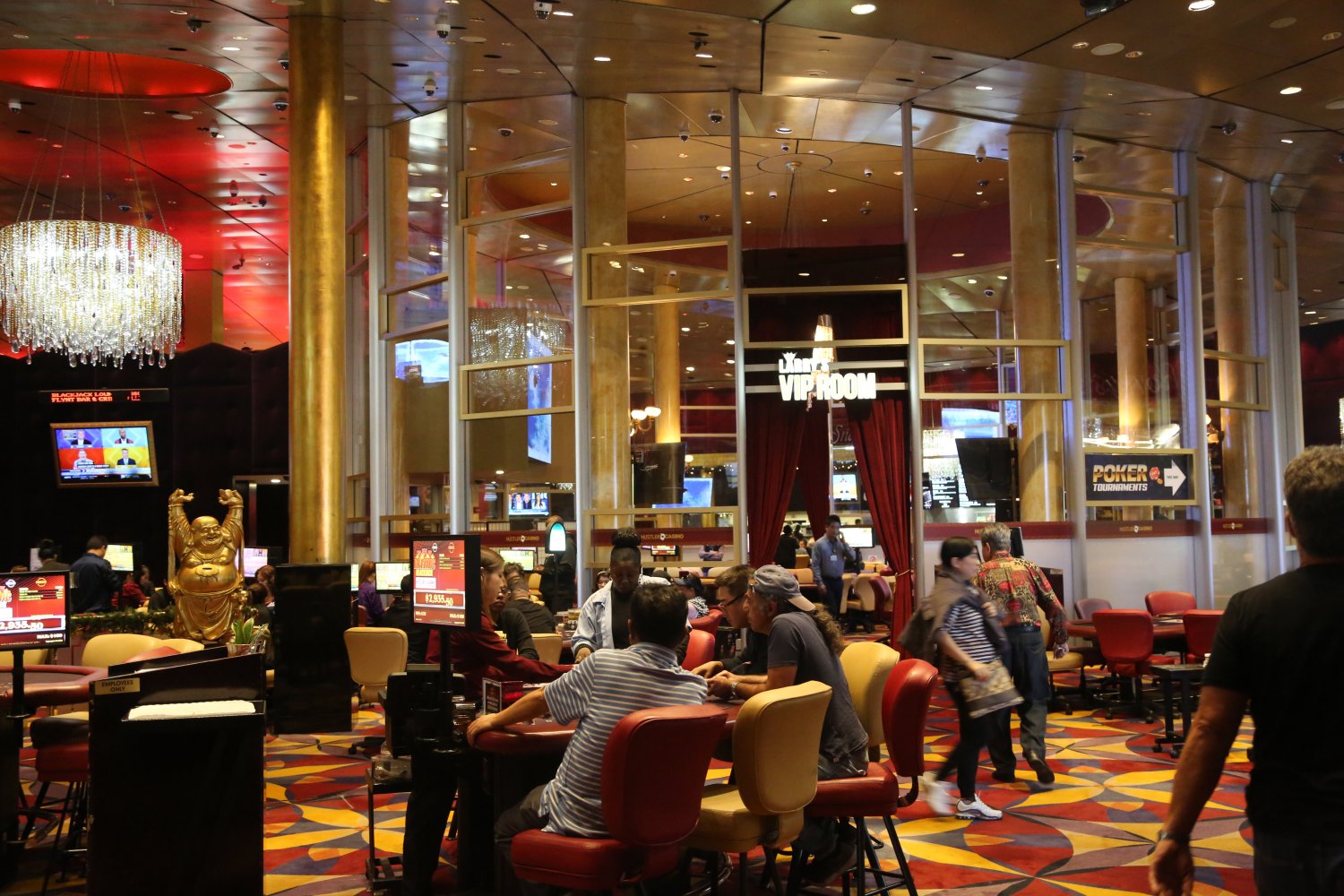
Blackjack, roulette, and craps are not the only games worth learning, and a handful of others turn up often enough on the pit to deserve a mention.
- Three Card Poker moves fast, pits a single hand against a fixed payout table instead of other players, and carries a house edge of around 3.3 percent.
- Casino Hold’em borrows its structure from Texas hold’em but plays head-to-head against the dealer rather than the table, running a milder edge near 2.2 percent under standard rules.
- Pai Gow Poker splits seven cards into two separate hands and rewards a slower, lower variance session, with a standard house edge close to 2.8 percent that drops further for anyone who takes a turn as banker.
- Baccarat rounds out the list and remains a fixture in land-based casinos worldwide, especially across Asia and parts of Europe, where it often outdraws blackjack on the main gaming floor.
Anyone planning a trip that includes a casino stop is likely to run into regional variations of these games that look nothing like the versions found back home.
Which Game Fits a First-Timer
Choosing between the two formats comes down to a few practical factors rather than one right answer. Budget, patience level, and comfort with structure all play a role in the decision. Table minimums at most casinos start higher than slot minimums, often five or ten dollars a hand compared to a penny or a nickel per spin, so the format someone picks also shapes how long a set amount of casino cash actually lasts through an evening.
A short checklist makes the choice easier:
- Budget-conscious players: Slots offer smaller minimum bets and no pressure to keep pace with a table.
- Players who enjoy strategy: Blackjack and video poker reward players willing to learn basic strategy charts.
- Social players: Craps and roulette tables tend to draw a crowd and encourage conversation between players.
- Players short on time: A quick slot session fits into a spare twenty minutes better than a full table game does.
None of these options is objectively better, since the right pick depends entirely on what kind of night out someone is after





Leave a Reply