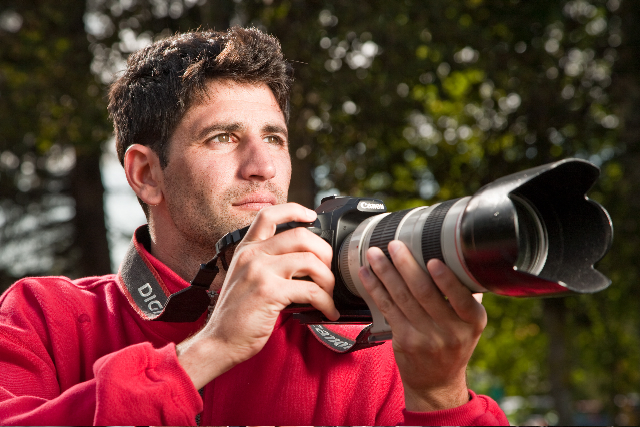
 Daniel Seddiqui is an American traveler, author, and cultural explorer best known for “50 Jobs in 50 States,” the ambitious project he created for himself by working a different job in every state across the country. He later chronicled his epic cultural quest in a book and founded Living the Map to promote deeper cultural understanding. Over the years, he has traveled the entire USA more than 20 times, making him one of the few individuals who have explored the nation more widely than almost anyone else.
Q. You went through a series of job rejections before starting your 50-jobs-in-50-states project. Can you tell us about the “lightbulb moment” that inspired you to take on this project?
Light bulb moments just don’t flick on, it’s a slow brightening or awakening. I was always a curious kid, which stemmed from my love for geography and running. I had a globe in my bedroom and would always spin it to see the other side of the world. As a runner, I always loved the discovery aspect of it. That’s why I could never be a swimmer, staring at the bottom of a pool. When I went for runs, I was able to see things that you couldn’t in a car. So, when it was my moment to decide to do 50 Jobs in 50 States, the curious was embedded in me, but I needed the feeling of desperation. That was after college when I struggled to find a job. I suffered through rejection after rejection, and that’s when I felt discovery of the world around me had to be made.
Q. Tell us what your first job was, and while you were doing it did you ever doubt whether the project would actually work?
My first actual job was between high school and college, when I bagged groceries. I always felt bored at jobs, so I tried to entertain myself and my co-workers through humor. I never had issues connecting with people, so I knew one of my skills was to be open-minded and communicative. Years later, when I began 50 Jobs in 50 States, I was first hired by the Church of Latter-Day Saints in Utah and stayed with my uncle. It was a warm welcoming for a yearlong journey ahead. I felt comfortable and confident that this was my mission, but I had no clue what would happen in the following weeks.
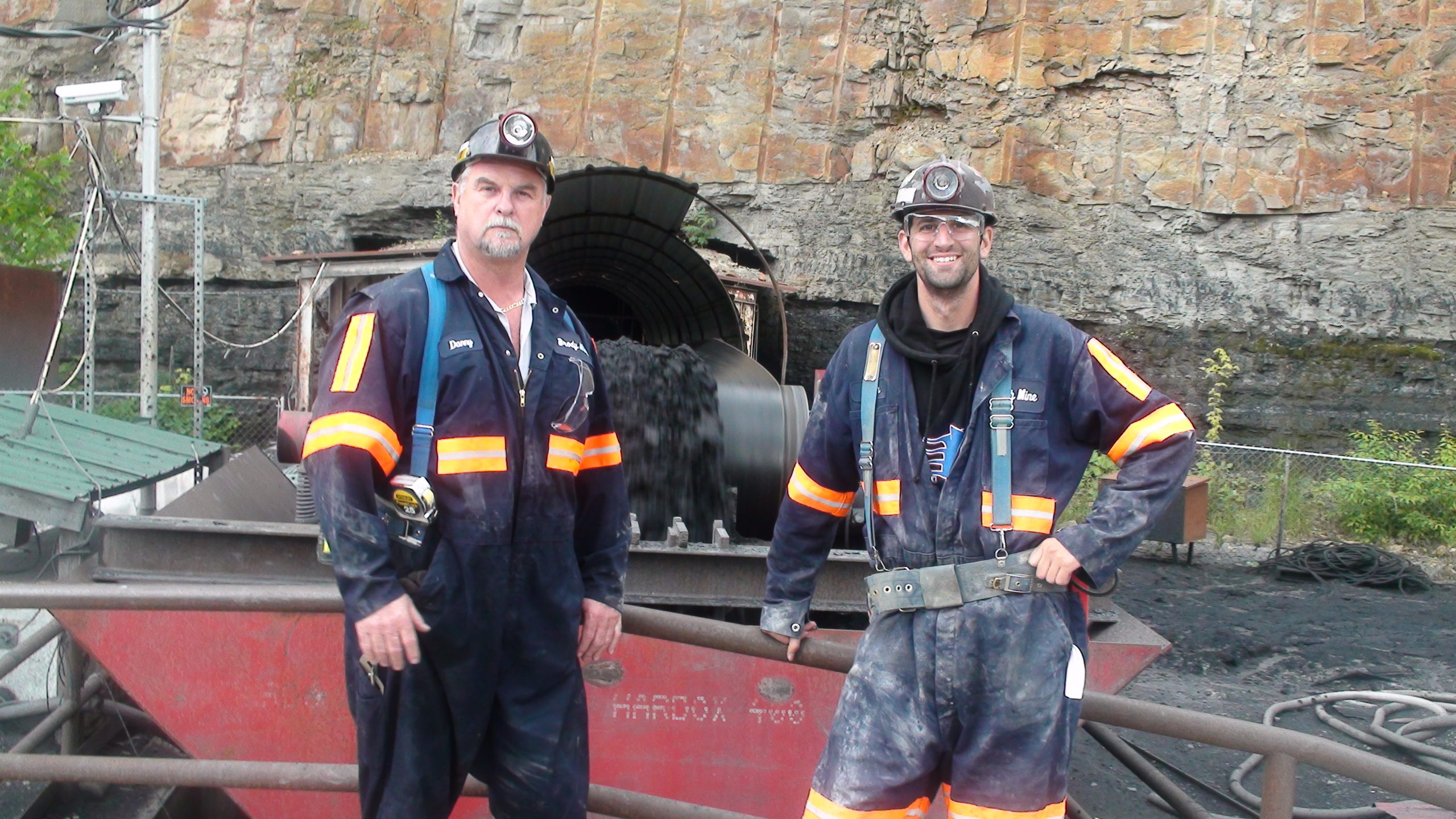
Q. You worked as a Lobsterman, Cheesemaker, Coal Miner etc. Among all these jobs, was there one you were afraid or nervous to try but ended up loving? And was there another that seemed easy at first but turned out to be much harder than you expected?
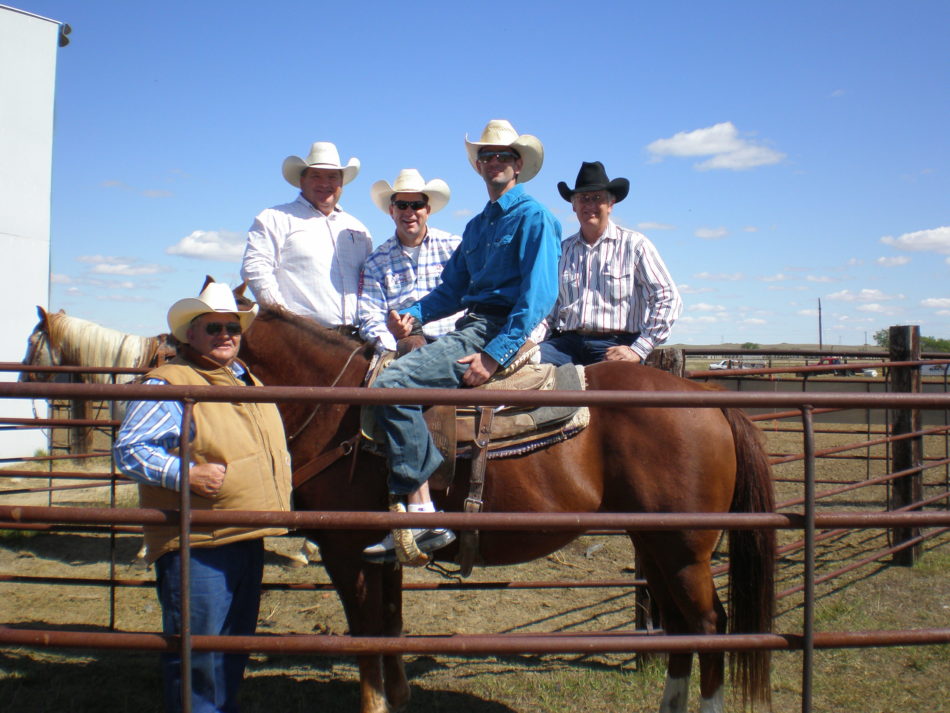
Starting a new job is always difficult. Testing your skills, proving your worth. I failed miserably at some jobs, like comprehending science-related jobs such as hydrology and marine biology. Finding patient and knowledgeable mentors was critical for my success. One physical job that I worked at was a pit-crew member in Indiana. I sucked. My coach was scratching his head on how I was given the job. I didn’t like that feeling of disappointment, so I tried hard to learn. At the end of the week, I was offered a fulltime job. A really tough job was being a rodeo announcer in South Dakota. Learning how to fill empty space between events was difficult. You had to keep the audience entertained, but I learned that I wasn’t good at just filling dead air, like many radio and tv hosts could do.
Q. All those jobs require totally different skills and mindsets. How did you adapt so quickly from one to the next?
I leaned into discomfort, cultivated resilience, and expanded my flexibility. My curiosity went from questioning “how” to learning “how to”. The most rewarding part of my career has been learning from mistakes and appreciating the work and skills of others.
Q. What did working across 50 different communities teach you about American culture that you wouldn’t have learned if you hadn’t been hands-on and fully immersed in each place?
I had a unique experience witnessing the Texas pledge of allegiance at a local school. I understand that Texas is a prideful state, but I had no idea they took it to that level. The pride and bond shared by students and staff over their state was truly remarkable, but of course, everyone has their own relationship and interpretation to it. Without the pledge of allegiance, designed to instill pride and patriotism to the state or nation, how else can we find commonality as a civilization?
While it’s often said that “we’re more similar than we’re different” or “what brings us together is more than what brings us apart,” my experience made me rethink this notion. Despite universal human needs outlined in Maslow’s Hierarchy, our individual differences shape our unique perspectives and desires. From systems like the pledge of allegiance to sports and religion, our varied interpretations create diverse bonds.
I can enumerate the many ways we’re different. Some find fulfillment in work, while others prefer the couch. Some dream of a large family, while others cherish solitude. Similarly, reactions to events like fireworks displays vary, with some finding joy and others perceiving them as disruptive to the environment and annoying.
From the start of my career, I’ve strived to create authentic connections defined by relating. Afterall, relating comes from shared experiences. It takes a lot of work to develop a bond between incredibly diverse people, but finding pride in a shared home, like your country and state, is one way of doing it.
Q. Let’s talk about the people who came into your path during your journey. Did anyone you met leave a lasting impression on you, or change the way you saw a community?
Most people were acquaintances on my journey, but they had no idea that I thought the world of them and still to this day, they’ve made an impression on me. I’m reminded of the profound impact individuals can have on our lives without even realizing it. During my time as a coal miner in West Virginia, the miners I met left an unforgettable mark on me. Although they may not know it, they are still in my thoughts today, their influence lasting far beyond our brief encounter.
It’s fascinating how people we meet along our journeys, whether intentional or by chance, can leave lasting impressions. Even those we perceive as strangers may hold a special place in our memories. This reminds me of the power of influence and the significance of appreciating those who have touched our lives, even if they are unaware of the impact they’ve had.
Celebrity or not, each of us has the ability to make a difference in someone else’s life, often without even realizing it. So, to those who have crossed paths with me and left a lasting impact, I want to express my gratitude. Your influence has shaped my journey in ways you may never know, and for that, I am truly thankful.
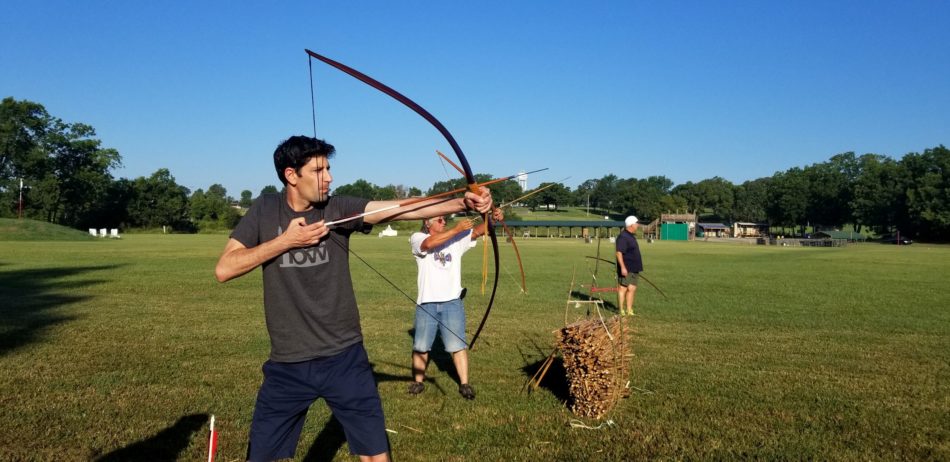
Q. You named your project “Living the Map” That says a lot! It is like instead of just navigating the map, you actually live in it. How has “Living the Map” changed the way you see America and its diversity?
Living the Map was living my dream and the dream continues as I write a travel guide series for people to connect with America in similar ways as I did through work and culture. I understood, that we must continue to share information with each other because we are just one generation away from losing culture.
I competed in an archery contest at the Cherokee National Holiday annual gathering. It was one of the most memorable experiences, learning how to shoot an arrow over 100 yards on target. My only goal was to reach the haystack, so I wasn’t very competitive.
One local participant shared that he visits local high schools to teach the youth how to handcraft bows and arrows. It’s an art that is quickly being lost in the new generations. “We are one generation from losing our culture of thousands of years.” It is obvious that he carries a lot of burden in order to keep the traditions alive. This is all too common across America, where only one person or a few are responsible to pass culture onto the next generation. Culture is so precious and vulnerable, and you need individuals that are responsible to inspire the legacy onto others.
Q. For people who want to practice “Living the Map” in their own lives, what would you suggest as a starting point?
During a recent speaking engagement at a community college on Long Island, I was struck by a surprising revelation. Despite New York City being just an hour train ride away, only about 20% of the audience members had ever visited the bustling metropolis. This phenomenon isn’t unique to Long Island; it’s a trend seen everywhere.
With New York City attracting around 60 million tourists annually, it’s fascinating how many locals have yet to explore their own backyard. This experience serves as a poignant reminder of how easy it is to get caught up in the comfort of our routines, ultimately limiting our experiences and perspectives.
Reflecting on this, I couldn’t help but wonder about the factors that hold people back from embracing new adventures. Is it a lack of courage, a fear of the unknown, or simply a reliance on others to take the first step? Perhaps many are content living vicariously through the experiences of friends and family.
As I departed the campus that day, I carried with me a newfound appreciation for the importance of curiosity and exploration in enriching our lives. Let’s challenge ourselves to step out of our bubbles, break free from the familiar, and embrace the endless possibilities that lie just beyond our comfort zones.
The first step is always the toughest, but a reason must be in place first.
All photographs credit: Daniel Seddiqui




Antalyaya gelecek olan misafirlerimiz için havalimanı transfer hizmeti vermekteyiz.