
Lisa Steinmann © 2025 Lucy Steinmann. All rights reserved.
Q. Minnesota has a strong Nordic heritage, which explains why sauna culture is so common there. What first got you interested in Nordic sauna, and when did you realize it was something you wanted to focus on more seriously?
In addition to being the granddaughter of Swedish immigrants, I find that Minnesota’s climate and geography make saunas a natural complement to our lifestyle. My first experience in a Nordic style sauna was at a summer camp deep in Minnesota’s north woods. The sauna was built in 1933 by Finnish carpenters. That is where I had my first naked sauna followed by a plunge into an icy cold lake (it was June). As I floated on my back and gazed at stars in the night sky, I knew that this experience was something I had to make a part of my life–I felt good in my body and, at the same time, part of the beautiful natural world all around me.
Q. Most people go to the sauna for wellness or relaxation. Would you like to share any rituals or etiquette that people commonly overlook, especially in a Nordic sauna?
There are many different ways to practice sauna bathing; each has its own norms. I really feel at home with a Nordic or Finnish style sauna, a place to wash, relax, and restore. It’s where you connect with nature, with others on equal terms, and with yourself.
Traditionally, the sauna was also where life’s most important moments happened: birth, healing, marriage preparation, even death. One key aspect is, as the Finns would say, saunassa ollaan kuin kirkossa; it means, one should behave in the sauna as one does in church. It is a place to be respectful, communal, generally quiet and focused on good inner thoughts.
When it comes to etiquette, people are starting to learn that natural fiber towels are best suited to sauna and bringing along several is a good idea: a clean towel to sit on, a towel to wear (or a bathing suit) and one for drying off after washing.
Linen is my favorite fiber because it dries well, resists odor and bacteria and has historic roots in Nordic life. Most public saunas require bathing suits but, as they are typically made of synthetic fabrics which trap heat and release microplastics, I insist on wearing something made of natural fiber. I have a Merino wool bathing suit which insulates against heat in the sauna and keeps me warm in cold air and water.
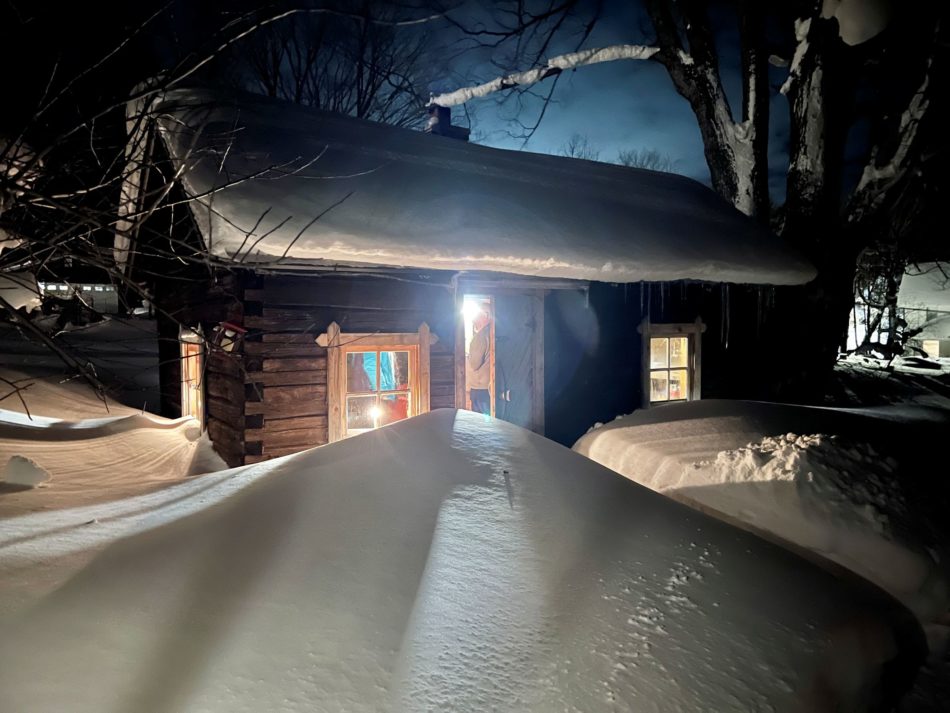
A century-old sauna in Michigan’s Upper Peninsula © 2025 Jack Steinmann. All rights reserved.
Q. In Finland, the sauna is considered a sacred space, and the steam is seen as the spirit itself. Have you ever felt that there is something sacred in a sauna?
Absolutely, yes! I feel connected to what my Swedish grandparents would call “de gamla tro,” the old beliefs that are still a part of my way of feeling about the world. The belief that all aspects of nature have a spirit extends to the sauna. Tossing a ladle of water on heated rocks is like waving a magic wand. It raises a cloud of steam over the glowing stove and one is enveloped in heat and scent of the cabin’s spruce walls. It awakens all of one’s senses and a feeling of being close to the spirits.
An old corner-jointed log sauna © 2025 Jack Steinmann. All rights reserved.
Q. What differences do you see between the saunas in Minnesota and those in Scandinavia, especially when it comes to authenticity? Could you give some specific examples from your own experiences.
I have only had a hotel sauna experience in Sweden so I cannot fairly compare them. In my travels in the U.S. and Canada, I’ve experienced everything from corner-jointed log cabins in northern forests to contemporary glass-walled structures, from ice-hole plunges to desert saunas.
What lends any sauna authenticity is how it is used. I learned from Finnish immigrants who have preserved sauna traditions in an old-world way that an authentic experience involves fire, earth, air and water. Sauna is a place to wash with buckets of water and a fragrant bar of pine tar soap followed by steam (löyly) and brushing the skin with a fresh, leafy whisk (vihta). The connection to nature is very important whether it is a cold plunge in a lake or just stepping outside and feeling the cool air on your skin.
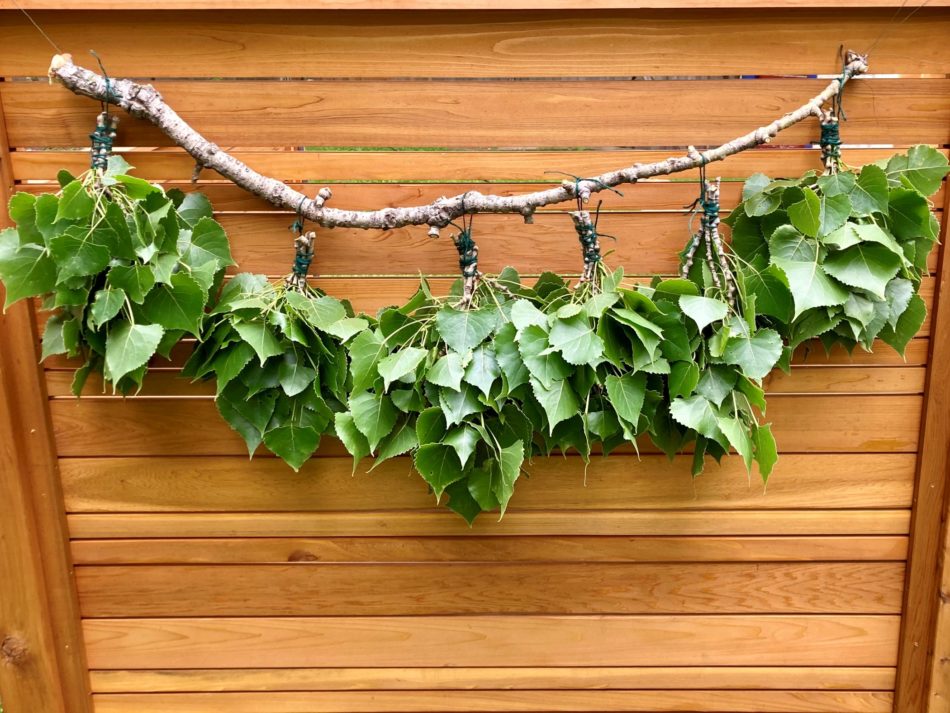
Vihtas ready for whisking © 2025 Lisa Steinmann. All rights reserved.
Q. You have written a lot about the sauna textiles and material culture. Are there any little things or small details that people usually overlook in sauna tradition, something that might tell a surprising story about Nordic culture?
When I talk or write about sauna and textiles, I often open with a question I was asked by a Finnish-American friend, What are sauna textiles? For him, a sauna is for bathing and nakedness and it does not involve textiles. However, I make the point that textiles, in addition to being obviously functional, have a history as long as that of sauna. Weaving was women’s work in Nordic countries for thousands of years. It was a task that was both mundane and meaningful. Sauna rituals required towels, rugs and other textiles that were woven or embroidered in patterns that offered magical protection and beauty in a sacred space.
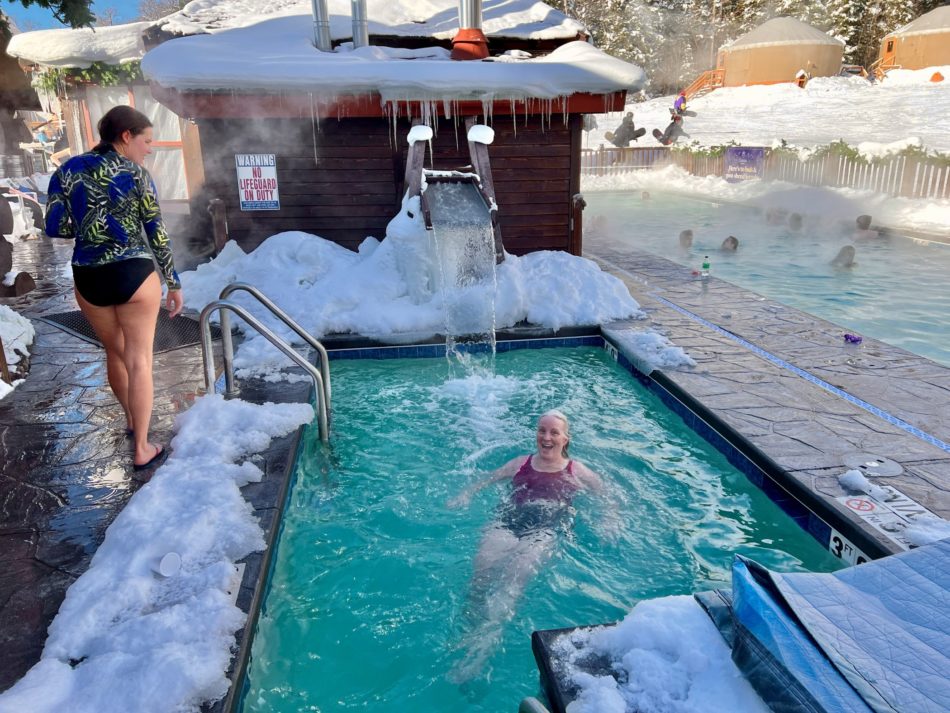
A cold plunge pool at Mount Bohemia, the Keweenaw Peninsula in Michigan © 2025 Jack Steinmann. All rights reserved.
Q. Some people describe the cold plunge as almost meditative, especially after the sauna. For someone who has never tried it, it could sound pretty intimidating. What advice would you give to a first timer, and are there any rituals or mental tricks that help people fully experience it?
It is definitely a mental challenge. It helps me to think about the fact that when water is not frozen it can’t be any colder than around 0 degrees Celsius (32 degrees to me). That is not particularly cold in my mind. Winter air temperatures in Minnesota can reach minus 34 Celsius. The best practice is to heat up in the sauna until you feel you absolutely must cool off–then keep the cold plunge brief. When you step out of the water, the air around you will feel warm and you will feel just right in your own skin.
Q. Sauna is all about a cycle of heat, cold, and rest. Do you think that rhythm says a lot about the way Nordic people live?
Yes, I think that the Nordic lifestyle rhythm is very much based on the variation between seasons in our latitudes. Northern people learned long ago how to adapt to warm weather months by being active outdoors and to cold weather times with cozy indoor living. The winter season, with its shorter, darker days, encourages a sense of hibernation. The seasonal cycles of warmth, cold and rest are reenacted in the sauna.
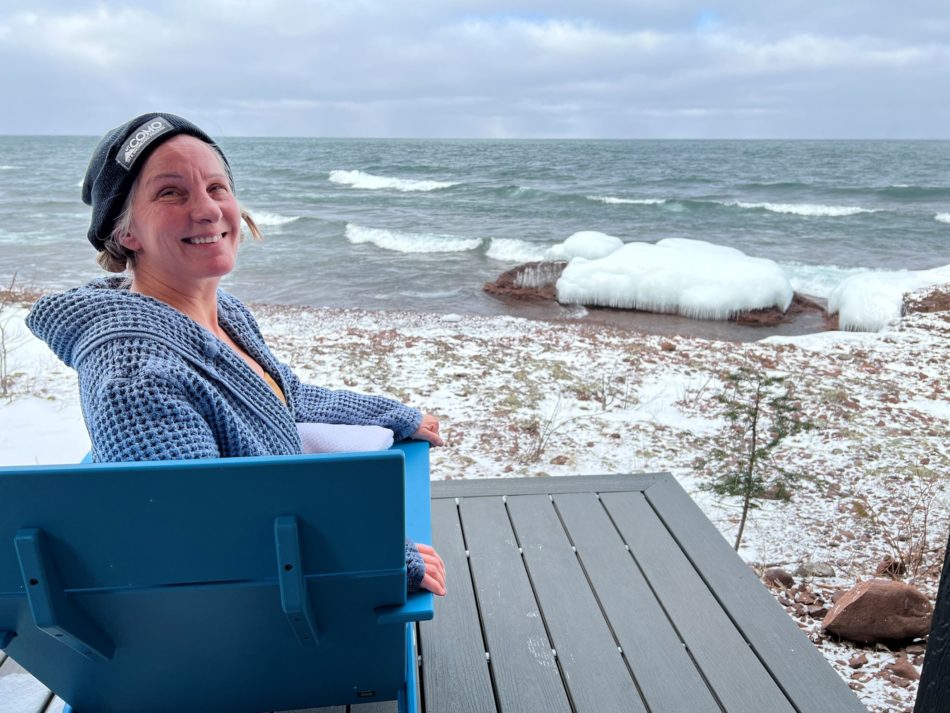
A view of Lake Superior from Takka Superior, Eagle Harbor, Michigan. © 2025 Jack Steinmann. All rights reserved.
Q. What is the most memorable sauna experience you have ever had?
One very cold and snowy January, my husband and I drove to a remote ski area in Michigan where they have an outdoor spa with heated outdoor pools and five different kinds of saunas. We spent a long afternoon sampling all of the amenities: the regular sauna, the salt room, the steamy hamam style room, the scented sauna and one with a window that looked out to the skiers on the mountain.
As we were driving home at sunset, we got a phone call from Jim Kurtti, honorary consul for Finland in the state. He asked if we would like to try his 100-year-old Finn built sauna at his home. Of course! Why not a sixth sauna? When we arrived at his home, we followed a path cleared through waist high snow to the sauna cabin, its windows glowing with lantern light. Inside, the dressing room was stocked with clean linen towels, soap and shampoo. The hot room was filled with the sound of bubbling water from a tank attached to the wood fired stove .There were ladles and enamel basins hanging on the wall. It was truly one of the most blissfully hot, peaceful, authentic saunas of my life. When we were impossibly clean and happy, we dressed and stepped out beneath tall trees, their branches touching the starlit sky.
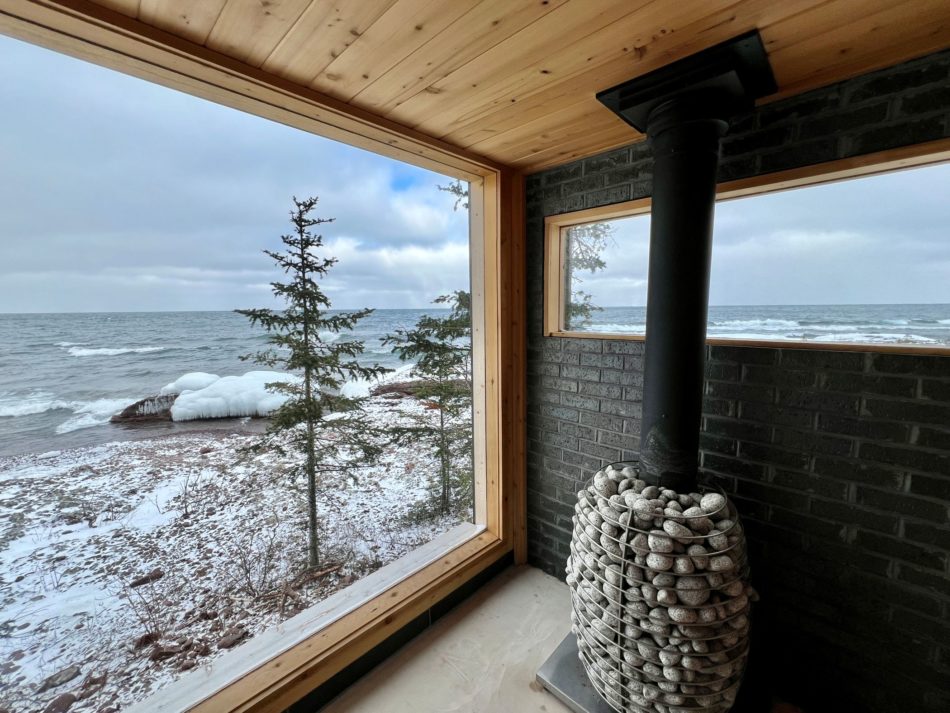
A sauna by the shore of Lake Superior © 2025 Jack Steinmann. All rights reserved.
Q. Your message to our readers?
Since this is a travel column, I would invite readers to visit the Upper Midwest in the United States. If they have an interest in sauna, Minnesota is the “sauna capital” of the U.S. according to Rachel Leingang of the Guardian news site (March, 2024). It is true. Travelers will find a variety of experiences from the glamorous roof top saunas of downtown Minneapolis hotels to mobile saunas parked at venues near the Mississippi River and local lakes.
I especially recommend sauna experiences along Lake Superior in northern Minnesota. For example, Cedar & Stone in Duluth offers gorgeous views of the port city and many resorts along the coastal road to the Boundary Water Canoe Area Wilderness (near Canada) offer sauna experiences. Following the shore to the east will bring you to one of my favorite places, Hancock, Michigan, home to authentic Finnish-American culture and Takka Sauna, a canal-side public sauna second to none. For more tips and trip suggestions, visit my blog, Bad Sauna/ Good Stories.
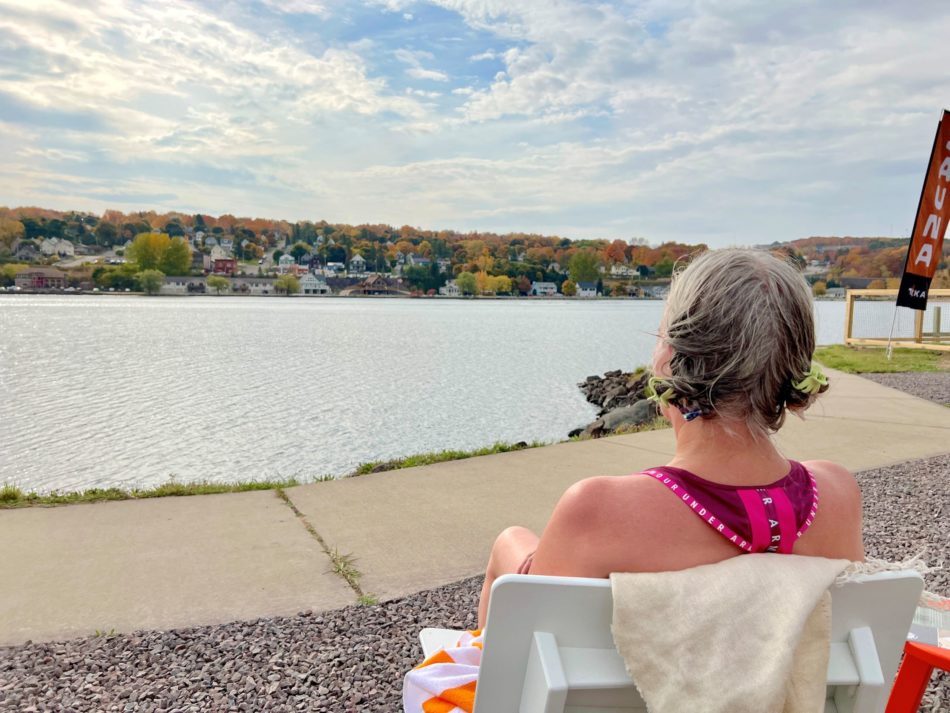
Takka Portage Sauna in Hancock, Michigan with a view of Portage Canal © 2025 Jack Steinmann. All rights reserved.


Leave a Reply