The morning fog held on to the mountainsides like a silk veil as our vehicle navigated the winding roads of the Cordillera Central range. I had arrived in Mountain Province, Philippines, just as the first light of dawn broke over the eastern peaks. This remote highland region, nestled in the northern part of Luzon Island, had long been on my list of destinations. As we ascended higher into the mountains, the promise of ancient traditions and breathtaking landscapes drew me forward with anticipation.
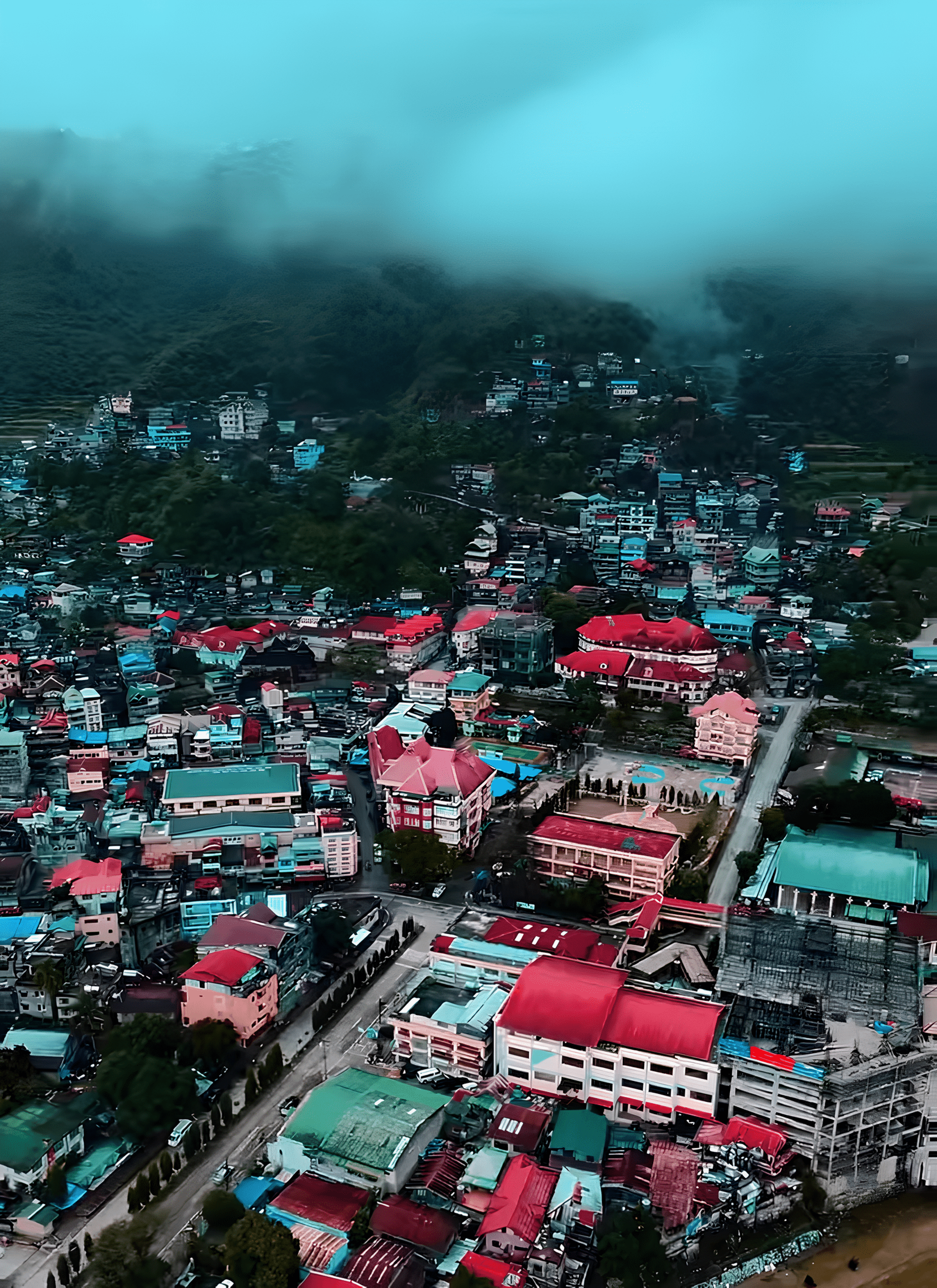
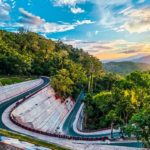
Panoramic view of Bontoc, Mt. Province (drone shot courtesy of Diwag Travels).
My journey began in Bontoc, the provincial capital that serves as the gateway to Mountain Province’s treasures. The town hummed with activity as locals conducted their morning business in the central market. Vendors arranged vibrant displays of highland vegetables—carrots of deep orange, cabbages the size of basketballs, and bundles of fresh herbs grown in the fertile mountain soil.
“These vegetables taste different from what you find in Manila,” explained Miranda, a local guide I had arranged to meet. “The cool mountain air and mineral-rich soil give everything a sweeter, more intense flavor.”
I spent my first day exploring the Bontoc Museum, where artifacts from the region’s indigenous peoples provided insight into cultures that had remained largely unchanged for centuries. The museum building itself, constructed in the traditional Ifugao style with thick wooden beams and a steeply pitched roof, offered a preview of the architectural marvels I would encounter throughout my journey.
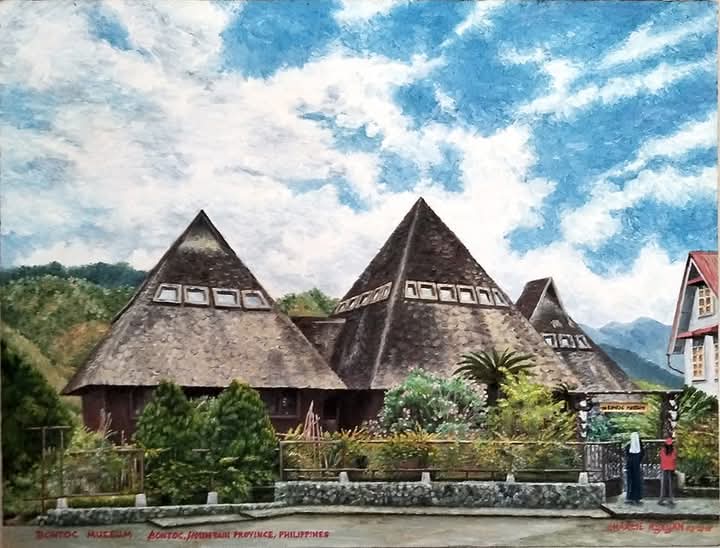
The Bontoc Museum (Photo: Hannah Niah Awisan).
“Our ancestors built structures that could withstand typhoons and earthquakes,” the museum curator told me as I admired the intricate woodwork. “This knowledge was passed down through generations without written records.”
That evening, I dined on traditional Cordilleran cuisine—pinikpikan chicken slow-cooked with etag (salt-cured pork) and mountain vegetables, accompanied by locally grown heirloom rice. The complex flavors, at once familiar and exotic, prepared my senses for the cultural immersion that awaited.
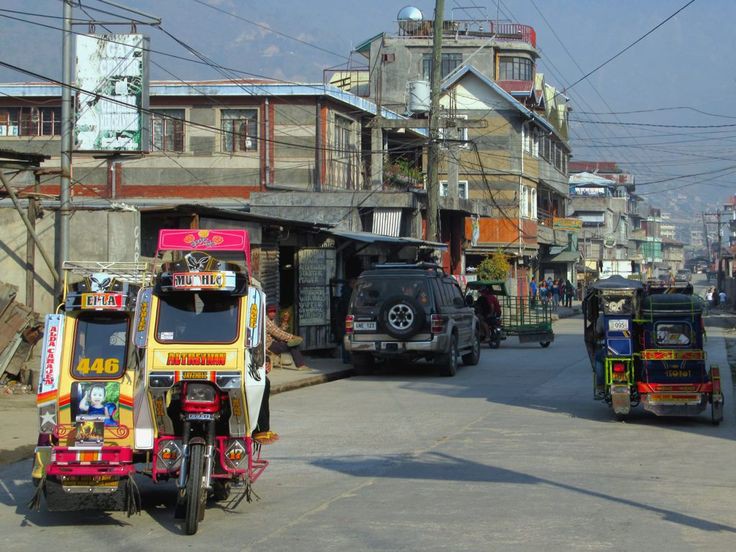
Downtown Bontoc (Photo: David Stanley).
The following day brought me to Maligcong, home to some of the most pristine rice terraces in the Cordillera. Unlike their more famous counterparts in Banaue, the Maligcong terraces remain relatively undiscovered by mass tourism, preserving their authentic character.
I arrived as farmers worked the paddies, their figures silhouetted against the emerald steps that climbed the mountainsides. These agricultural masterpieces, carved from the slopes over 2,000 years ago, represent an engineering feat accomplished without modern tools or technology.
“Each terrace is a testament to our ancestors’ ingenuity,” said Joseph, a local farmer who invited me to walk along the stone walls separating each level. “The irrigation system uses bamboo channels to distribute water from mountain springs, ensuring each field receives exactly what it needs.”
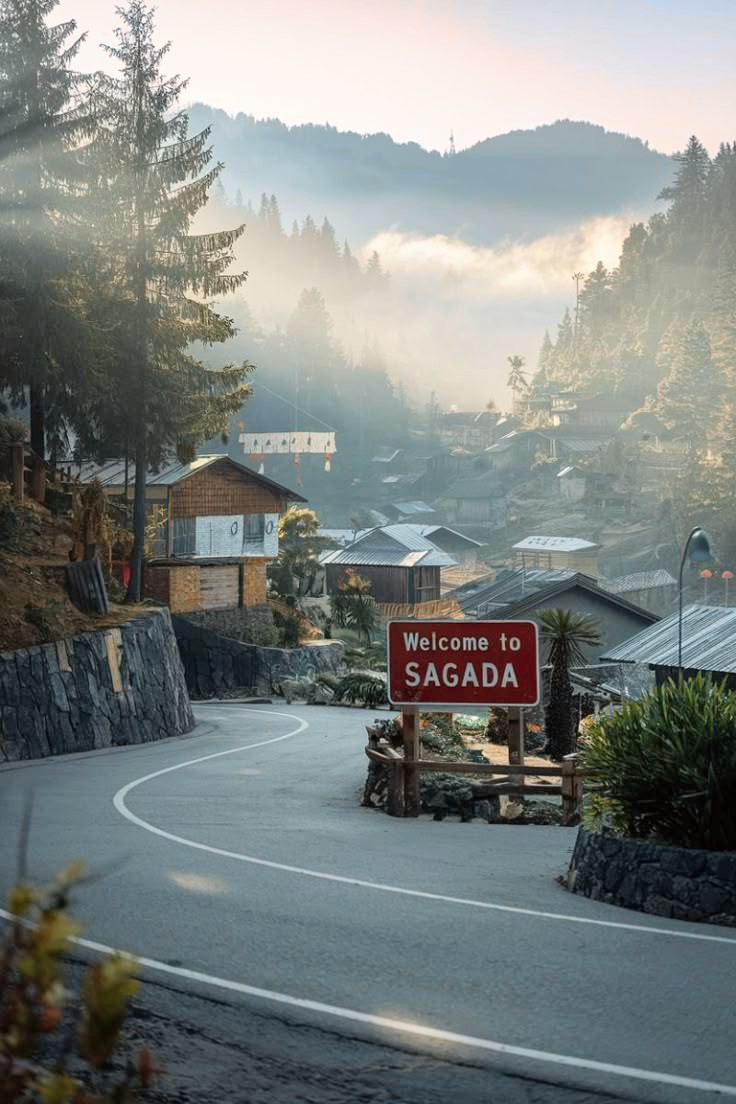
Photo: Mytourguide.ph
The trek to Mt. Kupapey before dawn the next morning rewarded me with a panoramic view of the terraces shrouded in morning mist. As the sun rose, it gradually unveiled the intricate patchwork below, a moment of such transcendent beauty that many travelers beside me fell silent in reverence.
My journey continued to Sagada, perhaps the most well-known destination in Mountain Province. This mountain town has gained popularity for its hanging coffins and limestone caves, yet it maintains a spiritual tranquility that transcends its growing tourism industry.
The hanging coffins of Echo Valley represent a burial practice dating back thousands of years. Placed along cliff faces or inside cave entrances, these final resting places reflect the belief that positioning the dead closer to the sky facilitates their journey to the afterlife.
“We still practice this tradition, though less frequently now,” explained Elder Tomas, who agreed to guide me through Echo Valley. “Only elders who have lived honorable lives and have grandchildren qualify for this burial method.”
Standing before these weathered wooden coffins, some suspended from cliffs with rattan ropes and others wedged into natural crevices, I felt a profound connection to the countless generations who had walked these paths before me.
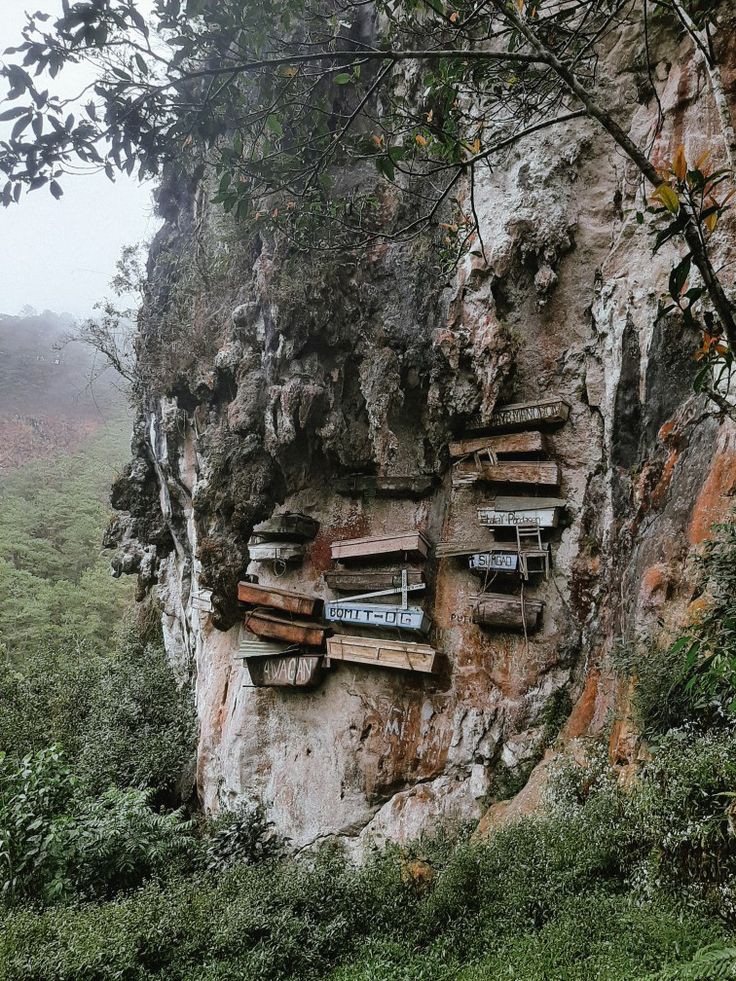
The Hanging Coffins at Sagada (Photo: Porsche)
“The cave is a living entity to us,” my cave guide explained as we paused beside a formation resembling a giant church organ. “It continues to grow and change, just as our culture does.”
The municipality of Besao offered my most intimate cultural exchange. Here, removed from the main tourist circuit, I participated in a community gathering where elders shared stories of their ancestors’ resistance against Spanish colonization and their subsequent adaptation to modern influences while maintaining their cultural identity.
I was invited to observe a traditional ceremony where village elders consulted ancestral spirits regarding an upcoming agricultural season. The ritual involved the sacrifice of a chicken, with its bile carefully examined for omens. While such practices might seem foreign to outside observers, I witnessed the profound respect with which these traditions are maintained.
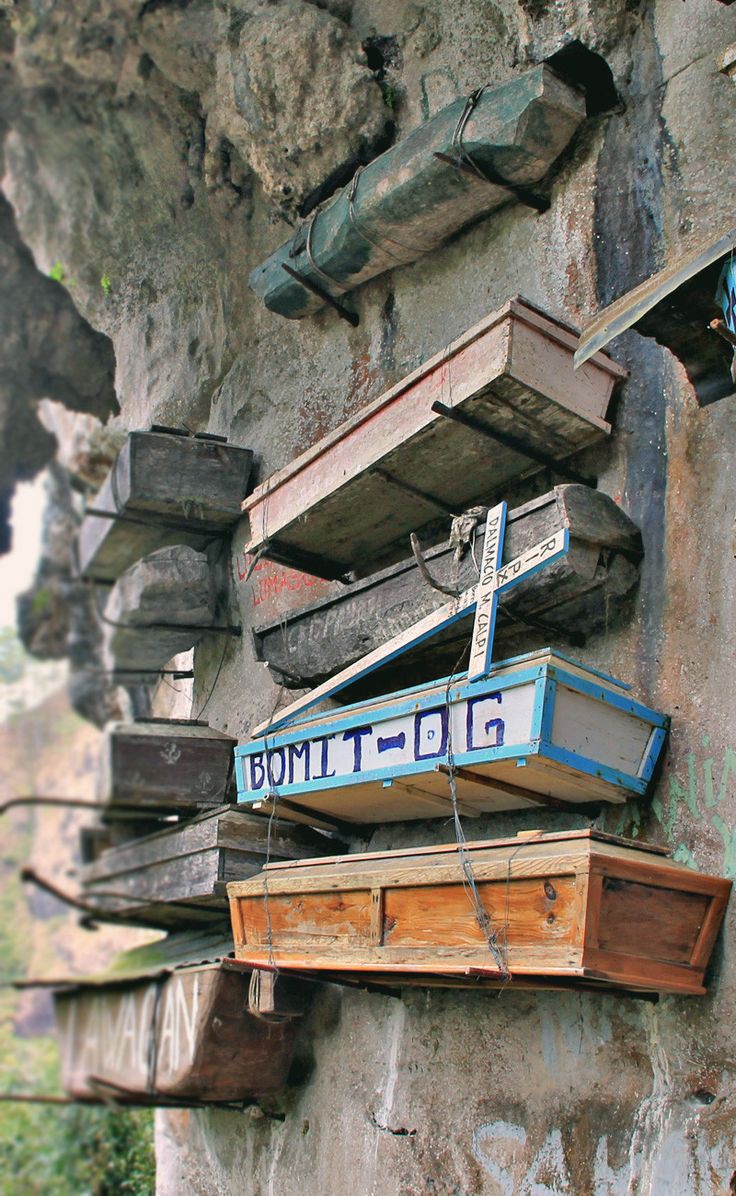
Closer view of of Hanging Coffins (Photo: Sabrina Lovino).
The community shared their native rice wine, called tapuy, served in bamboo cups and passed among participants as stories were exchanged. The sweet, slightly fermented flavor complemented the warmth of the gathering as night fell and stars appeared in the mountain sky with remarkable clarity.
Throughout my journey, I observed the delicate balance between tradition and progress that characterizes contemporary Mountain Province. Solar panels appear on traditional huts; young people wear traditional woven garments while checking smartphones; ancient agricultural practices are preserved alongside new farming techniques.
In Sagada’s town center, I met entrepreneurs who had established businesses combining traditional crafts with modern design sensibilities. One workshop produced handwoven textiles using patterns passed down through generations but incorporating colors and applications appealing to urban markets.
“We adapt to survive, just as our ancestors did,” the workshop owner told me. “But we keep the essence of who we are.”
This sentiment echoed across my encounters—from farmers maintaining ancestral rice terraces to teachers incorporating indigenous knowledge into standardized curricula. Mountain Province faces challenges including climate change affecting agricultural cycles, outmigration of youth seeking opportunities elsewhere, and increasing tourism altering community dynamics.
Yet I found in every village a resilient determination to forge a path forward that honors ancestral wisdom while embracing beneficial aspects of modernity on their own terms.
As my jeepney descended the mountain roads on my final day, I reflected on what I would carry from this journey. Beyond photographs and handwoven souvenirs, I took with me a profound appreciation for a way of life that values community interdependence, spiritual connection to the land, and the wisdom accumulated through generations.
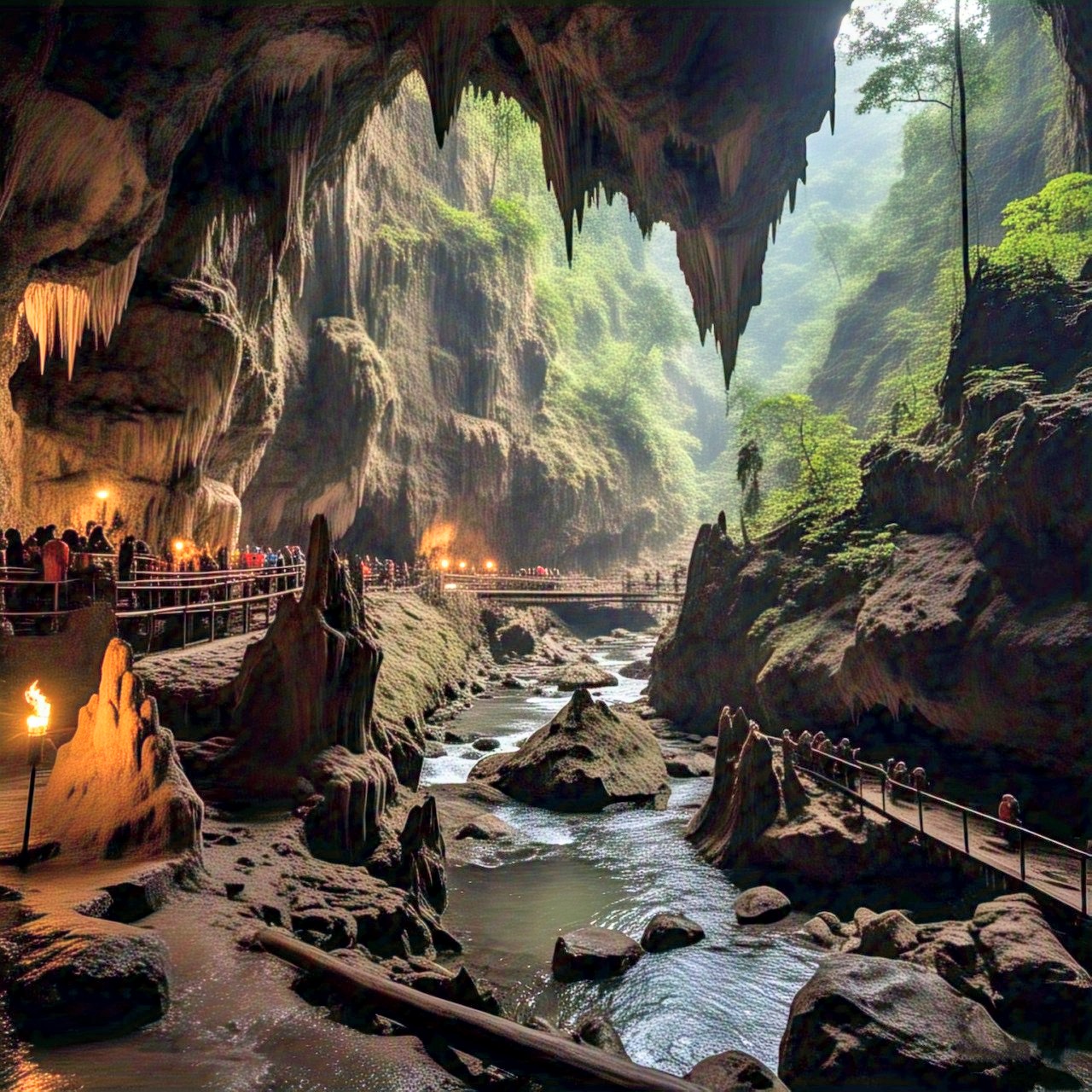
Entrance to Sumaguing Cave (Photo: Junfil Olarte).
Mountain Province had revealed itself not as a relic of the past but as a living, evolving testament to cultural resilience. The mountains themselves seemed to embody this quality—weathered by time yet standing firm, changing with seasons yet remaining fundamentally constant.
The morning fog returned as we rounded the final mountain pass, momentarily obscuring the view ahead. When it cleared, the lowlands spread before us, representing my return to the familiar world I had temporarily left behind. Yet something had shifted in my perception—a reminder that even in our rapidly changing global society, there remain places where people move to rhythms established thousands of years ago, adapting without surrendering their essential character.
Mountain Province had not merely been a destination but a profound encounter with another way of seeing and being in the world—one that would continue to resonate long after the mountain peaks had disappeared from view.



Leave a Reply