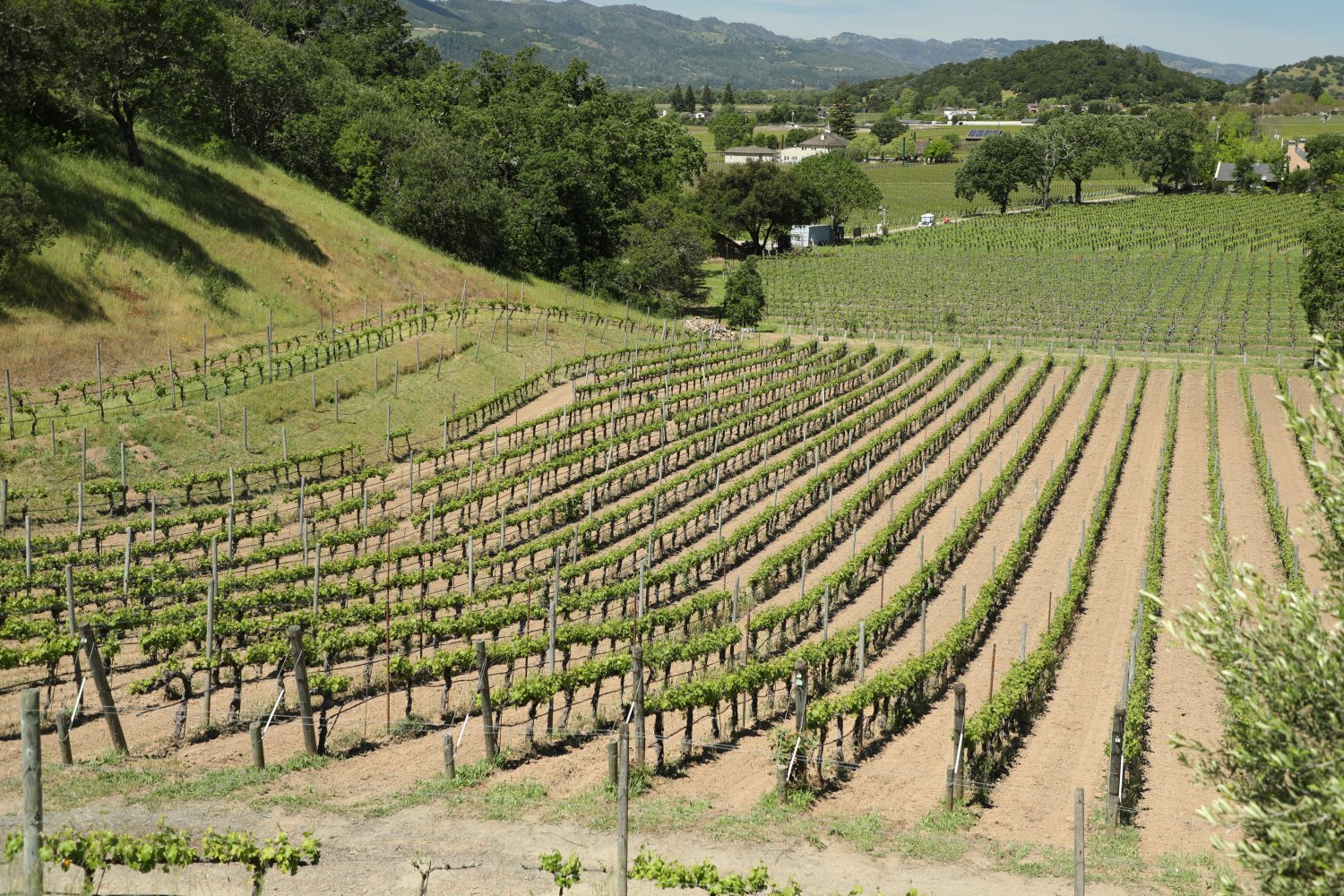
 Wine has a way of turning geography into memory. Not just places on a map, but moments burned into your senses—the smell of hot stone, the scrape of gravel underfoot, the way a long lunch quietly becomes dinner. Over the past 25 years, including the formative years spent training to pass the Master Sommelier exam, these experiences have shaped how I understand wine and the world around it. These are the places I return to in my memory—and the ones I will always love. Every reader should put them on a bucket list.
The most meaningful wine experiences of my life haven’t been about famous labels or flawless bottles alone. They’ve been about context: who I was with, what was on the table, and how hard the vines had to fight to survive. These five places reshaped how I think about wine, travel, and hospitality. They are regions where history, landscape, and human obsession collide—and where wine stops being a luxury and becomes a language.
Santorini, Greece — Wine Born of Fire and Mist
Santorini feels less like a wine region and more like a geological dare. The island itself is the remnant of a colossal volcanic explosion—often estimated at more than 100 times more powerful than Mount St. Helens—that tore the island apart and left behind today’s crescent-shaped caldera. What remains is black volcanic rock, pumice, and ash—no rivers, no lakes, no irrigation. Vines survive on moisture pulled from the Aegean itself, trained low in woven basket shapes to shield the grapes from relentless wind and sun.
We began with lunch at Metaxi Mas, perched above the vineyards on a balcony overlooking the caldera, where Assyrtiko tasted like ocean mist, white smoke, and citrus oil. Visits to Hatzidakis and Sigalas revealed wines of staggering concentration—saline, electric, nearly indestructible. The Koutsogiannopoulos Wine Museum, with its faded caricatures and old donkey tunnels, told the story of generations scraping life from ancient lava landscapes. One afternoon we swam off a catamaran in the caldera, glasses in hand, floating inside an ancient volcano.
At sunset, Santorini becomes almost theatrical. Whitewashed villages glow soft pink and gold, the sky deepens into amber and violet, and the caldera darkens to ink. Back at our infinity pool in Imerovigli, we roasted lamb and opened an older bottle of Assyrtiko, watching the last light dissolve into the sea. It was a memory stamped permanently into place. Santorini wines don’t whisper; they crackle—and they move your soul. This belongs on every wine lover’s bucket list.
Korčula, Hvar & the Dalmatian Coast, Croatia — Wine as Hospitality
The Dalmatian coast feels almost unreal in its beauty—water so blue it borders on impossible, islands rising cleanly from the Adriatic, sunlight reflecting off stone villages that seem unchanged for centuries. Croatia reveals itself best through people, and we were hosted by my friend Ivan Jug—winner of Best Sommelier of Croatia and owner of Noel, a one-star Michelin restaurant in Zagreb—who brought his entire family to the coast to host us as if we were their own. Days unfolded on borrowed yachts, slipping between Korčula, Hvar, and the Pelješac Peninsula, the sea glassy and luminous beneath us.
Meals were simple in form and extraordinary in execution: whole local fish grilled over open flame, drizzled with olive oil, eaten slowly with glasses of chilled Pošip—bright, saline, and perfectly matched to the coastline. In Korčula, we tasted Grk at Zure, grown in limestone soils and defined by savory depth, tension, and unmistakable maritime character. One night we stayed in Orebić at Villa Korta Katarina, one of the finest hotels in Croatia, where everything—from the five-star restaurant and thoughtful wine list to the warmth of the staff—felt effortless and generous. Hvar brought glamour; Korčula brought soul. What lingered most was the sense of welcome. Here, wine isn’t an accessory. It’s how people say stay a while.
Burgundy, France — Bottles That Mark a Life
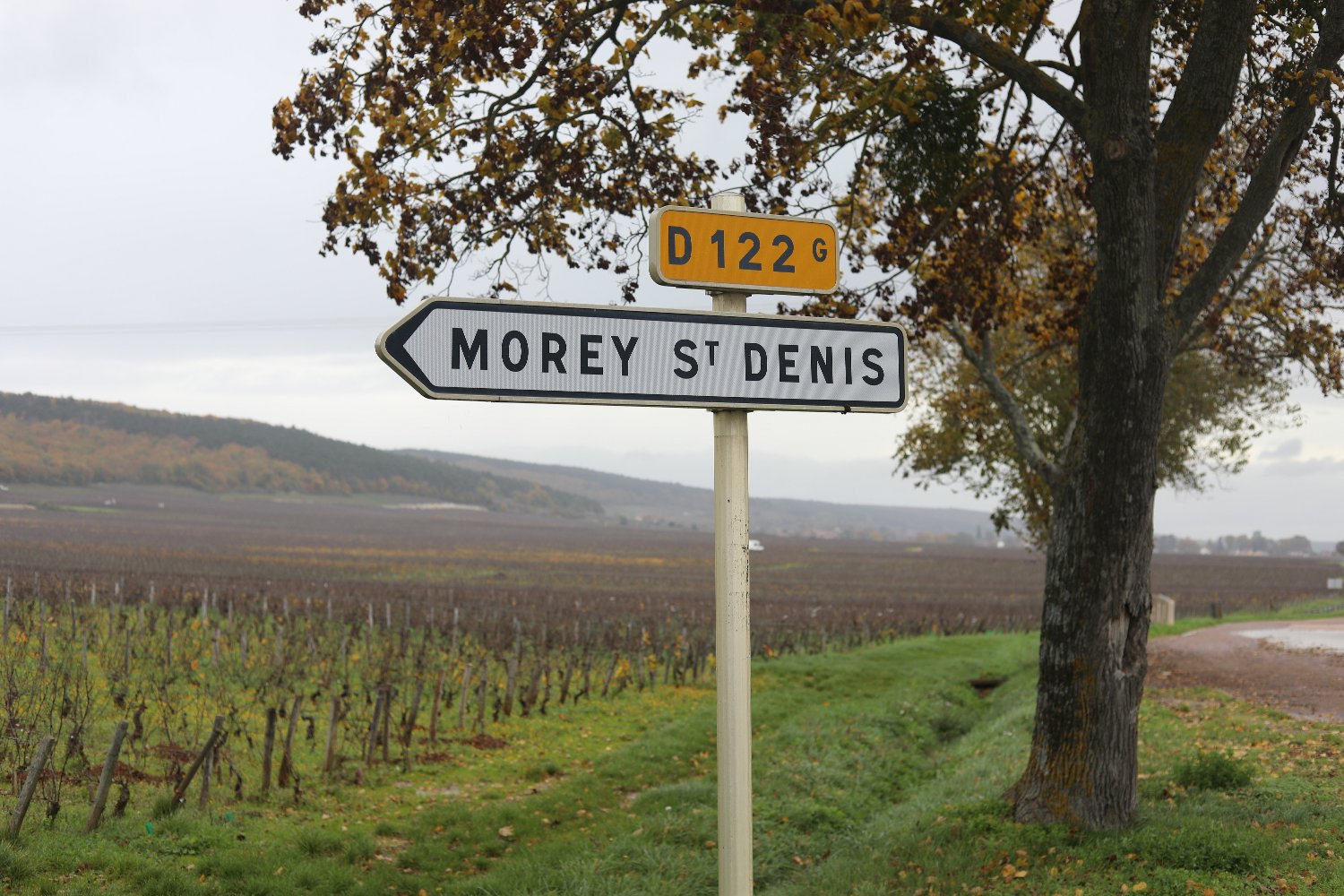
 A decade of studying maps has a way of sharpening your arrival in Burgundy. Suddenly, every few hundred meters of vines represents not just a change in name, but generations—sometimes centuries—of accumulated work by local farmers. Each parcel carries its own history, its own decisions, its own quiet arguments with nature. The amount of information to absorb—the energy, the nuance, the density of meaning—is almost incalculable. Burgundy doesn’t reveal itself all at once; it presses in slowly, demanding attention.
Burgundy also has a way of measuring time—not just in vintages, but in life chapters. One of my most meaningful experiences there unfolded over the course of a long afternoon on the balcony at Domaine Dujac, overlooking the vines of Morey-Saint-Denis. With my wife Mercedes—before we had children, before life accelerated—we drank 1992 Clos de la Roche and Clos Saint-Denis with Jeremy and Diana Seysses, who welcomed us with an incredible lunch prepared and shared at the domaine.
These weren’t trophies or academic exercises; they were living wines, layered and quietly profound, revealing themselves slowly as the light shifted across the slopes below. We talked about where we were, where we might be going, and let the wines do what great Burgundy does best: slow everything down. Those bottles remain a lifetime highlight—not because of rarity alone, but because of timing. Burgundy teaches you that the greatest wines aren’t just about place. They’re about when you drink them, and with whom.
Mosel, Germany — Gravity in a Glass
The Mosel is an argument against comfort, and a reward for those willing to slow down. Vineyards cling to impossibly steep slate slopes, carved by hand over centuries, daring gravity to interfere. This landscape exists because, hundreds of millions of years ago, ancient seas and tectonic pressure compressed sediment into slate, later folded and exposed as the river cut its winding path through the valley. That dark, fractured slate—heat-retaining and unforgiving—is the soul of Mosel Riesling.
Each village along the river feels distinct, shaped by families who have farmed the same hillsides for centuries. Every bend in the Mosel reveals its own charm: a church spire catching late light, a new slope rising at a precarious angle, a town tucked tightly against the water. Evenings drift through old towns like Bernkastel, with crooked half-timbered houses, worn stone steps, and narrow lanes scented with river air and fresh bread.
Earlier, in Ernie Loosen’s cellar, we opened old Rieslings that seemed to exist outside of time—weightless, precise, still vibrating decades on. Those tastings were lessons in restraint and trust: trust in place, in patience, in not forcing the wine to be something it isn’t. I’ve returned many times since, and the greatest honor has been sharing these hills and villages with my wife and daughter, watching them absorb the same quiet awe. The Mosel doesn’t shout. It rewards attention. These wines whisper history and echo long after the glass is empty.
Wachau, Austria — Precision, Generosity, and Stone
The Wachau feels carved rather than built. Ancient stone terraces rise sharply above the Danube, stacked and rebuilt over centuries, catching light differently as the day unfolds. Walking the region means moving between vineyard paths and storybook villages like Dürnstein and Spitz, where church towers punctuate river bends and cafés spill onto cobblestones worn smooth by time.
Food here is as grounding as the wines. Lunch might mean a perfectly crisp Wiener schnitzel at a local tavern, potatoes dressed simply, a glass of Grüner poured without fuss. Evenings reach another level at Knoll’s restaurant on the river, where traditional table settings, starched linens, and quiet formality make it feel as though time has slipped backward 150 years. What elevates the Wachau, though, are the people. Friends like Emmerich Knoll, Franz and Matthias Hirtzberger, Leo Alzinger, and Martin Mittelbach don’t just make world-class Grüner Veltliner and Riesling—they open their homes, their cellars, and their tables. Bottles appear freely. Meals stretch long. Conversation matters. The wines achieve a rare clarity: power without weight, precision without sterility. The Wachau feels timeless yet alive, a place where excellence and hospitality coexist naturally. You leave not just impressed—but changed.
About Ian Cauble
Ian Cauble, MS – Founder & CEO, thecaubleist.com is one of just 274 people in the world to have earned the title of Master Sommelier since the exam’s inception in 1969. He rose to international recognition as the central figure in the cult wine documentary SOMM (2012), which captured the grueling challenge of the exam—renowned for its mere 5% pass rate.
After earning his degree in International Business, Wine Business, and Spanish at Sonoma State University in 2003, Ian worked harvest in Portugal and then spent over a year traveling through Europe and beyond—an experience that sparked his lifelong pursuit of great wine.
In 2011, he was named Best Young Sommelier in the World in Athens and also won TOP|SOMM USA that same year.
Today, Ian is based in Napa Valley with his wife and two children, where he continues to build innovative wine ventures—including his Napa Valley brand Method, the Frantzén & Cauble label in Sweden, and his newest project, The Caubleist—a daily e-commerce platform dedicated to daily offerings of exceptional wines from around the globe.




This is a beautifully written journey through these wine regions that takes a deep look at more than just the wine, but also the hospitality and landscapes.
Santorini is high on my list to visit – warm summer day, something on the plate fresh from the sea at lunch and Assyrtiko -sounds perfect!