X

Get FREE Email Updates

Sign Up

Dave's Travel Corner

Seeing the World One Step at a Time

  • Home
  • Blog
  • Guides
  • Journals
  • Photos
  • Videos
  • Links
  • Interviews
  • About

journals

Visitor submitted travel journals. Submission guidelines


Ghosts of Verdun

March 18, 2017 by Abdul RastagarLeave a Comment

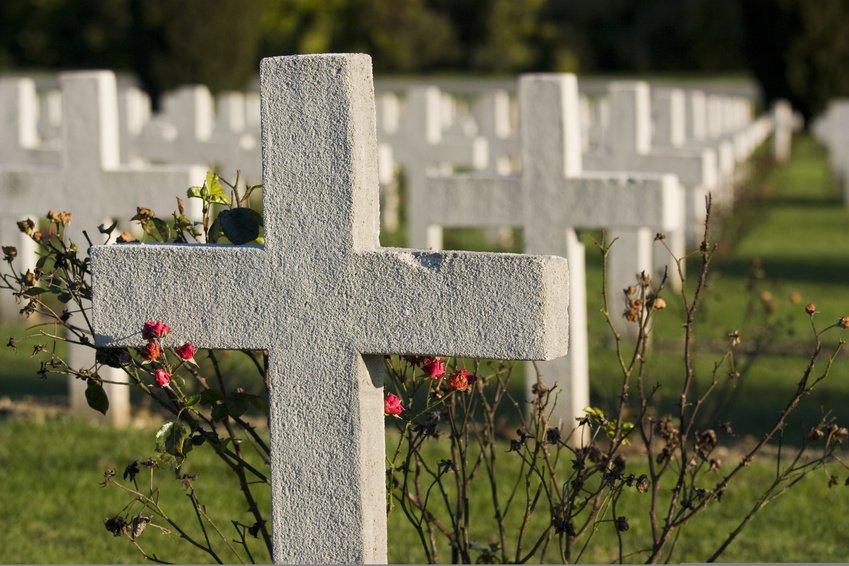
verdun-cemetary“On the battlefield of Verdun I stand.

Half a million, young as I, are buried here.

Where are they now?” – excerpt from Verdun and You, a poem by German battle survivor William Hermanns

Marshal Ferdinand Foch, France’s Supreme Commander of Allied Forces in WW1, is said to have once remarked that the training of a Major General requires about 15,000 dead soldiers. In 1916, at the infamous battle of Verdun, more than 20 times that number of men died on both sides of the trenches. If ever there was a place to train generals, Verdun must have been it.
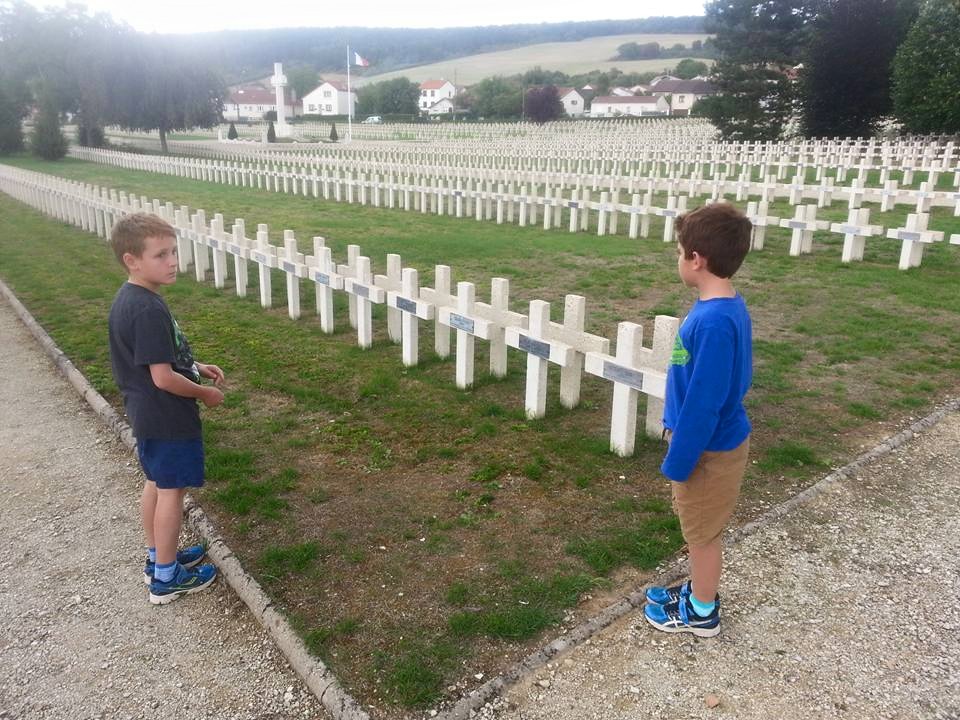
A new generation is introduced to the destruction of Verdun at one of many cemeteries in Verdun.

A new generation is introduced to the destruction of Verdun at one of many cemeteries in Verdun.

Verdun today lies peacefully among green farmlands and beautiful, roaming hills. Upon approach on France’s A4 highway, nothing hints at the great travesty that this town stands for. However, as you draw nearer, that illusion is quickly displaced by the cold reality of several hundred thousand dead bodies that are buried here. Military cemeteries of various nationalities begin to pop up immediately on the outskirts of town. At every intersection, it seems, multiple signs point at a shocking glut of graveyards, littered in virtually all directions. The reality of Verdun is that it is a ghostly reminder to the mindless death and destruction wrought by the ruthless efficiency of WWI.

Verdun is far more than a site for the history or military buff, far more than a memorial for fallen soldiers and far more yet than a place of commemoration for the children of the men who fought here. It is a reflection of who we are at our worst. It is the human shame that cannot be explained. The tragedy of Verdun can only be experienced by visiting here. In short, Verdun is a place every person must visit to understand the horrors of the “war of attrition.”
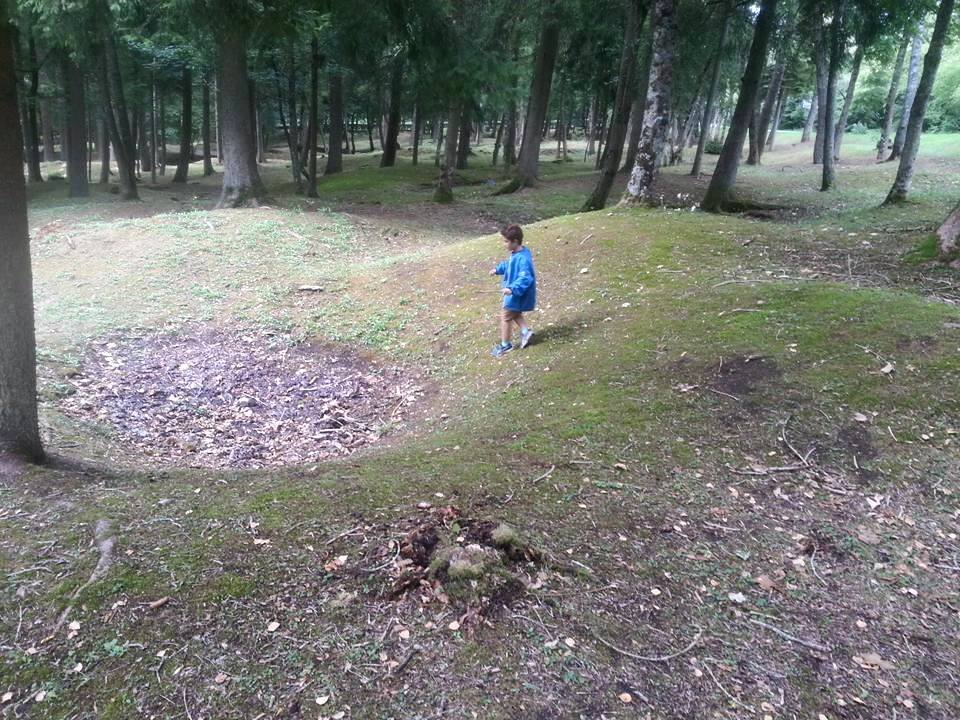
Remnants of Fleury, one of nine lost villages of Verdun. The village disappears in  a mass of bomb craters.

Remnants of Fleury, one of nine lost villages of Verdun. The village disappears in a mass of bomb craters.

It is almost impossible to walk among the graves without shedding a tear, even with no direct connection to the dead. To climb into the ditches and trenches, to walk into the remnants of bomb craters, without imagining the nightmares of the soldiers who fought here, is to be soulless. I shudder at the awesome destruction that must have raged on a regular basis. The emotional impact of Verdun hits upon the visitor like the bomb shells that burst overhead here every minute of every day for nine straight months.

The battle site is enormous, to visit all of it requires an entire day. Verdun had been deliberately chosen as a point of attack by Germany in order to bleed the French army, drain it of its fighting resources and ultimately grind it into submission. Highlights include a visit to the ruins of Fort Douaumond, one of the key fortifications that had been built to defend the city of Verdun. One of the most remarkable impressions left at the battle of Verdun are the thousands upon thousands of bomb craters that are still clearly visible in the ground. At places, as far as the eye can, the ground has been pounded into a moon-like landscape. Perhaps the clearest physical evidence of the sheer scale of bombardment that occurred here are the nine lost villages of Verdun (Beaumont, Bezonvaux, Cumières, Douaumont, Fleury, Haumont, Louvemont, Ornes, and Vaux.) They are today completely wiped off the map, a relic lost to history. Parts of the village of Fleury have been marked up, allowing visitors to gain a vague sense of what life may have been like a century ago in this typical French country village. Dig the ground lightly and just below the surface, tiles or stones from old edifices emerge. A bakery here, the church there, someone’s private home down yonder – all witness to the ruthless savagery of thousands of howitzers. Strolling through this bombed and pockmarked remnant of what was once a town shocks the conscience. Can humans really create such havoc?

The ossuary and memorial of Verdun
Bones of 130,000 soldiers are stored within the ossuary
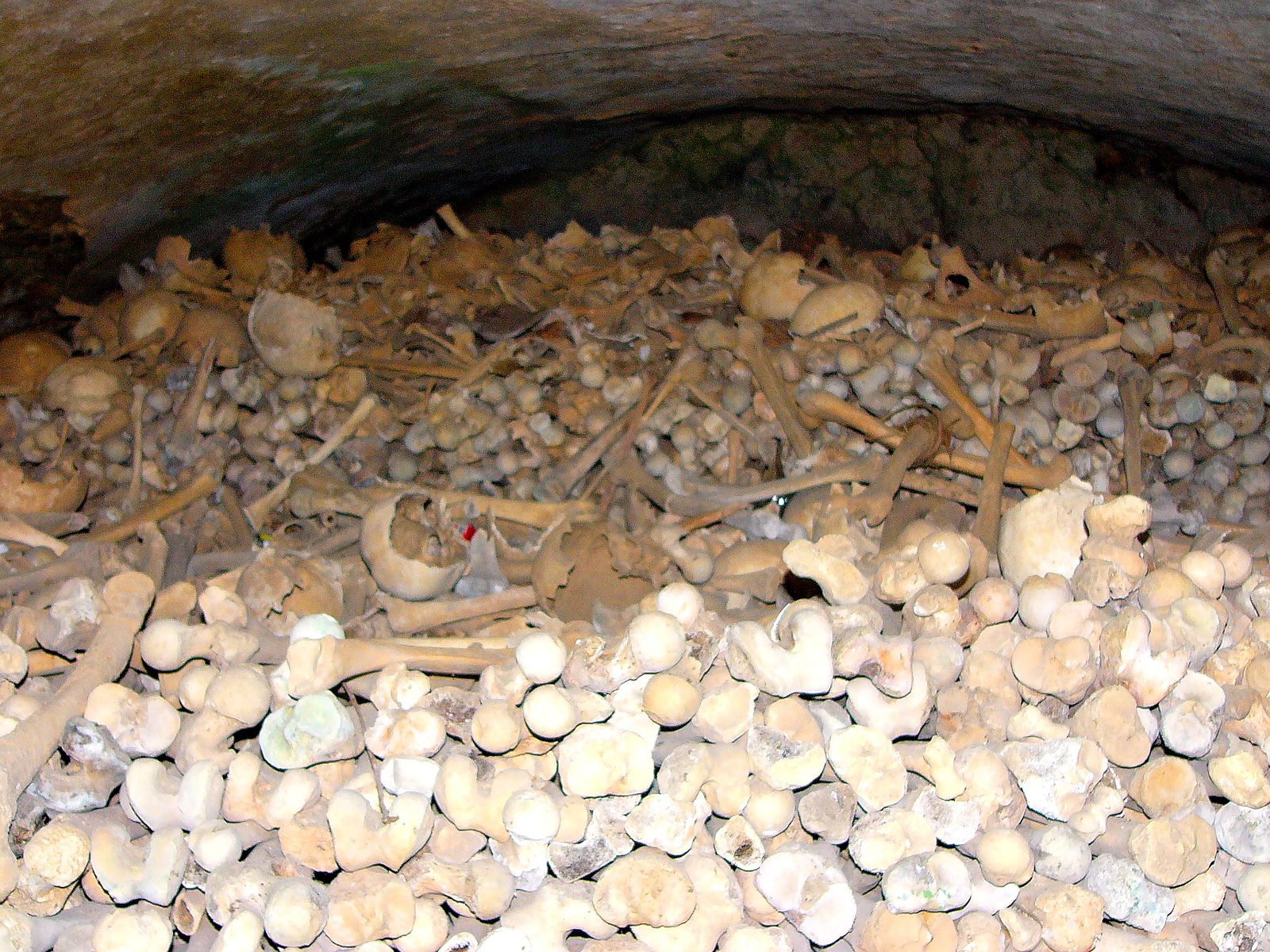
Nothing however, leaves such a powerful and appalling impact upon the visitor as a visit to the ossuary, the final resting place of over 130,000 unidentified soldiers on both sides of the battle. Ironic that these men should forever rest together in death when they hated one another so harshly in life. The enormous piles of bones that have been placed here can be viewed through small window portals, providing a powerful perspective on what “130,000” really means in human terms. Steps lead to the top of the tower, offering a lovely 360 degree view of the forests and hills that surround greater Verdun. From here, the scale of the battle field, as well as the masses of graves that dot the region, become all too clear.
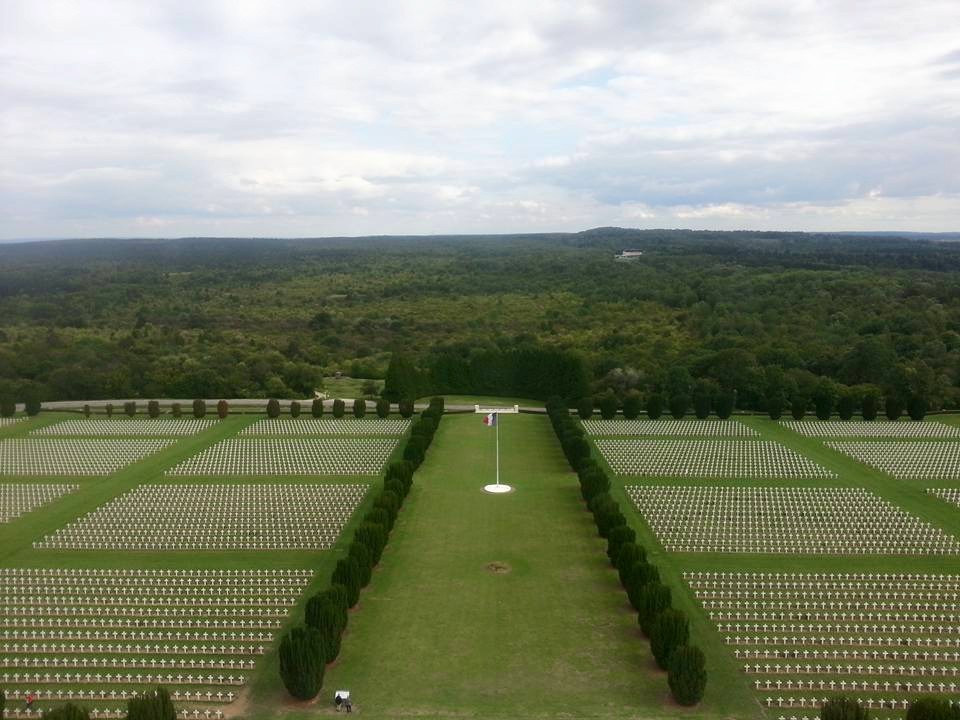
View from the top of the Verdun memorial


View from the top of the Verdun memorial

The Indian cemetery and the muslim cemetery nearby bear witness to the lesser-known aspects of the war – that WW1 was a war fought by colonial powers using the full might of their overseas possessions, killing hundreds of thousands of soldiers who had only the vaguest idea of where Europe even was. Inside the cavernous hall of the ossuary, a placard of eternal friendship proclaims the everlasting peace to which Germany and France have now committed themselves. Nations, it seems, can learn from their mistakes. Verdun is the slaughterhouse that should never have been. Let it serve as a reminder that it must never happen again.

Related posts:

Franco’s Ghosts Capital of Ghosts The Ghosts of Highgate Cemetery Walking with Ghosts War and Peace and Napoleon

Filed Under: Europe · Tagged: Art, Bakeries, Europe, France, Germany, History, Mountain Climbing, Village, Walking tour

Leave a Reply

Your email address will not be published. Required fields are marked *

Want an avatar to show with your comments? Get a free Gravatar

This site uses Akismet to reduce spam. Learn how your comment data is processed.

Dave's Wines Logo

The Official Wine Club of
the Napa Wine Project!

Your personal membership to the
finest Napa Valley artisan wineries.
Learn More
Follow @DaveDTC

Get FREE Email Updates ▶

Categories

Journals — Home

  • Africa
  • Antarctica
  • Asia
  • Australia
  • Caribbean
  • Europe
  • Middle East
  • North America
  • South America
  • South Pacific
  • Other

Latest Posts

  • greek theatre TaorminaTaormina, through the eyes of a traveler
  • On the Border: Missouri vs. Neighboring States for…
  • Flame of the Border by Vingie E Roe
  • Spending New Year’s Eve Alone in Dubai: An Unexpec…
  • Margaritaville at Sea Beachcomber to Sail Year-Rou…

Explore

  • Above the Clouds
  • Guides
  • Highlight of the Month
  • Interviews
  • Journals
  • Press Releases
  • Videos

Prepare

  • Book Reviews
  • Pack List
  • Quiz: Geography
  • Quiz: Travel
  • Tour Booking
  • Travel Insurance
  • Travel Products

Share

  • Contribute
  • Forums
  • Links
  • Photos

About

  • About Us
  • Advertise
  • Contact Us
  • Contributors
  • Email Dave
  • Media Coverage
  • Media Kit
Hi I'm Dave. After a life changing trip in 1996, I began this site as a creative outlet to educate, inspire and share travel experiences. Read more...
  • Facebook
  • Instagram
  • LinkedIn
  • Pinterest
  • RSS
  • Twitter
  • Vimeo
  • YouTube

Return to top of page
Copyright © 1996–2025 Dave's Travel Corner · All Rights Reserved · Log in

7ads6x98y