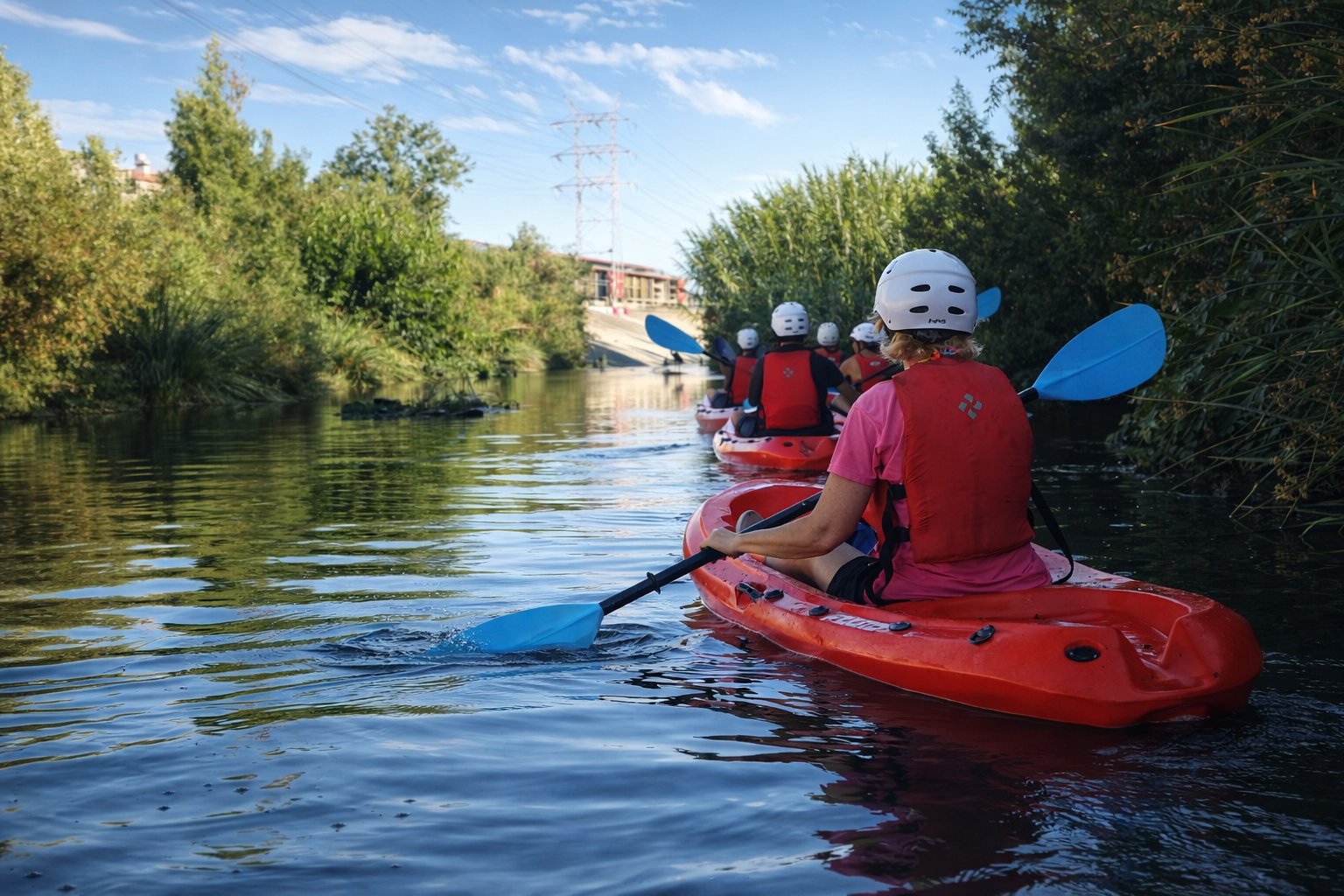
A rigid kayak strapped to a rental car roof in Portugal cost me 47 euros in unexpected fees and a heated argument with an airport shuttle driver. That was three years ago. Last month, the same trip happened with a 35-pound bag checked as regular luggage, and by noon I was paddling the Mondego River while other tourists waited for organized boat tours.
The assumption that serious paddling demands serious equipment has kept countless travelers from experiencing waterways that buses and hiking trails simply cannot reach. Inflatable kayaks have quietly evolved from pool toys into legitimate expedition gear, and the implications for spontaneous travel run deeper than most realize.
When the River Decides Your Itinerary
Traditional travel planning works backward. Flights get booked, hotels reserved, activities slotted into whatever gaps remain. Water-based exploration rarely fits this model because the best paddling conditions depend on variables no booking engine can predict: recent rainfall, seasonal water levels, local festivals that close certain stretches, wind patterns that shift by the hour.
Carrying portable kayaks fundamentally changes this equation. A traveler arriving in Ljubljana might hear from a hostel owner about perfect conditions on Lake Bohinj, pack up the next morning, and be on the water by lunch. No kayak rental reservations, no guided tour schedules, no dependency on outfitters who may or may not speak the same language.
For those researching options, finding the best inflatable kayak involves weighing factors like pack size, inflation time, and tracking ability in wind. The technology has improved dramatically since the flimsy models of a decade ago.
This flexibility proved invaluable during an unplanned detour through Slovenia’s Soča Valley. The original plan involved hiking. Then a local mentioned the river’s famous emerald color appears most vividly in early morning light, visible only from the water. Having a travel-friendly kayak in the trunk meant catching that window instead of photographing it from a bridge like everyone else.
Seasonal Windows Most Tourists Miss
Kayaking adventures shift dramatically with the calendar, and spontaneous travelers can chase optimal conditions in ways that pre-booked trips cannot accommodate.
Spring snowmelt transforms lazy streams into exciting runs. Autumn brings mirror-calm lakes and foliage that looks entirely different from water level. Even winter offers opportunities in temperate regions where tourists have vanished but waterways remain accessible.
- March through May in the Alps means glacier-fed rivers running cold but navigable, with campsites empty and locals more willing to share hidden put-in spots
- September kayaking in Scandinavia catches the northern lights reflected on still water, an experience that organized tours rarely offer
- December paddling in southern Spain’s reservoirs provides solitude impossible during summer months
The ability to respond to seasonal kayaking conditions requires gear that travels easily. Showing up in Andalusia with a hardshell strapped to the roof attracts attention, complications, and occasionally police questions about transport permits. A duffel bag attracts nothing.
What the Guidebooks Never Mention
Local knowledge transforms adequate paddling into memorable exploration, and inflatable kayaks create social opportunities that rigid boats rarely do.
Pumping up a kayak at a Croatian beach inevitably draws curious locals. These conversations have led to dinner invitations, warnings about afternoon winds, and directions to swimming holes that appear on no map. One elderly fisherman in Montenegro spent twenty minutes explaining which coves held the clearest water, information he admitted he never shared with the tour groups that arrived by bus.
Travel kayaking tips from locals consistently prove more valuable than online research. A restaurant owner in the Azores mentioned that the volcanic lake everyone photographs has a smaller, warmer sibling lake accessible only by a trail most tourists skip. The inflatable fit in a backpack for the hike in. The experience justified the entire trip.
Cultural considerations matter too. Some regions view kayaking as a foreign intrusion; others embrace it enthusiastically. Reading these dynamics requires presence and patience, qualities that spontaneous travel cultivates naturally.
The Logistics Nobody Warns You About
Traveling with lightweight kayaks sounds simple until the first airport security agent asks what that suspicious cylinder in the bag might be. Preparation prevents most complications.
Airline policies vary wildly
Some carriers treat inflatable watercraft as standard checked luggage; others classify them as sports equipment with additional fees. Calling ahead saves money and arguments.
Pump choices matter more than expected
Hand pumps work everywhere but take fifteen minutes of effort. Electric pumps need power sources that may not exist at remote launch sites. Carrying both covers all scenarios.
Repair kits earn their weight
A puncture in a remote location without patches means a ruined day. A puncture with a proper kit means a fifteen-minute delay and a story to tell later.
Packing strategy affects everything. Rolling the deflated kayak tightly, distributing accessories across multiple bags, and keeping the pump accessible for security inspections all reduce friction. After a dozen trips, the process becomes automatic. The first few attempts, however, involve learning curves and occasional frustration. (The time I forgot the foot pump in a hotel room and had to inflate a two-person kayak by mouth remains a lesson in preparation.)
A Morning in Corsica That Changed Everything
The ferry from Nice arrived at 6 AM. By 7:30, a rented Peugeot held camping gear and an inflatable kayak. By 9, the kayak floated in a cove near Bonifacio that the guidebook described as “accessible only by boat.”
The water clarity revealed fish swimming three meters below. Limestone cliffs rose on both sides. No engine noise. No other people. Just the sound of a paddle entering water that felt almost tropical despite the Mediterranean location.
This moment could not have been planned. The ferry schedule, the car availability, the weather window, the empty cove all aligned through luck and flexibility. Having versatile watercraft ready to deploy made luck actionable.
To be fair, the afternoon brought challenges. Wind picked up faster than expected. The paddle back took twice as long as the paddle out. Shoulders ached for two days afterward. These realities balance the romantic notion of spontaneous water-based travel. Not every session delivers magic.
What Actually Matters When Choosing
Three factors separate adventure kayaking gear that enhances travel from gear that complicates it:
- Pack size when deflated determines whether the kayak fits in overhead bins, checked luggage, or requires special handling
- Inflation time affects whether a quick paddle before dinner remains realistic or becomes an hour-long production
- Tracking in wind separates recreational toys from legitimate exploration tools
Price correlates loosely with quality. Some expensive models offer features irrelevant to travelers. Some mid-range options perform admirably for years. The sweet spot exists around models designed specifically for portability without sacrificing on-water performance.
The Unexpected Advantage Nobody Discusses
Rigid kayaks demand commitment. They require roof racks, storage space, and planning around their presence. Inflatable options demand nothing when not in use. They wait in closets, ready for trips that might include water or might not.
This psychological freedom changes how travelers think about destinations. A week in Bavaria becomes a potential paddling trip if the weather cooperates, a hiking trip if it doesn’t. The kayak adds options without adding obligations.
Easy transport kayaks have shifted from niche equipment to essential travel tools for anyone who values waterway access. The technology matured quietly while most travelers continued assuming that serious paddling required serious logistics.
That assumption costs experiences. Every lake passed without stopping, every river glimpsed from a bridge, every coastal town visited without exploring its waters represents a missed opportunity. The gear to change this fits in a bag smaller than most suitcases.
The Portuguese rental car argument feels distant now. So does the belief that spontaneous kayaking required either luck or compromise. Neither turned out to be true. Just better equipment and the willingness to use it.




Leave a Reply