Reaching remote destinations has always required patience. Long layovers, restrictive schedules, and unpredictable connections are often part of the process. For many travellers, the journey becomes more demanding than the destination itself. Private aviation removes that complexity, with a noticeable difference from the first trip.
Accessing Places Commercial Flights Don’t Reach
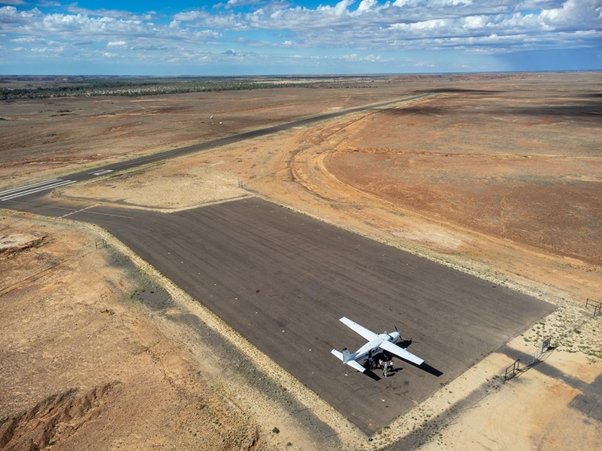
Remote destinations rarely align with commercial airline networks. A short runway in the Greek islands, an inland airstrip in Botswana, or a remote region in northern Canada often sits outside standard routes, requiring multiple connections and long transit times.
Using a private jet charter service shifts that structure. The aircraft is routed around your destination, with smaller jets and turboprops accessing regional airfields and cutting out entire segments of the journey.
Routing That Follows Your Plan
If your destination is remote, the aircraft is positioned around your itinerary, avoiding major transit hubs unless preferred. Private aircraft can fly further in one leg, landing closer to your destination and removing a stage of the journey.
They can also access smaller airfields beyond commercial routes, reducing onward travel time. Instead of long drives from major cities, you may arrive closer to your accommodation, changing how the trip begins.
Adjusting to Conditions on the Ground
Flexibility When Plans Shift
Remote travel often involves variables that are difficult to predict. Weather changes, local conditions, and limited flight frequency can all affect timing. Private aviation enables flexible departures, route changes, and alternative landings, helping avoid delays in regions with limited flight availability.
Bringing What You Actually Need
Travelling to remote areas often requires more equipment than standard trips. Camera gear, diving equipment, or field supplies can exceed airline baggage limits or need special handling.
With private aviation, luggage is coordinated in advance, offering flexibility within safety and weight limits—removing the need to ship items separately or cut back.
Where the Time Savings Really Happen
Time savings come from what’s removed. There are no long queues, crowded boarding areas, or baggage delays. Passengers arrive at a private terminal shortly before departure and proceed directly to the aircraft.
Long journeys to remote regions often feel more exhausting due to frequent interruptions. With less transit, travel fatigue is reduced. Multiple connections and airport transfers are minimised, creating a smoother journey with fewer disruptions and more time spent travelling comfortably.
Opening Up Destinations You Might Skip
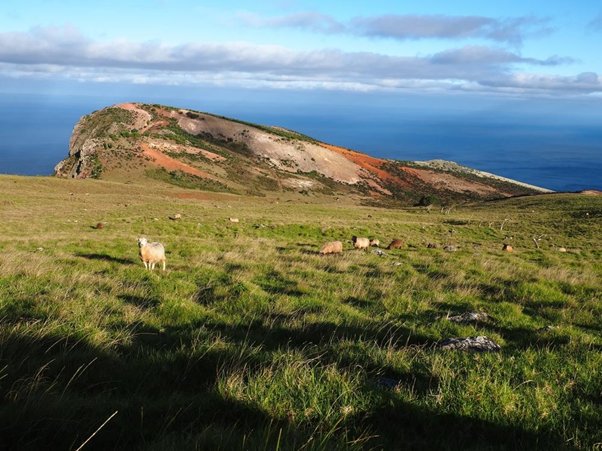
Some destinations are often overlooked simply because they are difficult to reach. Remote wine regions, isolated islands, and conservation areas may be excluded early in the planning process. When access becomes more straightforward, those destinations become viable.
A Different Way to Think About Distance
After experiencing private aviation, distance becomes easier to manage. Locations that once required complex planning fit into a more direct itinerary. Travel is no longer structured around airline limitations, following your schedule with fewer interruptions and more direct access to remote locations.





Leave a Reply