Uber or a hire car? Here is how the real costs compare once you factor in trips, distance and group size.
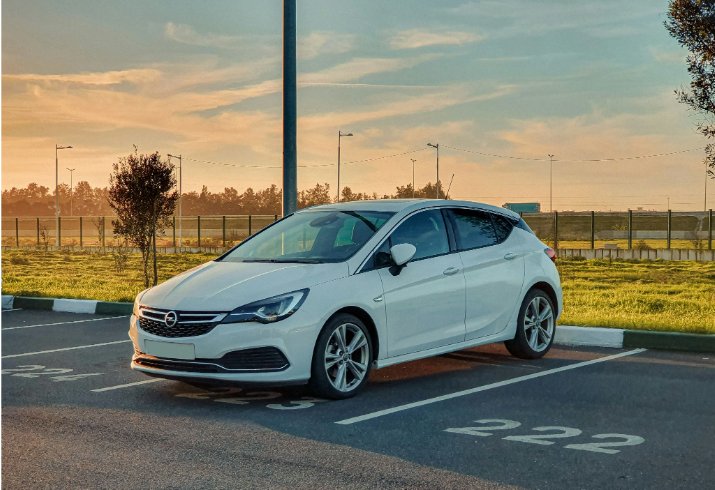
Standing at the airport wondering whether to book a hire car or just tap for a rideshare is a decision more travellers face every year, and the honest answer is that it depends entirely on how you plan to spend your trip. Choosing best car rental makes sense for some itineraries and not others, so before you commit either way, it helps to actually run the numbers rather than guess.
The Break-Even Point Is Usually Three to Five Trips a Day
Industry analysis on this exact comparison has found that ride share tends to win out if you are only taking a couple of short trips in a day, but a rental car becomes the cheaper option once you are making three or more trips, covering longer distances, or moving between several different areas. A widely cited breakdown of this exact tradeoff was published in Forbes, walking through when a rental genuinely beats calling a car every time. You can read that full cost analysis directly from Forbes. The core lesson holds up well years later: the more you move around in a single day, the more a rental car tends to win on price.
Group Size Changes the Maths Completely
A ride-share fare is priced per trip, regardless of whether one person or four are travelling, while a rental car cost is automatically split among everyone in the group. Two people sharing a rental for a week of sightseeing will almost always come out ahead of booking multiple ride shares to the same string of destinations, particularly once you add return trips into the calculation rather than just one-way fares.
Don’t Forget to Add in Parking and Fuel
A rental car quote rarely tells the whole story on its own. Fuel, parking fees at attractions or city centres, and any tolls along your route all add to the real cost of driving yourself, and these numbers vary enormously depending on where you are travelling. Ride share pricing, by contrast, is at least transparent upfront, even if surge pricing at busy times can make that transparency less comforting than it sounds.
Location Matters More Than People Expect
In cities with limited public transport and consistently high demand for ride share, hiring a car can end up meaningfully cheaper even for a single traveller doing modest distances, simply because ride share fares in those markets run high. In destinations where public transport and ride share are cheap and plentiful, a rental car may only make sense if you are heading somewhere those services don’t easily reach, such as regional towns or scenic routes outside a main city.
Know Your Rights Before You Choose a Rental
If you do decide a rental car makes more financial sense, it pays to understand exactly what you are agreeing to before signing anything. New Zealand’s official consumer protection guidance outlines what to check before hiring a car, including liability, insurance exclusions and your rights if something goes wrong with the vehicle during your rental period. You can read that full consumer guidance directly here. Knowing these details in advance avoids nasty surprises that can quietly erase any savings you thought you were getting.
Flexibility Has a Value Too, Even If It Is Hard to Price
Beyond the raw numbers, a rental car gives you the freedom to change plans on a whim, detour to somewhere that catches your eye, or leave earlier than planned without waiting on a driver to become available. Ride share, on the other hand, removes the stress of finding parking, navigating unfamiliar roads or worrying about returning a vehicle in the same condition you picked it up in. Whether that flexibility or that convenience matters more to you is a genuinely personal call that no cost calculator can fully answer.
Consider the Time Cost Too
Money is not the only currency involved in this decision. Waiting for a ride share during peak times, dealing with surge pricing, or coordinating pickup locations for a group can eat up real time that a parked rental car simply does not cost you. On the other hand, finding parking in a busy city centre or navigating unfamiliar one-way systems can just as easily eat into a day of driving yourself. Weigh the time cost honestly alongside the dollar cost, since a cheaper option that eats two extra hours a day is not always the better deal.
What About Multi-Day Trips

The comparison shifts even further in favour of a rental car when your trip spans several days rather than a single outing. A week-long rental amortises its daily rate across every single destination you visit, while ride-share costs simply keep accumulating trip after trip with no equivalent discount for volume. If your itinerary includes multiple towns or day trips outside a city centre, a rental car is almost always going to work out cheaper over the stay, before even considering the convenience of a vehicle sitting ready whenever you need it.
A Simple Way to Decide
Before your next trip, sketch out roughly how many separate trips you expect to take per day and how far apart your destinations are likely to be. If the answer is a handful of short, closely clustered trips in a dense city centre, ride-share is probably going to be the cheaper and less stressful option. If your plans involve covering real distance, visiting multiple regions, or travelling as a group of two or more, a rental car is very likely to work out cheaper once every cost is accounted for honestly.
The Bottom Line
There is no universally correct answer to the rental car versus ride share question, only the answer that fits your specific trip. Run a rough estimate before you travel rather than deciding on assumptions alone; factor in group size and total distance, not just the headline price, and you will make a genuinely informed choice instead of guessing and hoping it works out.





Leave a Reply