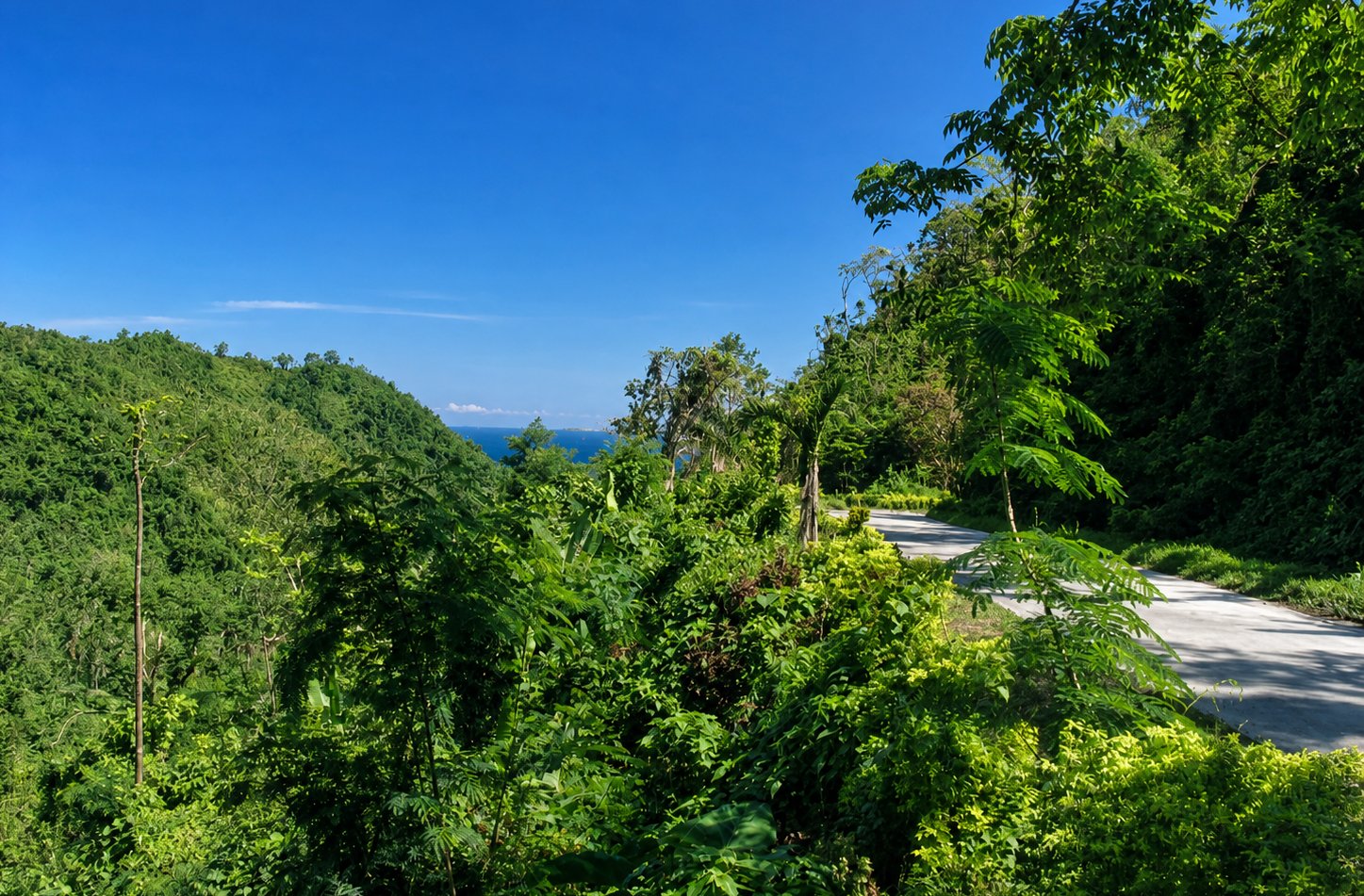
Some provinces do not need a hard sell. The moment you hear their name, you already know what kind of trip to expect. Quezon is different.
It does not always lead the usual travel conversations the way Palawan, Cebu, or Siargao do, but that is exactly part of its strength. Quezon feels broader than one headline destination. It is not boxed into one travel identity. Instead, it gives you a province that can shift depending on what kind of traveler you are, what kind of weekend you need, or what kind of story you want the trip to tell
You can come here for island time. You can come for pilgrimage. You can come for food, culture, or festival season. You can build a quiet coastal escape, a family day trip, a barkada weekend, or a more reflective route through Lucban and nearby towns. The beauty of Quezon is that it does not push you toward just one version of travel.
That is exactly why I think it deserves a much bigger place on more Philippine travel bucket lists.
If you want a broader starting point, this guide to the best Quezon Province tourist spots makes it easier to see just how much range the province really has.
Quezon feels richer than most people expect
One of the things I like about Quezon is that it does not feel one-note. Some destinations are beautiful, but you more or less know what you are getting before you even arrive. Quezon gives you more layers than that.
There are beach destinations here that feel rewarding precisely because they still require a little intention. There are towns that feel rooted in faith and local identity. There are festivals that are not just visually impressive, but culturally alive. And there is a kind of everyday provincial texture here that makes even simple trips feel fuller.
That matters more than people realize.
A destination becomes more memorable when it gives you contrast. Quezon can give you island salt and sea wind one weekend, then a pilgrimage atmosphere and local delicacies the next. It can feel quiet and remote in one area, then festive and community-centered in another. You are not locked into one version of the province, and that gives it staying power.
It is the kind of place you do not just visit once and mentally check off. It is the kind of place you come back to differently.
Its island escapes still feel like real trips
A lot of beach destinations in the Philippines are now built around speed and convenience. They are easy to sell because they are easy to consume. Quezon’s island trips often feel different. They still ask a little more from you, and in return, they feel more like actual journeys.
That is a big reason travelers keep falling for places like Cagbalete and Jomalig.
Cagbalete Island is one of those destinations that works beautifully for travelers who want a beach trip that still feels relaxed and slightly underplayed. It has enough familiarity to be accessible, but enough atmosphere to feel rewarding. It is not just about checking into a place and taking photos. It is about the open shoreline, the breeze, the tide, and the slower pacing that makes you feel like you really left the city behind. If that sounds like your kind of escape, this Cagbalete Island guide is a good place to start planning.
Then there is Jomalig Island, which feels farther, quieter, and more commitment-heavy in the best way. Jomalig has the kind of pull that appeals to travelers who want the trip itself to be part of the reward. You do not go there because it is effortless. You go because it feels different. The planning, the ferry timing, the anticipation, and the longer approach all become part of the experience. If you are deciding whether that kind of island trip fits your style, this Jomalig Island itinerary and ferry guide breaks it down well.
That is what Quezon does so well with its coastal destinations. They do not feel like mass-produced escapes. They still feel personal.
Quezon is more than a beach province
It would be easy to talk about Quezon only through its island appeal, but that would miss one of its biggest strengths. This is also a province where inland culture, spirituality, and local tradition still hold real travel value.
Lucban is one of the clearest examples of that. It gives Quezon a totally different energy from the beach side of the province. The mood shifts. The pace changes. The textures of the trip become more about town life, heritage, food, devotion, and local identity. That variety is part of what makes Quezon feel complete.
One of the most important stops in the area is Kamay ni Hesus, which continues to draw pilgrims and visitors from all over the country. It is one of those places that can be meaningful whether you come for faith, family, reflection, or simple curiosity. It also works as a strong anchor for travelers who want a more grounded mainland Quezon itinerary. If that is the kind of trip you are considering, this Kamay ni Hesus guide is worth reading.
What I like about Quezon is that it allows these very different kinds of travel to coexist naturally. A province that can offer both island silence and pilgrimage flow without feeling scattered is already doing something right.
Lucban alone gives Quezon cultural depth
If the islands show one side of Quezon, Lucban shows another.
This is where the province starts to feel even more rooted. You notice it in the local rhythm, in the food, in the visual character of the town, and especially during festival season. Lucban is not just a side trip town that happens to have a famous event. It carries its own strong identity, and that identity gives Quezon a deeper cultural dimension than many travelers expect.
That becomes even clearer during Pahiyas Festival. Pahiyas is one of those events that gets photographed endlessly, but to reduce it to just decorations would miss the point. The reason it stands out is not only because it is colorful. It stands out because it reflects a local tradition that still feels lived, celebrated, and community-driven.
For travelers who want more than the usual “take a photo and move on” festival experience, understanding the story behind it makes a big difference. This Pahiyas Festival guide is especially useful if you want to understand why the festival matters, not just when to go.
This is where Quezon starts to separate itself from provinces that are easy to visit but harder to remember. It has more than scenery. It has texture.
It works well for travelers who actually like to plan
Not every traveler wants a trip that is completely frictionless. Some of us actually enjoy the process of figuring things out — comparing routes, timing departures, deciding whether an island is worth the effort, and building an itinerary that feels intentional. Quezon is a good province for that kind of traveler.
That does not mean it is difficult. It means it is satisfying.
Its best trips are often the ones where the planning shapes the payoff. Choosing between an island trip and a Lucban itinerary. Deciding whether to go full beach mode or split the weekend between mainland and coast. Figuring out whether you want a quiet couple’s trip, a barkada route, or something more family-friendly. Quezon gives you space to travel that way.
It is also one of the easier provinces to turn into a DIY trip from Metro Manila. You do not automatically need a flight. You do not need a big-budget plan. You just need a clear sense of what kind of trip you want. That alone makes it more attractive than many travelers give it credit for.
And once you start looking closely, the province does not just give you destinations. It gives you choices.
Quezon can match different travel moods
Some weekends call for a beach and a banca ride. Some call for reflection and town food. Some call for a camera-heavy cultural itinerary. Some just call for somewhere that feels far enough from the city to reset your head a little.
Quezon can meet all of those moods.
That flexibility is a huge part of why it belongs on more travel lists. It works for couples who want a quieter provincial escape. It works for barkada groups who want to split island logistics and turn the trip into a low-key adventure. It works for families who want something more meaningful than just another mall weekend. And it works for travelers who are slowly trying to build a richer relationship with the Philippines beyond the most obvious destinations.
Even better, Quezon does not force those travel moods to compete. You do not have to choose between “nature trip” and “cultural trip” forever. You can do one now and return for the other later.
That kind of return value is rare. And it is one of the best reasons to take the province seriously.
It still feels underrated in the best way
Quezon is not exactly unknown, but it still feels underrated compared to what it actually offers. Maybe that is because its appeal is spread out instead of concentrated in one blockbuster attraction. Maybe that is because travelers still tend to associate it with one specific stop rather than the whole province. Either way, it remains one of those places that tends to exceed expectations once you approach it properly.
And honestly, that is one of the most enjoyable kinds of destination.
It is nice to arrive somewhere that has not been flattened by hype. It is nice to explore a province that can still surprise you a little. It is nice to realize that a place you may have once thought of as a “maybe later” destination actually holds one of the most versatile travel lineups in the country.
That is the kind of realization Quezon can give.
Why it deserves a bigger place on your list
If I had to put it simply, Quezon deserves a bigger place on your Philippine travel bucket list because it gives you range without losing character.
It can give you island escapes that still feel personal. It can give you pilgrimage destinations that matter to real people, not just guidebook checklists. It can give you festivals with actual cultural weight, not just visual appeal. It can give you a province that feels flexible enough for different kinds of travelers while still feeling distinctly itself.
That is not easy to pull off.
So if Quezon has been sitting in the background of your travel plans for a while, it may be time to move it forward. Not because it is trendy, but because it is genuinely one of the more rewarding provinces to explore when you want variety, depth, and a trip that feels like more than one thing.
Related posts:
 “Hiko in Tonga” – A Vanishing Culture of Women Jugglers in Tonga – Interview with Paprika Leaverton, Filmmaker, Professional Juggler and Entertainment Performer
 Backpacking Across the Island of Malta, Gozo and Comino
 Pangasinan: Western Luzon’s Hidden Gem
 An Island Beach Where Three Could be a Crowd
 A Remington and a Volvo
Leave a Reply