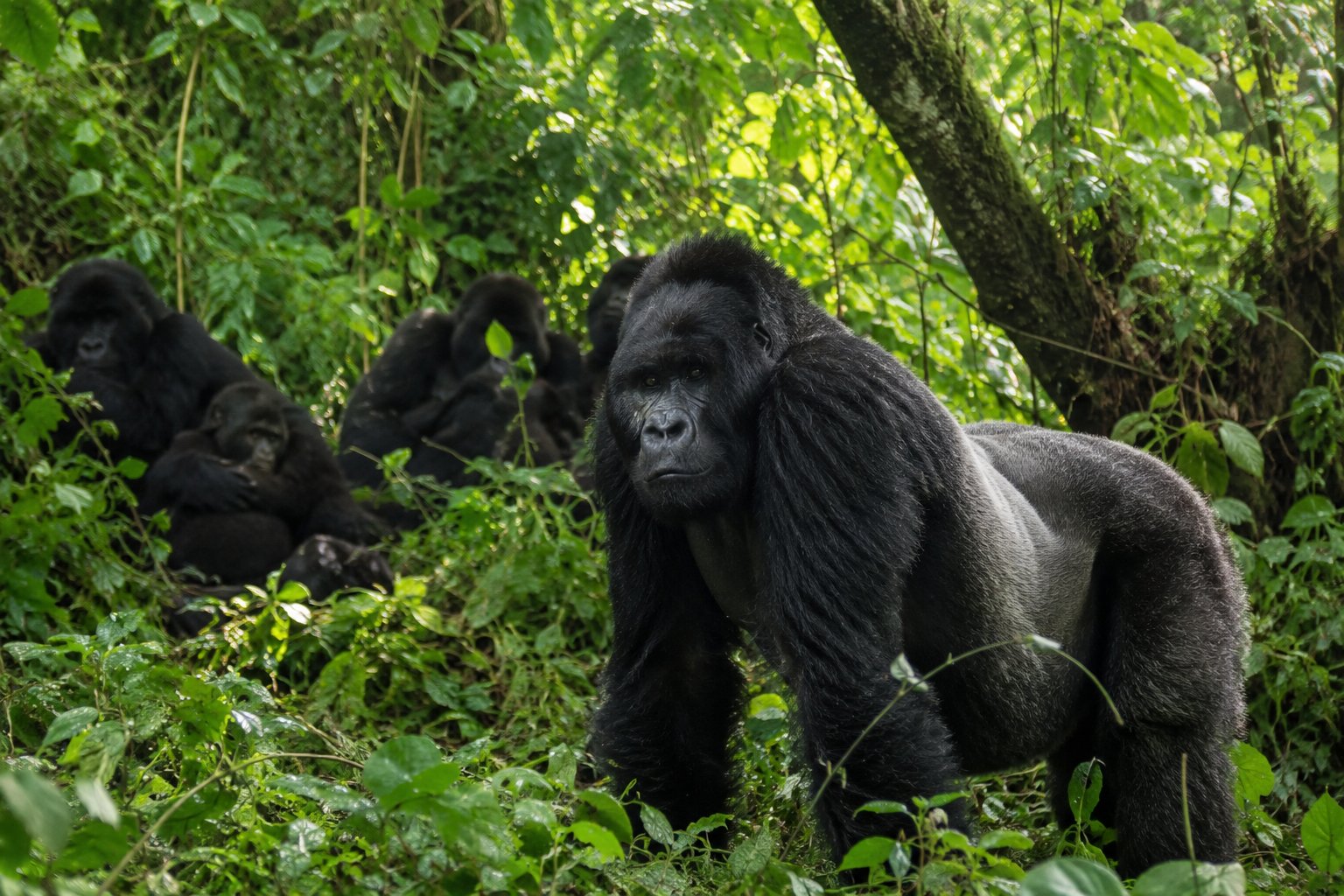
Uganda has a reputation that precedes it, and that reputation is built almost entirely on one animal. The mountain gorilla is without question one of the most extraordinary wildlife encounters available anywhere on earth, and the opportunity to spend time in the presence of these remarkable primates in their natural forest habitat draws travelers from across the globe to this small, landlocked East African nation. Yet to visit Uganda solely for its gorillas is to miss a wildlife destination of genuinely exceptional breadth and diversity. For travelers ready to discover Uganda safaris in their fullest sense, this guide explores everything the country has to offer beyond its most famous residents.
Chimpanzees: Uganda’s Other Great Ape
Uganda is one of the best places in the world to encounter chimpanzees in their natural habitat, and Kibale National Park in the west of the country is the premier destination for this experience. Home to the highest density of primates of any forest in Africa, Kibale supports a population of over 1,500 chimpanzees, a significant proportion of which have been habituated to human presence and can be tracked on guided forest walks.
Chimpanzee trekking in Kibale is a very different experience from gorilla trekking in Bwindi. Chimpanzees are highly mobile, vocal, and energetic animals that move quickly through the forest canopy, and following a habituated community requires alertness and a willingness to move at pace through sometimes dense vegetation. The reward is an encounter with animals whose intelligence and expressiveness feel startlingly familiar, and whose social interactions are endlessly fascinating to observe. Beyond Kibale, chimpanzees can also be tracked in Budongo Forest within Murchison Falls National Park and in Kyambura Gorge in Queen Elizabeth National Park, offering additional opportunities across different regions of the country.
The Tree-Climbing Lions of Queen Elizabeth National Park
Queen Elizabeth National Park is Uganda’s most visited protected area, and it is home to one of the country’s most unusual wildlife phenomena. In the Ishasha sector of the park, in the far south along the border with the Democratic Republic of Congo, a population of lions has developed the remarkable habit of climbing trees and resting in their branches during the heat of the day. This behavior, observed in only a handful of locations worldwide, makes the Ishasha lions one of Uganda’s most sought-after wildlife sightings.
Beyond its famous lions, Queen Elizabeth National Park supports a wide and impressive range of wildlife. Elephants are frequently encountered in large numbers, particularly along the Kasenyi plains, where herds gather in the early morning and late afternoon. Cape buffalo, Uganda kob, waterbuck, and warthogs are common throughout the park, while the Kazinga Channel, a natural waterway connecting Lake Edward and Lake George, offers boat safaris that bring visitors into close proximity with enormous pods of hippos, Nile crocodiles, and a dazzling variety of waterbirds.
Elephants, Buffalos and Plains Game in Uganda’s Savanna Parks
While Uganda is primarily associated with forest wildlife, the country’s savanna parks support populations of large mammals that rival those found in better-known East African destinations. Murchison Falls National Park in the north is home to one of Uganda’s largest elephant populations, and game drives on the northern bank of the Victoria Nile deliver sightings of these animals alongside giraffes, buffalos, oribi, and Jackson’s hartebeest in an open landscape that lends itself well to traditional safari game viewing.
Kidepo Valley National Park, located in the remote northeast of the country near the borders with South Sudan and Ethiopia, is widely regarded as one of Uganda’s most spectacular and undervisited wildlife areas. The park’s open valley floors and surrounding mountains create a landscape of dramatic beauty, and the wildlife includes lions, cheetahs, leopards, elephants, buffalos, and a variety of species found nowhere else in Uganda, including the caracal and the bat-eared fox. For travelers willing to make the journey to this remote corner of the country, Kidepo offers a safari experience of exceptional quality in a setting of genuine wilderness.
Uganda’s Extraordinary Birdlife: A Paradise for Birders
Uganda is one of Africa’s premier birding destinations, a fact that is frequently overshadowed by the country’s primate credentials but is of enormous significance to dedicated birders. With over 1,060 recorded bird species, Uganda holds more bird species than any other country of comparable size on the continent, and its diversity of habitats from tropical rainforest to open savanna and highland moorland means that an extraordinary range of species can be encountered within a relatively compact area.
Bwindi Impenetrable Forest alone supports over 350 bird species, including 23 Albertine Rift endemics that are found only in this narrow band of mountains straddling the borders of Uganda, Rwanda, and the Democratic Republic of Congo. Queen Elizabeth National Park is another outstanding birding destination, with the Kazinga Channel and surrounding wetlands attracting large numbers of waterbirds including the African skimmer, pink-backed pelican, and the remarkable shoebill stork. The shoebill, a prehistoric-looking bird of considerable size and unmistakable appearance, is one of Africa’s most sought-after species and can be reliably seen in Uganda’s papyrus swamps, particularly around Lake Victoria and Mabamba Swamp near Kampala.
Aquatic Wildlife: Hippos, Crocodiles and the Nile
Uganda’s network of rivers, lakes, and wetlands supports a rich community of aquatic wildlife that adds a further dimension to the country’s safari offering. The Victoria Nile, which flows through Murchison Falls National Park before emptying into Lake Albert, is home to one of the largest concentrations of Nile crocodiles in East Africa, as well as large numbers of hippos that congregate in the calmer stretches of the river below the falls.
A boat safari on the Nile from Paraa to the base of Murchison Falls is one of the most rewarding wildlife experiences in Uganda, combining close encounters with crocodiles and hippos with outstanding birdwatching and the dramatic spectacle of the falls themselves as a backdrop. Lake Edward and Lake George within Queen Elizabeth National Park similarly support large populations of hippos and crocodiles, and the boat cruise along the Kazinga Channel between these two lakes is consistently rated as one of the highlights of any visit to the park.
The Smaller Species Worth Looking Out for on a Uganda Safari
Uganda’s wildlife extends well beyond its headline species, and attentive observers will find that the country’s forests, grasslands, and wetlands are alive with smaller animals that reward careful observation. Golden monkeys, found in the bamboo forests of Mgahinga Gorilla National Park, are among the most visually striking of Uganda’s primates, their vivid orange and black coloring making them instantly recognizable. Red-tailed monkeys, black and white colobus, and grey-cheeked mangabeys are among the other primate species regularly encountered on forest walks in Kibale and Bwindi.
Reptile enthusiasts will find plenty to capture their attention, from the monitor lizards that bask along riverbanks to the chameleons that move through forest undergrowth with their characteristic deliberate gait. Uganda’s butterfly fauna is equally impressive, with hundreds of species recorded across the country’s forest habitats, adding a colorful and often overlooked dimension to the wildlife experience.
How to Build a Uganda Wildlife Itinerary That Goes Beyond the Gorillas
Constructing a Uganda safari itinerary that does justice to the country’s full wildlife offering requires a degree of planning, as the key destinations are spread across a large and geographically varied country. A well-rounded itinerary of ten to fourteen days might combine gorilla trekking in Bwindi with chimpanzee tracking in Kibale, a game drive and boat safari in Queen Elizabeth National Park, and a visit to Murchison Falls for elephants, giraffes, and the dramatic Nile scenery.
For travelers with more time, adding Kidepo Valley National Park in the northeast or a birding excursion to Mabamba Swamp near Kampala provides experiences that few other visitors to Uganda will have shared. The country rewards those who look beyond its most famous attraction, and the travelers who take the time to explore its full range of ecosystems and wildlife invariably leave with a richer, more layered appreciation of what makes Uganda one of Africa’s most compelling and underrated safari destinations.




Leave a Reply