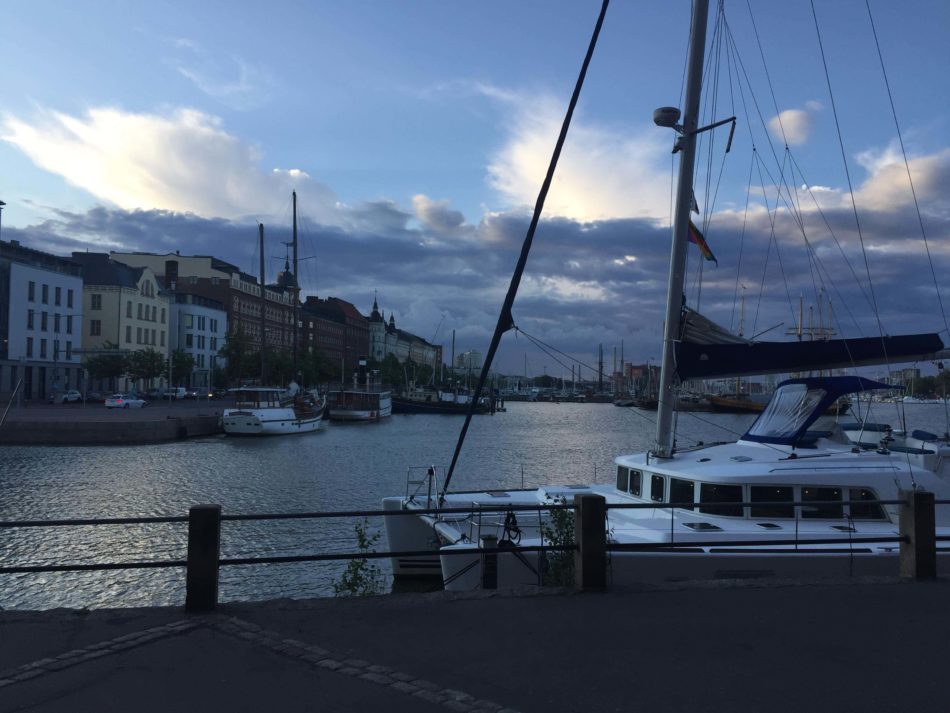
Helsinki is not a cheap European city, but its reputation for being extremely expensive can be misleading. For travelers used to major cities in Western or Northern Europe, many everyday prices will feel fairly familiar, while accommodation, restaurant meals, drinks and several paid attractions can push the total higher.
I would focus less on finding the cheapest possible options and more on knowing which expenses are worth paying for and which are easy to reduce. Helsinki’s compact center, reliable public transportation and many free sights make that easier than it might seem.
For a broader look at the city beyond prices, Dave’s Travel Corner’s Helsinki guide covers many of the experiences first-time visitors may want to consider.
Is Helsinki Actually Expensive?
The short answer is yes, but not across the board. Some costs are similar to other expensive European capitals, while food, drinks and certain services can feel noticeably higher.
Accommodation is usually the biggest variable, followed by eating out and paid attractions. Transportation is easier to control, especially because much of central Helsinki can be explored on foot.
For a first visit, the useful question is not simply “Is Helsinki expensive?” but how much a realistic day actually costs. That is where the differences become much clearer.
What Does a Normal Day in Helsinki Cost?
Prices in this article are based on rates available in August 2026. They can change, so it is worth checking current prices before your trip.
For a first-time visitor, I think the easiest way to understand Helsinki prices is to turn them into a normal day rather than look at long lists of individual costs.
A fairly comfortable day might look something like this:
- Breakfast and coffee: €7–10
- Casual lunch: €13–19
- Public transportation for the day: about €10
- One paid attraction or museum: around €15–20
- Coffee or a small snack: €5–7
- Dinner: €20–30
That puts a typical day at roughly €70–95 before accommodation, without trying to be especially frugal or spending freely.
The total can drop considerably if you walk more, choose free attractions or pick up breakfast from a supermarket. On the other hand, adding drinks, several paid attractions or a more expensive dinner can push the same day well above €100.
Food and Drink: Small Choices Add Up
Food is one of the areas where Helsinki can start to feel expensive, especially if every meal is eaten in a sit-down restaurant. Lunch is usually the easier meal to manage. Many restaurants offer weekday lunch menus in roughly the €13–19 range, often making them better value than ordering from the regular evening menu.
Coffee is more predictable. A basic filter coffee or Americano is commonly around €3–4.50, while specialty coffees cost more.
I would not try to save money at every meal. A better approach is to decide where you actually want to spend. If dinner is important, keep breakfast simple and take advantage of a good-value lunch. If food is a major part of the trip, do the opposite and save elsewhere.
A few small decisions across three meals can easily make a €20–30 difference by the end of the day.
Getting Around Is One of the Easier Costs to Control
Transportation is one of the more predictable parts of a Helsinki budget. The center is walkable, so you may not need public transportation nearly as often as you expect.
- AB single ticket: €3.30
- AB 1-day ticket: €10.60
- ABC single ticket, including the airport: €4.50
- ABC 1-day ticket, including the airport: €12.80
Current HSL fares make the choice fairly simple: if you expect to make four or more AB journeys in one day, the €10.60 day ticket can already cost less than buying singles separately. An ABC ticket covers the airport-to-center journey by train.
For a first visit, I would walk whenever the next stop is reasonably close and save public transportation for longer jumps. There is little reason to spend heavily on getting around central Helsinki.
Paid Attractions Can Change the Budget Quickly
Paid attractions are one of the easiest costs to underestimate in Helsinki. One museum ticket may not look expensive on its own, but several paid stops in the same day can quickly add €40–60 or more to your budget.
- Ateneum: €21
- Kiasma: €21
- Amos Rex: €20
- HAM Helsinki Art Museum: €20
- Temppeliaukio Church: €8
- Military Museum in Suomenlinna: €10
- Seurasaari Open-Air Museum: €13
I would make a short list of the paid places you genuinely want to visit before arriving. If two attractions are equally important to you, compare the admission prices, check for free-entry days, and choose the option that fits the rest of your day better.
Free-entry dates can make a noticeable difference too. HAM, for example, offers free admission on the last Friday of each month, while Kiasma also has selected free-admission Fridays.
If museums and paid attractions are an important part of your itinerary, the Helsinki Card can also be worth comparing before buying individual tickets.
Admission to many participating museums and attractions is included, while the CITY version also includes unlimited public transportation in zones AB and the REGION version in zones ABC, including the airport.
Accommodation Is the Biggest Variable
Accommodation can change the total cost of a Helsinki trip more than almost anything else. A room can range roughly from €70 to €240 per night, depending on the type of stay, location and dates.
I would compare more than the room rate:
- Location: Staying a little outside the immediate center can save money without making sightseeing difficult if you are close to a tram, metro or train.
- Breakfast: A hotel rate that includes breakfast can be better value than a slightly cheaper room once daily food costs are added.
- Convenience: Paying extra just to be a few blocks closer to the center is not always necessary in a city this compact.
Where It Is Easy to Overspend
Most unnecessary spending in Helsinki comes from several small decisions rather than one huge expense.
- Taking a taxi when you do not really need one: The airport train and local transportation cover many common journeys efficiently.
- Buying single tickets throughout the day: If you expect several rides, compare the cost with a day ticket first.
- Visiting every paid attraction on your list: Choose the museums and sights you care about most, then mix them with free parks, waterfront walks and public spaces.
- Eating every meal in a full-service restaurant: A weekday lunch, supermarket breakfast or simple café stop can leave more room in the budget for a dinner you actually want to remember.
- Paying a large location premium for accommodation: Helsinki is compact enough that a well-connected neighborhood can often work just as well as the most central address. Hakaniemi and Töölö are two good examples of well-connected neighborhoods that can be worth comparing with the city center.
None of these choices will transform Helsinki into a cheap destination, but together they can make a noticeable difference over three or four days.
So, How Much Should You Budget?
I would keep accommodation separate when planning, because room prices vary so much. For the rest of the day, a useful starting point is:
- Careful spending: around €50–70 before accommodation
- Comfortable sightseeing: around €70–95 before accommodation
- More flexible spending: €100+ before accommodation
Then add your hotel or other accommodation on top.
A traveler who walks frequently, chooses one paid attraction and keeps one or two meals simple can stay near the lower end.
For German-speaking travelers, this more detailed cost guide includes additional examples for accommodation, food, transportation and sightseeing.
Helsinki is expensive enough that it pays to plan, but you do not need to build the entire trip around saving money. Decide what matters most to you, spend there, and keep the easier costs under control.




Leave a Reply