 Chris Guillebeau is an American author, traveler, and entrepreneur best known for visiting every country in the world and writing best selling books like the $100 Startup and The Art of Non-Conformity.
Q. You set the goal of visiting all 193 countries and you did it before 35. Was this mission your way of challenging the status quo and living a life of non-conformity?
Not at first. Looking back, it became a kind of statement, but that wasn’t the intention. I did about half of the countries before social media existed and even before I had a blog, so there was no audience and no narrative to share. It started as a personal challenge: I have this crazy idea, and I’ll regret it forever if I don’t try.
There was no manifesto behind it and I wasn’t trying to build a brand. I was just following a curiosity that grew into something much bigger.
Q. How did you make sure you were really experiencing each country, and not just rushing through it?
This is something I thought about constantly. In many places—West Africa, Southeast Asia, parts of the Middle East—I spent weeks or months. I lived in Sierra Leone and Liberia for more than a year each, and those experiences shaped the way I see the world.
But there were also countries where I only had a few days. I never claimed to be an expert on every place; that would be impossible. What I do believe is that meaningful experience isn’t determined by the calendar. A short trip can still be powerful if you are present, curious, and intentional. Even small encounters—a conversation in a market, an unexpected kindness, a journey on a way-too-crowded bus—can change you.
Plus, I told myself: if I like somewhere, I can always go back! And that’s what I’ve done for the past 10+ years now that the goal is complete: I keep revisiting places.
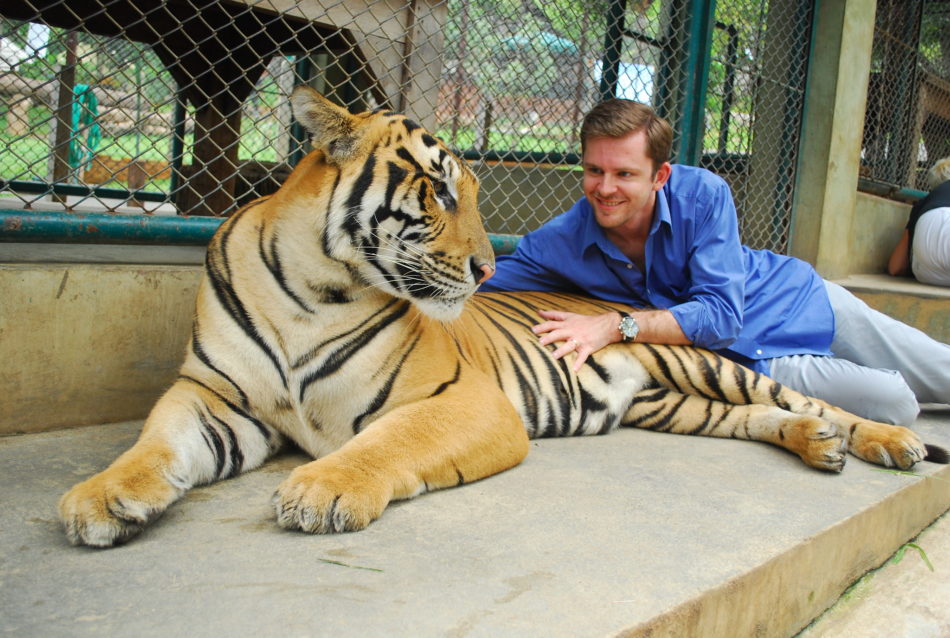 Q. If you had to choose just one country that changed you the most, which would it be—and how?
It’s hard to choose “the most,” but Macedonia (now officially North Macedonia) holds a special place for me. I went to Lake Ohrid on a whim and ended up staying longer because it felt almost mythic: ancient churches, clear water, old stone paths, and a deep sense of calm that I didn’t often feel. (I tend to be an anxious person.)
From there I traveled overland to Kosovo, which at the time felt very raw and in transition. Crossing that border by bus—moving from the serenity of Ohrid to a place still rebuilding itself—made me think a lot about resilience. It was one of those trips where the geography and the emotional landscape line up in a way you don’t forget.
This is also a country I haven’t returned to, and would like to.
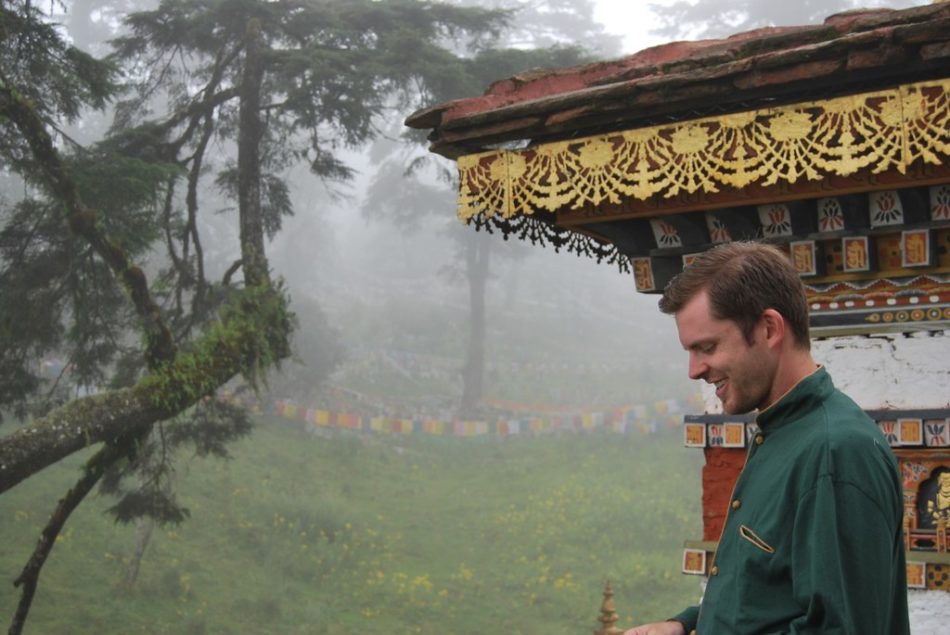 Q. Looking back, if you could do the whole journey over again, what would you do differently?
I’m sure I would do it differently, but I’m also glad I don’t have to. I’m kind of happy with how it worked out, even with many mistakes and travel disasters along the way! I imagine the readers of this blog can relate in some way. 🙂
The imperfections shape the experience just as much as the highlights.
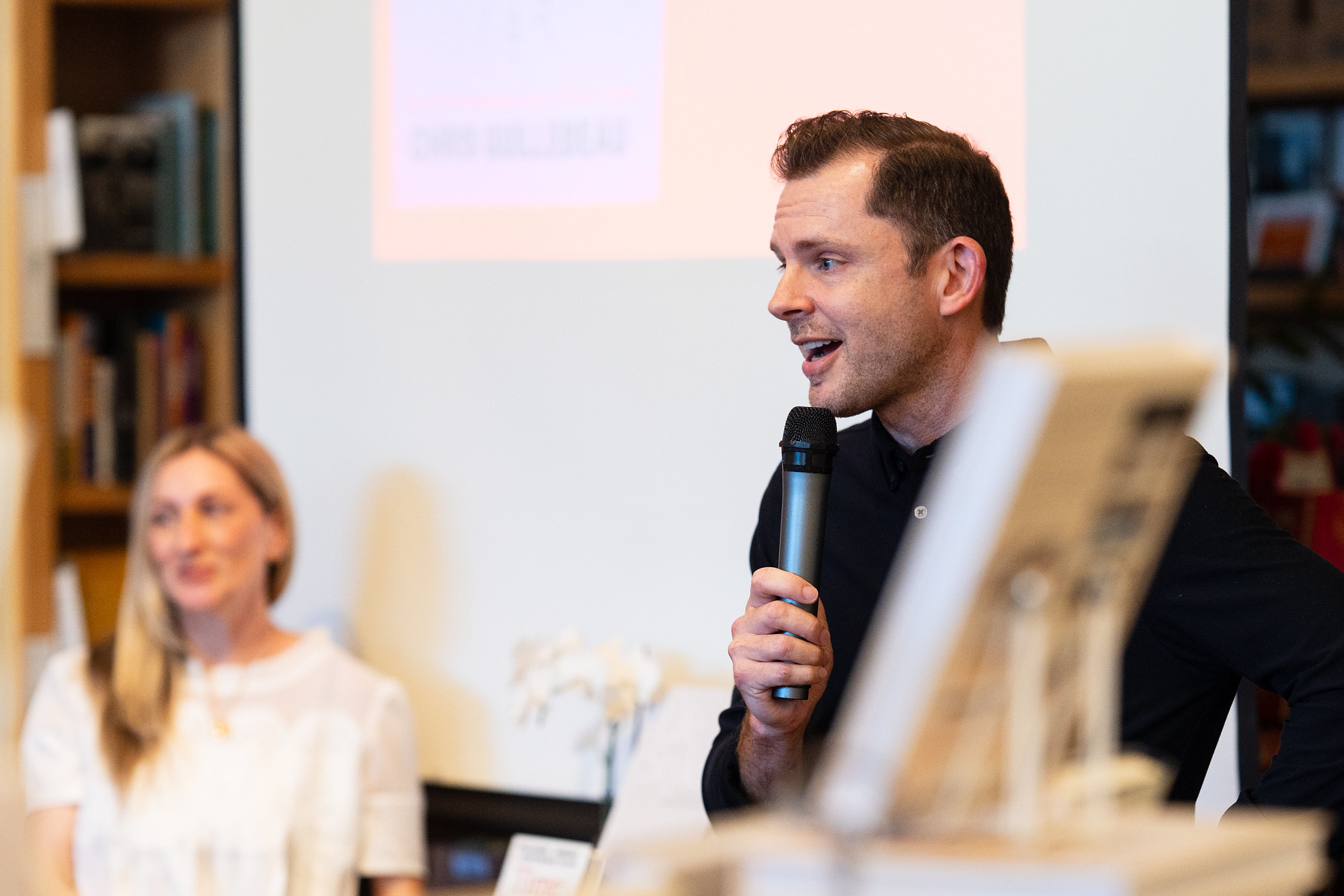
Q. You often talk about non-conformity, choosing your own way instead of following the script handed to you. How can people figure out their true calling when they don’t know what options they have?
Well, travel is a great start! Travel is one of the best ways to disrupt your assumptions. It doesn’t have to be a round-the-world trek; even going somewhere new for a weekend can shake loose the idea that life has to follow a single formula.
But beyond travel, it comes down to asking yourself a simple question: What do I really want? Most people don’t spend much time with that. They think about what’s expected of them, what seems practical, or what they think they’re “supposed” to want. When you start interrogating your actual desires—not the ones you inherited—you’ll uncover new ideas and possibilities.
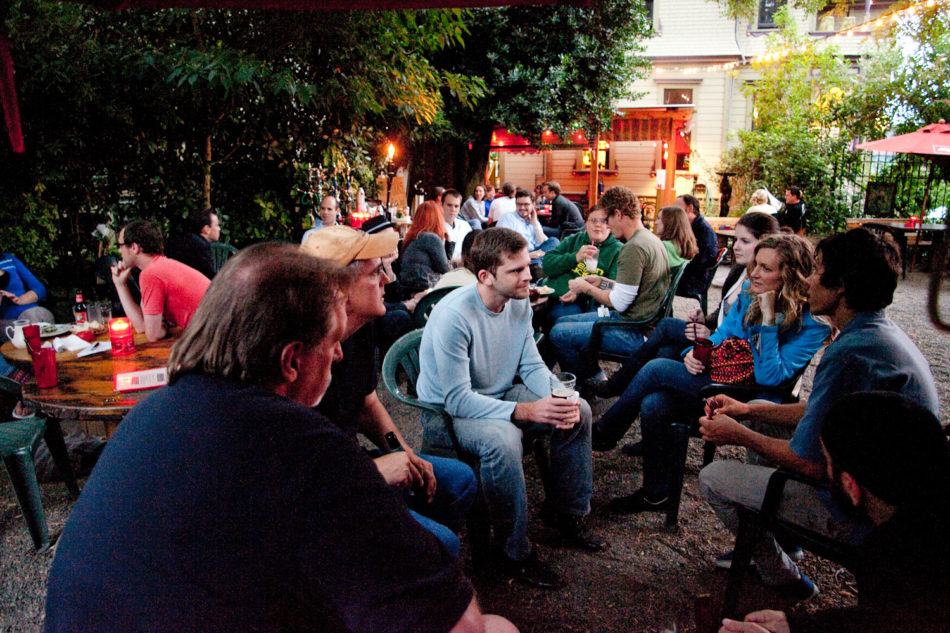 Q. Living unconventionally comes with a price people don’t often talk about. Has the way you think about non‑conformity changed over time?
A little. The core message is the same, but the framing has evolved. From the beginning I tried to pair adventure with service: pursue your dreams, yes—and also make things better for others. That combination still feels important.
I also used to talk more about “freedom.” I still care about that value, but the language has been co-opted in some unfortunate ways by far-right political movements. So I’m more careful with words now. I haven’t changed my beliefs; I’ve just adjusted how I communicate them.
Q. What is one rule you think everyone should break at least once in their life?
“Never change your mind.” You should change your mind as you get older, learn new things, and have different experiences.
If new information comes along—or if you simply discover that the old path no longer fits—you’re allowed to change. In fact, you probably should.
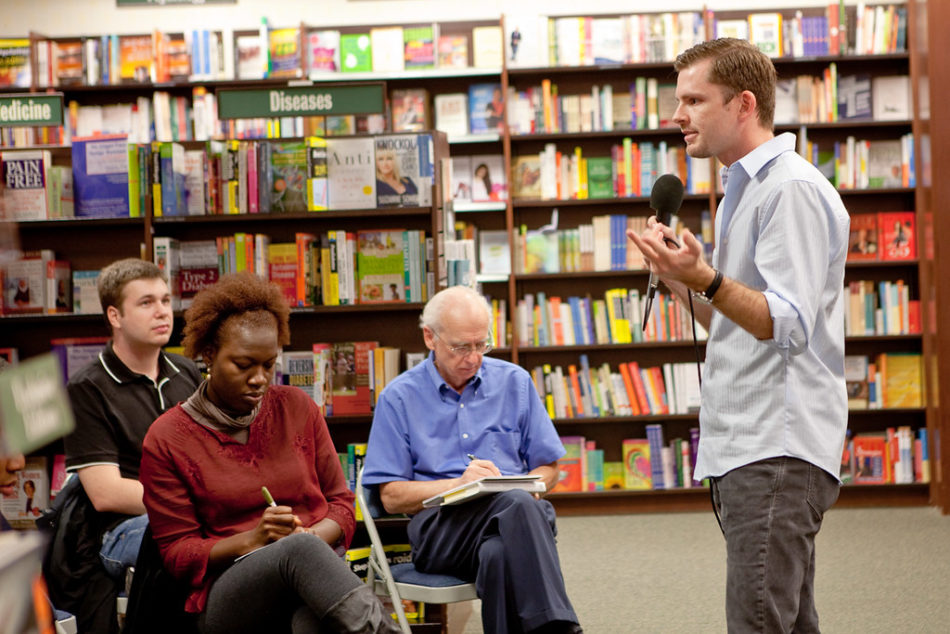 Q. “The $100 Startup” came out in 2012. It has been 13 years. How do you see those ideas holding up, and what would you add or change if you were writing it now?
I think the core ideas hold up better than I could have hoped. I wrote the book to be evergreen, emphasizing simple business models, quick validation, and offering value to real customers. Those principles aren’t going anywhere.
Of course, the landscape has changed—social media looks different, distribution looks different, and now we have AI.
On that last note, I’d probably add a chapter encouraging people to use AI cautiously and strategically. AI models can be powerful tools, but not as a replacement for creative design. Human insight, taste, and design still matter far more than automated output.
 Q. Your message to our readers?
You don’t have to live your life the way other people expect. You can do good things for yourself and for others—it’s not a false choice.
Also, whenever you’re feeling stuck on something, my four-word life motto might be helpful: there is another way.
All photographs credit: Chris Guillebeau





thanks for sharing!!