Most visitors to Japan follow a well-worn path: Tokyo, Kyoto, Osaka, maybe a day trip to Nara. And for good reason — those cities are extraordinary. But across the Seto Inland Sea, on the southern coast of Shikoku island, sits a prefecture that barely registers on most travel itineraries: Kochi.
That’s exactly what makes it worth visiting.
Kochi Prefecture occupies the entire Pacific-facing coast of Shikoku, Japan’s smallest main island. It has no bullet train and no major international gateway. No Instagram-famous shrine gates. What it does have is some of the most dramatic coastline in Japan, a river so clean it earned the title “last clear stream,” and the kind of unhurried atmosphere that the mainland lost decades ago.
I spent several days driving through Kochi and came away convinced that this is where you go when you want to experience the Japan that existed before mass tourism reshaped it.
## Cape Ashizuri: Where the Pacific Meets the Cliffs
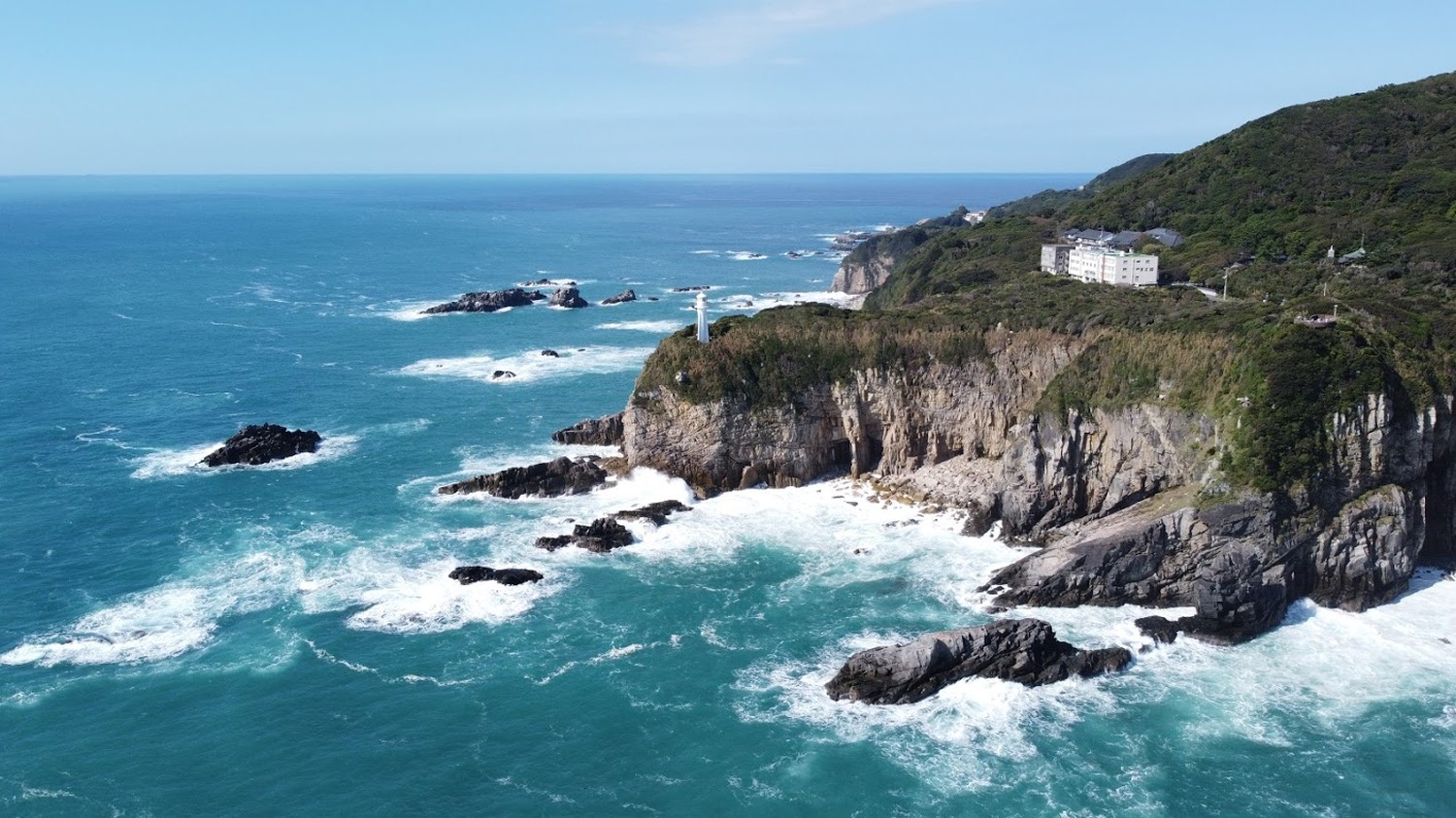
Cape Ashizuri, the southernmost point of Shikoku, where Pacific waves crash against ancient sea cliffs.
The first thing that strikes you about Kochi’s coast is how raw it is. There are no guardrails prettifying the views, no souvenir shops crowding the clifftops. At Cape Ashizuri — the southernmost point of Shikoku — jagged rock formations drop straight into turquoise water, with waves exploding against the base of cliffs that have been carved by the Pacific for millennia.
A white lighthouse stands near the tip of the cape, built in 1914 and still operational. You can walk out along the cape’s hiking trails and, on a clear day, see nothing but open ocean stretching toward the horizon. It’s the kind of place that reminds you how small you are — something Japan’s crowded cities rarely offer.
Cape Ashizuri is also the 38th temple on the Shikoku 88 Temple Pilgrimage, a 1,200-kilometer walking route that circles the entire island. Even if you’re not doing the full pilgrimage, you’ll encounter white-clad walkers along the roads, some of whom have been walking for weeks. There’s a quiet respect between pilgrims and locals here that adds an almost spiritual layer to the landscape.
## The Shimanto River: Japan’s Last Clear Stream
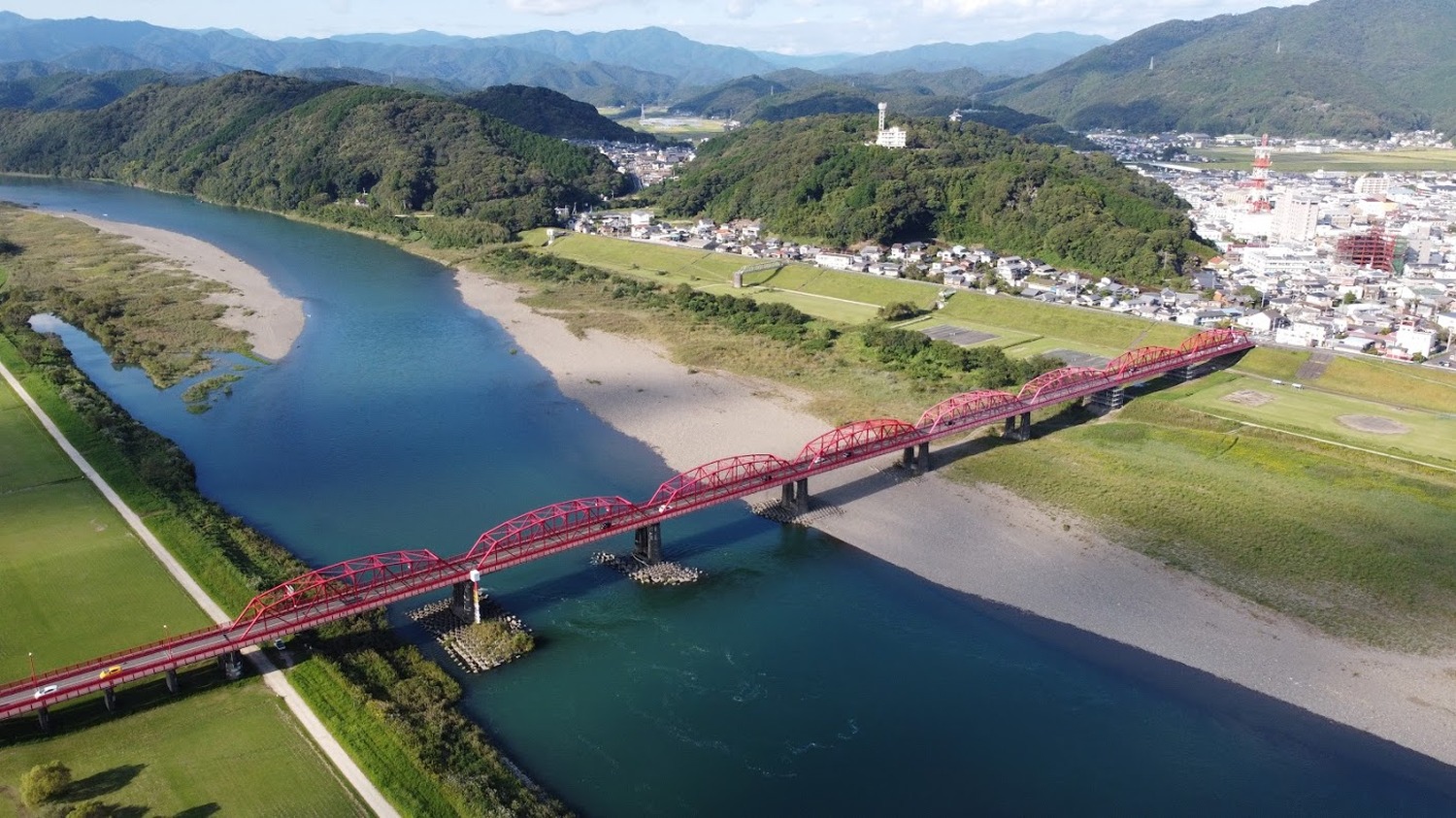
The Shimanto River, often called Japan’s last clear stream, winds through forested valleys in western Kochi.
About two hours north of Cape Ashizuri, the Shimanto River winds through a valley of forested mountains and small farming towns. It’s often described as Japan’s “last clear stream,” and when you see it from above — the deep blue water curving around white sandbars, bordered by green fields — you understand why.
What makes the Shimanto special isn’t just the water quality. It’s the fact that the river has no major dam along its 196-kilometer length, making it one of the last free-flowing rivers in the country. The result is a living ecosystem where you can still see sweetfish darting through the shallows and wildlife that thrives in clean, free-flowing water.
The most iconic features of the Shimanto are its chinkabashi — submersible bridges built low and without railings so that floodwaters can pass over them rather than destroying them. Crossing one on foot, with the current rushing just below your shoes, is one of those small thrills that no theme park can replicate.
For visitors, the river offers kayaking, cycling along the riverside paths, and trying seasonal ayu (sweetfish) dishes in the riverside towns — grilled whole over charcoal, it’s one of those simple local flavors you won’t forget.
## Beaches Without the Crowds
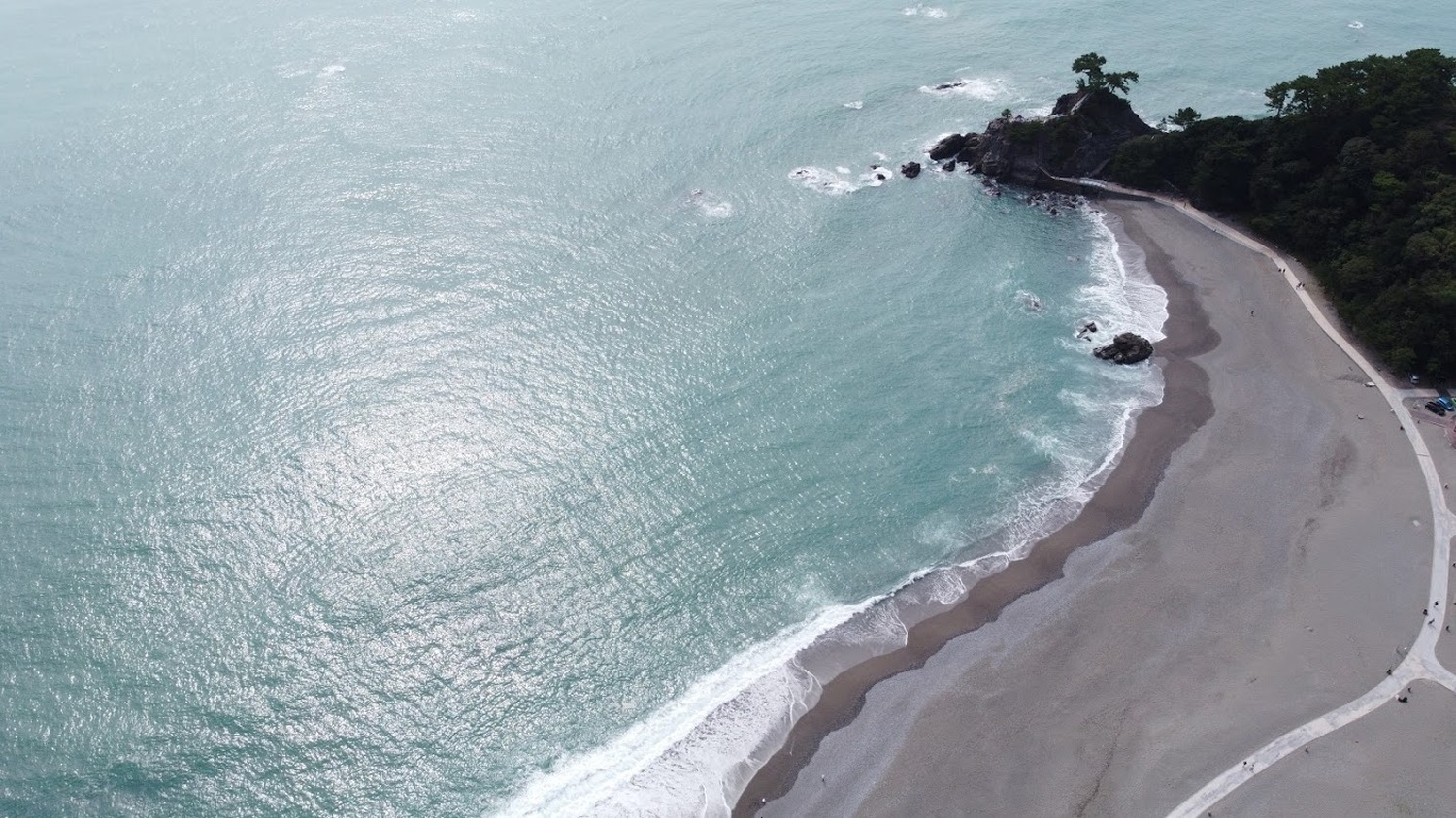
One of Kochi’s many quiet beaches facing the open Pacific — often shared with only a handful of surfers.
Kochi has a long Pacific coastline, and much of it is made up of quiet beaches that would be packed with tourists if they were anywhere near Tokyo or Osaka. Instead, you’ll often find yourself sharing a crescent of sand with a handful of surfers and a few local families.
The beaches here face the open Pacific rather than the sheltered Inland Sea, which means bigger waves, wider horizons, and water that shifts between deep blue and bright turquoise depending on the weather. Surfing is a serious draw — Ikumi Beach and Irino Beach are popular with Japanese surfers who make the trip specifically for the consistent swells.
But you don’t need to surf to appreciate these beaches. Walking along the shore in the late afternoon, watching fishing boats return to the small harbors that dot the coast, is one of the simplest and best experiences Kochi offers.
## Stargazing Under the Milky Way
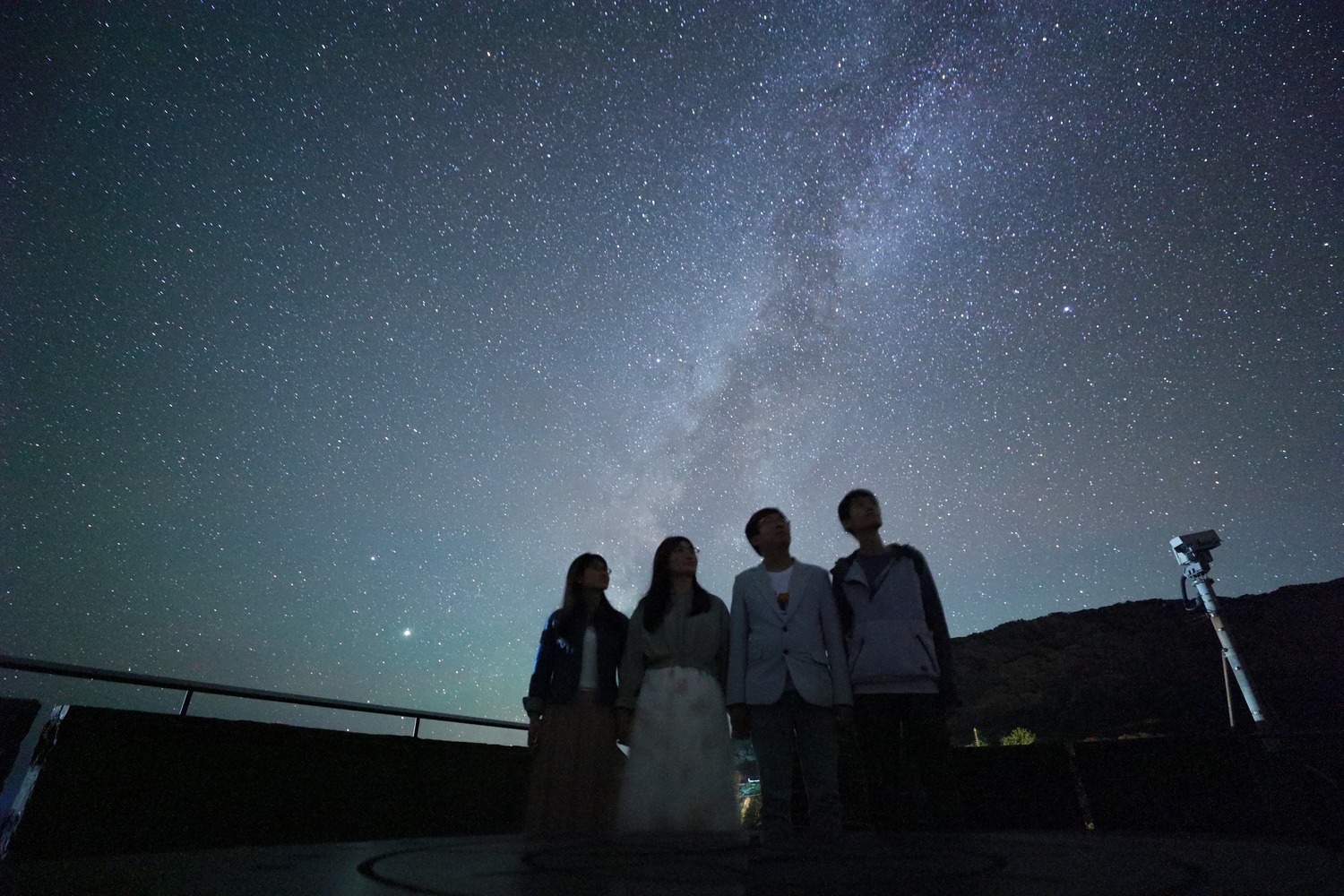
Far from city lights, rural Kochi offers some of the clearest night skies in Japan.
One advantage of Kochi’s remoteness is the darkness. Without the light pollution that blankets most of Japan’s populated areas, the night sky here is genuinely spectacular.
On a clear night, the Milky Way is visible to the naked eye — a thick band of stars stretching from horizon to horizon. Thanks to the low light pollution, some areas in Kochi offer genuinely spectacular stargazing, and a few ryokan and guesthouses even arrange nighttime viewing sessions for guests.
Standing on an observation deck in the mountains behind the coast, watching the stars appear one by one as the last light fades, felt like a different country entirely from the neon-lit streets of Tokyo that I’d left just a day earlier. If you’ve ever wondered what the Japanese sky looks like without the glow of civilization, Kochi is where you find out.
## Sleeping on Tatami: The Ryokan Experience
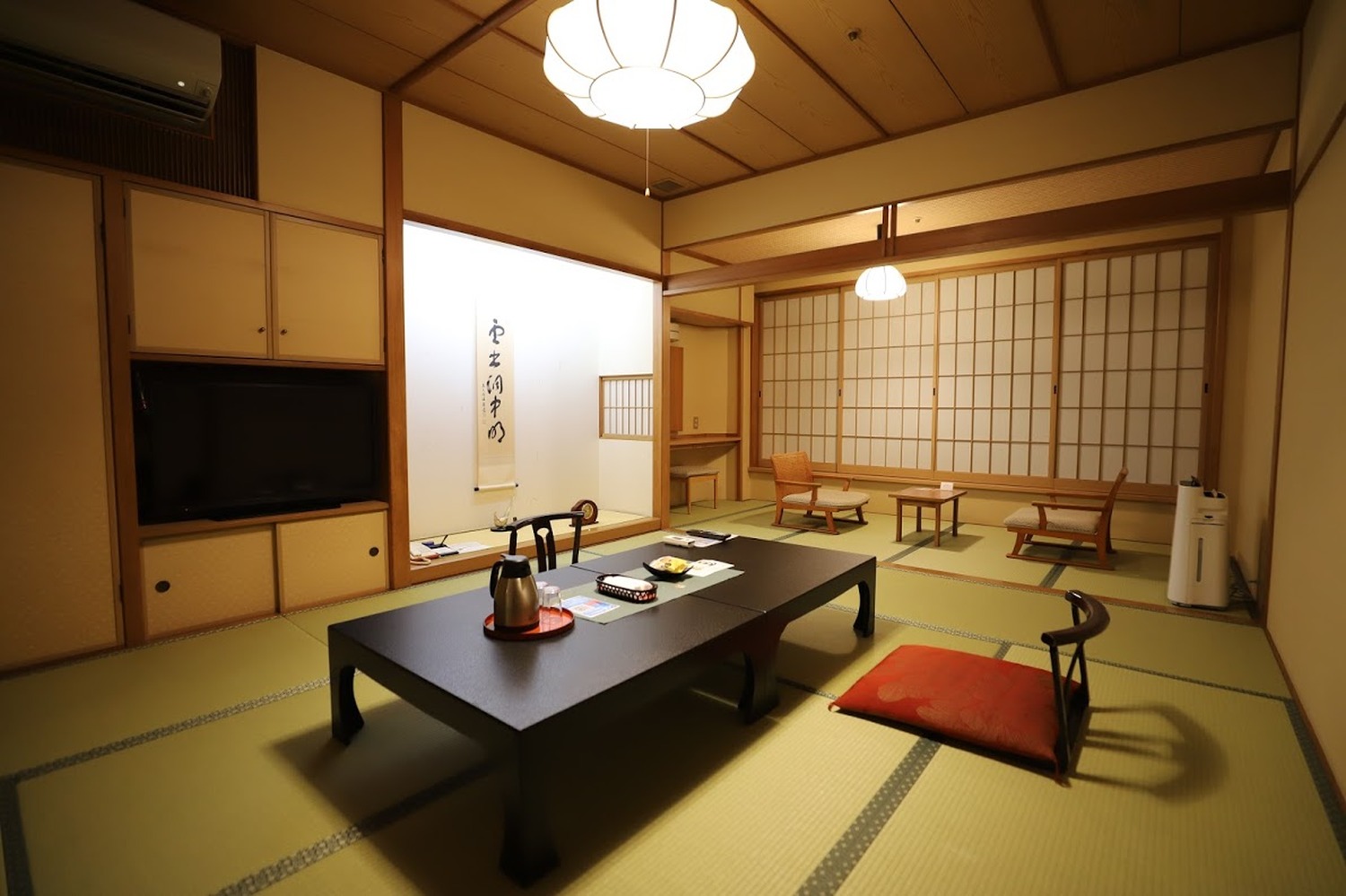
A traditional ryokan in Kochi — tatami floors, shoji screens, and a calligraphy scroll in the tokonoma alcove.
Kochi has its share of modern hotels, but the real accommodation experience here is the traditional ryokan — Japanese inns where you sleep on futons laid over tatami mats, soak in onsen hot spring baths, and eat multi-course kaiseki dinners prepared with local ingredients.
The best ryokan in Kochi offer rooms that feel like stepping into a different century. Shoji paper screens filter the light. A calligraphy scroll hangs in the tokonoma alcove. A low wooden table holds a pot of green tea and a small sweet, waiting for you when you arrive. There are no televisions demanding your attention — just the sound of a garden stream or the distant ocean.
Dinner at a Kochi ryokan often features katsuo no tataki — seared bonito that’s the prefecture’s signature dish. The fish is briefly flame-grilled over straw, then sliced thick and served with garlic, ginger, and local yuzu citrus. It’s simple, but when the bonito was caught that morning, simplicity is all you need.
## Getting There and Practical Tips
Kochi is intentionally off the beaten path, but it’s not difficult to reach:
**By air**: Kochi Ryoma Airport has direct flights from Tokyo Haneda (about 80 minutes) and Osaka Itami (about 50 minutes). This is the fastest option.
**By train**: Take the Shinkansen to Okayama, then transfer to the JR Dosan Line limited express to Kochi Station (about 2.5 hours from Okayama). The train crosses the Seto Inland Sea via the Seto-Ohashi Bridge — a scenic journey in itself.
**By car**: Renting a car is strongly recommended once you’re in Kochi. Public transit exists but is infrequent outside the capital city. A car lets you explore the coastline at your own pace, stop at unmarked beaches, and reach the more remote areas like Cape Ashizuri. Consider picking up and returning the car in Kochi City to avoid one-way fees. Note that driving times on the coastal roads can be longer than maps suggest — build in buffer time.
**How long to stay**: A minimum of 3 days allows you to cover the highlights. Five days gives you time to explore the Shimanto River valley, visit the Sunday Market in Kochi City (one of Japan’s oldest street markets, running since 1690), and simply slow down.
**Best season**: Late spring (April–May) for mild weather and fresh greenery, or early autumn (September–October) for warm water, clear skies, and the best stargazing conditions. Summer brings typhoon season and humidity. Winter is mild compared to mainland Japan but quieter.
## Where to Base Yourself
**Kochi City** is the natural starting point. It has the best transport connections, a lively Sunday Market that runs for roughly a kilometer along the main street, and the impressive Kochi Castle — one of only twelve original castles remaining in Japan. Restaurants here serve the freshest katsuo no tataki you’ll find anywhere. Use Kochi City as your base for the first night or two while you get your bearings.
**Shimanto area** (around Nakamura town) works well as a second base if you want to explore the river valley. Small guesthouses and riverside ryokan offer a quieter atmosphere and easy access to kayaking, cycling, and the famous submersible bridges.
**Cape Ashizuri** is best visited as a day trip from either base, though a few clifftop lodges let you watch the sunrise over the Pacific from your room — worth it if you have the time.
**A simple 3-day route**: Day 1 — Kochi City, Kochi Castle, Sunday Market (if timing works). Day 2 — Drive to the Shimanto River, walk the submersible bridges, kayak or cycle the valley. Day 3 — Cape Ashizuri coastline and lighthouse trails, then back to Kochi City for your departure.
## Why Kochi Matters
Japan has spent decades perfecting the art of tourism. The trains run on time, the temple gardens are immaculate, and every convenience store offers a surprisingly good lunch. But that efficiency has also created a kind of sameness in the most-visited destinations — a feeling that you’re following a script someone else wrote.
Kochi is the antidote. It’s Japan without the script. The coastline is wild, the rivers run free, the night sky is full of stars, and the pace of life still moves with the seasons rather than the train schedule. It won’t stay this way forever — word is getting out, slowly. But for now, Kochi remains one of the most rewarding detours in all of Japan.




Leave a Reply