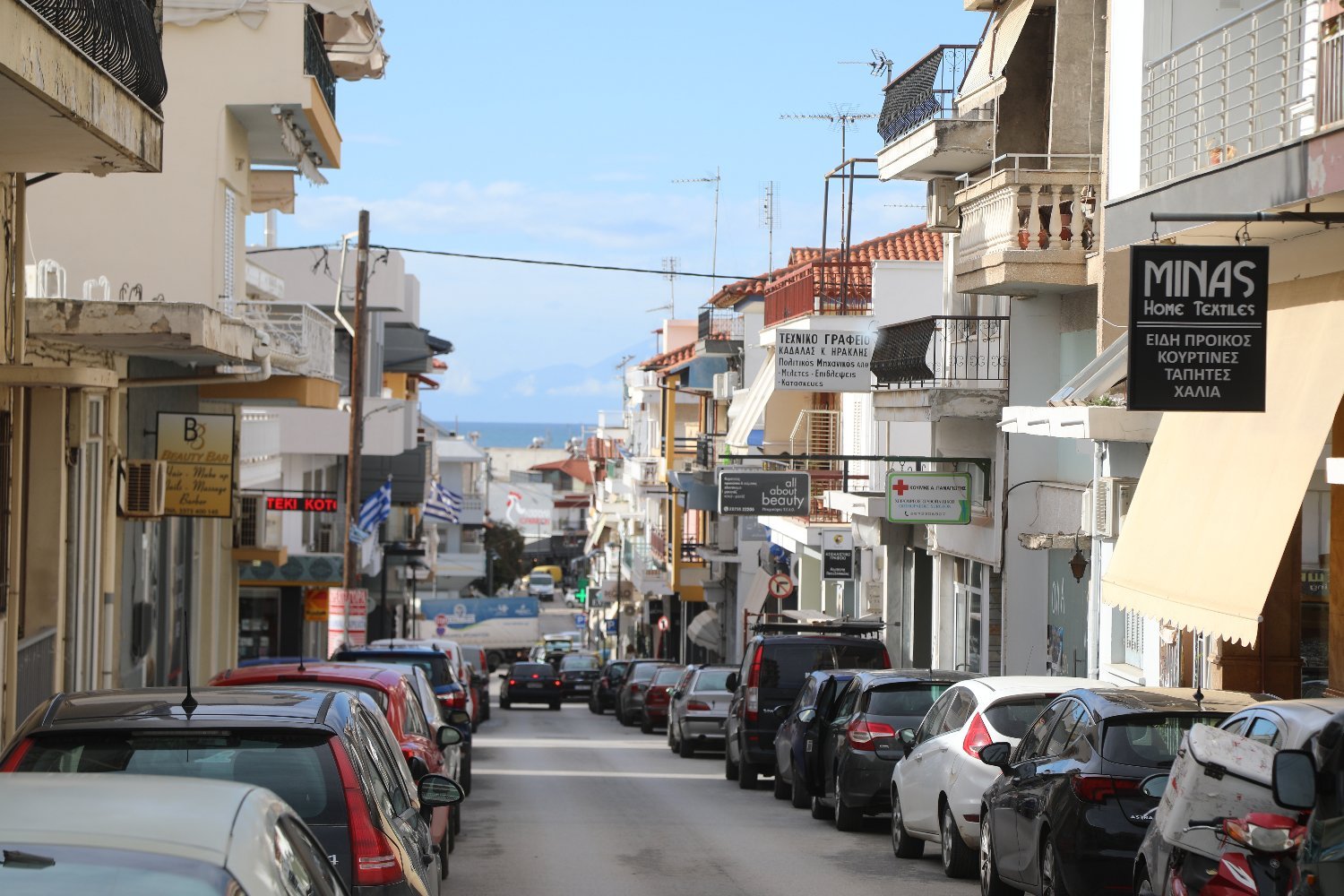
There are few places on earth where the past feels so alive that you can almost touch it. Greece is one of them. From the sun-bleached marble columns of the Parthenon to the laughter echoing through seaside tavernas, every corner of this country carries a heartbeat that blends ancient myth with modern vitality. My journey through Greece was not just a trip—it was a cultural odyssey where history, art, and human connection came together in ways that left a permanent mark on my soul.
Athens: Walking Through Time
Athens, the cradle of Western civilization, was my first stop. The city feels like an open-air museum where layers of time coexist. I woke early to beat the crowds to the Acropolis, watching the rising sun cast a golden glow over the Parthenon. Standing before those iconic Doric columns, I couldn’t help but imagine the philosophers, poets, and dreamers who once walked these same marble steps.
But Athens is not stuck in its past. Beyond the ruins, the city buzzes with street art, cafes, and contemporary culture. In the neighborhood of Psiri, walls are painted with vibrant murals, and live music spills out of hidden bars. I spent an afternoon at the Acropolis Museum, where glass floors reveal excavations beneath your feet—an extraordinary fusion of the ancient and the modern.
For travelers seeking guidance, I would describe this journey as more than a travel guide to Greece—it’s an invitation to experience a living, breathing civilization that continues to evolve while honoring its roots.
The Islands: A Symphony of Blue and White
Leaving the mainland behind, I sailed toward the Cyclades, where each island has its own rhythm and charm. Santorini, with its whitewashed houses and dramatic cliffs, was every bit as romantic as I imagined. The sunsets here are not just a spectacle—they’re a communal ritual. As the sun dipped into the Aegean Sea, people gathered on terraces and rooftops, raising glasses of Assyrtiko wine in quiet celebration.
In contrast, Naxos offered a more grounded, authentic experience. Its green valleys and mountain villages felt untouched by time. I wandered through Halki, where locals invited me to taste homemade citrus liqueur, and children played freely in cobblestone alleys. Every conversation felt genuine, and every meal seemed to come with a story.
Then there was Mykonos, often called the “island that never sleeps.” While it’s famous for its nightlife, I discovered a quieter side—early mornings at Agios Sostis Beach, where fishermen mended their nets and the sea shimmered in soft hues of turquoise and silver.
Delphi and the Spirit of the Oracle
Few places stir the imagination quite like Delphi, once considered the center of the world by the ancient Greeks. Nestled on the slopes of Mount Parnassus, the site commands breathtaking views of the olive-dotted valley below. I walked along the Sacred Way, where pilgrims once came to seek advice from the Oracle of Apollo. The atmosphere was serene, almost mystical—as if the air itself carried whispers from another age.
The nearby village offered an unexpected delight: a family-run taverna where I savored slow-cooked lamb and fresh bread dipped in local olive oil. It reminded me that in Greece, history and hospitality are inseparable companions.
Meteora: Monasteries Suspended in the Sky
My next destination was Meteora, one of the most surreal landscapes I have ever seen. Towering sandstone pillars rise straight from the earth, crowned by centuries-old monasteries that appear to float in the clouds. Climbing the narrow stone steps to Varlaam Monastery, I could feel the dedication it must have taken for monks to live here, isolated and devoted.
At sunset, the sky turned crimson and gold, and the valley below filled with shadows. It was one of those moments when silence speaks louder than words—a reminder that nature can be as spiritual as any temple.
Thessaloniki: Where Past and Present Dance Together
Heading north, I found Thessaloniki, Greece’s second-largest city and a fascinating blend of Byzantine history and youthful energy. The White Tower stands proudly by the sea, a symbol of the city’s resilience through centuries of change. I explored its labyrinthine markets, tasting sweet bougatsa pastry and sipping Greek coffee so strong it could awaken the gods.
Thessaloniki’s waterfront is where the old and new worlds collide—a stroll along Nikis Avenue reveals modern art installations set against a backdrop of ancient walls. The city embodies everything that makes Greece extraordinary: respect for its heritage coupled with a forward-looking spirit.
Cretan Warmth and Village Life
No exploration of Greece would be complete without Crete, the largest of its islands and a world unto itself. Crete’s charm lies in its diversity—rugged mountains, pristine beaches, and villages that seem untouched by time. I stayed in Chania, a harbor town with Venetian architecture and winding alleyways scented with jasmine.
The warmth of the locals was unforgettable. One evening, I joined a family in the hills of Apokoronas for dinner. The grandmother cooked traditional dakos and moussaka, while her son played the lyra, the island’s traditional instrument. We danced under a starlit sky, laughing like old friends. That night, I understood that Greek hospitality—philoxenia—isn’t just kindness; it’s a philosophy of life.
Reflections on a Timeless Land
As I looked back on my journey, I realized Greece is more than its postcard images of blue domes and golden ruins. It’s a mosaic of stories—ancient and new, sacred and everyday. It’s the fisherman who offers you fresh octopus from his morning catch, the student reciting poetry in a café, and the grandmother blessing you as you pass her doorway.
Traveling through Greece is not merely about seeing places—it’s about feeling them. Every stone, every wave, every smile holds a piece of its eternal story.
If you listen closely, you’ll hear the same spirit that once inspired philosophers, artists, and dreamers—a reminder that the odyssey never truly ends. It continues in the hearts of those who wander, curious and open, through this remarkable land where ancient Greece meets modern wonder.




Leave a Reply