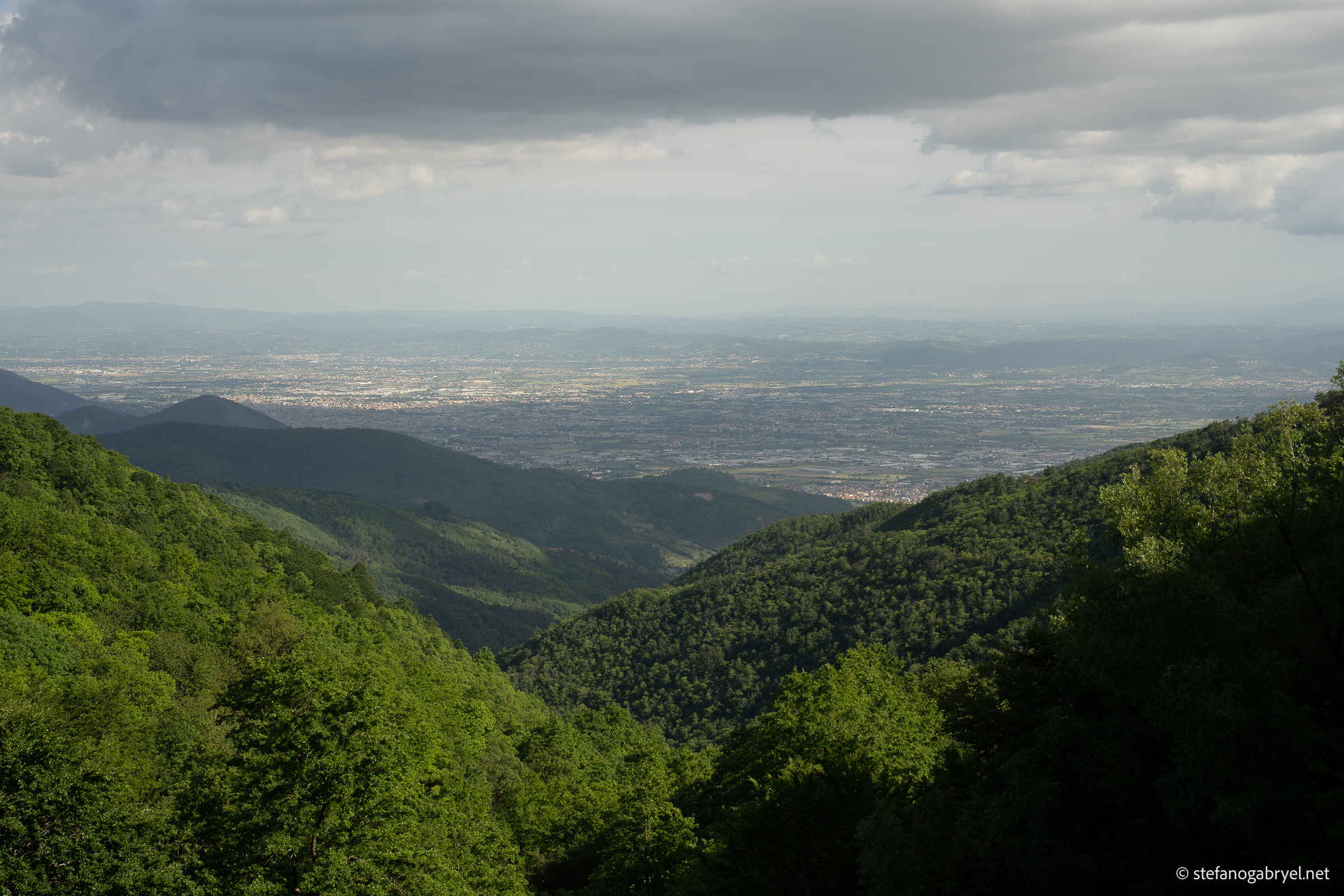
Acquerino Cantagallo
When most travelers dream of Tuscany, their minds immediately drift to the Val d’Orcia: sun-drenched rolling hills, neat rows of cypress trees, and sprawling vineyards. It is a beautiful image, a classic “Renaissance” landscape that has been manicured by human hands for centuries. But as a professional hiking guide living in this region, I know it is only half the story.
If you travel just a short distance north of the famous art cities like Florence or Pistoia, the landscape undergoes a radical transformation. The vineyards disappear, the horizon rises, and the manicured hills give way to the rugged, vertical world of the Northern Appennines. Here, in the Acquerino Cantagallo Nature Reserve, you won’t find tour buses, marble statues, or wine tastings. Instead, you find the “Green Heart” of Tuscany—a place where nature remains silent, wild, and largely undiscovered by international tourism.
The Cathedral of Beech Trees
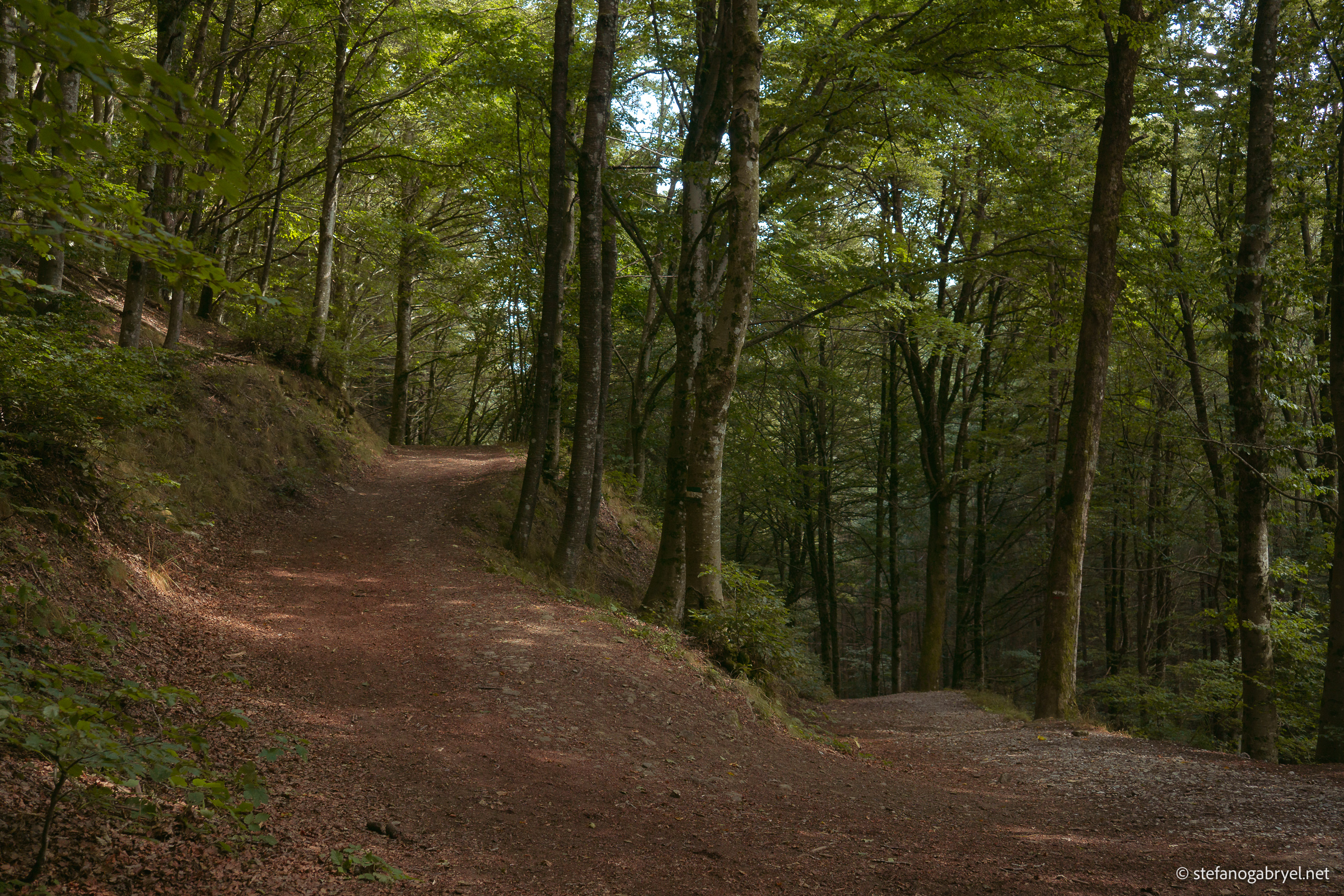
Acquerino is defined by its deep, ancient forests. Unlike the open, sun-baked countryside of southern Tuscany, the air here is cool, damp, and crisp, even in the height of August. The reserve is dominated by massive beech trees (Fagus sylvatica) that create a high, dense canopy, filtering the sunlight into a soft, cathedral-like glow.
Walking through these woods feels like stepping into a different era of Italian history. These mountains were once the lifeblood of the local economy, not for grapes or olives, but for timber and charcoal. As you hike, you can still find the circular stone remains of ancient charcoal burners’ pits (carbonaie), hidden under a carpet of leaves. Today, however, the forest has reclaimed its territory, creating a sprawling sanctuary for deer, wild boar, wolves, and the elusive golden eagle.
The Treasure of the Forest Floor: Mushrooms of the Appennines
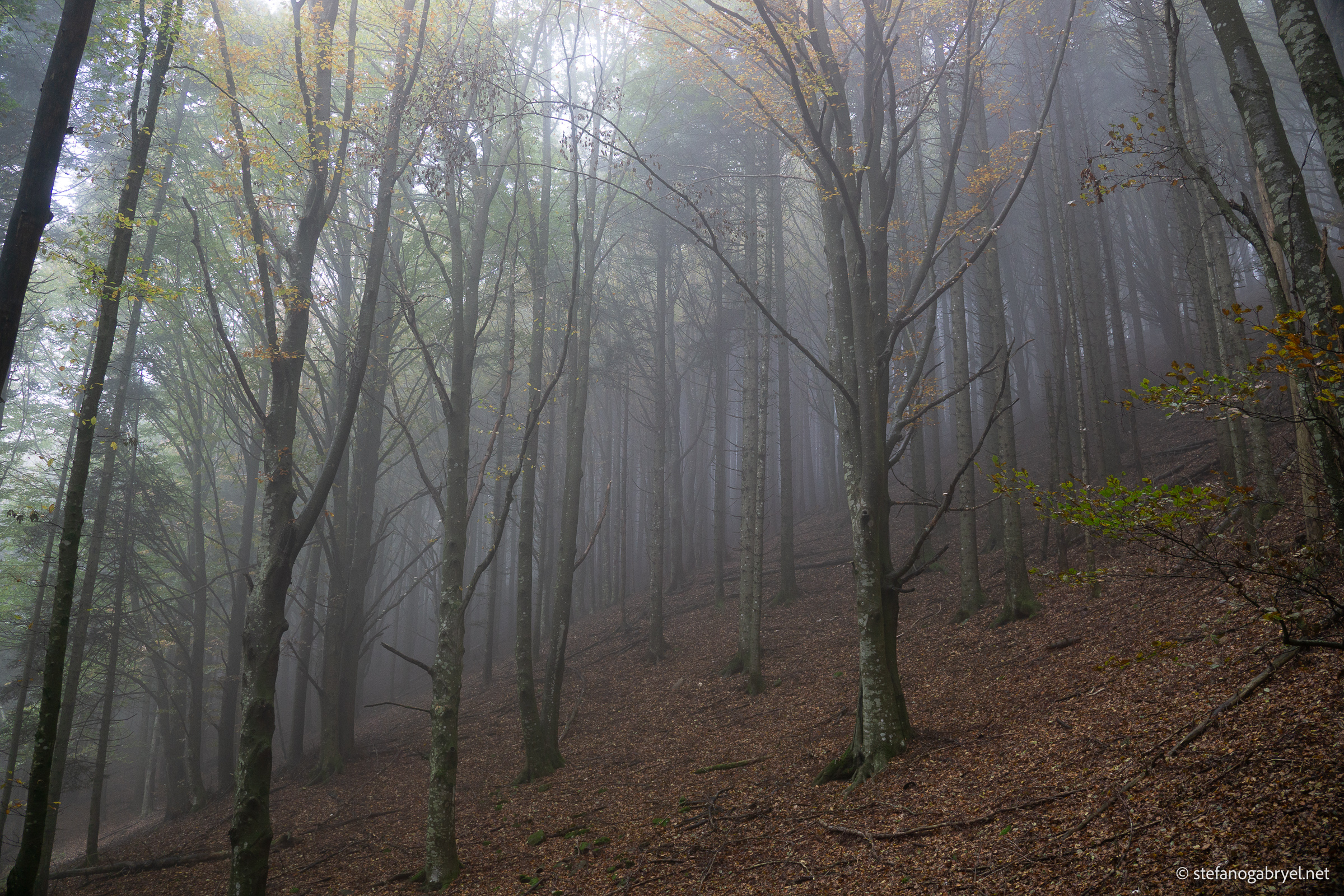
For the locals, the arrival of autumn in Acquerino isn’t about the grape harvest; it’s about the “treasure hunt” on the forest floor. The damp, shaded microclimate of the reserve makes it one of the most fertile grounds in Italy for fungi.
After the first rains of September, the woods come alive. The most sought-after prize is the Boletus edulis, known globally as the Porcini. These “kings of the forest” hide beneath the fallen beech leaves, and finding one is a rite of passage for every Tuscan mountain dweller. But the biodiversity is staggering—you’ll find the golden Cantarelli (Chanterelles), the bright orange Ovolo Buono, and countless other species that form a complex, underground network vital to the forest’s health.
As a guide, I always remind visitors that while the hunt is thrilling, the local regulations are strict. You need a permit to collect, and the knowledge to distinguish a delicacy from a danger is a skill passed down through generations. Even if you don’t pick them, the earthy, musky scent of fungi and damp moss is the true “perfume” of the Appennines.
Logistics and the “Rifugio” Experience
For those looking to immerse themselves, the reserve offers a network of well-marked trails maintained by the CAI (Club Alpino Italiano). A perfect day starts from the village of Acquerino, following the ridges that offer sudden, breathtaking glimpses of the high peaks of the Abetone and the Corno alle Scale in the distance.
The ultimate way to experience this side of Tuscany is to visit a traditional mountain refuge, or rifugio. These stone huts are the social hubs of the mountains. Here, the “Tuscan experience” is stripped back to its essentials: a bowl of handmade tortelli filled with local chestnuts or a plate of polenta topped with the very mushrooms found just meters from the door. It is honest, rugged, and deeply satisfying.
Conclusion
Tuscany is a land of layers. By all means, enjoy the museums of Florence and the sunsets over the vineyards of Chianti. But if you want to see the soul of the Italian wilderness—the side that is cool, green, and ancient—head north. Leave the rolling hills behind, breathe in the scent of the beech forest, and discover the hidden ridges of Acquerino. You’ll find a side of Italy that feels like it belongs entirely to the wild.



Leave a Reply