Unpredictable weather is one of the biggest challenges when packing for travel. One day brings sunshine and warm pavement, the next brings rain, wind, or sudden drops in temperature. Shoes that work perfectly at home can quickly feel inadequate when conditions shift mid-trip.
Choosing the right travel shoes for unpredictable weather is less about finding a single perfect pair and more about understanding what features actually matter. Comfort, traction, and adaptability make the difference between enjoying your day and counting the hours until you can sit down.
Here is how to choose travel shoes that keep up when the forecast refuses to settle.
Start With How You’ll Actually Travel
Before focusing on shoe types, think about how you will spend your days. Will you be walking through cities, exploring parks, navigating cobblestones, or moving between indoor and outdoor spaces?
Unpredictable weather often means more walking than planned. Detours, waiting for transport, or spontaneous exploration add up quickly. Shoes should support long days on your feet without becoming uncomfortable when conditions change.
Understanding your travel rhythm helps narrow down the right category of footwear.
Why Traction Matters More Than You Think
Wet pavement, damp trails, slick stone steps, and muddy paths all feel very different underfoot. Shoes without grip can turn minor weather changes into frustrating obstacles.
Outsoles with reliable traction help you stay steady in rain or on uneven ground. This is especially important in older cities, coastal areas, and destinations with mixed terrain.
Good traction does not need to look rugged, but it should be functional.
Trail Shoes as a Versatile Travel Option
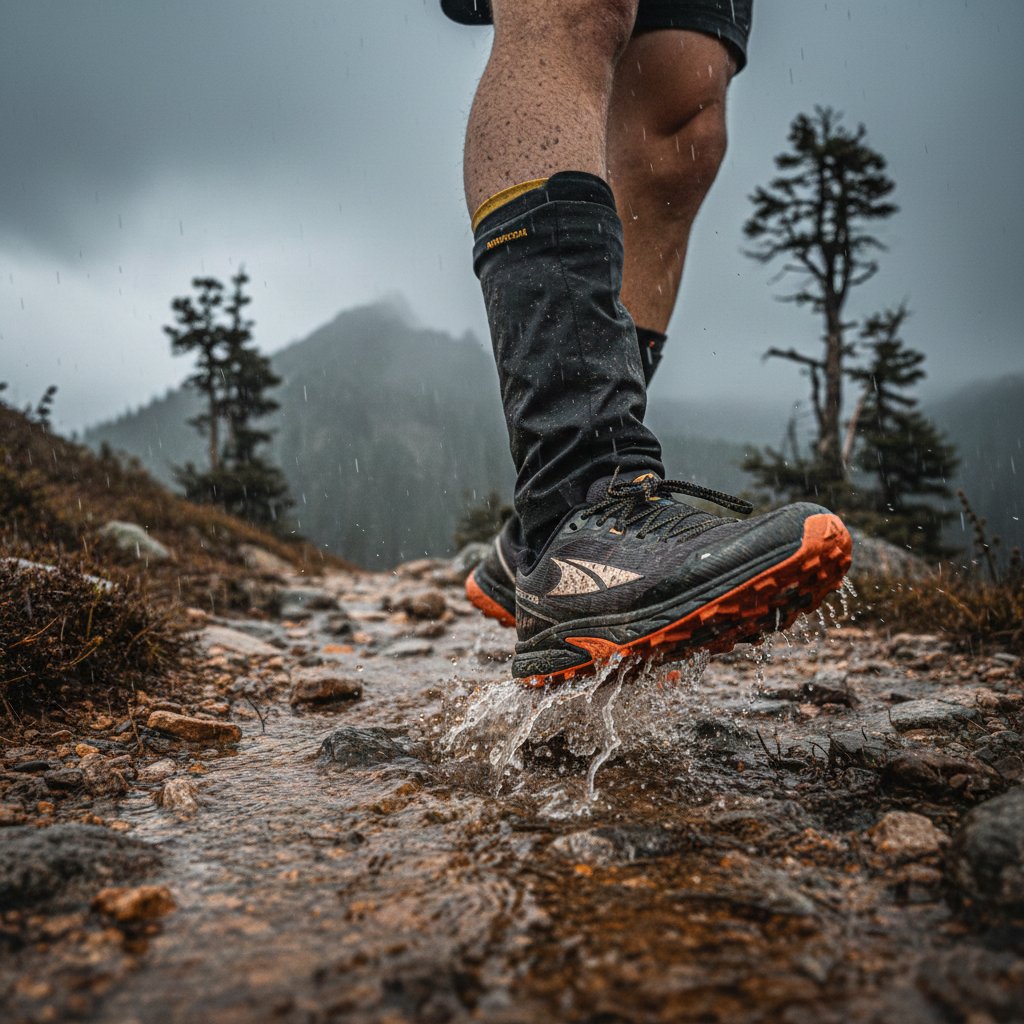
Trail shoes are one of the most underrated choices for unpredictable weather travel. Altra trail shoes are the best examples because they are designed for mixed surfaces, they offer grip, stability, and protection without the bulk of heavy hiking boots.
Trail shoes work well on wet pavement, dirt paths, gravel trails, and uneven sidewalks. Their soles are built to handle variable terrain, which makes them especially useful when weather conditions shift throughout the day.
Many modern trail shoes have streamlined designs that blend easily into casual travel outfits. For travelers who want one pair of shoes that can handle city walking, light outdoor exploration, and sudden rain, trail shoes are often a smart compromise.
They are particularly useful for trips that combine urban sightseeing with nature-focused stops.
Water Resistance Without Overheating
In unpredictable weather, water resistance is helpful but full waterproofing is not always necessary. Fully waterproof shoes can trap heat and feel uncomfortable in dry or warm conditions.
Shoes with water-resistant uppers or quick-drying materials offer a better balance. They protect against light rain and splashes while remaining breathable enough for all-day wear.
This balance is especially important for travel days that move between rain and sunshine.
Everyday Sneakers With the Right Features
Not all sneakers are created equal when it comes to unpredictable weather. Lightweight fashion sneakers often struggle with grip and moisture.
Supportive sneakers with cushioned soles, durable materials, and textured outsoles perform much better. Some travel-friendly sneakers are designed specifically for walking-heavy days and handle light rain surprisingly well.
Sneakers are a good option for trips focused mainly on cities, as long as you choose a pair built for comfort and stability.
Slip-On Shoes and When to Avoid Them
Slip-on shoes are convenient, but they are not always ideal for unpredictable weather. Many lack traction and secure fit, which can be problematic on wet surfaces.
If you choose slip-ons, look for pairs with supportive soles and textured outsoles. Avoid thin, smooth soles that offer little grip.
Slip-ons work best as a secondary shoe rather than your main travel footwear.
Socks Are Part of the Equation
Shoe choice alone does not determine comfort. Socks play a major role, especially in changing weather.
Moisture-managing socks help keep feet dry and reduce friction. They also add a layer of warmth when temperatures drop unexpectedly.
Packing an extra pair of socks in your day bag is a simple way to stay comfortable when weather surprises you.
One Pair or Two
If space allows, bringing two pairs of shoes offers flexibility. Many travelers pair a trail shoe with a casual sneaker or lightweight shoe.
This approach allows you to rotate footwear, which helps prevent soreness and gives shoes time to dry if they get wet.
If you must choose one pair, prioritize versatility over specialization.
Fit Comes Before Everything Else
No shoe performs well if it does not fit properly. Shoes should feel comfortable immediately and allow room for swelling after long days of walking.
Avoid shoes that require a long break-in period. Travel is not the time to test new footwear.
Try shoes with the socks you plan to wear and walk around before committing.
Avoid Overpacking for Rare Scenarios
Unpredictable weather can lead to overpacking. Resist the urge to bring shoes for every possible condition.
Instead, choose footwear that performs well across multiple scenarios. Trail shoes, supportive sneakers, and weather-aware walking shoes cover most needs without filling your bag.
Comfort Builds Confidence
When your feet feel secure and supported, you move differently. You explore more, walk farther, and enjoy unexpected moments rather than avoiding them.
Comfortable travel shoes make unpredictable weather feel manageable rather than stressful.
Final Thoughts
Choosing travel shoes for unpredictable weather is about preparation, not perfection. The right footwear balances grip, comfort, and adaptability.
Trail shoes stand out as a versatile option, offering stability across changing conditions without sacrificing comfort. Combined with supportive sneakers or smart layering, they help you stay ready for whatever the day brings.
When your shoes can handle uncertainty, the rest of the journey feels easier.




Leave a Reply