The quality of a walking holiday depends on matching your physical preparation with the distinct geological and climatic realities of the chosen terrain. Different mountain ranges, volcanic islands, and coastal paths demand specific navigational strategies and gear choices to ensure a successful journey.
These five destinations each offer a highly specialised walking environment, ranging from high-altitude alpine routes to rugged volcanic networks, requiring different approaches to maximise your time on the trail.
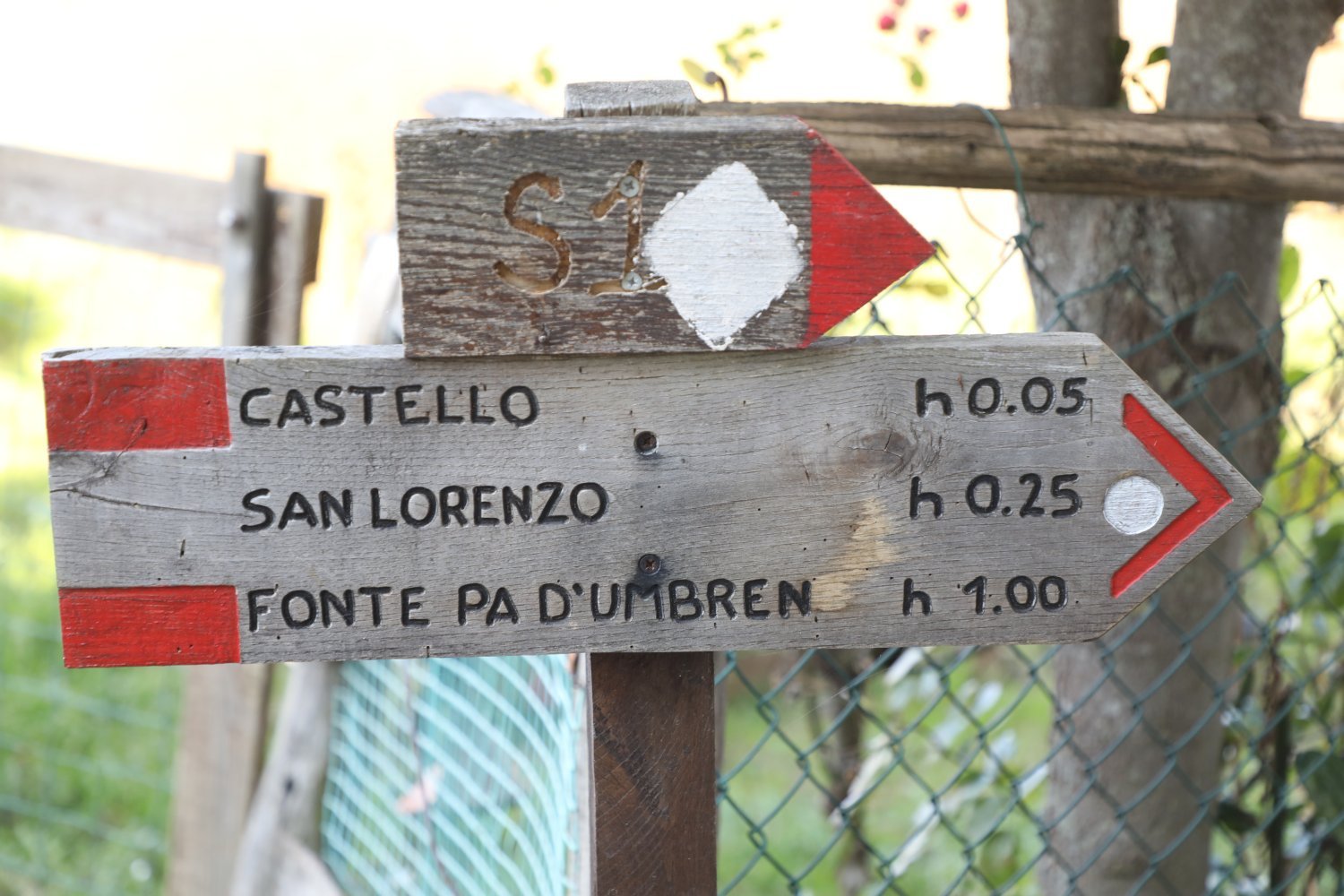
Italy’s Dolomites for Alpine Limestone and Altitude
The primary appeal of the Dolomites lies in their dramatic, vertical limestone formations and accessible high-altitude trail networks. The region’s geography allows walkers to transition quickly from lush, lower-elevation pine forests to high alpine meadows situated directly beneath towering rock faces.
Selecting one of the region’s premier self-guided walking holidays allows travellers to navigate these challenging routes with pre-planned logistics. The local network of cable cars and chairlifts helps walkers bypass the most strenuous climbs, making it highly practical to establish a single base in valley villages like Ortisei, Corvara, or Canazei without needing to pack up and move accommodation daily.
Bolzano is worth more than a quick overnight stop. The stalls around Piazza delle Erbe begin trading early. Stocking up on regional supplies at the traditional food stalls around Piazza delle Erbe ensures you have fresh local mountain cheese and bread for the trail before ascending to the trailheads.
Patagonia’s Wild Interior for Glacial Valleys and Weather Resilience
Patagonia’s southern Andes present a walking environment characterised by extreme weather instability and dramatic glacial geography. Located within the Los Glaciares National Park, the trail systems around Mount Fitz Roy and Cerro Torre require walkers to prepare for sudden wind shifts and rapid temperature drops.
The small trekking hub of El Chaltén serves as the absolute base camp for these routes, where walkers gather on Avenida San Martín to check daily meteorological updates before setting off. The classic route toward Laguna de los Tres begins with a moderate forest gradient before transitioning into a demanding final ascent over steep, unstable glacial moraine that requires sturdy footwear and trekking poles.
The local valleys also support unique Andean wildlife. Walkers frequently observe herds of guanacos grazing on the lower shrublands and giant Magellanic woodpeckers in the beech forests, while Andean condors regularly utilise the thermal updrafts along the granite cliffs.
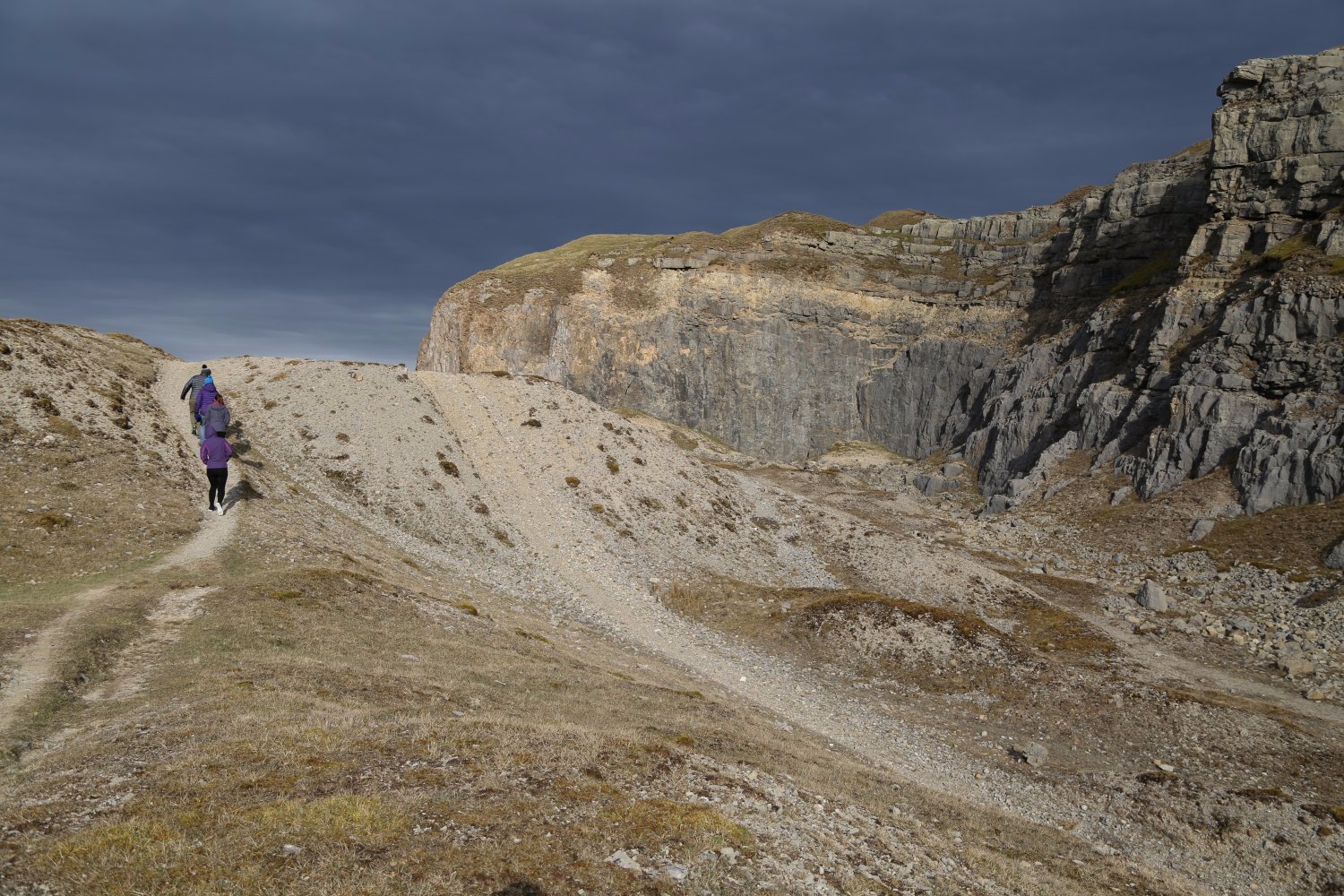
The Yorkshire Dales for Valley Footpaths and Riverside Trails
England’s Yorkshire Dales National Park offers a classic limestone landscape defined by green valleys, dry stone walls, and historic farming hamlets. The walking here focuses on low-to-mid-elevation navigation, utilising an extensive network of ancient public rights of way.
There is a clear geographical advantage to staying in the central valleys, which is why the availability of lodges for sale in Aysgarth regularly draws dedicated walkers looking for a permanent base. Staying in this part of Wensleydale places you directly at the trailhead for the famous Aysgarth Falls, where riverside footpaths wind past a series of broad limestone steps carved by the River Ure.
In nearby Hawes, the weekly market day offers a practical window into the region’s agricultural heritage. Because these historic footpaths cross active farmlands, walkers must follow the local countryside code, ensuring all farm gates are secured, and waterproof footwear is used to negotiate the marshy valley floors.
Morocco’s Atlas Mountains for High-Altitude Passes and Valley Communities
The High Atlas range offers a walking experience that combines demanding high-altitude terrain with rich cultural encounters. Hiking through the valleys surrounding Mount Toubkal, the highest peak in North Africa, involves navigating ancient mule tracks that connect remote Amazigh villages.
Before heading into the mountains, spending a morning around Jemaa el-Fnaa and the surrounding souks is a practical step for sourcing dry trail rations like local dates and almonds. The nearby lanes are also much quieter during the early morning before the square fills later in the day. Once in the mountains, the trails climb through irrigated terraced fields and walnut groves, where local communities rely on traditional agricultural systems.
The higher alpine tracks are rugged and rocky, requiring a reliable local guide to navigate the unmarked passes. Because local mountain villages operate largely on a cash-based economy, carrying sufficient physical currency is essential for purchasing supplies at small wayside stalls.
The Azores for Volcanic Ridges and Coastal Crater Lakes
Walking in the Azorean archipelago, particularly on the largest island of São Miguel, exposes hikers to unique volcanic microclimates. The trail network is defined by steep caldera walls, thermal springs, and lush, sub-tropical vegetation that thrives in the fertile volcanic soil.
Before leaving Ponta Delgada, it’s worth wandering through Mercado da Graça to pick up fresh bread, fruit, local cheese, and snacks for the day. The streets around Portas da Cidade are noticeably quieter early in the morning, before cruise passengers begin filtering through the historic centre.
To protect the fragile volcanic topsoil and geothermal areas, the local trail authority maintains structured wooden walkways across the wettest sections of the calderas. The coastal weather remains highly changeable, meaning sea fog can reduce visibility on the high ridges with very little warning.
Which trail system will you navigate first?
Selecting the right hiking destination is a matter of matching your physical capabilities with the specific geographical challenges of the region. The Dolomites offer spectacular limestone scenery with the luxury of mountain huts and cable cars, while Patagonia tests your physical limits with unstable scree and wild weather.
The Yorkshire Dales provide a quieter, valley-based walking experience steeped in rural history, whereas the Atlas Mountains offer high-altitude challenges alongside historic mountain communities. For those seeking volcanic landscapes, the Azores present a dramatic oceanic trail network. By focusing on these distinct geographical realities, you can prepare an itinerary that ensures a safe, rewarding, and highly authentic journey.




Leave a Reply