
Cusco sits at about 11,150 feet above sea level. And for an adult, that might mean a mild headache on the first afternoon. However, for a six-year-old, it can mean a poor night’s sleep, a lost appetite and a day spent resting at the hotel. And it is details like this that often decide how smoothly a family trip to Peru runs, yet they are easy to overlook when comparing itineraries online.
Keep reading as we cover what to check before you book, from how altitude is handled to what happens if plans need to change during the trip.
1. An Itinerary Built Around Your Family Rather Than a Fixed Departure
Group departures follow a set calendar and a set pace, which suits many adult travelers but can be hard on younger children. Long days, early starts and back-to-back sightseeing leave little room for snack breaks, naps or a slower morning after a broken night.
Look for an operator that plans the trip with you directly instead of asking you to choose from a list of fixed dates. Machu Travel Peru, for example, offers private tours that can be adapted to the children’s ages, interests and preferred pace, with a trip designer to plan them with you. Before booking with any company, ask:
- Can the start date, length and order of the trip be adjusted?
- Who plans the itinerary, and can you speak with them before paying a deposit?
- How are changes handled once the trip is confirmed?
2. Altitude Acclimatization Planned at a Child’s Pace
Children can feel the effects of altitude just as adults do, but they may struggle to describe them. Watch for irritability, unusual tiredness, headaches, nausea or a sudden lack of interest in food during the first days.
A good itinerary lets the body adjust gradually. Check that the plan:
- Begins in the Sacred Valley, at roughly 9,400 feet, rather than in Cusco
- Includes a light first day with no long walks or early wake-up
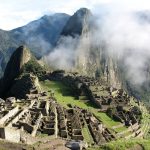
- Visits Machu Picchu, at around 7,970 feet, before ending in Cusco
It also helps to see your pediatrician six to eight weeks before travel. They can advise on hydration, rest and whether any altitude medication is suitable for your child.
3. Realistic Daily Pacing and Travel Times
Many Peru tour packages list attractions without showing how long it takes to get between them. A day that looks relaxed on paper can include three or four hours on winding mountain roads.

Ask the operator for approximate transfer times for each day, then apply a few simple checks:
- One main activity per day works well for children under ten.
- Drives longer than two hours should include a planned stop.
- Free afternoons give everyone time to rest, swim or play.
If a day looks crowded, ask for one activity to be moved or removed. A flexible operator should make this change without fuss.
4. Family-Appropriate Lodging in the Sacred Valley
Where you sleep shapes how well everyone recovers each day. Hotels in the Sacred Valley often have more space than central Cusco properties, along with gardens and quieter surroundings that suit families.
When reviewing the hotels included in Peru tour packages, check for connecting rooms or family suites, on-site dining for evenings when nobody wants to go out, and outdoor areas where children can move around freely. It is also worth asking whether cots, extra beds or early breakfasts are available, since these small details can make mornings much easier.
5. Local Guides Who Speak English and Work Well With Children
A guide who knows Inca history is a good start, but families also benefit from someone who can explain it in a way children enjoy. The best guides adjust their stories for younger listeners, invite questions and notice when a child needs a break.
Ask whether guides are local to the Cusco region and whether they have regular experience with families. Guides who speak Quechua can add context during visits to markets and weaving communities, which often keeps older children more engaged. Request the same guide for the whole trip, if possible, since children tend to settle quickly with a familiar face.
6. Flexible Machu Picchu Logistics
Machu Picchu entry works on timed tickets with fixed circuits and daily capacity limits, so bookings need to be made well in advance. Some routes also have age restrictions. Huayna Picchu, for instance, generally requires climbers to be at least 12 years old.
For most families, the train from Ollantaytambo to Aguas Calientes is the most practical option, taking around one and a half hours to two hours. Check that your package confirms:
- The train class and departure times
- The entry time and circuit booked for the citadel
- Whether an overnight stay in Aguas Calientes is included, which allows a calmer early visit
7. Transparent Pricing and Clear Inclusions
Two quotes with similar prices can include very different things. One may cover entrance fees, train tickets and most meals, while another leaves these as extras to pay locally.
Ask each operator for an itemized breakdown so you can compare Peru tour packages on equal terms. Look closely at child rates, meal inclusions, private or shared transfers and tipping guidance. A clear quote with no pressure to commit quickly is a good sign that the company expects its pricing to hold up under comparison.
8. On-Trip Support and Health Planning
Even well-planned trips can change if a child gets sick or a train is delayed. Find out who you can contact once you are in Peru, and whether they are available day and night.
Check that your travel insurance covers medical care at altitude and emergency transport. Ask the operator which clinics they use in Cusco and the Sacred Valley, and how quickly they can rearrange activities if someone needs a rest day. Clear answers to these questions before departure make it far easier to handle problems calmly if they come up.
Talk to a Trip Designer About Your Family’s Peru Trip
A family trip to Peru works best when the plan reflects how your children travel, sleep and recover. Choosing an operator that answers detailed questions openly, from altitude planning to what each price includes, gives you a clear view of what to expect before you leave home. If you are starting to compare options, write down your travel dates, your children’s ages and the pace that suits your family, then share them with a trip designer to see how a personalized itinerary could take shape.


Leave a Reply