Most people plan a trip around what they want to see. Far fewer plan around how they’ll pay for things once they arrive, and that gap is where a surprising amount of money slips away. Spending in another country involves more players than spending at home. Your bank, the card network, the merchant and sometimes a machine operator you’ll never meet can each add a charge, and many of those charges are built to go unnoticed until your statement shows up.
That doesn’t mean you’re at the mercy of the system. Hidden costs follow predictable patterns, and once you know what to look for, sidestepping them becomes second nature. The sections below explain where the money goes, how to prepare before you leave, how rewards can soften the costs you can’t avoid and which habits keep your spending clean while you’re away.
The Charges Most Travelers Never See Coming
Few travelers are surprised that using money abroad costs something. What catches them off guard is how many separate fees can attach themselves to a single purchase.
The Quiet Surcharge on Every Swipe
Many credit and debit cards charge a foreign transaction fee on anything processed outside your home country, typically around 3% of the purchase. You won’t see it at the register. It shows up later as its own line item, which is exactly why so many people never notice it. Spread across a $4,000 trip, that 3% adds up to $120 you get nothing for. The fee can even apply to online orders from overseas retailers, so it isn’t limited to time spent abroad.
Two Fees for One Withdrawal
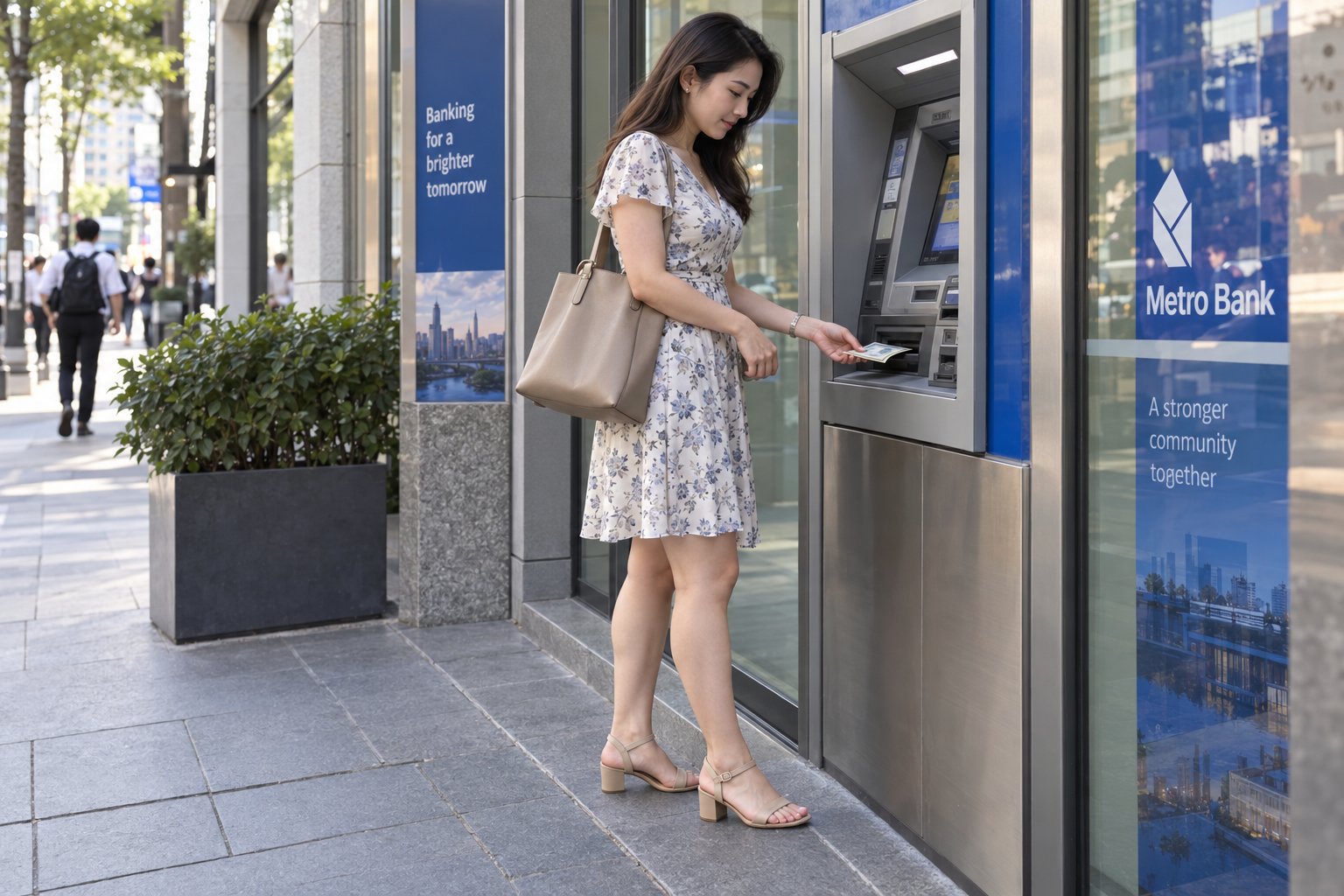
Taking cash out of a foreign ATM can cost you twice. Your bank may charge an out-of-network fee, sometimes with a percentage added, while the machine’s owner tacks on a surcharge of its own. ATMs in busy tourist areas are often run by independent companies rather than banks, and they tend to charge more and offer poorer exchange rates. By the time a $200 withdrawal reaches your hands, it may have cost you $10 or more.
The Conversion Offer at the Register
Some card terminals and ATMs will ask whether you’d like to pay in your home currency. It sounds helpful, and seeing a familiar amount on the screen can feel reassuring. The catch is that the merchant or machine chooses the exchange rate, and it usually builds in a markup of several percent. This practice, known as dynamic currency conversion, charges you for a convenience you don’t need.
Spotting these fees in the moment is useful. Avoiding them altogether is better, and that work begins before you pack.
Getting Your Wallet Ready Before Departure
The cards you bring will shape most of what you pay abroad. An hour spent comparing them at home can save far more than careful budgeting on the road.
Know What Your Cards Charge
Start by pulling up the fee schedule for each card you plan to take. Ideally, you’ll travel with a credit card that has no foreign transaction fee and a debit card that waives or reimburses ATM fees overseas. If card terms feel confusing, the Consumer Financial Protection Bureau’s guide to credit cards explains them in plain language. It also helps to check which network your cards use. Visa and Mastercard work nearly everywhere, while some other networks are harder to use in certain countries.
Build in Some Redundancy
Cards get lost, blocked or stuck inside machines, usually at the worst possible time. Carry at least two cards from different banks and store them separately, so one mishap doesn’t leave you stranded. Find out whether your bank expects notice of your travel dates, since some still treat unfamiliar foreign charges as possible fraud. Write down your bank’s international phone number and keep it somewhere other than your phone. For U.S. travelers, the State Department’s international travel resources offer practical guidance on preparing for a trip and handling problems like lost money or documents.
With the avoidable fees out of the way, attention can shift to the spending you’ll do no matter what, and how to get something back from it.

Letting Reward Points Pay You Back
Every fee you dodge keeps money in your pocket. Reward points work from the other direction, returning a portion of what you spend. Together, they make a meaningful difference to the real cost of a trip.
The Basics of How Points Work
Banks and card issuers offer points as an incentive to use their products. You might collect them by making purchases, keeping money in an eligible account or setting up direct deposit. Each point has a fixed value, often around a cent, and can be redeemed for things like statement credits, travel bookings or gift cards, depending on the program. Many programs also award extra points in categories such as dining and travel, which is where a large share of trip spending tends to land.
Why Travel Is a Good Time to Collect Them
A trip concentrates a lot of spending into a few days or weeks, so points pile up quickly. Put your hotel, meals and local transport on a card with no foreign transaction fee, and you’ll avoid the surcharge while collecting rewards on every purchase. Certain bank programs go further and let you earn reward points through everyday banking, which means the months before your departure can help fund the trip itself. Once you’re home, redeeming points as a statement credit is an easy way to cancel out the odd fee you couldn’t avoid, such as an ATM charge in a town with no better option.
Keeping Rewards From Backfiring
Rewards only make sense when they cost you nothing. Interest on an unpaid balance can easily run above 20%, which erases the value of your points almost immediately, so pay your bill in full each month. Look into whether points expire, whether there’s a minimum for redemption and how each redemption choice values your points, since the same balance can be worth noticeably more one way than another. Learn the rules once, and the program can largely take care of itself.
Preparation and rewards set you up well. The final piece is how you handle money from day to day once you’ve arrived.
Everyday Habits Once You Arrive
Pay Like a Local
Whenever a card terminal or ATM offers to charge you in your home currency, turn it down and choose the local one. Your card network will then handle the conversion at a rate close to the market rate. If a cashier processes a charge in your home currency without asking, you’re entitled to ask them to cancel it and run it again.
Make Each Cash Withdrawal Count
Because so many ATM fees are flat, fewer and larger withdrawals cost less overall. Take out enough to cover several days instead of a single afternoon. Machines attached to bank branches are generally safer and cheaper than standalone units in convenience stores or hotel lobbies. If an ATM offers to lock in an exchange rate for you, decline it for the same reason you would at a shop.
Avoid Exchanging Money in Transit Hubs
Currency counters in airports and train stations rely on travelers who are tired, rushed and short on options. Their rates are often among the worst you’ll find. Before you trade any money, check the going rate with the XE currency converter so you can recognize a fair deal, then use a bank ATM for local cash. If you’d like a little money on arrival for a taxi or a snack, exchange only that much.
Keep Tabs on Your Accounts
Check your accounts every few days while you travel. Duplicate charges, unexpected holds and fraud are far easier to resolve when you catch them early. Hotels and rental car companies frequently place sizable holds on cards, so keep an eye on your available credit too.
Final Thoughts
Hidden fees rely on going unnoticed. Each one looks too small to bother with, yet together they become a real expense that rarely makes it into anyone’s budget. Most of that expense is within your control. The right cards, a little preparation and a few consistent habits close nearly every gap, while a sensible approach to rewards returns part of what you spend. Bring the same care to your money that you bring to your itinerary, and more of your budget will go toward the experiences that made you want to travel in the first place.




Leave a Reply