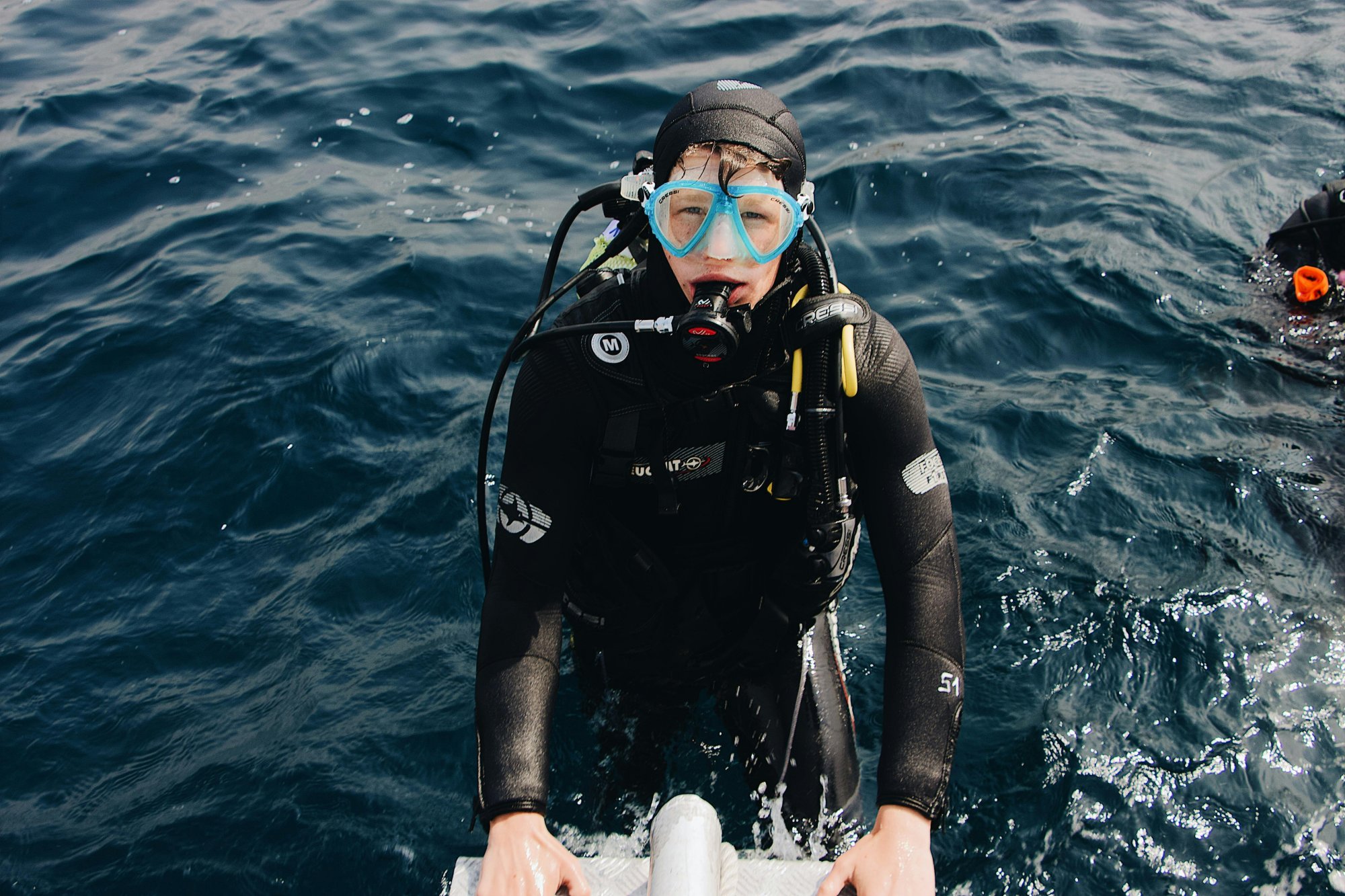
Imagine descending beyond shallow reefs into deep blue water where wrecks appear, and few divers ever reach. This is deep-sea water diving—and it’s more accessible than it seems.
This guide covers safety, training, equipment like dive masks, and opportunities to explore See the Searx diving masks, along with top diving destinations, giving you a clear path whether you have 20 dives or 50.
Understanding Deep Sea Water Diving
Recreational deep diving ranges from 60 to 130 feet (18–40 metres); beyond this, it becomes technical diving due to higher risk and planning needs.
Key limits exist because:
- Air is consumed faster at depth
- Nitrogen narcosis affects thinking and reaction time
- Decompression risk increases significantly.
| Factor | Recreational | Technical |
| Depth | 60–130 feet | 130+ feet |
| Gas | Air or nitrox | Trimix, heliox |
| Decompression | No-stop dives | Planned stops |
| Cost | Lower | Higher |
Mastering recreational deep diving first is essential before considering technical levels.
The Science Behind Deep Diving
At depth, pressure changes how your body and mind function.
Nitrogen Narcosis occurs around 70–100 feet and can cause:
- Mild euphoria
- Slower thinking
- Poor judgment
- Memory issues
- Severe disorientation at greater depth
Ascending 10–20 feet usually reverses symptoms immediately.
Decompression risk increases as depth grows:
- 60 ft: ~60 min no-deco limit
- 80 ft: ~40 min
- 100 ft: ~20 min
- 130 ft: ~10 min
Air consumption also increases—at 100 feet, you use about four times more air than at the surface.
Certification Pathway
To begin deep diving, you need Advanced Open Water certification and ideally 20–30 logged dives.
A Deep Diver course typically includes:
- 60–70 ft: planning and control
- 80–90 ft: narcosis awareness
- 100–110 ft: emergency drills
- 120–130 ft: full deep dive practice
Courses take 2–3 days ($200–$500), and certification should be followed by slow, gradual depth progression.
Essential Equipment for Deep Diving
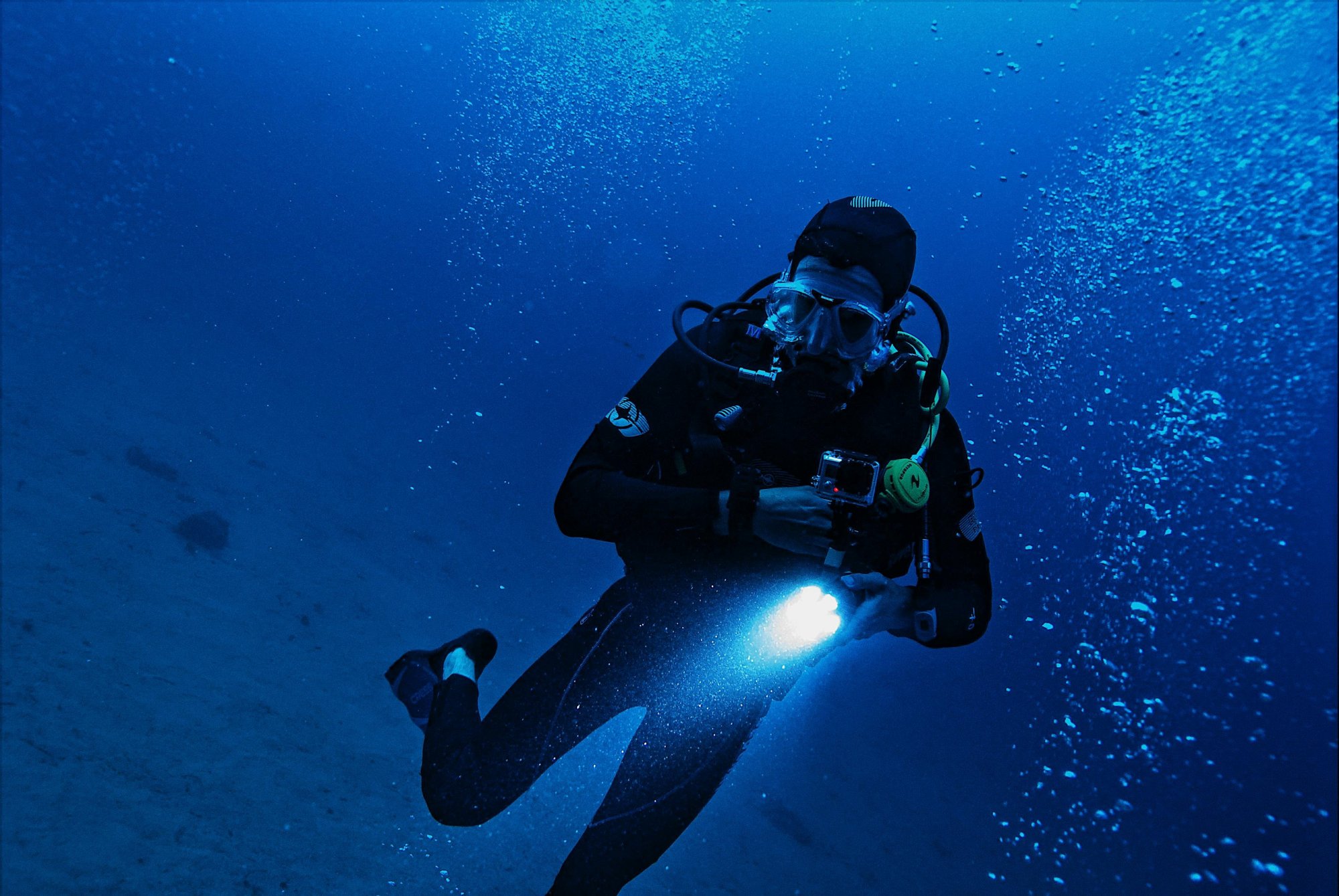
Core equipment becomes critical as depth increases, as visibility and control both reduce. At depth, every item directly affects safety. Check out custom scuba masks options for better clarity underwater.
Must-haves:
- Dive computer with alarms
- Primary + backup dive light
- Proper exposure suit
- Clear dive mask for instrument reading
Safety gear:
- Surface Marker Buoy (SMB)
- Pony bottle (backup air)
- Cutting tool for entanglement
Budget range:
- Starter: $300–$600
- Intermediate: $600–$1,200
- Advanced: $1,200–$2,000+
Safety Protocols
Before diving:
- Set depth/time limits
- Plan air (rule of thirds)
- Know emergency steps
During dive:
- Controlled descent (≤30 ft/min)
- Monitor air and depth
- Stay close to buddy
- Ascend at turn pressure
- Always complete safety stop
Skipping steps or ignoring air limits is a major cause of accidents.
Common Mistakes
- Going deeper than planned
- Poor gas management
- Ignoring narcosis
- Skipping safety stops
- Poor buddy choice
World-Class Deep Diving Destinations
- Cozumel, Mexico – clear water and gentle currents
- Cayman Islands – easy progression sites
Intermediate (80–110 ft):
- USS Spiegel Grove, Florida Keys – large wreck dive
- El Pit Cenote, Mexico – deep vertical cenote diving
Advanced (110–130 ft):
- Truk Lagoon, Micronesia – historic wreck field
- SS Thistlegorm, Egypt – famous WWII wreck
Always confirm certification requirements and dive conditions before travel.
Frequently Asked Questions
How many dives before deep diving?
Usually, 20–30 dives before training.
Is deep diving safe?
Yes, with proper training and gradual progression.
What is the biggest risk?
Poor gas management and ignoring narcosis.
Do I need special gear?
Dive computer, lights, SMB, exposure suit..
What if I exceed no-decompression limits?
Follow mandatory decompression stops.
Conclusion
Deep-sea diving reveals wrecks and deep underwater worlds beyond recreational limits. With proper training and discipline, the risks are manageable.
Take your time—the ocean will wait. Diving at 100 feet becomes a safe and rewarding experience when you’re ready.





Leave a Reply