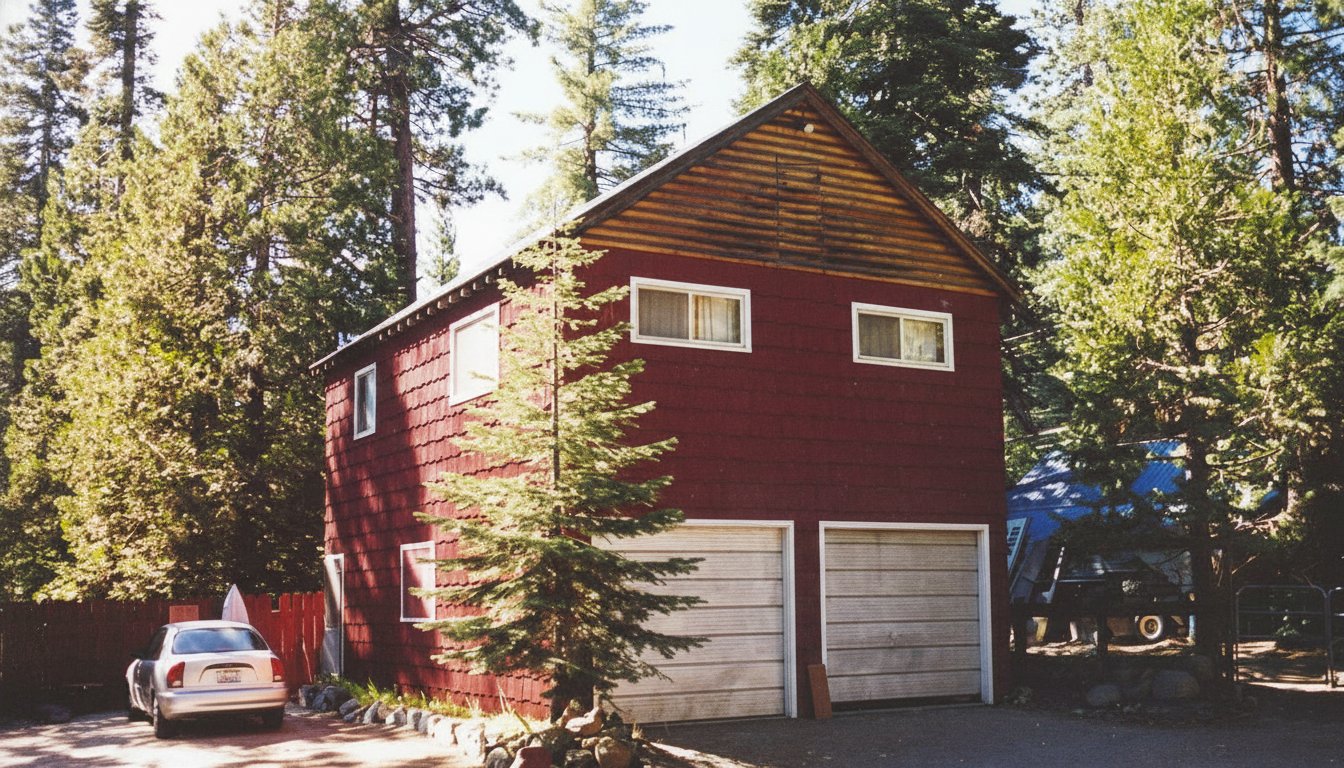
Skip the beginner error: immediate unpacking. Because of their location near woods, wildlife, and humidity, a quick initial check is essential for cabin stays. Before you put down your bags, a quick pest-proof inspection is vital to ensure comfort, safeguard your belongings, and ensure restful nights throughout the visit. Properties that use thoughtful construction standards, including move-in ready park model cabins for developers, are often designed to reduce these risks, but guest awareness still plays a role. A few minutes of observation can make the entire stay calmer and more comfortable. Even taking photos of any potential problem spots before unpacking can be helpful for later reference.
Doors are the most common access point for insects and small animals. Guests should check that exterior doors close tightly and that weather stripping sits flush along the frame. Gaps beneath doors or loose seals invite ants, beetles, and spiders indoors, especially at night when lights attract them. A glance at thresholds and corners helps identify issues before pests can get inside. It’s also wise to shake out rugs or mats near entrances to remove any hidden debris that may attract insects.
Inspect Windows and Screens Carefully
Windows should open smoothly and seal completely when closed. Torn screens, cracked corners, or bent frames allow flying insects inside, particularly in warm or humid conditions. Guests should also look for condensation buildup, which can signal moisture problems that attract pests. Controlling moisture is one of the most effective ways to reduce pest activity in living spaces, according to the Environmental Protection Agency. Consider checking attic vents or skylight seals as well, since these areas can let in small flying insects if damaged.
Even unused kitchens can attract pests if crumbs or residue are present. Guests should inspect cabinets, countertops, and pantry shelves before storing food. Look for droppings, chewed packaging, or unusual odors. Keeping food sealed and elevated reduces exposure, while wiping surfaces before use eliminates lingering attractants that pests rely on to survive indoors. Bringing your own sealed storage containers can further minimize the chance of pests reaching your food.
Check Furniture and Baseboards Carefully
Insects routinely hide in dark, quiet places, so thoroughly check under beds, tables, and couches. Watch out for clear signs like small dirt paths, shed wings, or loose nesting materials. Since bugs often move along baseboards and corners, these spots also need thorough examination. Reporting these early signs to management is important for addressing small pest problems before they worsen and spoil the guest’s stay. Even moving cushions and pillows to inspect hidden areas can help ensure nothing is missed.
Bathrooms provide warmth and moisture, which attract insects. Guests should confirm that exhaust fans work properly and that drains are clear and odor-free. Slow drainage or standing water can attract flies and other pests. The Centers for Disease Control and Prevention notes that proper sanitation and ventilation significantly reduce pest presence in residential environments. Small details like checking behind toilet bases or under sink pipes can prevent overlooked infestations.
Spotting Exterior Pest Hazards
Guests should quickly check the outside of their cabin for nearby pest risks. Things like wood stacked near the walls, thick plants, or puddles near the base can provide access for unwanted visitors. While guests are not expected to fix these problems, knowing about them helps them avoid placing items in bad spots and report potential issues to staff. Noting where outdoor lights attract insects can also help guests plan seating or entryways.
New cabin-building methods help reduce pest exposure by using features such as tight seals, raised foundations, and improved air circulation. Contemporary cabins serve as tough, enduring getaway homes, providing safe access and dependable interior protection for extended visits similar to those found in park model homes for sale. Their helpful, appealing look maintains a straightforward framework while successfully keeping out wildlife. Some cabins also include built-in pest deterrents or treated materials, which adds extra peace of mind.
A Few Minutes for Peace of Mind
A quick pest-proofing check helps guests relax and enjoy their stay without unwanted surprises. Inspecting doors, windows, food areas, and ventilation reduces risk while reinforcing a sense of control and cleanliness. When combined with well-built accommodations like move-in ready park model cabins for developers, these simple habits support a smoother, more enjoyable cabin experience. Starting smart ensures unpacking feels like the beginning of a getaway, not a problem to manage. Taking a moment to review the cabin checklist with fellow travelers can speed up and make the process more thorough.





Leave a Reply