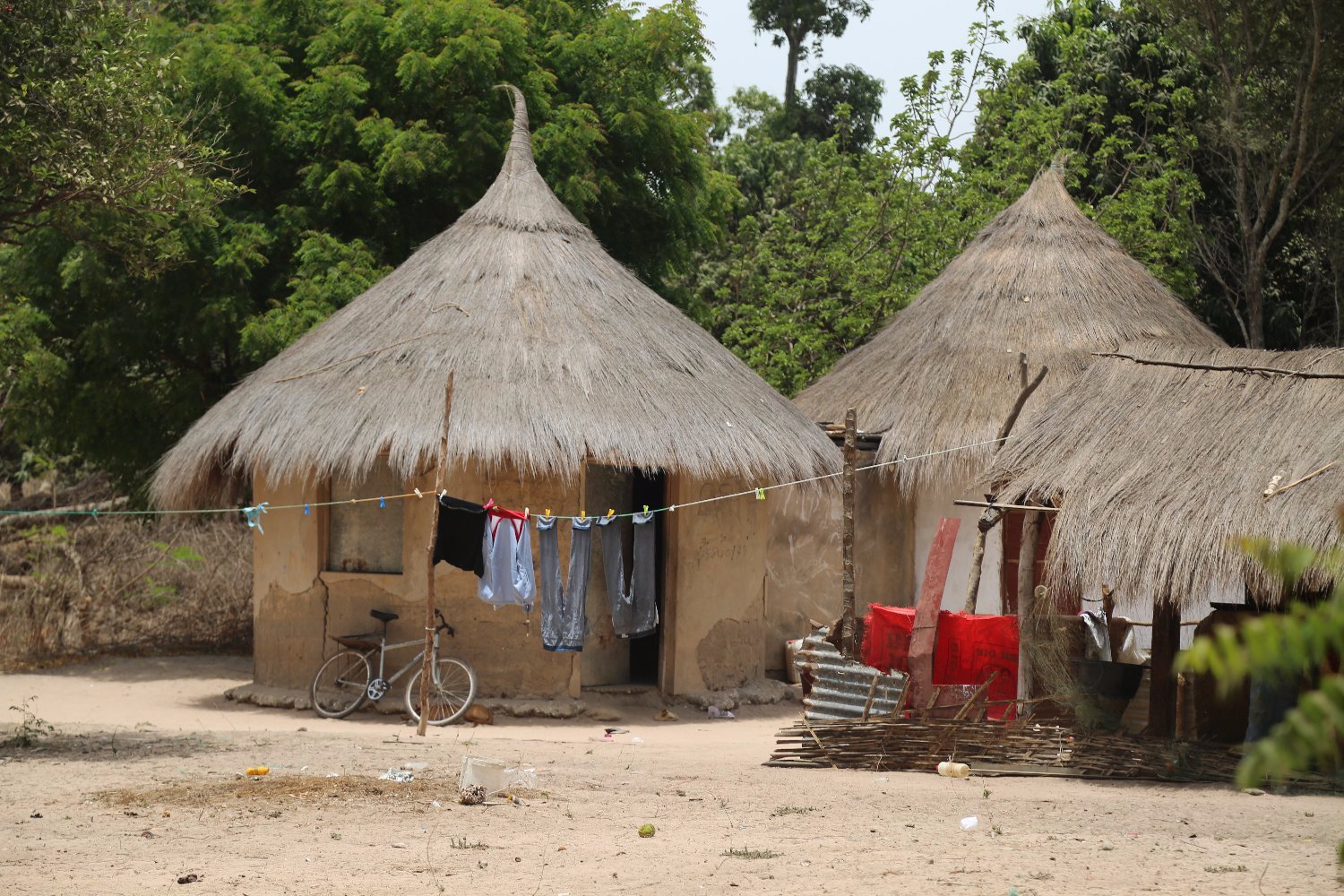
Heritage tourism is an un-sounding topic in Uganda’s tourism sector as it is concealed in the dark. Nobody says anything about but it could also be an amazing venture for income generation especially for the government, Uganda safari companies and other service providers.
Famous for her beauties such as wildlife and amazing landscapes, the Pearl od Africa is full of extra ordinary people, with different lifestyles, customs and backgrounds. It takes a xenophile or cultural enthusiast to come from around the world to come and dig deep into these people. They are not common, but their uniqueness is very eye-catching and interesting to dive into.
Being accustomed to only animals, heritage tourism is seemingly left out anthropologists and other persons can get attracted to investing time to visit different cultures, because they are seemingly hidden from the world. There are different heritage sites in Uganda such as Batwa cultural experience, Igongo cultural centre, Kasubi tombs, the Ndere cultural centre, Tooro kingdom, Amatsiko community experience, Source of the Nile, Karamoja cultural experience and Bunyoro kingdom.
KARAMOJA CULTURAL EXPERIENCE
Have you ever seen a Manyatta, or been an area where their economic activity is to rear cattle, if you’ve never, Karamoja sub region is your place. Situated in north-eastern Uganda, Karamojongs are a group of persons that can attract many tourists because of their unique ways of life.
This region covers Kaabong, Moroto and Kotido districts and is surrounded by various mountains such as Morungole to the north, Moroto to the east and Napak and Kadaam. Here one can experience the people, landscapes and wildlife. One can enjoy a mixture of all these with a well-planned safari or itinerary to the north east.
One gets to dive more into the meaning of resilience, given the Karamojongs as an example, who stay in their region with harsh weather conditions in the savannah landscapes. However, one also gets a village experience by taking part in the community, partaking of daily life activities such as preparing of meals, warrior games and traditional folklore.
Being pastoralists, a xenophile, cultural enthusiast or anthropologist can take part in the pastoral life of Karamojongs such as spending a night with former warriors to partake of bringing cattle to the kraal, identifying local greens, herding and milking. Other traditions one can experience is spearing a cow for blood to drink and eat roasted and also obtain a traditional Karamojong name.
Surprisingly, these people are not as back ward as the majority may think for, they have their own workshops. A tourist can choose to take part in the bead-making workshop, hat weaving, basket weaving, clay sculpting workshops and bee keeping demonstration. Each of these workshops is deeply rooted into their culture and is very valuable to them. As a tourist, these hand-made items can be bought and taken home as souvenirs.
BATWA CULTURAL EXPERIENCE
Bwindi impenetrable forest was initially an original habitat for the Batwa pygmies, also known as the forest keepers before it was gazetted into Bwindi impenetrable National Park 1992, harbouring a large population of mountain gorillas as the main tourist attraction.
The hike to the Batwa pygmy’s local village is situated up a steep hill where you get to meet them and interact with the community pygmies. One you reach their village, your welcomes with an open big smile. During your visit, you will learn how to hunt, honey gathering, making medicine from herbs, how they made clothing while they still lived in the first, how they kept their children as they did their house duties.
They also prepare lunch during the train and later a very beautiful dance and drumming. The Batwa trail is a very wonderful experience which you can add on your gorilla safari while in Bwindi national park.
Economically, spiritually, and socially, the lives of these forest keepers have always been inter-twinned with this forest for generations. From activities such as gathering wild fruits, honey and hunting down small animals sing nets and traps and using forest materials to construct shelters.
When you visit them, they are an interesting group that provides cultural performances through songs, dances, their relations with forest animals and story telling. They further enable cultural transmission by the youth and elders that re-enact, teach and share traditional skills such as gathering wild food, making forest shelters, hunting techniques, making fire without matches and tracing medicinal plants and their usage.
The Batwa trail is located in Mgahinga Gorilla National Park, the trail is guided tour led by members of the Batwa community that demonstrates their heritage to the world. It exhibits their traditional life style, show cases their hunting techniques from the ancient days.
The tourist advances from the trail funds health care, education and other development projects for these forest inhabitants, ensuring preservation of their tradition while improving their ways of life. It is also an opportunity to contribute to sustainable tourism and foster cross-cultural understanding.
IGONGO CULTURAL CENTRE
It was established in 2003 by a cultural enthusiast and business man, located 12 kilometres from Mbarara city, and it occupies the former royal grounds of Ankole kingdom. It symbolizes the region’s tradition, origin, governance and royalty. It has many remarkable places to visit such as
Itaramiro (cultural village): The traditional name simply means a place where people gather and has rebuilt villages with grass-thatched huts for both crop farmers and cattle keepers. It also has other historic household items such as calabashes, hides and skins, milking equipment, grinding stones among others.
Biharwe Eclipse Monument: It is one of the most eye-catching land marks of the area. This eclipse monument lies across Igongo’s grounds on hill top. The 1520 AD Biharwe eclipse commemorates a solar eclipse that stopped a cattle raid by the Bunyoro king, who abandoned his loot that was later named cows from heaven by the local people. This monument was unveiled in 2014.
THE NDERE CULTURAL CENTRE
It is a large area seated on 9 acres in Kisaasi-Kampala, that celebrates Uganda’s diversified and rich cultural heritage. The place is well adorned with a variety of fruits and African trees and also exhibit high-end architecture that seamlessly blends artistic creativity with simplicity, elevating African forms, materials, colours, and construction to new heights. It is indeed a tranquil environment to glimpse at art in every one of its aspects.
Uganda having over 50 ethnic groups, each having different customs, stories, dances, traditional songs and languages. The Ndere troupe therefore strives to bring these diversities to life, which is not only entertaining but also educative. This place is also a living museum that celebrates the country’s diverse traditions, music, dance and story telling.
This Ndere cultural centre also provides an amazing space for comfortable accommodation for individuals, couples, families and large groups.
It is also used as a space for hosting social parties and outings, conferences and workshops and corporate receptions.
KASUBI TOMBS
Seated in Kampala, is one of the most treasured places of Buganda kingdom. This is because it is their royal burial site, where all the remains of the ancient kings of Buganda are kept. The tombs are of great historical importance to the kingdom, Uganda and the world. Many royal rituals and traditional activities are held at this place.
It attracts a huge number of tourists that come to glimpse at the portraits of kings, and more so the great architectural impression of them.
TOORO KINGDOM
This part of the western region that encompasses royal palaces, traditional rituals, tombs and their unique Empako naming system. Tooro kingdom is an epitome of self determination and resilience among its people rooting from their predecessor Prince Kabayo Kasusunkwanzi Olimi 1, a son of a Bunyoro king who rebelled against his father to start his own independent kingdom in 1830.
Key sites in Bunyoro kingdom are Royal tombs at Karambi and the Amabere ga Nyina Mwiru caves are being preserved and recognized to protect their significant historical, cultural, spiritual values for future generations and tourism located in Fort portal city. It is a heritage site that offers remarkable window into Uganda’s royal traditions, social customs and architecture.
Cultural identity is preserved through their language, Rutooro being one of the Uganda’s Bantu languages. It has great emphasis on respect especially towards elders.
Traditional ceremonies such as Empango (coronation anniversary) of the king attracts thousands of people from all over the world every year because it is a main exhibition for Tooro’s traditional attire, dance and music, demonstrating a glamorous display of cultural unity and heritage preservation.
In this kingdom, heritage tourism is promoted and preserved as visitors not only experience a blend of natural beauty, culture and history. However, the amazing surroundings of this kingdom are another adventure such as Kibal National Park, crater lakes, Rwenzori mountains and tea plantations, adding to the beauty of the entire kingdom.
AMATSIKO COMMUNITY EXPERIENCE
Located in south -western, Amatsiko community experience is a vibrant example of community empowerment, cultural preservation and a sustainable tourism. It protects the rich cultural tradition of the Bakiga and Banyankole people. This community is a living heritage site where tradition, nature and community co-exist harmoniously, making it a unique initiative, more than just a tourist attraction.
Amatsiko is set amidst lush banana plantations and rolling hills, surrounded by the breath-taking sceneries that mirror the Pearl’s beauty. Undertakings such as village farming tours, nature walks and bird watching give visitors the good glimpse into sustainable lifestyles of remote Uganda. Other activities include millet grinding, basket weaving and banana beer brewing.
The Amatsiko community experience is a community-tourism, one of its kind in Uganda, that prioritises local involvement to show case their daily activities and nature walk around their homesteads. The income collected from the tours helps fund education and other development projects in the community.
BUNYORO KINGDOM
Bunyoro-Kitara Kingdom traces its origins to the 13th century and is believed to have been one of the most powerful empires in the Great Lakes region and is the father of Tooro kingdom.
Bunyoro kingdom is located in the western part of Uganda, the kingdom extends across districts such as Hoima, Kagadi, Masindi, Kibaale and Buliisa. Its rich heritage, customs, and traditions make it an invaluable part of Uganda’s cultural landscape and a major attraction for heritage tourism. There is a variety of tourist attraction that help one dive deep into the kingdom’s origin, customs and stories, which include.
Bunyoro Museum: Situated in Hoima, this museum showcases artifacts, regalia, and tools that tell the story of the kingdom’s past. Visitors can learn about traditional governance, clan systems, and cultural practices that continue to shape the identity of the Banyoro people.
The Royal Palace at Hoima: The king’s (omukama’s) palace in Hoima District serves as the throne of the Bunyoro Kingdom. It is a key cultural landmark where royal ceremonies and traditional rituals are held.
Mparo Royal Tombs: Situated a few kilometres from Hoima town, these tombs are the burial grounds of Bunyoro’s famous kings, including Kabalega, who resisted British colonization. The site is sacred to the Banyoro people and is a place of remembrance for their historical struggles and victories.
Traditional Music and Dance: The kingdom is known for its rich performing arts, especially the famous Runyege-Ntogoro dance, which depicts unity and celebration, which are integral to cultural festivals and royal gatherings.
JINJA THE SOURCE OF THE NILE
John Hannington Speke caused the fame of the place in 1858, naming it the source of River Nile during the expedition he had with Richard Burton. Since then, the place has been of incredible significance to not only Busoga region but also to Uganda at large. It attracts an enormous number of tourists from near and far, generating a lot of income for the nation.
Foreign tourists rent cars, especially 4×4 vehicles to travel there and take part of the thrilling activities one can do while at the source of the Nile, thus increasing income for self drive Uganda companies and other service providers that work in line with tourism.
For the Basoga, the Source of the Nile is deeply intertwined with their traditional beliefs and practices as it is associated with ancestral spirits and considered a sacred site where rituals, blessings, and cleansing ceremonies are performed. It is also an income generating source for them as they engage in craft making of which their products are bought by tourists as souvenirs.
Local legends speak of spirits that guard the waters and protect those who respect the river’s sanctity. These traditional beliefs continue to be respected today, reflecting the strong connection between the people and their natural environment.
Visitors can undertake white water rafting, boat cruises and zip lining at the source of the Nile and for the locals, people are employed as guides and instructors since the government of Uganda and heritage organizations preserved this place for cultural integrity and natural beauty.
In conclusion, heritage tourism can be a great source of income to Uganda once she is ready to diversify the tourism sector. Given placing the same resources, advertisement and fees put in touring animals to be received also by heritage sites, to exhibit the uniqueness of Uganda through culture and history.
The individualised unique masses can utterly gain from it to spear head development of their areas and have a word spread about them internationally.
In conclusion, Uganda just like its neighbouring countries (Kenya, Tanzania, Rwanda and Congo) is a cultural haven ready to be explored at any time.



Leave a Reply