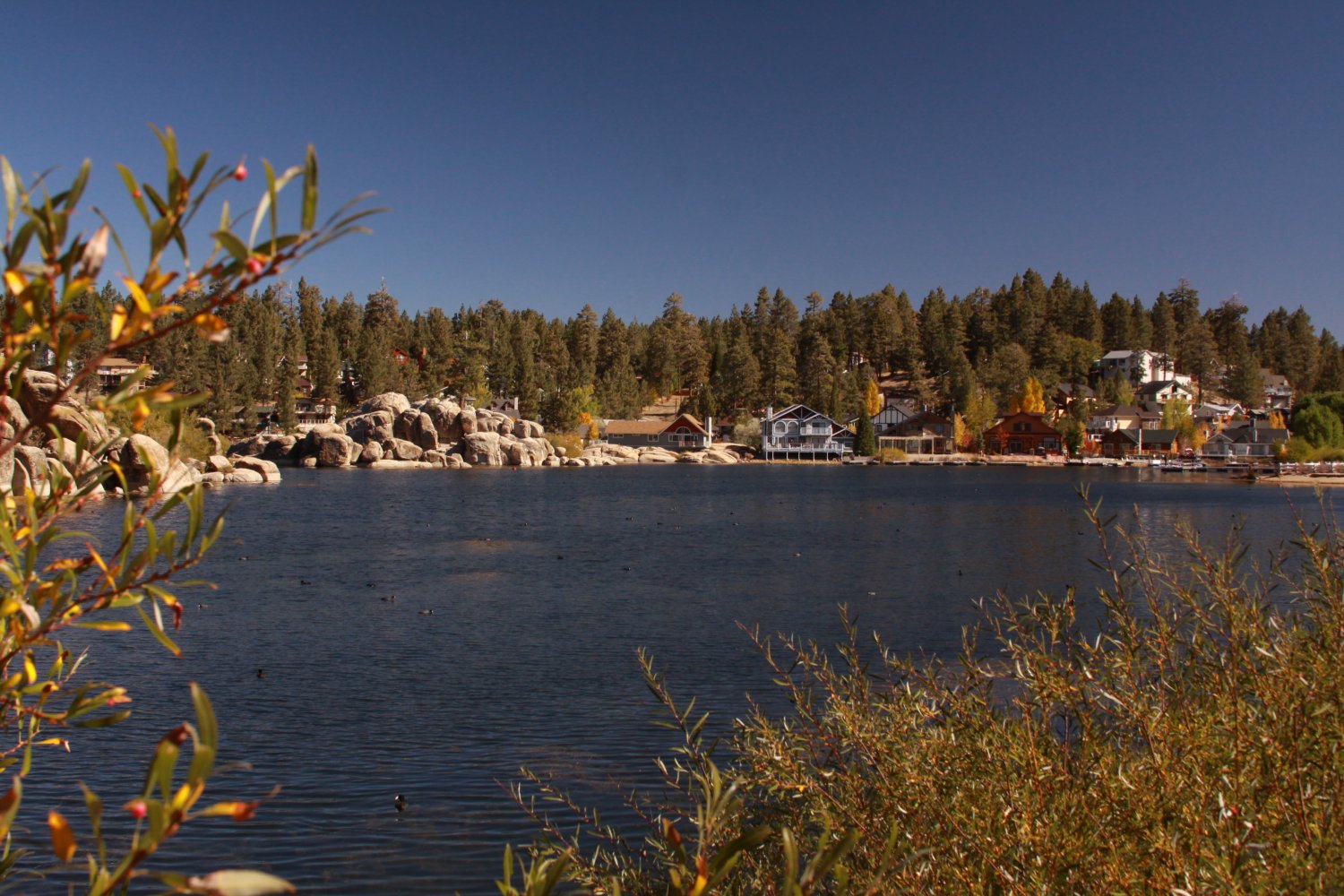
 Big Bear Lake is located just under 2 hours east of downtown Los Angeles and the lake and its nearby surroundings are without a doubt among some of the most picturesque natural beauty easily accessible from the Los Angeles basin and its communities. At nearly 7000 feet, the elevation outnumbers the population here. If your looking for LA “glitter” this is not the place to go. Rather it *is* the place to go to get away from people (especially in the shoulder seasons – Spring and Fall) and smog – yes as you drive up you may see blankets of that brown and orange stuff covering the lower lands.
Take the 210 Freeway East just past the city of San Bernardino where you will connect with Highway 330 which meets Highway 18 which then runs right into Big Bear Lake. The road up the mountains is windy (not as bad as Highway 2 up to Mt Wilson) and there are plenty of pullouts as well as even several passing lanes as you make your way up or down the “mountain”. The road peaks out at just over 7100 feet. The road climbs fast! Before you reach the lake you will pass by the Snow Valley Ski area next to the side of the road: www.snow-valley.com
This man made lake is not large and you can drive around it in about 45 minutes. There are two distinct sides of the lake – the south side along Highway 18 is much more developed and is where you will find your vacation rentals, restaurants and other businesses. The north side is along Highway 38 and is much less developed – no gas, few homes and more “natural”. There are many areas along Highway 38 where you can pull off the road and walk down to the lake.
Hiking
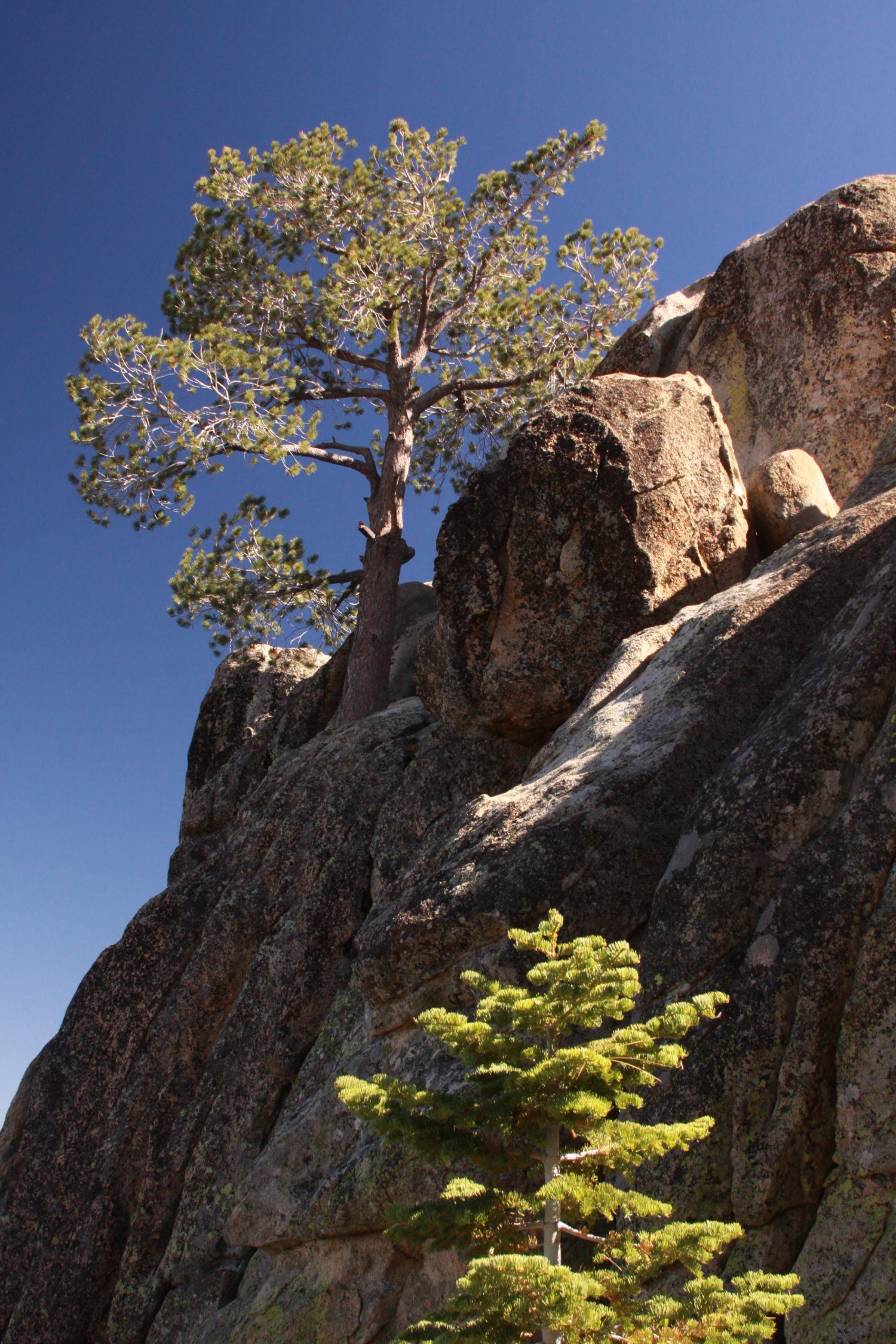 Hiking is a big reason why you come to Big Bear Lake. There are many trails in the area – ranging from easy to longer and very strenuous – taking one up to the Pacific Crest Trail and to elevations of 8000 feet or more. Note that if you are going to be parking at trailheads you will need to have either a day or yearly adventure pass hanging from your rear view mirror. These are $5/day or $30 for the year – you can buy them at various resorts/lodges in Big Bear or the Big Bear Discovery Center.
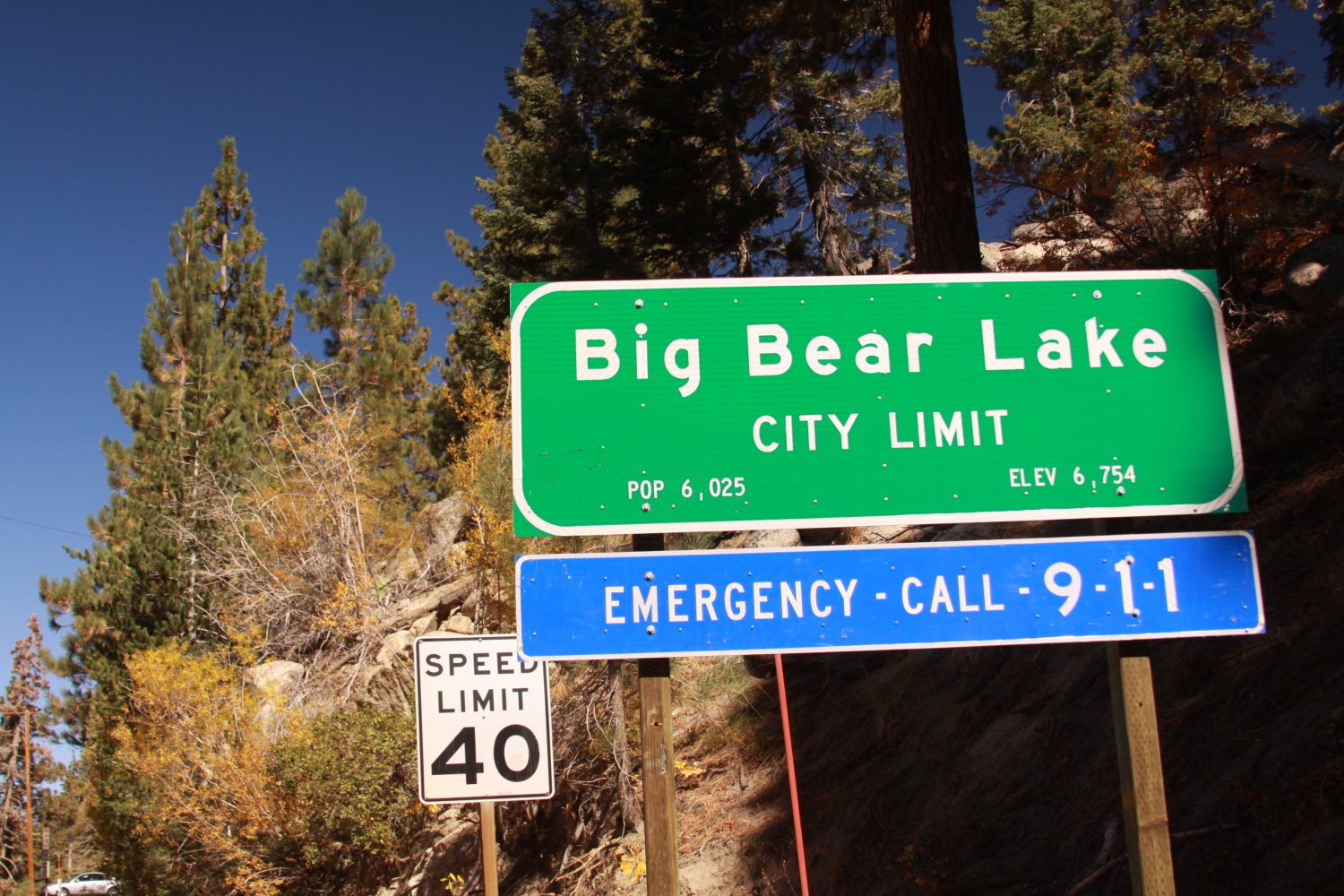
One hike we recommend is located on southern part of the lake off of Highway 18 – about 1 mile in from the dam. It is the Castle Rock Trail hike which starts right next to the population and elevation sign of Big Bear. Parking is on the south side of the highway and is somewhat limited and fills up fast during the summer. Be very careful crossing over to the trail side of the road as this part of the highway is very narrow and curvy.
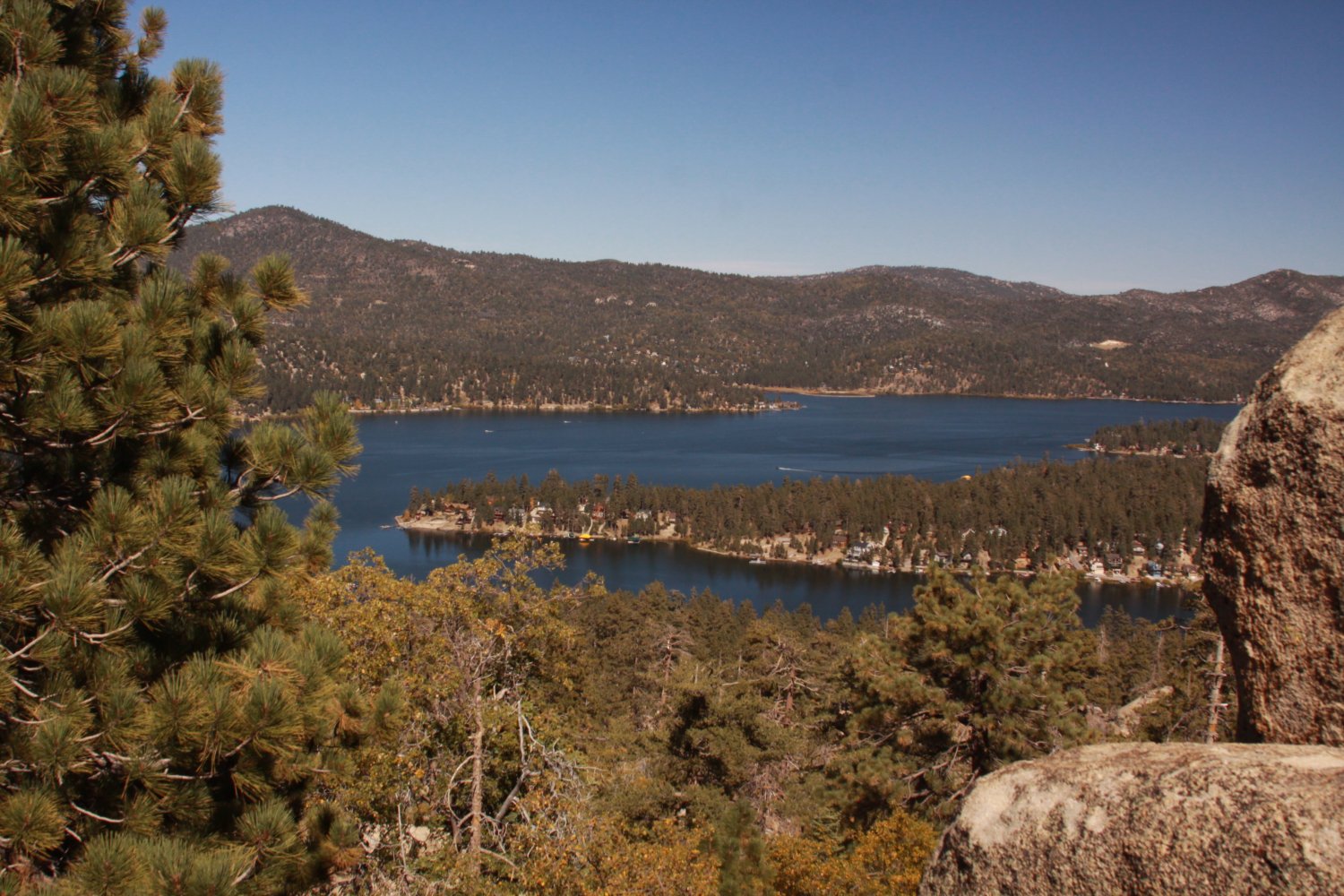
The hike is a steep one but doable that is about 2.5 miles round trip. It climbs 500 feet to the top of the ridge and affords on excellent views of Big Bear Lake in the distance and the surrounding forests. The trail ultimately reaches several rounded granite boulder patches and ends at the largest and tallest of these – granite boulders and cliffs. One should feel comfortable “bouldering” before climbing to the top of these rocks – but when you do, the views are stunning.
Be sure to pick up the pamphlet titled, “Hiking Trails Around Big Bear” that you can find at many of the resorts, lodges and or the Big Bear Discovery Center.
Lodging
Oak Knoll Lodge is a family owned historic resort located in the forest above Big Bear Lake at 949 Tulip Lane. This is the type of place that families come year after year. The lodge first opened in 1920 and has been owned by the Lawrence family since 1927. Roy and Elizabeth Lawrence purchased it in that year and today their son and his family operate the lodge. Stays are in private cabins (each one unique) – all have kitchens. A pool is located in the middle of all the cabins. The lodge is located near the forest and hiking trails – while not on the lake (need to drive to the lake) this lodge affords one all the privacy and relaxation one could need. The rates are reasonable to – especially during the off season. Visit: www.oakknolllodge.com
For more information about Big Bear, the visitor’s bureau maintains the following website: www.bigbear.com
Photography

Leave a Reply