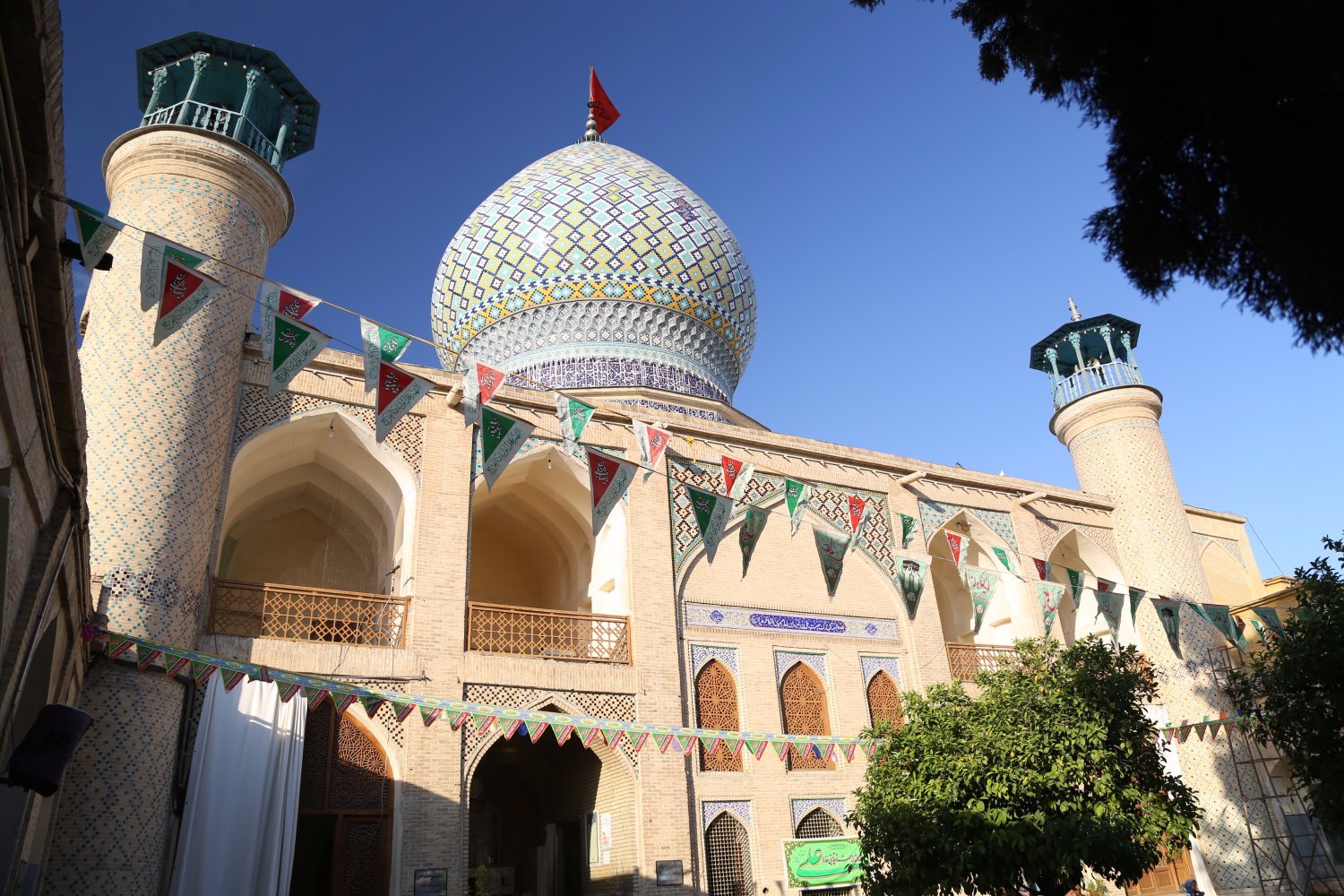
Blue mosques stand as mesmerizing jewels in the crown of Islamic architecture, their shimmering turquoise domes and intricate tilework drawing travelers from every corner of the globe. These azure sanctuaries, often nicknamed for their dominant blue hues, blend ancient artistry with spiritual depth, offering amateur explorers profound insights into diverse cultures. From the bustling heart of Istanbul to the sun-drenched shores of Qatar: here’s the world’s most iconic blue mosques, revealing their histories, designs, and must visit allure.
Introduction to the Blue Mosques
Cultural and historical significance
The concept of “blue mosques” traces its roots to the profound symbolism of blue in Islamic tradition, where the color evokes the infinite heavens, divine protection, and spiritual purity. That was inherited from pre-Islamic Persian artistry using rare lapis lazuli. As early as the 11th century in Persia, artisans began glazing tiles in cobalt blues to adorn sacred spaces, transforming mosques into symbols of imperial grandeur and cultural identity.
Blue mosques also tell the story of a real technical revolution. As stated by this research on the Persian Tiles of the Metropolitan Museum of Art in New York, in Islamic Persia, tile production was virtually unknown before the 11th century, and the first turquoise inscriptions on religious architecture appear only around 1058 on the minaret of the Friday Mosque in Damghan, followed in 1115 by the domed chamber of the Friday Mosque in Qazvin with the first internal tile inserts.
During the Safavid dynasty in the 16th-17th centuries, this aesthetic peaked, influencing Ottoman and Mughal builders: blue became synonymous with paradise gardens described in the Quran, featuring floral motifs and geometric patterns that warded off the evil eye. In regions spanning the Middle East, Central Asia, and beyond, these mosques served not just as prayer halls but as communal hubs for education, festivals, and diplomacy. Historically, blue mosques marked pivotal eras: the Ottoman rivalry with Safavids spurred extravagant constructions, while in Afghanistan, they endured invasions as beacons of resilience. Today, their cultural weight persists in global heritage lists, drawing pilgrims and tourists alike to ponder humanity’s quest for the divine through color and craft.
Key Architectural Features
What unites blue mosques is a symphony of shared elements rooted in Persian and Ottoman ingenuity, starting with grand central domes that mimic the vault of heaven, often clad in turquoise glazed tiles that catch sunlight like sapphires. Slender minarets,typically four to six, rise elegantly, their blue accents calling the faithful to prayer across vast landscapes, while expansive courtyards with ablution fountains promote ritual purity and communal gathering. Interiors boast millions of hand-painted tiles from famed kilns like İznik (Turkey) or Tabriz (Iran), depicting arabesques, muqarnas (honeycomb vaulting), and Quranic calligraphy in shimmering blues, indigos, and turquoises. Natural light pours through hundreds of stained-glass windows, casting kaleidoscopic patterns that enhance the ethereal glow, a technique perfected in Isfahan. These features scream luxury: blue tiles, rarer and costlier than greens or whites, signified sophistication, with gold leaf and marble inlays adding opulence. Parallels abound with Persian masterpieces like the Sheikh Lotfollah Mosque, where iwans, vaulted portals, frame the dome, creating optical illusions of infinity. For travelers, these elements offer photographic goldmines and meditative retreats, embodying architecture’s power to elevate the soul.
Sultan Ahmet Camii, the Blue Mosque in Turkey
Historical Background and Architecture
Rising majestically in Istanbul’s Sultanahmet district, the Sultan Ahmet Camii, affectionately dubbed the Blue Mosque, was commissioned in 1609 by the young Sultan Ahmed I, amid the Ottoman Empire’s golden age yet shadowed by military setbacks against the Safavids.
Completed in just seven years, it was a bold riposte: its six minarets flanked a colossal 23.5 meter diameter central dome, soaring 43 meters high, supported by four elephantine pillars cased in marble. Architect Sedefkar Mehmet Agha drew from Byzantine and Seljuk influences, crafting a 4,300 square meter prayer hall alive with over 20,000 İznik tiles, masterpieces in tulip, carnation, and cypress motifs, transitioning from deep cobalt at the base to lighter turquoise aloft. Chandeliers, once oil lamps, now electric, dangle above mihrabs of carved marble, while 260 windows flood the space with prismatic light, amplifying the blue dominance that birthed its nickname.
Externally, cascading domes and semi-domes integrate seamlessly into the skyline, with a spacious courtyard ringed by a covered arcade. This architectural complex, blending engineering prowess with aesthetic splendor, remains a pinnacle of classical Islamic design, inviting visitors to trace its contours via guided audio tours.
Cultural significance and tourism
Beyond bricks and mortar, the Blue Mosque pulses as Istanbul’s cultural heartbeat and a UNESCO World Heritage site since 1985. Non-Muslims were once barred, but now welcome outside prayer times. It hosts Ramadan prayers drawing thousands, Eid celebrations with illuminations, and interfaith events underscoring Turkey’s secular Islamic bridge. Tourism wise, it anchors the “Historic Areas of Istanbul,” welcoming over 10 million visitors yearly alongside Topkapi Palace and the Basilica Cistern. Entry is free, but donations support upkeep.
Practical tips for amateur travelers: arrive via T1 tram to Sultanahmet stop. Opening time it’s near 8.30/9 AM and it closes between 5 and 7 PM. Its enduring draw? That moment when light dances on tiles, evoking centuries of devotion, pure magic for any wanderlust soul.
Katara Masjid, the Blue Mosque in Qatar
Design and inspiration
Doha’s Katara Masjid emerges as a modern ode to blue mosque traditions, its petite yet striking form unveiled in 2011 within the ambitious Katara Cultural Village project. Architecturally, a single azure dome crowns the prayer hall, flanked by twin minarets sheathed in glossy blue tiles that gleam under Qatari sun. Interiors unfold in vaulted spaces lined with geometric mosaics, floral arabesques, and Quranic inscriptions in subtle golds against a dominant turquoise palette, sourced from local and Turkish artisans for authenticity. High ceilings amplify acoustics for adhan echoes, while clerestory windows filter soft light, mimicking ancient light play. At 1,500 square meters, it balances intimacy with grandeur. Limestone facades nod to Gulf heritage meanwhile sustainable cooling via geothermal tech marks contemporary innovation. Inspirationally, it fuses Fatimid minimalism and Ottoman exuberance, symbolizing Qatar’s cultural diplomacy. At dusk, LED uplighting transforms it into a beacon, perfect for Instagram-savvy explorers.
The role within Katara Cultural Village
Katara Masjid is the spiritual nucleus of Katara Cultural Village, a 1.7 million square meter sprawl launched in 2010, home to eight mosques, amphitheaters, galleries, and the iconic Katara Mosque nearby. Here, it facilitates daily prayers, hosts banquets during Ramadan, and interfaith forums amid art biennales and opera premieres, bridging East-West divides. To find out more about the Katara Cultural Village and all the opportunities it offers you can can check this site.
Community-wise, it anchors youth programs, calligraphy workshops, and heritage nights, drawing locals and expats into cultural exchange. For visitors, accessibility shines: Free entry daily, reachable by shuttle from West Bay or taxi; modest dress enforced. Optimal timing? Evenings for illuminated walks, or Fridays for sermons blending Arabic modernity. Events like the Katara International Festival create immersive days. This gem elevates Qatar beyond skyscrapers, offering travelers authentic Middle Eastern hospitality in a family-friendly haven.
Shah Mosque, the Blue Mosque in Iran
In Isfahan’s UNESCO-listed Naqsh-e Jahan Square, the Shah Mosque reigns as Iran’s blue mosque paragon, commissioned by Safavid Shah Abbas I to eclipse Ottoman rivals. Its 32 meter turquoise dome, tiles shifting from azure to emerald in sunlight, anchors four towering iwans framing a vast courtyard with four minarets, 48 meters each, fountains, and winter/summer prayer halls.
Architectural uniqueness
Over 1.6 million tiles from master workshops burst with paradise motifs: lotuses, peacocks, and vines in lapis blues, rivaling Persian carpets. Muqarnas portals create stalactite illusions, while the dome’s acoustic dome-within-dome perfects the muezzin’s voice. Marble basins and gold-embossed mihrabs add luxury; sunset views from the square’s cafes capture its chameleon hues.
The Blue Mosque of Mazar-i-Sharif in Afghanistan
Northern Afghanistan’s Rawza-i Sharifa, or Blue Mosque of Mazar-i-Sharif, enshrines Hazrat Ali’s purported tomb, its cluster of five onion domes clad in vivid lapis tiles rebuilt post-1990s earthquakes and Taliban strife. Dating to the 15th century, minarets pierce cobalt skies, interiors swirl with floral blues, mirrors, and chandeliers amid silver doors.
Nowruz (Afghan New Year) sees 2 million pilgrims in vibrant attire, kite festivals overhead. Resilient amid quakes and wars, it symbolizes Shia devotion in Sunni lands.
Contemporary Influences
These sites fuel dialogues, UNESCO conferences and pilgrimages, preserving heritage via tourism revenue. For travelers, they signal Islam’s evolution: serene apps for prayer times, drone shows at festivals. Blue mosques thus bridge eras, inviting amateurs to witness faith’s vibrant pulse.
Blue mosques transcend stone, whispering tales of empires, artisans, and aspirations across millennia. From Istanbul’s throngs to Doha’s whispers, they beckon with azure promises of wonder. Fellow wanderers, chart your course! These timeless havens await your footprints.




Leave a Reply