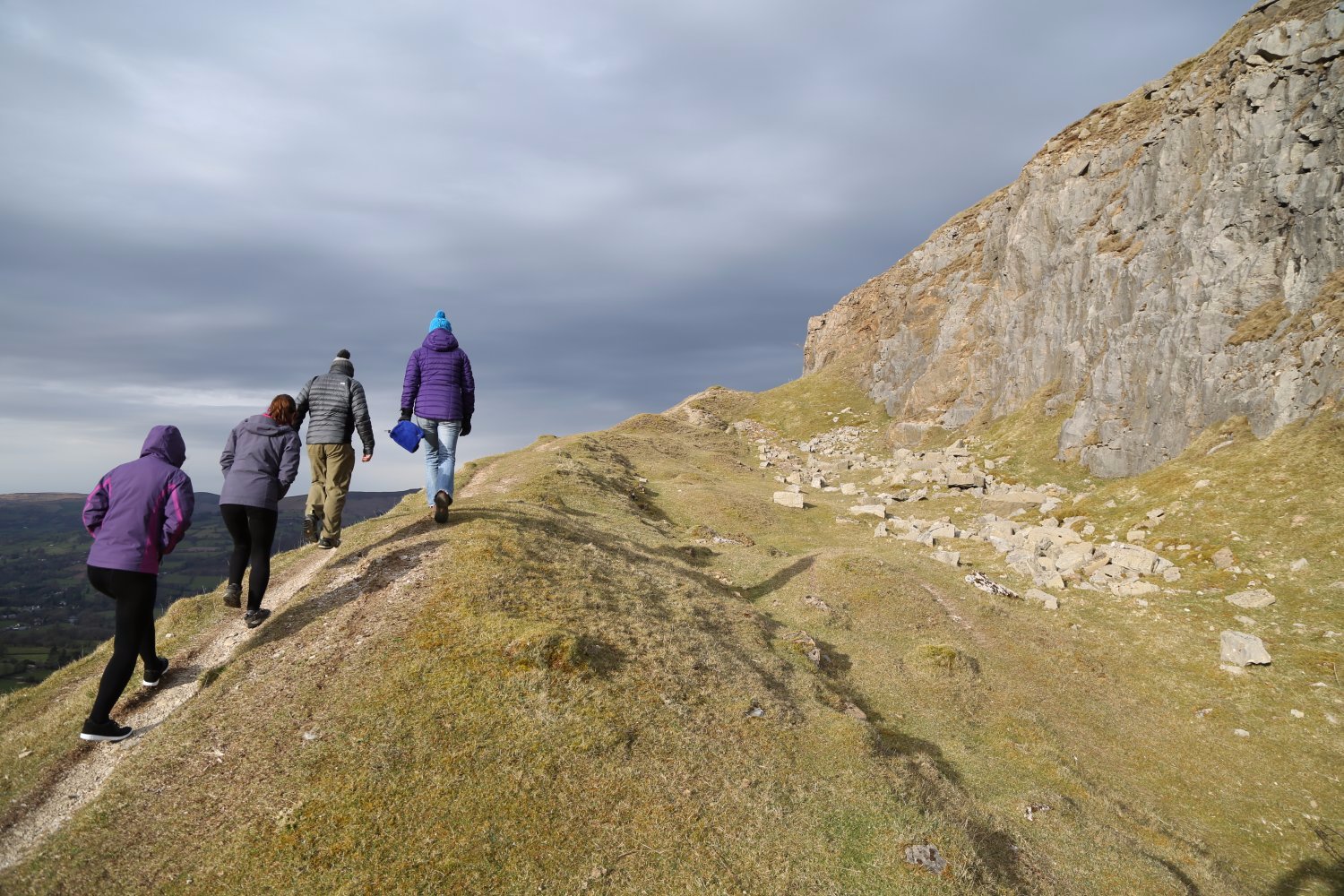
Some of the best memories from the UK and Ireland come from places that barely appear in guidebooks. A quiet harbour at the end of a winding road, a country pub filled with locals on a rainy afternoon, or a walking path connecting villages across open farmland often leaves a stronger impression than a famous attraction.
The places below are full of rural areas where the landscape still shapes daily life. In the Highlands, mountains and lochs dominate the horizon. Along the Welsh coast, small fishing communities sit beside long stretches of shoreline. Across Ireland and the English countryside, historic towns continue to serve as local gathering places rather than tourist showcases.
Peaceful Dog-Friendly Getaways in the British Countryside
Bringing a dog on vacation in Britain is surprisingly easy. Many rural regions are crisscrossed by public rights of way, meaning walkers can cover miles of countryside without needing to stick to roads. In the Yorkshire Dales, paths wind between dry-stone walls and grazing sheep, while Northumberland’s quieter routes often pass old farmsteads, woodlands, and streams with barely another person in sight.
When it comes to superb dog-friendly holiday cottages, choose something that puts you directly beside walking routes. The best options often include converted barns, shepherd’s huts, traditional cottages, and farm stays where morning walks begin straight from the front door. Around Ullswater, Grasmere, and Tarn Hows in the Lake District, it’s easy to spend an entire day outdoors without ever moving the car. Some properties even provide boot rooms, dog showers, and enclosed gardens, which make a noticeable difference after a muddy afternoon on the trails.
Market towns add variety between walks. Skipton’s market still stretches along the High Street several days a week, while Ludlow combines independent food shops, medieval architecture, and one of England’s best-known farmers’ markets. Dogs seem welcome almost everywhere, from cafés to local bookstores.
Atmospheric Wilderness Lodges in the Scottish Highlands
The Scottish Highlands start to feel different the moment the traffic disappears. A drive west toward Torridon or Kinlochewe often involves long stretches of road where the biggest delay comes from sheep wandering across the pavement.
Many lodges sit close to landscapes that feel surprisingly untouched. Around Loch Maree, trails pass through remnants of ancient Caledonian pine forest, and the pull-offs along the A832 provide excellent places to stop without joining a crowd. On clear mornings, the reflections across the water can be almost perfectly still before the wind picks up later in the day.
Further east, Glen Affric remains one of the best places for a longer hike. The main trail follows the loch through woodland before opening into wider valleys backed by mountains. Meanwhile, Fort Augustus provides a completely different atmosphere. Sitting at the southern tip of Loch Ness, the village centres around the Caledonian Canal locks, where boat crews still work their way through the system much as they have for generations. A coffee beside the canal is often enough entertainment for an hour or two.
Immersive Small-Group Journeys Through Rural Ireland
Rural Ireland has a way of slowing things down. In smaller towns and villages, it’s not unusual for a quick stop in a café or pub to turn into a conversation with someone happy to share local recommendations, family history, or stories about the area. Often, the places that leave the strongest impression are the ones that weren’t on the itinerary in the first place.
One advantage of incredible Ireland small group tours is the opportunity to explore areas that many visitors often miss, particularly in parts of the country where public transport is limited and distances between attractions are greater than they appear. Routes often include towns such as Dingle, Clifden, Westport, and Kenmare, but the real advantage is the local knowledge that comes with them. Small groups can stop at family-run workshops, traditional music sessions, remote beaches, and historic sites that larger coaches typically bypass. Guides frequently know the people behind these businesses and attractions, adding context that would otherwise be missed.
Westport remains one of County Mayo’s most enjoyable towns to explore on foot. The weekly market attracts local producers selling everything from baked goods to handmade crafts. Just outside town, the Great Western Greenway follows the route of a former railway line through open countryside. In County Clare, the landscape changes dramatically around the Burren, where limestone pavements, stone walls, and ancient ruins create a setting unlike anywhere else in Ireland.
Hidden Coastal Hideaways Along the Welsh Coastline
Wales has more than 1,600 miles of coastline, yet large sections remain surprisingly quiet outside school holidays. The Llŷn Peninsula, stretching into the Irish Sea from northwest Wales, feels noticeably slower than better-known coastal destinations elsewhere in Britain.
Around Aberdaron, fishing boats still use the small harbour, and walkers regularly follow cliff-top paths overlooking Cardigan Bay. Nefyn has a similar atmosphere, particularly outside summer weekends. A short walk down to the beach often reveals more locals than tourists, especially during the shoulder seasons.
Further south, Pembrokeshire mixes rugged coastline with layers of history. St Davids holds city status thanks to its cathedral, although first-time visitors are often surprised by how small and quiet it feels. Narrow streets, independent cafés, and stone cottages give it more of a village atmosphere than a city one. From here, walkers can join the Pembrokeshire Coast Path and follow clifftop routes past secluded coves, nesting seabird colonies, and viewpoints overlooking offshore islands like Ramsey Island.
Historic Farmhouse Recreation Spots in the Cotswolds
The Cotswolds attract plenty of visitors, but many spend their entire trip moving between the same handful of villages. Staying on a working farm or country estate often provides a better sense of the region beyond the postcard photographs.
Broadway remains one of the busiest villages, particularly around its long main street lined with cafés, galleries, and old coaching inns. Burford feels steeper and slightly less polished, with its sloping High Street leading toward the River Windrush. In Painswick, visitors often wander into the churchyard simply to see the famous clipped yew trees arranged around the grounds.
Many farmstays are within easy reach of attractions such as Hidcote Manor Garden, Sudeley Castle, and Blenheim Palace, yet the quieter moments often happen much closer to where people are staying. Early mornings frequently bring tractors heading into fields, village stores opening for the day, and local markets setting up in nearby towns.
Ready to discover these beautiful landscapes?
The UK and Ireland reveal a different character once the cities are left behind. A cottage near a Yorkshire footpath, a lodge beside a Highland loch, a few days exploring rural Ireland, a stay along the Welsh coast, or a farmhouse in the Cotswolds all provide a closer look at how these regions actually live and work.
What tends to stay with people are not necessarily the headline attractions. It’s the market trader who remembers returning customers, the canal lock keeper chatting with boat crews, the quiet stretch of coastal path between villages, or the pub where locals gather after a day’s work.


Leave a Reply