Long-term travel rewards the prepared. Whether you’re planning a year abroad or an open-ended stint moving between countries, the right habits around budgeting, packing, connectivity and safety make the difference between a stressful grind and a genuinely sustainable lifestyle. These are the hacks that experienced travelers rely on to save money and keep moving efficiently.
Master Budget and Slow Travel Strategies
The single most effective way to make long-term travel affordable is to slow down. Spending two or three weeks in one place rather than hopping cities every few days dramatically reduces transport costs, unlocks weekly and monthly rental rates that are far cheaper than nightly ones, and gives you time to cook your own meals and find the spots locals actually use.
Choosing your base wisely matters too: Southeast Asia and Latin America consistently feature a high quality of life at a fraction of Western costs. Track your spending from day one and treat it as a running budget rather than a rough guess.
Pack Smart and Stay Organized On the Road
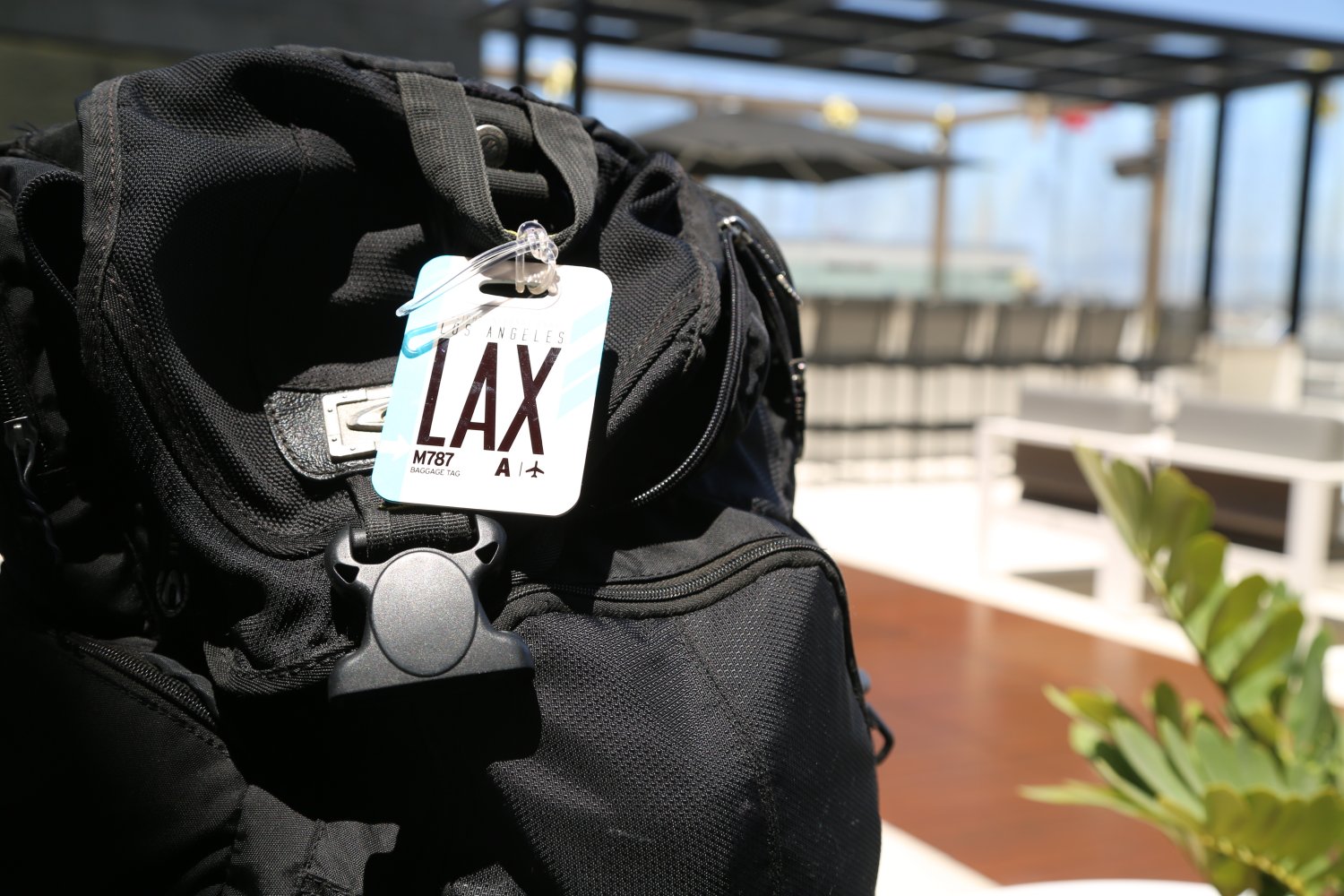
A single carry-on or a well-organized 40-litre backpack is the goal for most long-term travelers. Versatile, quick-dry clothing in neutral tones that can be layered for different climates removes the temptation to overpack for every scenario. Use packing cubes to separate categories (clothes, electronics, documents) so you can find anything in under thirty seconds without unpacking everything. Keep your most-used items at the top and your valuables close.
On the digital side, public Wi-Fi in hostels, airports and cafés is convenient but often unsecured – using a free VPN for iPhone when connecting to these networks keeps your passwords and personal data encrypted and private while you’re on the move.
Stay Connected While Traveling Abroad
Reliable connectivity is a practical necessity for navigation, communication and staying safe. Local SIM cards remain the most cost-effective option for data in any single country, while eSIMs – now supported on most modern smartphones – offer a cleaner solution for travelers who frequently move between countries, letting you switch carriers without hunting down a physical SIM.
Before each destination, research which carriers offer the best data coverage and pricing, and keep a local offline map downloaded as a backup for areas with poor signal. A portable power bank is non-negotiable for long travel days.
Prioritize Safety and Risk Management
Travel insurance designed for long-term or multi-trip travel is one of the most important investments you can make before leaving home. Standard single-trip policies typically cap out at 30 or 60 days. They won’t cover the full range of activities (such as adventure sports, scooter rentals, and remote medical evacuation) that long-term travelers commonly encounter. Look for policies with strong medical coverage and coverage for gear theft.
Beyond insurance, keep digital copies of your passport and key documents securely stored in the cloud, share your itinerary with someone at home, and register with the U.S. State Department’s STEP program to receive safety alerts and assistance abroad.





Leave a Reply