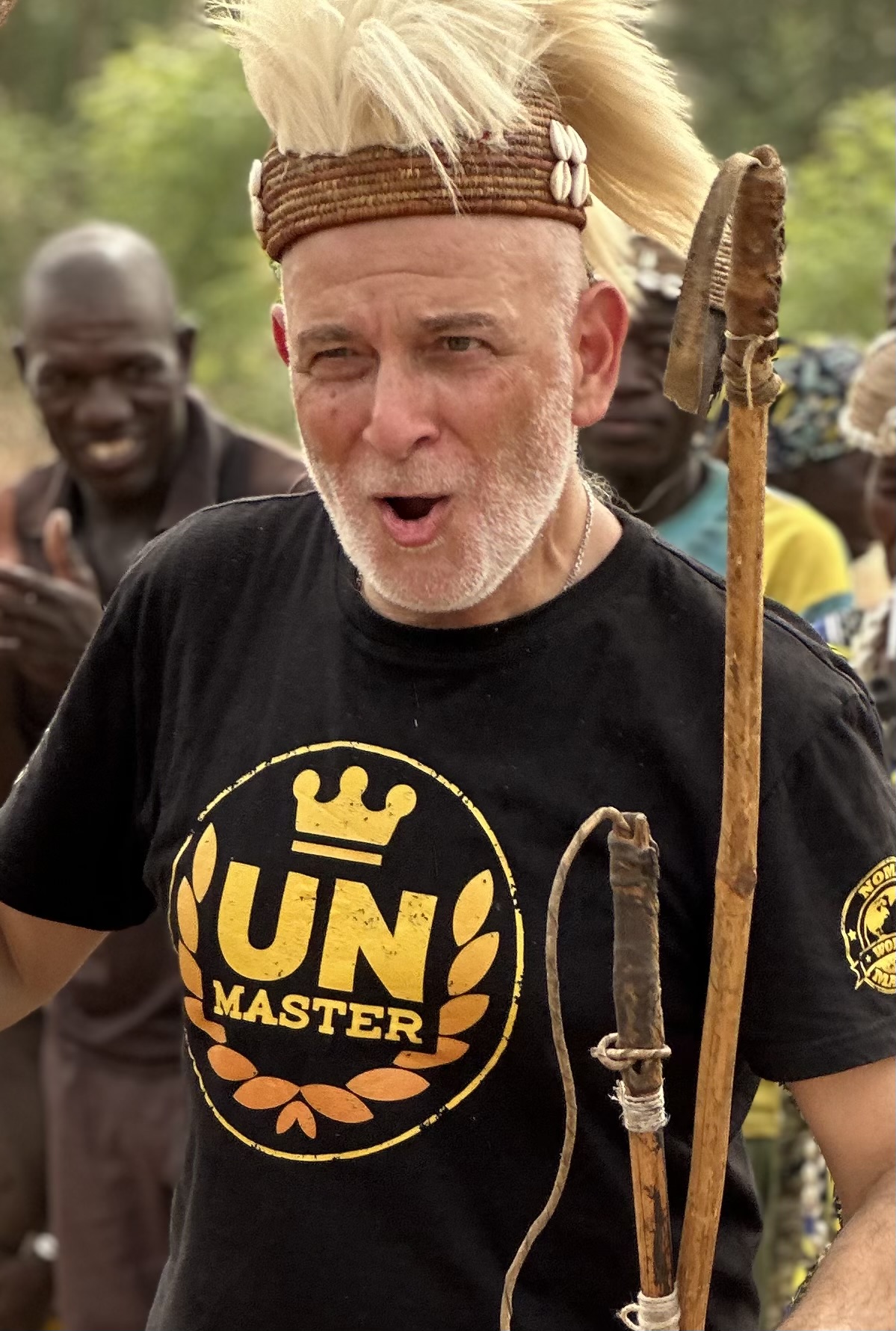
 Harry Mitsidis is the founder of NomadMania, one of the world’s leading communities for serious and “out of the box” travelers. Born in London and raised in Athens, he completed visits to all 193 UN-recognized countries by age 36 and has since visited all of them again, one of four people known to have visited every country twice. He created NomadMania to help travelers track, verify and share their journeys while promoting deeper exploration beyond simply collecting countries. He is widely regarded as one of the world’s biggest travelers.
Q. I know you have a sociology background, when you are out there traveling, do you look at countries more in terms of how people live and interact, instead of just thinking of them as destinations?
Once a sociologist, always a sociologist! Indeed, what interests me more is the cultural aspect of a destination which is why uninhabited islands leave me cold. Though nature is obviously amazing, and places such as Gilgit-Baltistan and its incredible mountains make for great photos, it is the people in the villages on the way, dressed in their own unique way with their way of life and their diversity that fascinates me more. One of my favorite activities is to sit at a café or on a bench somewhere and just people-gaze. Everyone has a story and uncovering that is the best part of traveling for me and the casual conversations, and sometimes the deeper connections, that travel brings are my main reason for exploring. In the process of understanding the people, one can also figure out what really makes countries different, even neighboring ones.
Q. Back in the day, and probably even now, a lot of travelers have been trying to set records by visiting every country in the world as quickly as possible. You are one of the people who have pulled that off. Now Looking back, do you think it is more important to hit as many countries as you can, or, would rather advise people to slow down and really spend time getting to know the variety a country has to offer?
It’s easy to give advice or be critical when you’ve already done it, isn’t it? Indeed, I rushed through my first visit of countries which I completed at the age of 36, especially whizzing through most places in Africa, which I regret deeply. For the average person, the idea that travel is just a list to ‘tick off’ may sound very odd indeed, but for those who are like me, thinking in terms of projects, often speed is necessary as they negotiate both their obsession and the difficulty to achieve the desired goal.
I would say that, for an ordinary person, slowing down is obviously the way to go, and it’s better to see a few countries deeply and get their full flavor rather than having bragging rights on the number you have done, without truly understanding what makes every country special. Having said that, if I could go back, I’d still do it my way probably – complete 193 fast, and then go back again at a slower pace.
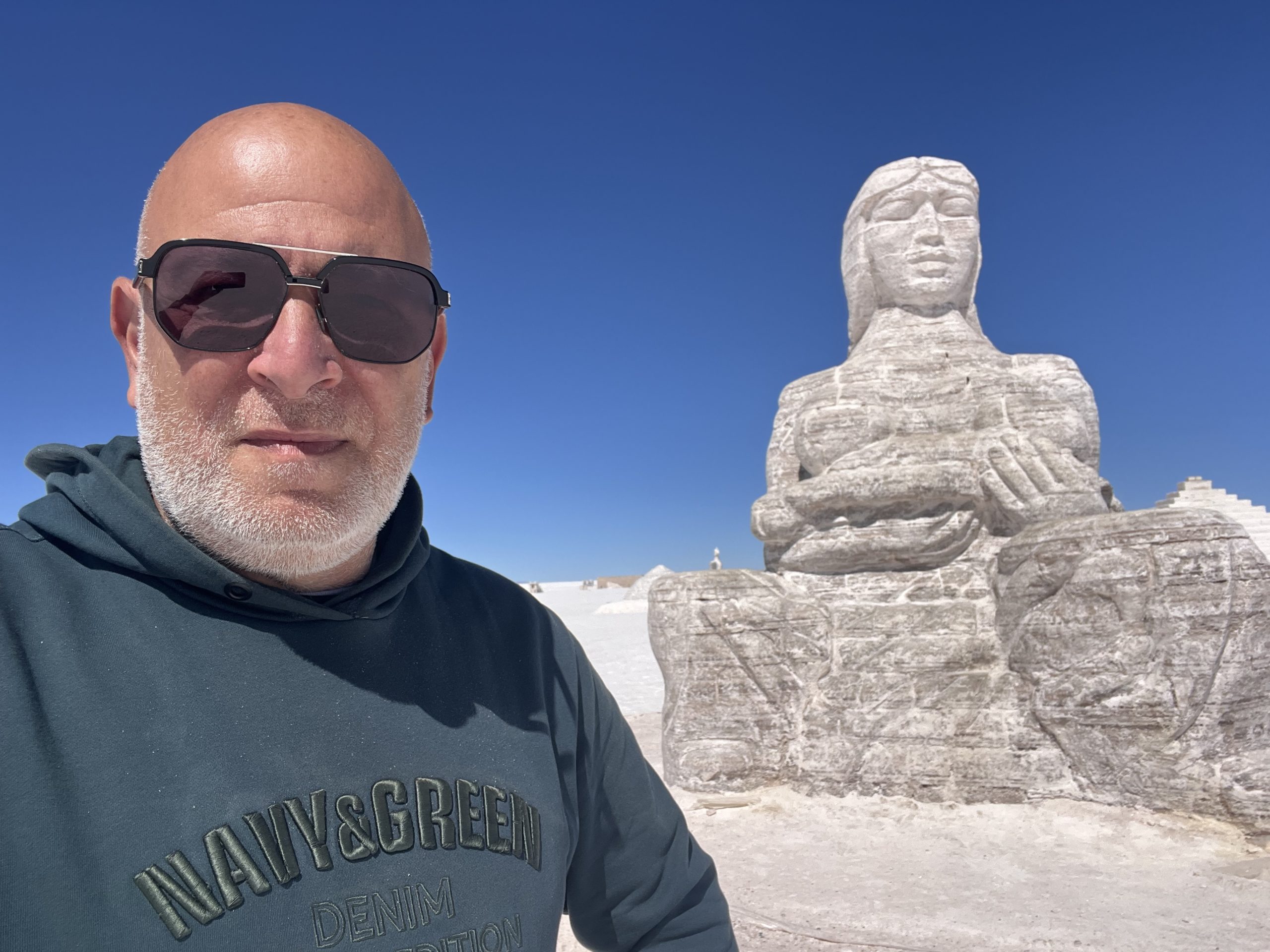
Q. You have traveled to every country twice, one of 4 people known to have done so. What actually feels different when you go back to a country the second time that really hit you, does it make you see things in a whole new way?
The second time was way different for many reasons. First of all, in many cases I myself as a person had changed. You see the world differently at, say, 30 compared to 50 years of age. You have a different focus and angle, and as a more experienced traveler, you can make cultural connections more easily and obviously feel more confident rather than apprehensive.
Second, the countries themselves often change beyond recognition. I first visited Vietnam in 1996 for a summer internship, which was one of those truly life-changing experiences for me. And I didn’t visit again until 2014. Talk about total transformation! So, obviously you react to that and reflect on the past. To a certain extent, revisiting countries, especially after a longer time, is like having a flashback to the older you. And that’s why travel is not just a passive act of observation, but very much an active act of self-transformation over time. And the third thing, the second time you explore the country much deeper, going to parts that are less frequented and therefore more authentic. That’s one of the aims behind NomadMania’s division of the world into 1381 regions – to get people out to the places less visited!
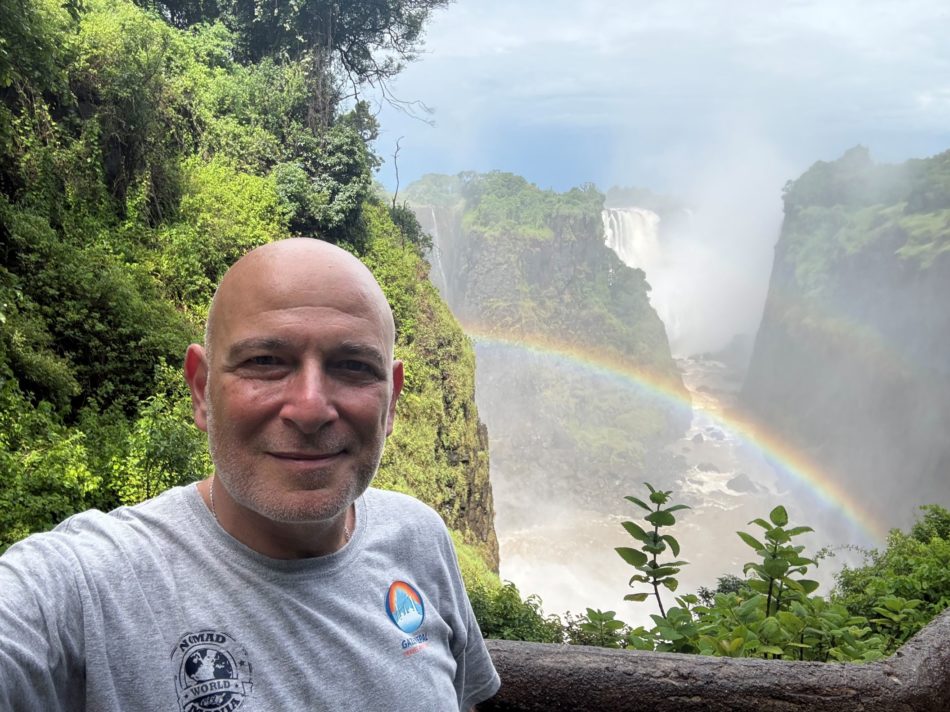
Q. NomadMania divides the world into 1,381 regions. What is the bigger idea behind splitting the world into those regions instead of just sticking with countries?
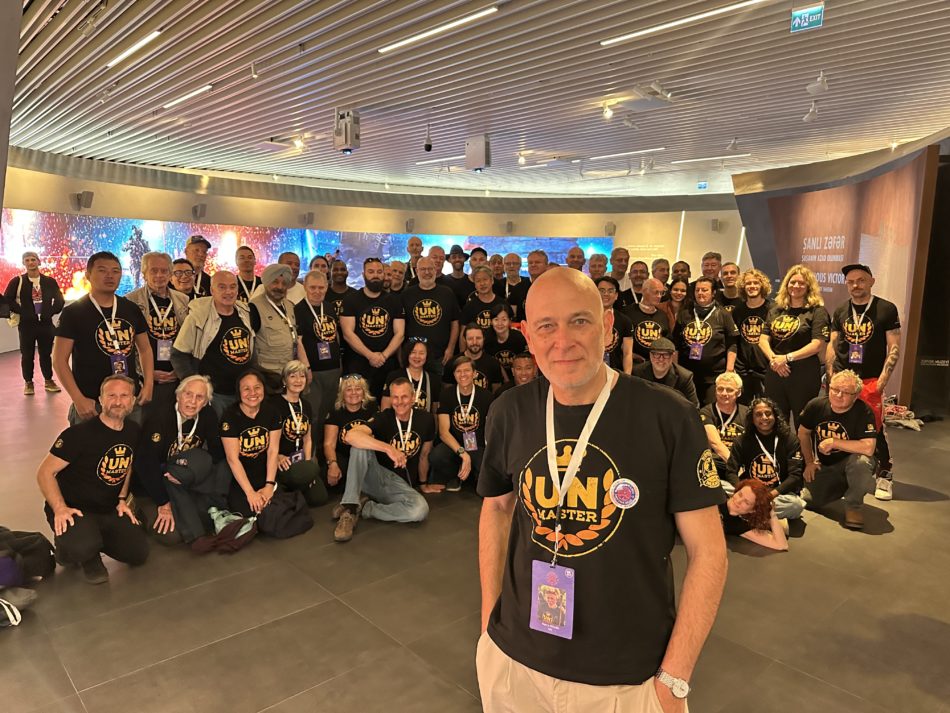
UN Masters (those who have visited every one of the 193 countries) often feel they have accomplished something unique and significant, and to a certain extent that is very true, getting to every country needs tenacity, organization and patience, not to mention time and money. But just seeing London, or Beijing or Cape Town doesn’t mean you have understood much about the countries these major cities belong to. And that is why NomadMania proposes a much more complex system of division, whereby countries are split in regions based on a number of criteria such as size, population, biodiversity, cultural diversity and international tourist arrivals.
The idea here is to make sure travelers claiming they have seen the whole world really have, by understanding the complexities and differences in landscape and culture within countries. Even countries as small as Slovenia, Gambia or Tonga have been split in two regions, to encourage travelers to seek and see more. Big countries such as the United States or Brazil are incredibly diverse – and we would like to see travelers explore their full scope!
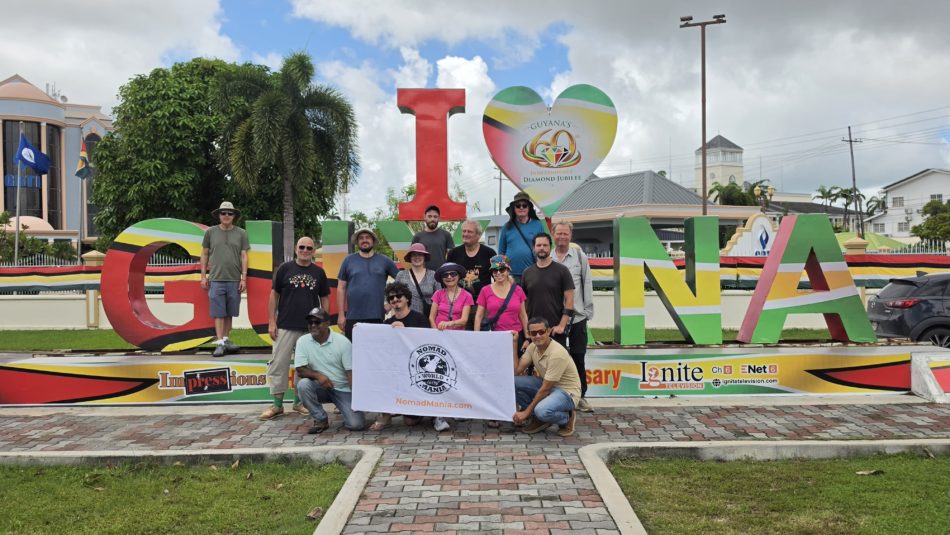
Q. NomadMania Foundation is to help support travel opportunities for less privileged people. Tell us how that actually works in practice and maybe share a story of someone whose life was changed by their first trip?
NomadMania has many different dimensions, from its division of regions to the listing of travelers to our many local events and our tours. But the aspect of it that is by far closest to my heart are the scholarships that we award to young people from poorer countries who have never had the chance to travel abroad.
While for some of us, international travel is almost taken for granted, it is estimated that perhaps 80% of the world has never traveled abroad at all. And I feel that even one single trip to another country totally changes how you see the world.
We started the scholarships in 2021 and our very first recipients were two young ladies studying law from Rwanda. They took their first flight ever and went to Zanzibar and Dar es Salaam in Tanzania. Now, for us, these neighboring countries may appear very similar, but for these students, this was truly incredible.
For the first time, hailing from a landlocked country, they saw the ocean. From a majority Christian country, they were now in a Muslim-majority area. They experienced true African heat compared to the coolness of the Rwandan hills. Dar es Salaam was a huge metropolis they could have never imagined exists. Food, language, way of life, everything was new and exciting for them, and I am quite sure they returned with a better understanding of what makes them different and how they fit into the world.
Q. What is the quirkiest trip NomadMania has ever put together, and what are some of the most memorable stories that came out of it?
I think the quirkiest and most daring was heading to the Southeastern part of Libya, to a town called Kufra, in the middle of the desert. This is one of the least visited of NomadMania’s 1381 regions.
We were the first foreigners to go there in 15 years, and everything about the adventure was insane, from the total lack of local planning to the endless 18-hour drive through the desert, to ending up sleeping on the floor at the house of someone we didn’t know, to being cornered in the town by a group of locals (or were they warlords?) who were in total disbelief when they heard we were just visitors – and how that went from being threatening to us obviously trading Instagram profiles. Not knowing where we are going, what we are doing, and somehow, for lack of choice, trusting that the local organizer has our back and that we will get out of there alive, were all exercises in madness. Only those of us on the trip will be able to understand it!
We visited old war relics left by the Italians in the 1930s, found a bizarre weathervane in the shape of a plane protruding from the sand in the middle of the endless desert (why on earth?!!!), we explored an abandoned village whose population were forced to leave by Gaddafi back in the 1970s (we were never told why) and we slept the second night in an unused government compound in a one-horse town called Tazirbu, allegedly a holding place of kidnapped migrants in underground prisons, where we managed to find an open pizza place for some food.
Does it get any quirkier?
Q. At your global conferences and meetups, where you bring together your large travel community, what has surprised you most. I mean something maybe not about the travel itself, but about the people, or the friendships, or even the unexpected debates that came out of those gatherings?
I honestly believe that what makes us NomadMania is an intangible quality that I call the “NomadMania spirit”. It’s not about talking about travel or about the debate concerning features of the NomadMania website and app, and to be honest I don’t know how this spirit came about and can’t even put my finger on it and explain it properly.
It’s this feeling that we understand each other, that despite our different ages and backgrounds, we are similar and we have the same passion. It’s an understanding that, if we happen to mention Tristan da Cunha or Nauru, we will be understood – but also that we are so fortunate to be able to travel as much as we do, that we don’t need to prove anything to anybody or brag about what we have done and that we are always supportive of the other’s goals and aims while maintaining our humility, humanity and love of the world.
Q. Do you see the emergence of AI as a threat to travel sites like NomadMania, or do you think it can be leveraged to enhance what you do?
A threat? Actually, quite the contrary. One thing AI cannot duplicate is the NomadMania spirit because it takes humanity to create this spirit. AI can give us lists, statistics and information, but what makes us a community, rather than an online portal, is the people who belong and contribute to it, and that is in no way something that can taken over by AI. As you said, we can leverage it to get better information in order to make decisions or understand the geographical complexities we are dealing with. And for this aspect of AI we are all certainly appreciative.
Q. Your message to our readers?
I’d say that being a traveler is not about traveling itself, but about having the curiosity and eagerness to learn about the world. Within a radius of 50 km from where you live, there are possibly loads of parks, museums, cafes, shops and other delights you haven’t yet experienced. So, open your eyes to the world close to you even if you feel you can’t go far – and you are already a traveler. And of course, if you feel you might have that “NomadMania spirit” by all means, join our community of almost 60,000 international members and experience it for yourself!
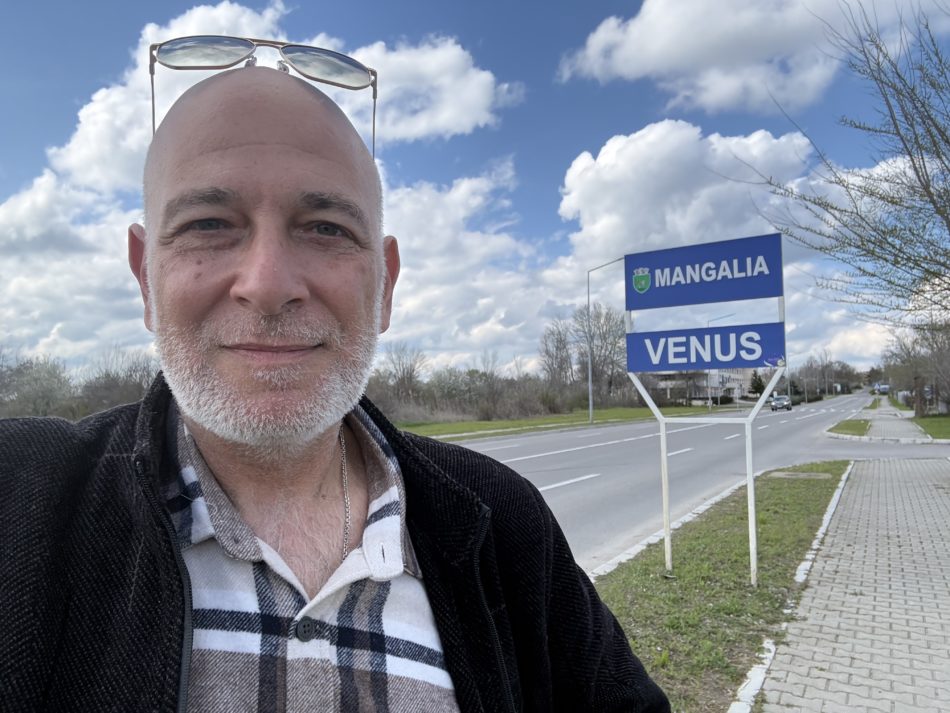
All photographs credit: Harry Mitsidis



Leave a Reply