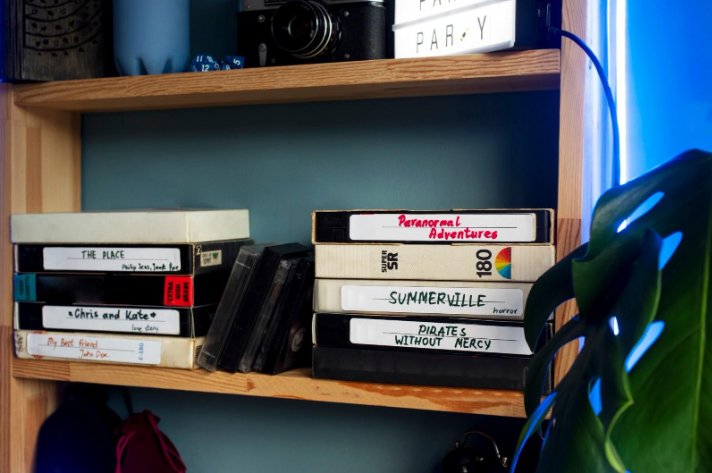
Photo source: magnific.com
When a platform holder announces it will eliminate the physical option entirely, every game a consumer thought they owned becomes something else: a licence, contingent on the continued goodwill of a corporation. Sony’s decision to stop producing physical copies of new PlayStation games by January 2028 is that announcement made concrete. The same logic applies far beyond gaming. Platform reliability and access permanence are questions the LiveSportsOdds team scrutinizes when sizing up online betting platforms, where funds and access live entirely on someone else’s servers. That structural question — who actually controls what you paid for — sits at the heart of a rapidly growing backlash against Sony’s plan.
Sony’s Announcement and Its Stated Logic
CBC.ca reported on July 17 that Sony made its position official on July 1, confirming that physical production of new PlayStation games will end in January 2028. From that point forward, per the announcement, PlayStation games will exist only as digital purchases. No disc. No shelf copy. No box.
Sony framed the change as a market response. The company said the move is an effort to “adapt to consumer trends as the general preference for digital media significantly outpaces physical discs.” The language was deliberate and corporate: this is what people want, the company suggested. Critics are pushing back hard on that characterization.
A Winnipeg Retailer’s Petition Reaches 320,000 Signatures
PNP Games, a video game retailer with three stores in Winnipeg, launched the online petition “Don’t Kill the Disc” in response to Sony’s announcement. By July 17, more than 320,000 people had signed it. The number puts the petition among the more visible consumer protests in recent gaming history, driven largely by a concern that transcends nostalgia for physical media.
Lee Skwarek, PNP’s products and promotions manager, has been direct about the underlying issue. A digital transaction, he argues, is not a purchase in any meaningful sense of the word.
“A download code or a digital purchase is very much a licence. If you read that small print that pops up when you’re making those purchases, it lets you know it can be revoked,” Skwarek said. “Unless you own that actual disc, you don’t own it.”
His point cuts through the routine framing of the disc-versus-digital debate. It is not purely about format preference or nostalgia. It is about whether a consumer’s access to something they paid for can be ended by a licensing change, a business decision, or a game being pulled from the platform. Skwarek put the petition’s intent plainly: “The goal is to keep a physical option on the table for those who want it.”
GTA VI Makes the Abstract Concrete
The debate moved from theoretical to unavoidable with Grand Theft Auto VI. When the game launches in November, it will be released in digital-only format. Retail copies will contain a download code rather than a disc. Buyers will have no alternative.
“Now, there is no choice in buying the new Grand Theft Auto VI. You will buy it digitally,” Skwarek said. For one of the most anticipated game releases in years, the choice has already been made on the consumer’s behalf.
A Brock University Researcher Doubts the Industry’s Framing
Emma Vossen, an assistant professor of game studies at Brock University, brought firsthand experience to the conversation. She described feeling “ripped off” after buying a special edition of Resident Evil Generation for Nintendo Switch 2, only to find the box contained key cards unlocking digital downloads rather than a disc. The packaging implied physical ownership; the contents did not deliver it.
Her broader view of the industry trend was blunt: “We see a lot of platforms are trying to move consumers towards a model where we don’t actually own things.”
Vossen rejected Sony’s consumer-preference rationale outright. “I don’t know a single person who’s happy about this decision,” she said, directly contradicting the company’s claim that the shift reflects what players want. She also expressed doubt that the scale of the petition will move Sony. The company, in her view, will continue to do “whatever will make them the most money in the long term,” regardless of signed protests.
What she does anticipate is a longer-term cultural correction. Physical video games, Vossen suggested, could follow the trajectory of vinyl records or VHS tapes, staging a resurgence as more companies push toward digital-only models. “I think that we’re just going to see this movement grow and grow, where people want the ability to enjoy and own media on their own terms,” she said.
The shift is not waiting for 2028 to reshape behavior. Vossen noted that the thrift stores she frequents are already being “cleared out” of physical media since Sony’s announcement. Collectors and cautious consumers are acting now, stocking up while discs remain available. The market is moving before the deadline arrives.





Leave a Reply