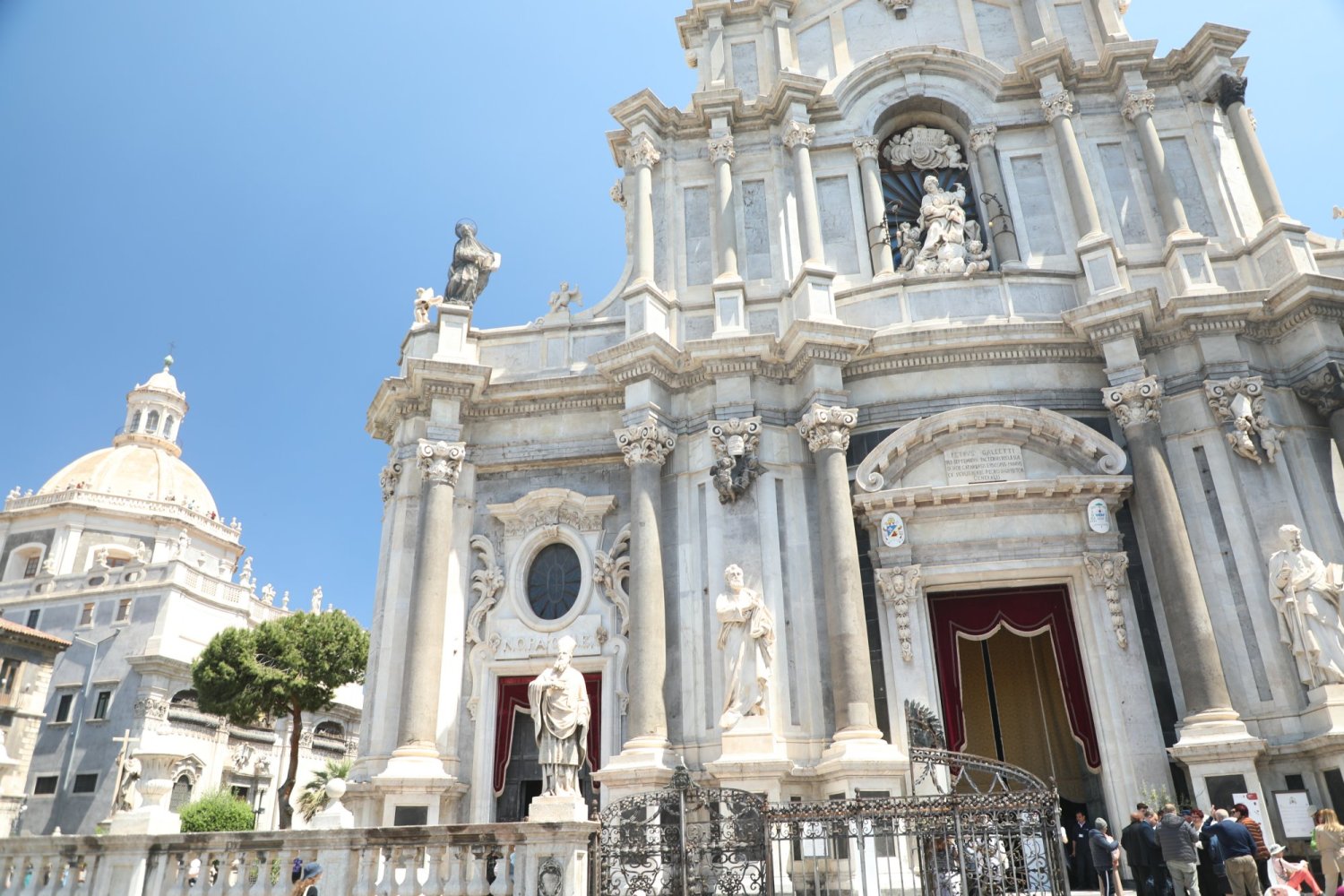
Milan is often described through a few familiar labels: fashion capital, business hub, gateway to the lakes, home of the Duomo, La Scala and the Galleria Vittorio Emanuele II. Those labels are accurate, but they flatten a city that is more interesting in motion than in summary.
The more rewarding Milan appears at street level, in quiet courtyards, restored workshops, design studios, old tram lines, residential blocks and aperitivo counters. It is a city of precision and pace, but also one of hidden interiors and small details.
For travelers moving through Northern Italy, Milan offers a distinct kind of Italian experience. It is less theatrical than Rome, less romanticized than Venice and less postcard-like than Florence. To see it well, visitors need to follow the connections between design, craft and local stories.
Seeing Past the Obvious Icons
The Duomo is the natural place to begin. Its marble façade, rooftop views and elaborate detail create one of the most memorable first impressions in Italy. Nearby, the Galleria Vittorio Emanuele II shows Milan’s polished commercial elegance, while La Scala adds music and history to the same compact area.
These landmarks are worth visiting, but they work best as an introduction. They show Milan’s public face. The deeper experience begins when travelers ask how the city became so closely tied to design, fashion, architecture and skilled work.
A more curated approach can help visitors connect the famous sites with Milan’s creative neighborhoods, hidden interiors and working traditions. Travelers who want that kind of context can use Fernwayer’s curated Milan experiences to explore the city through architecture, craft, photography and local perspective. The value is not in adding more stops to an itinerary. It is in understanding the city with greater attention.
A day in Milan changes when it moves from the Duomo’s rooftop to a small atelier, from a major museum to a private courtyard, or from a shopping street to a neighborhood where design still has a human scale. These shifts help visitors see the city as lived-in rather than staged.
The Design Language Hidden in Everyday Streets
Milan’s design identity appears in ordinary details: the curve of a doorway, the proportions of an apartment building, the layout of a courtyard, the lighting in a café, the clean lines of a gallery window. Design here often feels practical, disciplined and woven into daily life.
This is especially clear in neighborhoods where old and new Milan sit close together. Around Porta Nuova, glass towers and contemporary public spaces show the city’s modern ambitions. In Brera, narrow streets, art schools and galleries preserve a more intimate creative atmosphere. In Cinque Vie, historic buildings and small studios give design a quieter, more tactile character. Around Isola, residential life, street art, independent shops and new architecture meet in a less formal way.
Walking is the best way to notice these contrasts. A plain street may lead to a green courtyard. A reserved façade may hide a studio, archive or historic interior. A shop window may reveal the relationship between material, function and style that has shaped the city for generations.
Travelers who arrive expecting only high fashion may be surprised by how much of Milan’s creativity is architectural, industrial and domestic.
Where Craft Still Has a Human Scale
Milan’s global reputation can make it sound like a city of brands, but its creative culture also depends on smaller forms of skill. Tailoring, leatherwork, jewelry, furniture, printing, textiles and restoration all belong to the city’s story. Behind polished storefronts and design districts, people still work with their hands.
Craft gives Milan texture. It brings the city down from the scale of fashion weeks and corporate headquarters to the level of material, habit and individual attention. A tailor adjusting fabric, a jeweler shaping a small detail, a restorer working with wood or a designer testing samples can reveal as much about Milan as a famous building.
For visitors, these encounters change the pace of travel. Instead of looking only at finished objects, they make it possible to understand the process. Materials have origins. Techniques carry history. Styles develop through repetition, training and experimentation.
Craft also connects Milan to Lombardy and the wider region. Northern Italy’s traditions of manufacturing, furniture, textiles and design have long shaped the city’s identity. Milan may be international, but much of its strength comes from the relationship between local skill and global influence.
Neighborhoods That Reward Slow Walking
Milan’s neighborhoods each offer a different way into the city. Brera remains one of the clearest examples. Its galleries, art heritage, narrow streets and quiet corners give the area a cultural density that goes beyond its popularity with visitors.
Navigli has a more social rhythm. The canals bring cafés, evening aperitivo, bridges, studios and side streets that still carry traces of older Milan. Morning visits feel calmer, while evenings show the district at its most animated.
Porta Venezia adds Liberty architecture, leafy avenues, museums and a more residential pace. Isola combines contemporary development with neighborhood energy. Chinatown shows Milan’s multicultural side through food shops, bakeries, street life and family businesses.
These areas should not be treated as separate boxes to check. Their value is in how they interact. Milan’s identity comes from contrast: historic and modern, formal and informal, elegant and practical, fast-moving and quietly detailed.
The City as a Design Capital
Milan’s reputation as a design capital has deep roots. Museums, schools, fairs, studios and districts all contribute to a creative ecosystem that extends beyond a single week on the calendar. In Milan, design is part of the city’s identity, visible through public spaces, interiors, exhibitions, architecture and everyday objects.
This makes the city especially appealing to travelers who like to look closely. A chair, lamp, doorway, shop interior, metro station or restored industrial space can become part of the travel experience. Milan teaches visitors to read the built environment as culture.
The city also changes how travelers understand luxury. In Milan, luxury is often tied to precision, material knowledge and restraint. The most interesting spaces are not always the most obvious. Many are quiet, functional and carefully considered.
Let Taste, Texture and Routine Shape the Day
Food offers another route into Milan’s character. Risotto alla Milanese, cotoletta, panettone, espresso counters, pastry shops and aperitivo all show how the city balances elegance with routine.
A café in the morning can reveal the city’s pace better than a museum queue. People stand, drink quickly, exchange a few words and move on. Later in the day, aperitivo changes the mood as work gives way to conversation, small plates and evening plans.
Food also connects to craft. Bakers, bartenders, pasta makers, market vendors and chefs work with repetition and detail, much like designers or artisans. Their work gives travelers another way to understand local culture through taste, timing and habit.
This is why culinary experiences fit naturally into a deeper Italian itinerary. Readers interested in food-focused travel in Italy will recognize the same principle at work in Milan: memorable meals depend on context as much as flavor. Where something is made, who makes it and how it fits into daily life all matter.
A historic pastry shop, a modern restaurant interior, a neighborhood market or a canal-side aperitivo can each reveal how the city lives.
Looking Beyond the City Without Leaving Its Story
Milan works well as a base for nearby escapes, especially for travelers who want contrast. Lake Como, Lake Maggiore and Lake Orta offer water, gardens, villas and mountain views. Smaller towns in Lombardy add slower streets, regional food and a different sense of scale.
These trips help explain Milan rather than distract from it. The city’s elegance, industry and design culture belong to a region shaped by lakes, trade routes, manufacturing, agriculture and aristocratic retreats. Moving between Milan and its surroundings gives travelers a fuller understanding of Northern Italy.
After several days in the city, a lake visit can sharpen attention. Travelers may notice the geometry of villas, the design of gardens, the craft behind old boats or the way mountain light changes a town’s mood. The scenery changes, but the themes remain connected.
For travelers with limited time, this balance is useful. A trip can include major landmarks, neighborhood walks, design culture, food traditions and a day near the water without feeling scattered.
Practical Ways to Travel More Deeply
A deeper Milan itinerary does not require skipping the famous sights. It requires arranging them with care. Instead of placing every landmark into one rushed day, visitors can pair one iconic stop with one slower experience. A morning at the Duomo might lead into an afternoon exploring design streets. A museum visit might be followed by a workshop, café or neighborhood walk.
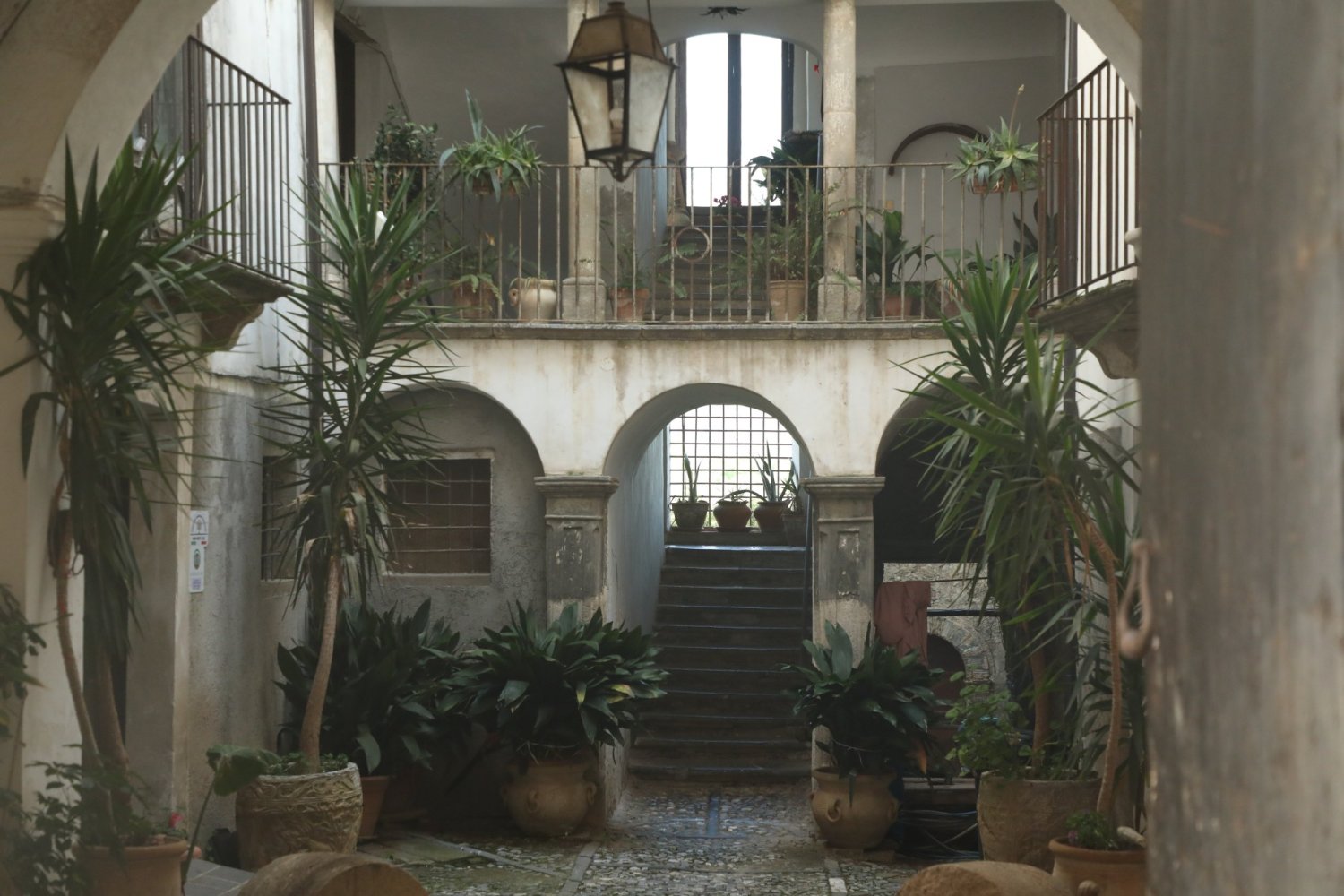
Travelers should also leave room for interiors. Milan’s public streets can seem reserved, but many of its most beautiful spaces sit behind doors, gates and courtyards. Historic homes, galleries, churches, design spaces and small museums can add depth to an itinerary.
Timing matters too. Brera in the morning, Navigli near sunset and a quiet residential area after lunch each offer different impressions. The same place can feel different depending on when it is visited.
The best approach is to choose fewer experiences and give them more attention. Milan becomes more memorable when visitors stop trying to prove they have seen everything. Its appeal lies in connections: between past and present, object and maker, street and courtyard, city and region.
Conclusion
Northern Italy offers many versions of beauty, and Milan’s version can be easy to underestimate. It is not always soft, scenic or immediately romantic. Its elegance is sharper, its pace quicker and its details more controlled.
To move beyond the checklist is to let Milan become more than a stop between destinations. It becomes a place of design, craft, food, architecture, neighborhoods and human skill.
Seen this way, Milan is one of Northern Italy’s most layered urban experiences, shaped by creativity, discipline and the quiet stories of people who continue to make, restore, design and live there every day.




I appreciated the practical perspective in Northern Italy Beyond the Checklist: Where Design, Craft and Local Stories Meet – Dave’s Travel Corner. This related reference may also be useful: https://www.fipst.com/.