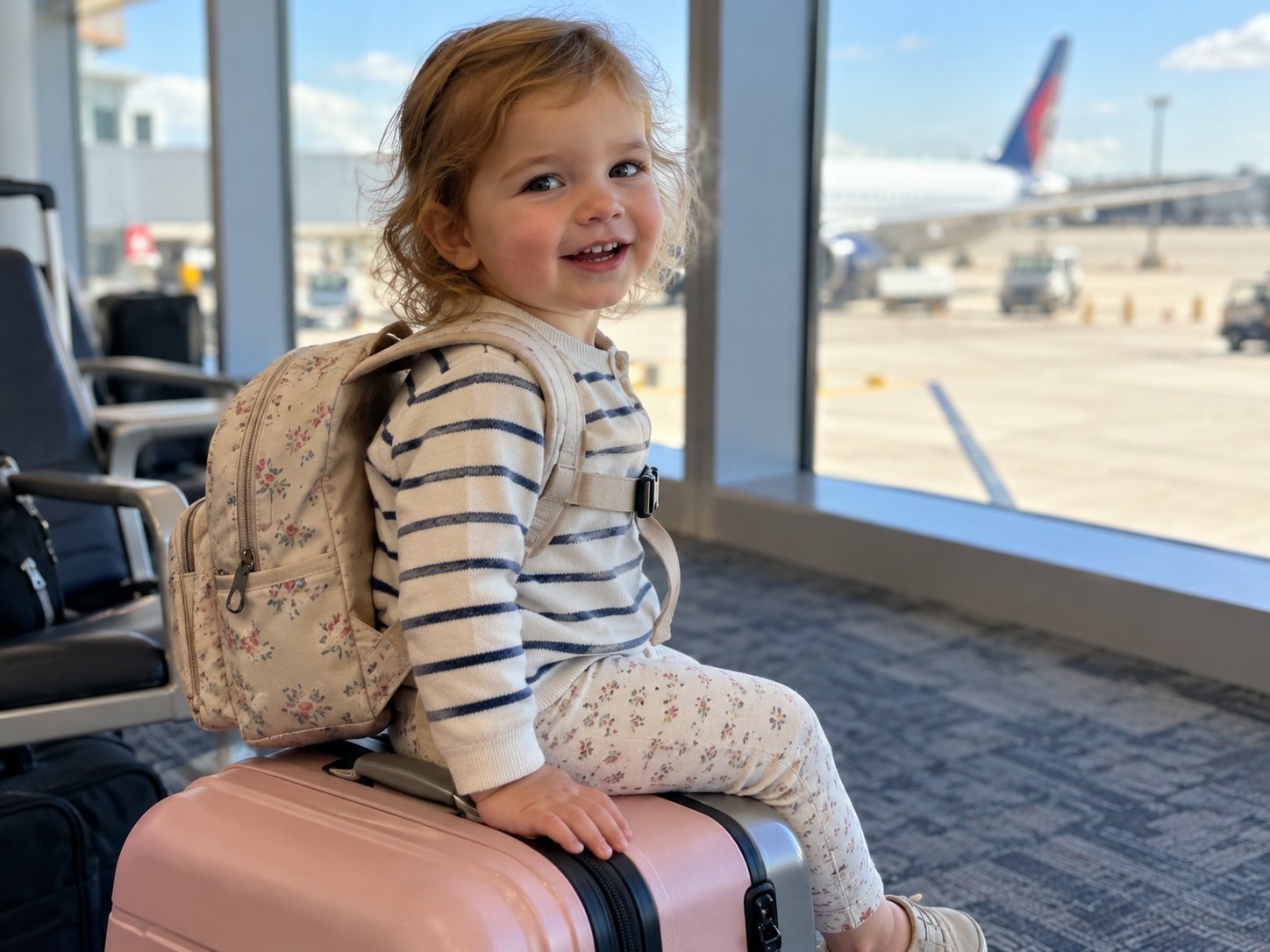
A toddler’s first big adventure can be exciting, sweet, unpredictable, and a little messy all at once. Whether you are planning a day hike, a beach trip, a long park outing, a family camping weekend, or a first real travel day, good preparation helps your child feel safe while giving them room to explore. If you have been wondering how to prepare your toddler for their first big adventure, the key is to keep the plan simple, pack thoughtfully, and build the experience around their pace.
What does toddler adventure preparation really involve?
Toddler adventure preparation means thinking beyond the destination. It is about preparing your child’s body, mood, comfort, curiosity, and routine for something bigger than an ordinary outing. A toddler may love outdoor fun one minute and feel overwhelmed the next, so your best strategy is to reduce avoidable stress before you leave.
Start by asking what your child will need to feel secure. For many toddlers, that means familiar snacks, a favorite comfort item, predictable breaks, and clothing that does not distract them from playing. It also means accepting that success may look different than it does with older children. A short walk with happy puddle-jumping can be a better adventure than a packed schedule that leaves everyone exhausted.
Choose an adventure that fits your toddler’s pace
The best first adventure is not necessarily the biggest one. It is the one your toddler can enjoy without being pushed too far past their limits. Look for places with easy exits, bathrooms or changing options, shaded spots, and room for safe movement.
If you are planning outdoor fun toddlers can truly enjoy, think in small, sensory moments. Toddlers are often more impressed by pinecones, sand, sticks, leaves, birds, or a bridge than by the destination adults have in mind. Build the outing around discovery instead of distance.
A toddler-friendly adventure might include:
- A nature trail with a short loop and places to stop
- A beach morning before the hottest part of the day
- A picnic at a park with open grass and shade
- A zoo, farm, or botanical garden with stroller access
- A backyard “campout” before trying an overnight trip
- A short train, ferry, or road trip with plenty of breaks
Try to avoid making the first adventure too ambitious. If the day goes well, you can always stay a little longer. If it gets hard, leaving early should feel like part of the plan, not a failure.
Pack the toddler travel essentials that prevent meltdowns
A smart packing list can make the difference between a manageable hiccup and a full adventure-ending meltdown. Toddler travel essentials should cover comfort, hunger, weather, messes, and boredom. You do not need to pack the entire house, but you do need quick access to the items your child uses most.
Use this checklist as a practical starting point:
- Snacks and water: Bring more than you think you need, especially easy, familiar foods.
- Weather layers: Pack a light jacket, sun hat, rain layer, or warm layer depending on conditions.
- Extra clothes: Include socks, underwear or diapers, and a full outfit in a sealed bag.
- Wipes and tissues: Useful for faces, hands, spills, shoes, and surprise messes.
- Comfort item: A small blanket, stuffed animal, or pacifier can help during transitions.
- Simple entertainment: Board books, stickers, small cars, or a favorite toy work well during waits.
- First-aid basics: Include bandages, any needed medications, and child-safe sunscreen if appropriate.
- Carry option: A stroller, carrier, or wagon can rescue tired legs quickly.
Keep the most important items in an easy-reach bag rather than buried in the trunk or bottom of a backpack. Toddlers often need help immediately, and quick access can keep a small problem from becoming a big one.
Dress for comfort, movement, and weather
Toddlers experience adventure with their whole bodies. They climb, squat, run, splash, sit on the ground, and sometimes refuse to move at all. Clothes should make that easier, not harder.
Choose soft layers that allow movement and are easy to adjust. Avoid stiff waistbands, scratchy tags, complicated buttons, or anything you would be upset to see covered in mud. Shoes matter too. Pick footwear that is broken in, supportive enough for the activity, and simple to take on and off when needed. For casual walking days, some families like toddler Sambas or similar everyday sneakers because they pair comfort with a secure fit.
Before you leave, check the weather and think through the ground conditions. Wet grass, hot pavement, sand, gravel, and muddy trails all create different clothing needs. Packing one extra pair of socks is a small detail that can save the day.
How can you help your toddler feel excited instead of anxious?
You can help your toddler feel excited by making the adventure familiar before it begins. Talk about where you are going, what they might see, and what will happen first, next, and last. Toddlers feel more confident when they have a simple picture of the day.
Keep your explanation short and concrete. Instead of saying, “We are going on a big family nature adventure,” try, “We will ride in the car, walk by trees, eat our snack, and come home after lunch.” This gives your child clear expectations without overwhelming them.
A few small preparation steps can help:
- Read a related book about the beach, forest, camping, airplanes, animals, or road trips.
- Practice with gear such as a backpack, hat, jacket, stroller, or carrier before the big day.
- Let them choose one item to bring, such as a toy car or small stuffed animal.
- Name the rules simply: “Stay where I can see you,” “Hold hands near cars,” or “Stop when I say stop.”
- Preview the ending: Tell them when you will go home so leaving feels less sudden.
Toddlers also borrow emotional cues from adults. If you sound rushed or worried, they may become tense. If you stay calm and playful, even small setbacks are easier to handle.
Build the day around breaks, snacks, and flexibility
Adults often think of an adventure as the main event. Toddlers may think of the snack break as the highlight. That is perfectly fine. Regular pauses help toddlers reset, refuel, and process all the new sights and sounds around them.
Plan breaks before your child is desperate for them. Offer water, food, shade, or quiet time at natural transition points. If your toddler starts stumbling, whining, refusing directions, or acting unusually wild, they may be tired rather than “misbehaving.”
Flexibility is the heart of toddler adventure preparation. Have a loose plan, then be ready to change it. Maybe the trail becomes a rock-collecting session. Maybe the museum visit turns into 20 minutes watching a fountain. When you follow your toddler’s curiosity within safe limits, the experience often becomes more memorable for everyone.
Safety stays simple and consistent
Safety rules work best when they are short, repeated, and easy for a toddler to understand. Choose a few rules that match the setting and repeat them calmly throughout the day. Too many instructions can become noise.
For outdoor settings, focus on boundaries. Show your toddler where they can walk, what they can touch, and when they need to hold your hand. In crowded places, dress them in an easy-to-spot color and take a quick mental note of what they are wearing. If your child is old enough, practice responding to their name and stopping when called.
Also prepare yourself. Know where bathrooms, exits, water stations, shaded areas, or help points are when you arrive. A little awareness lets you respond quickly without turning the outing into a stressful safety lecture.
End on a positive note
The end of the adventure matters almost as much as the beginning. Toddlers can struggle with transitions, especially when they are tired or having fun. Give warnings before leaving: “Two more slides,” “One more shell,” or “After this snack, we will go to the car.”
On the way home, talk about what they enjoyed. Keep it simple: “You found a big leaf,” “You walked over the bridge,” or “You were brave when the wind was loud.” These small reflections help your toddler remember the adventure as something successful and worth doing again.
Your first big outing does not need to be perfect. Pack the basics, protect the routine where you can, follow your toddler’s pace, and leave room for surprise. With the right mindset and a few reliable toddler travel essentials, that first adventure can become the beginning of many confident, curious family experiences.





Leave a Reply