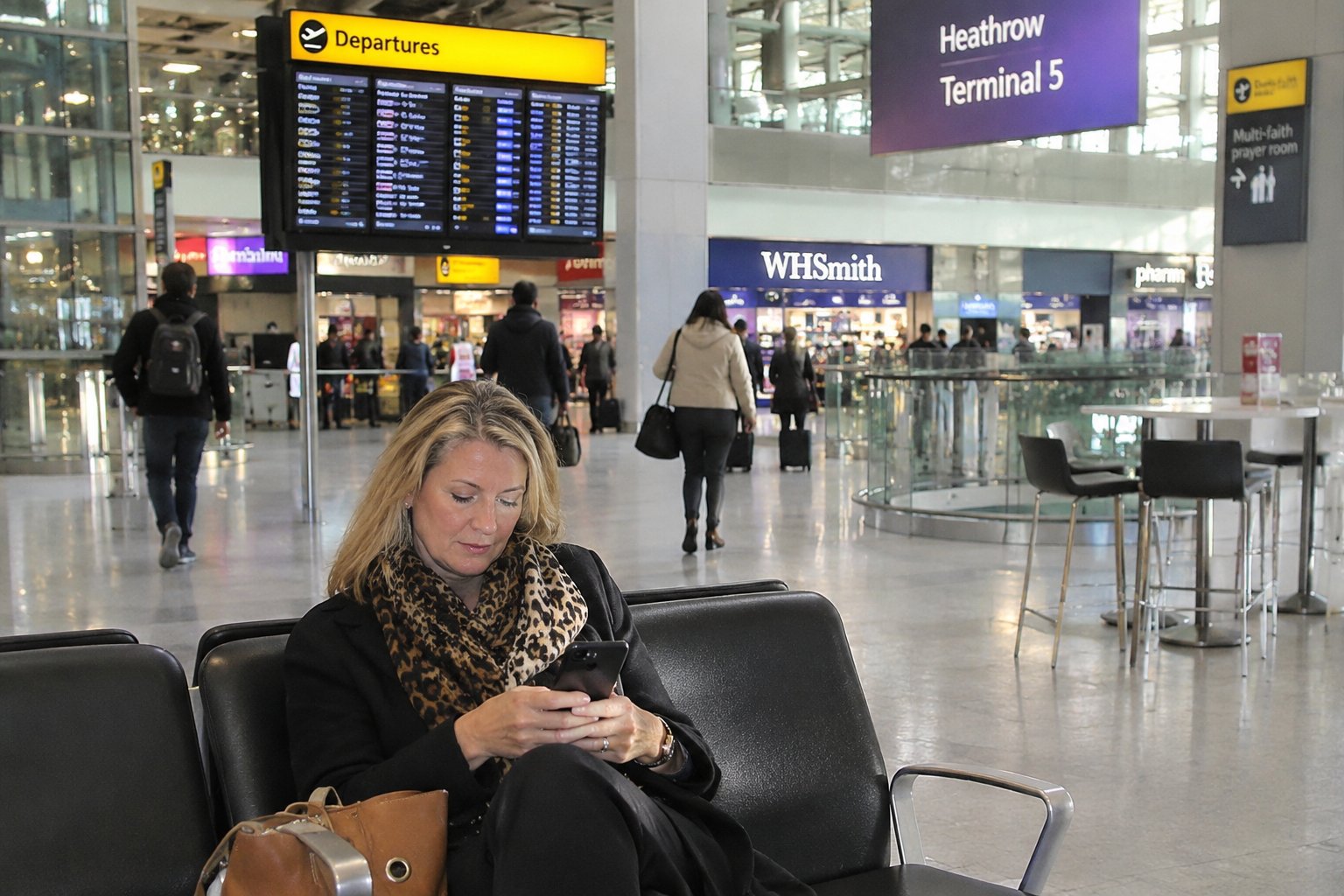
A long layover can be a welcome breather between flights, or it can turn into a rather tense wait if plans start shifting. The difference often comes down to one thing: knowing whether you genuinely have spare time.
Before you settle into a café, find a quiet corner or put your headphones on, take a moment to understand what sort of connection you’re dealing with. A comfortable gap between flights calls for one plan. A possible disruption calls for a much more flexible one.
The good news is that responsible entertainment for long layovers doesn’t need to be complicated. A little preparation can make the time feel calmer, more comfortable and far less likely to interfere with your onward journey.
Start by working out what kind of layover you actually have
A scheduled two- or three-hour connection may sound generous when you book it. On the ground, though, that time can shrink quickly.
Your first job is to check the practical details before making any downtime plans:
- Your next flight’s boarding time, not just its departure time
- Your current and next gate numbers
- Whether you need to change terminals
- Whether security, passport control or an inter-terminal transfer is involved
- Any airline notifications about delays, gate changes or boarding updates
- The airport’s stated minimum connection guidance, where available
Boarding often begins well before departure, and gates can close before the aircraft is due to leave. If you’re travelling on separate tickets, the stakes can be higher too, as the airline operating your second flight may not be responsible for a missed connection.
It’s worth checking your airline’s own app or website first. For airport-specific information, use the official airport site or its app rather than relying solely on a search result or a third-party tracker. The UK Civil Aviation Authority’s guidance on flight disruption is also useful if a delay becomes substantial and you need to understand your passenger rights.
A simple question helps here: if boarding moved forward or the gate changed right now, could I be there without rushing? If the answer is no, don’t start an activity that will keep you tied to one place.
Put flight status before everything else
Once you’ve confirmed the basics, create a routine that keeps your flight status front and centre. It sounds obvious, but it’s surprisingly easy to lose track of time in an unfamiliar terminal, particularly after an early start or an overnight flight.
Use official airline and airport channels, then set alerts where they’re available. Most airline apps can send push notifications for changes to gates, departure times and boarding. Keep the notifications enabled until you’re seated on the aircraft.
A practical layover routine might look like this:
- Check the flight status as soon as you land.
- Confirm where your next gate is likely to be, even if one has not yet been assigned.
- Set a phone alarm for 60 minutes before boarding, then another for 30 minutes before.
- Check the status again before changing location, ordering food or starting entertainment.
- Return to the gate area well ahead of boarding, especially if you’re in a large hub.
Keep your passport, boarding pass and any required travel documents easy to reach. There’s nothing relaxing about emptying a packed cabin bag at the bottom of an escalator because a document has disappeared beneath a jumper and a charging cable.
If your connection involves passport control, security screening or a terminal train, leave more time than you think you need. Queues vary, and a walk that looks short on an airport map can be surprisingly long when you’re carrying bags.
Make the terminal work for you
Long layovers are easier when you stop treating the terminal as one enormous waiting room. Most larger airports have quieter areas, useful facilities and places where you can stretch your legs without wandering too far from your route.
After checking your connection, take a quick lap and make a mental map. Look for:
- Seating close to departure information screens
- A calm zone or less busy gate area
- Drinking-water refill points
- Toilets near your likely boarding area
- Food options with clear queue times
- Power sockets and charging stations
- Walking routes that don’t take you through security again
- Lounges, if you have access through your ticket, airline status or a paid entry option
Hydration is a small detail that makes a noticeable difference. Cabin air and terminal heating can leave you feeling flat, particularly when travelling across time zones. Refill a bottle once you’re airside, eat something that suits the time of day where you’re headed, and don’t rely entirely on coffee to get you through a lengthy wait.
A short walk can be helpful too. Aim for a gentle circuit around your terminal rather than disappearing into a distant concourse. Keep an eye on signs for your gate area and note how long it takes to get back.
If you’re tired, choose a seat with your bags within sight and set an alarm. Even a brief rest is more useful when you know you won’t wake up wondering where everyone has gone.
Keep your phone, battery and data safe
Your phone is your boarding pass, flight tracker, map, contact point and entertainment hub. Treating it carefully during a layover is sensible travel planning.
Public charging points can be useful, but bring your own plug and cable where possible. A compact power bank is even better, provided it meets your airline’s rules for carrying lithium batteries in hand luggage. Keep the power bank with you, not in checked baggage, and check the airline’s policy before travelling.
Public Wi-Fi can be handy for messages and flight updates, but avoid using it for sensitive tasks unless you trust the network and understand the risks. Don’t access important accounts, enter confidential information or make changes to travel documents over an unfamiliar connection if you can avoid it.
A few easy safeguards go a long way:
- Download boarding passes, maps and key booking details for offline access
- Save your airline’s contact details before your journey
- Keep your phone’s operating system and apps updated
- Use a screen lock and avoid leaving devices unattended
- Carry a charging lead rather than borrowing one
- Switch off data-heavy background updates when roaming
- Download entertainment before leaving home or using trusted Wi-Fi
An offline backup plan is particularly helpful. Save a podcast episode, an e-book, a playlist, a language lesson or a few articles to your device. Then, if the airport connection is patchy or your signal drops, you’re not left staring at a loading symbol for half an hour.
Choose entertainment you can stop at once
The best long-layover entertainment is mobile-first and interruptible. You want something enjoyable, but not so absorbing that you miss an announcement, overlook a notification or feel reluctant to leave halfway through.
I find short-form choices work best because they fit the uncertain nature of airport time. A few good options include:
- Podcasts in 20- to 40-minute episodes
- A chapter or two of a downloaded book
- Music playlists matched to your energy level
- A saved documentary or sporting highlights
- Digital newspapers and magazine articles
- Language practice in short sessions
- Sorting photos, writing travel notes or replying to messages
- A gentle walk followed by a coffee or meal
Think about fatigue as well. If you’ve crossed time zones, concentration can be patchy. You may intend to read something substantial, then realise you’ve reached the same paragraph four times. That’s normal. Pick something light, pause-friendly and easy to resume later.
It also helps to set a personal spend limit for the terminal. Airports make it very easy to spend more than intended on food, drinks and browsing. Decide what feels sensible for the time you have, then stick with it. You’ll board feeling more organised, rather than mildly annoyed with yourself.
Optional digital entertainment, with clear limits
For UK adults aged 18+ who choose to take part in regulated gambling, digital gambling can be one possible short-session activity, but only once flight obligations are fully covered. It should never take priority over monitoring boarding information, staying near the gate or being ready to travel.
If this is something you elect to do, treat it as a fixed, time-limited choice rather than a way to respond to a delay, tiredness or an unsettled change of plan. Read the available safer-gambling information and use tools such as time reminders, deposit limits and reality checks. The Gambling Commission’s safer gambling guidance explains the protections and support information that should be available through licensed operators.
A live casino session on Virgin Games, for example, should be kept brief, with a pre-set limit and a firm stop time well before boarding. Keep notifications on, avoid using airport Wi-Fi for sensitive account activity, and stop immediately if your travel arrangements change.
The simplest rule is a good one: your flight comes first, every time.
Leave yourself a calm final stretch
The final part of a layover is not the moment to squeeze in one more activity. Pack up your devices, refill your water if needed, check the departure board again and head back towards the gate with time to spare.
Long layovers can be surprisingly pleasant when you plan for flexibility rather than trying to fill every minute. Check the facts, protect your essentials, pick entertainment that pauses easily and give yourself room for the airport’s inevitable changes.
That way, when boarding is called, you’ll be ready to go.





Leave a Reply