The morning fog clung to the emerald mountains like a lover reluctant to leave. Our jeepney lurched forward on the winding road, and I steadied myself against the metal frame, my knuckles white with anticipation. The province of Apayao had long been a blank space on my mental map of the Philippines—a remote northern frontier that even many Filipinos know little about. This obscurity is precisely what drew me here, to the northernmost reaches of Luzon, where the rugged Cordillera mountain range creates a natural fortress that has sheltered both spectacular biodiversity and vibrant indigenous cultures from the homogenizing forces of globalization.
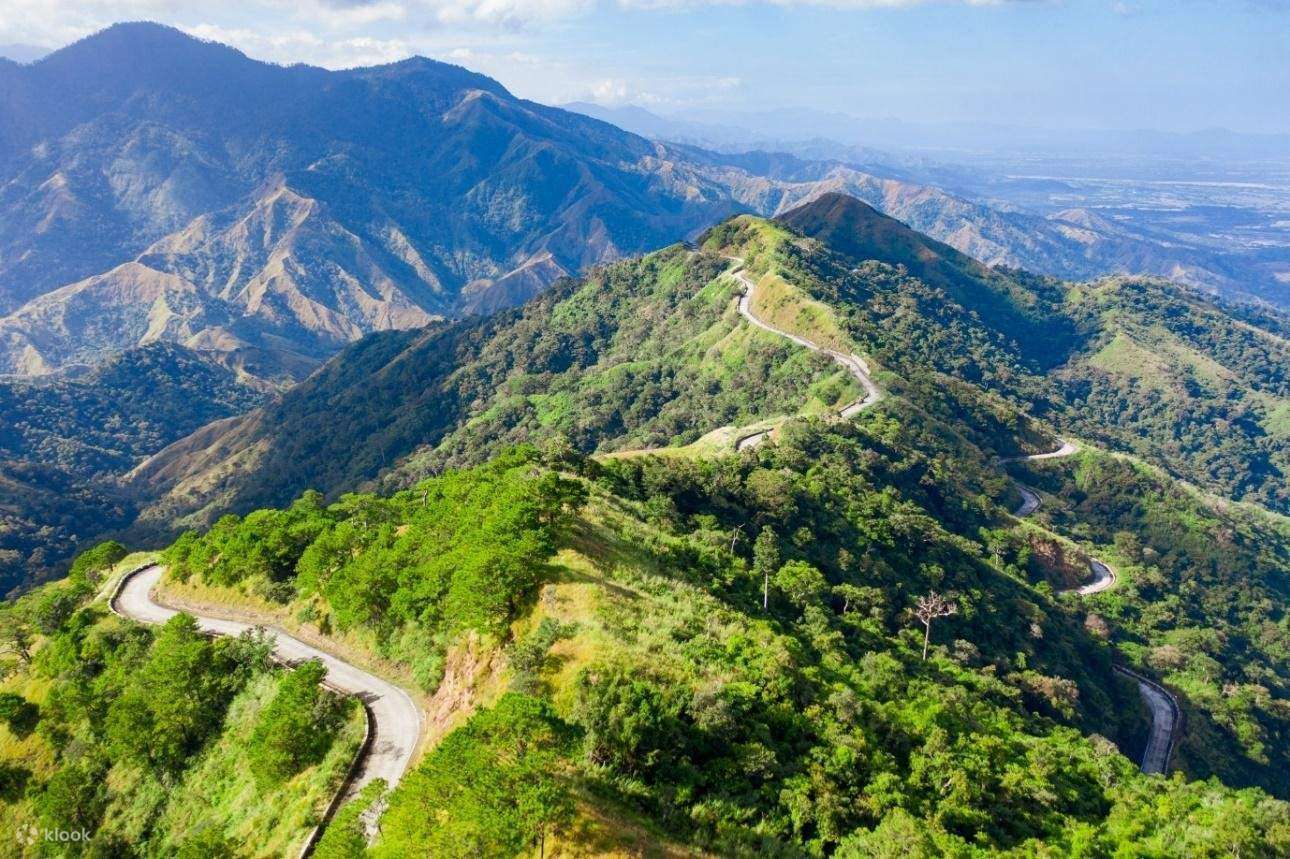
“You’re only the third newcomer I’ve brought here this year,” my guide Manuel explained, his voice competing with the jeepney’s laboring engine as we climbed higher into the mountains. “Most tourists go to Banaue or Sagada. They don’t know what they’re missing.”
Indeed, Apayao remains one of the Philippines’ least visited provinces, tucked away in the Cordillera Administrative Region with neighbors like Kalinga and Abra. The province was once combined with Kalinga as Kalinga-Apayao until 1995, when they were separated to better address the unique needs of each region’s indigenous populations. For the Isnag people (also known as Isneg or Apayao), who comprise the majority of the province’s inhabitants, this separation represented a recognition of their distinct cultural identity.
Our first stop was the provincial capital of Kabugao, a modest town nestled in a valley surrounded by verdant mountains. The town square was a study in contradictions: satellite dishes adorned traditional wooden homes, and teenagers in modern clothing chatted next to elders in traditional garb. This juxtaposition of old and new characterizes much of contemporary Apayao, where ancient traditions coexist with the inevitable march of progress.
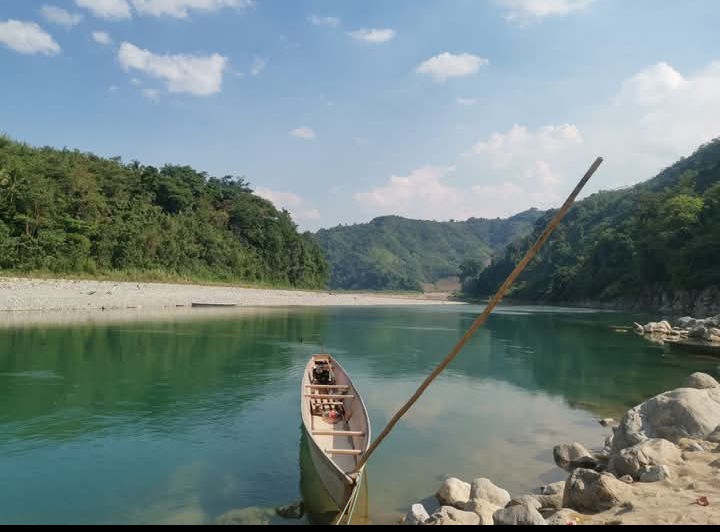
“Our rivers are our highways, our food source, our spiritual centers,” Manuel explained as we boarded a narrow wooden boat the next morning. We were setting out on the Apayao River, one of the major waterways that has shaped both the landscape and the culture of the region.
The Apayao River system is the lifeblood of the province, with its cool, crystal-clear waters flowing through deep gorges and lush valleys. Our boatman, an elderly Isnag man named Tomas with deep creases in his sun-weathered face, navigated the currents with the intuition that comes from a lifetime on the water.
“When I was a boy, we would catch fish this big,” he said, stretching his arms wide. “Now they are smaller, but still, the river provides.”
We glided past limestone cliffs draped with tropical vegetation, the calls of hornbills and other exotic birds punctuating the steady rhythm of the flowing water. Occasionally, we would pass small settlements where children would run to the riverbank, waving excitedly at the rare sight of visitors.
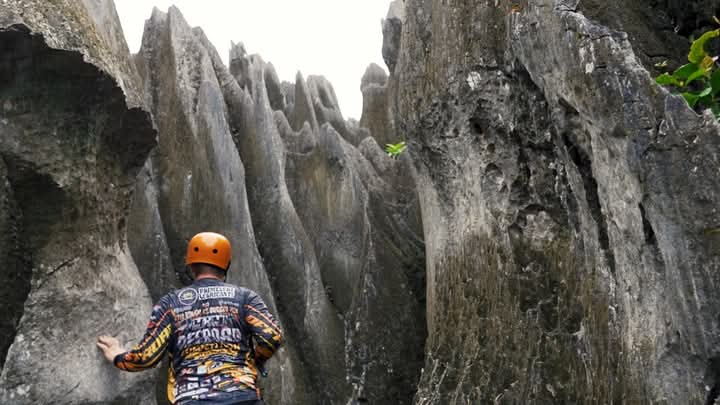
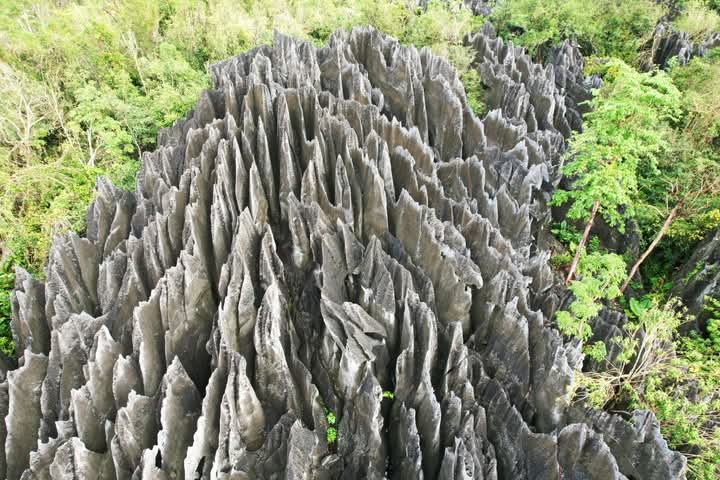
By midday, we reached our destination: the Dupag Rock Formation, a magnificent karst landscape of towering limestone pinnacles that resembles a natural fortress. Scrambling up the rocky path, I was rewarded with a panoramic view that seemed to encapsulate all of Apayao—mountains, forests, and rivers stretching to the horizon in every direction.
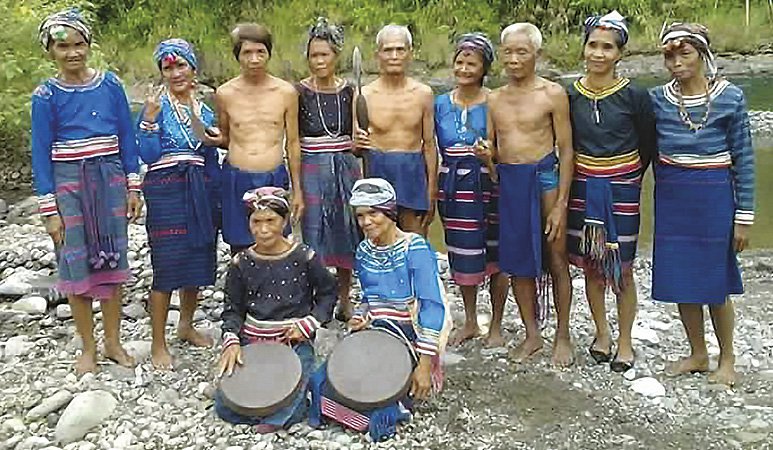
In the village of Lussok, I was invited to participate in a traditional Tadek dance ceremony. The Tadek is a cultural cornerstone for the Isnag people, performed during celebrations, after successful hunts, or to mark important life events. Men and women formed a circle, moving in rhythmic steps to the beat of gongs and drums, their hands gracefully mimicking the movements of birds in flight.
“The dance tells our stories,” explained Lina, a local teacher who had been instrumental in preserving Isnag cultural practices. “It teaches the young ones about who we are and where we come from.”
The preservation of such cultural knowledge has faced challenges over the decades. During the older Marcos era, parts of Apayao became strongholds for resistance fighters, leading to military operations that disrupted traditional life. More recently, the allure of economic opportunities in Manila and other urban centers has drawn younger Isnag away from their ancestral lands.
Yet, I was heartened to see young people participating enthusiastically in the dance. When I asked one teenage boy why he continued to practice these traditions, his answer was simple but profound: “Because it is who I am.”
On our third day, we ventured into the heart of the Apayao Protected Landscape, a 118,108-hectare conservation area that shelters some of the most biodiverse forests in the Philippines. Here, rare flora and fauna find sanctuary in the remaining primary forests that once covered all of northern Luzon.
“Watch carefully,” Manuel whispered as we hiked along a barely discernible trail. “The forest will reveal its secrets if you’re patient.”
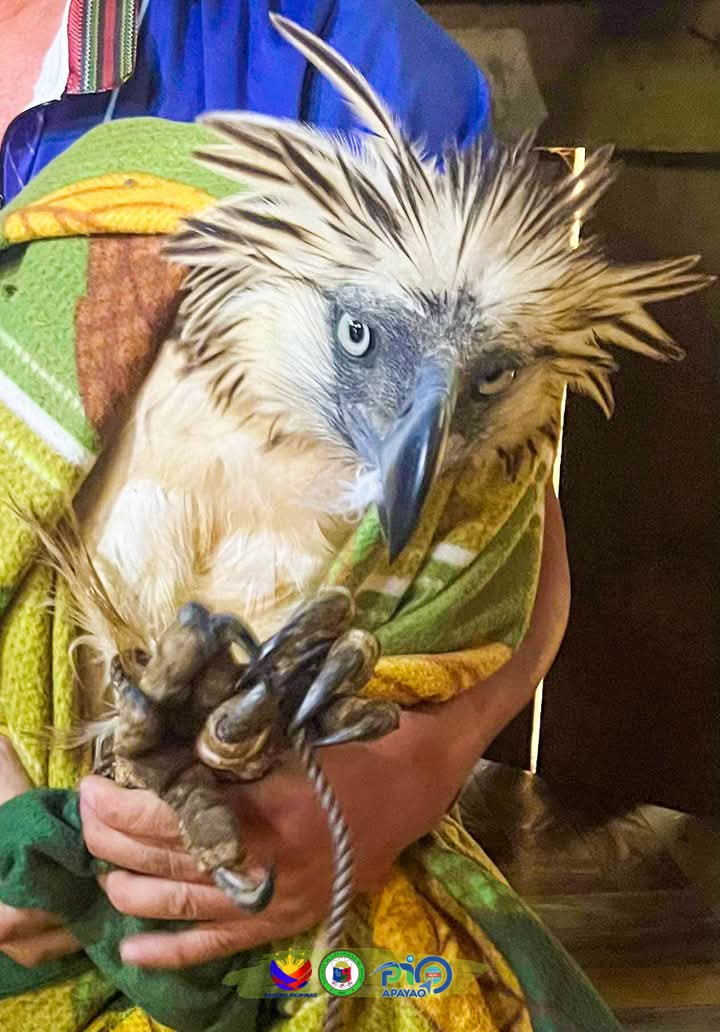
His words proved prophetic when, after an hour of silent walking, we spotted a Philippine eagle perched high in a dipterocarp tree. This critically endangered raptor, with its impressive two-meter wingspan, is one of the largest and most powerful eagles in the world. To see one in the wild is a privilege few are afforded.
The abundance of wildlife in Apayao is a testament to the indigenous conservation practices that have helped maintain ecological balance for centuries. The Isnag’s traditional resource management systems, including sustainable hunting practices and forest stewardship, have played a crucial role in preserving these habitats despite increasing development pressures.
No travel narrative would be complete without addressing the culinary dimension, and Apayao offers distinctive flavors that reflect its natural bounty and cultural heritage.
In the home of a local family, I was treated to a feast of river fish wrapped in banana leaves and slow-cooked over open flames, wild ferns sautéed with garlic, and rice from terraced fields that had been cultivated for generations. The meal was accompanied by tapuy, a traditional rice wine with a subtle sweetness that belied its potency.
“Food connects us to the land,” my host explained as she urged me to take another serving. “When you eat what grows here, you begin to understand our connection to this place.”
This connection to place is evident everywhere in Apayao. The people’s relationship with their environment is not merely extractive but deeply reciprocal, founded on respect and sustainability principles that have ensured their survival in this challenging landscape for thousands of years.
On my final evening in Apayao, I sat with a group of community leaders who were discussing their vision for the province’s future. Their aspirations reflected the delicate balance they hope to maintain: economic development that doesn’t compromise cultural identity or environmental integrity.
“We want progress, but not at any cost,” said Rafael, a young entrepreneur who had returned to his hometown after years in Manila. “We’ve seen what happens when development ignores the wisdom of the past.”
Tourism, they believe, could provide economic opportunities if managed thoughtfully. The province’s natural beauty, cultural richness, and adventure potential could attract visitors seeking authentic experiences off the beaten path. Yet there’s also a wariness of tourism’s potential impacts on their way of life.
“We welcome visitors who come with respect and curiosity,” Rafael continued. “But we don’t want to become a place that exists only for others to consume.”
As the stars emerged above us, impossibly bright in the unpolluted sky, I reflected on my brief time in Apayao. In just a few days, this once-blank space on my mental map had been filled with vivid experiences, meaningful connections, and a deeper understanding of a place that defies simple categorization.
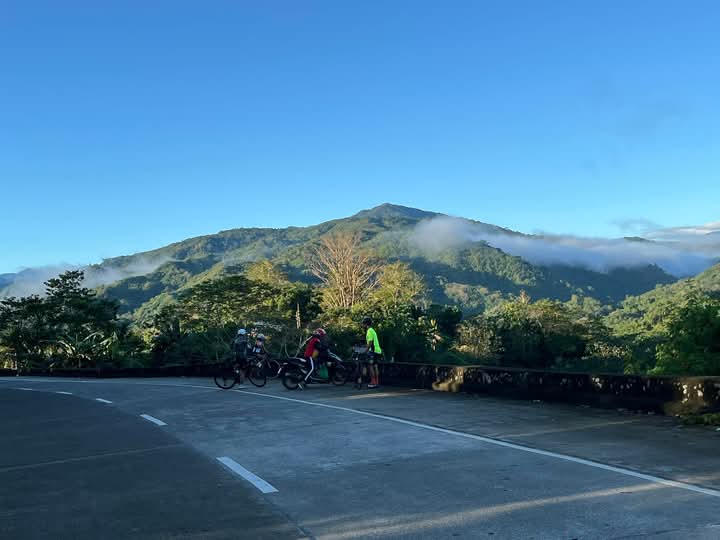
Apayao represents a Philippines that exists beyond the beach resorts and urban centers—a Philippines of ancient traditions, wild rivers, and communities that maintain a profound connection to land and heritage. It is a reminder that the most rewarding journeys often lead us to places where the guidebooks are thin, but the stories are rich and deep.
As our jeepney descended from the mountains the next morning, I watched the landscape unfold below us like a living map. Apayao had revealed itself to me, but I knew I had glimpsed only a fraction of its treasures. Like all truly meaningful destinations, it had left me with the most precious souvenir a traveler can hope for: the desire to return.




Leave a Reply