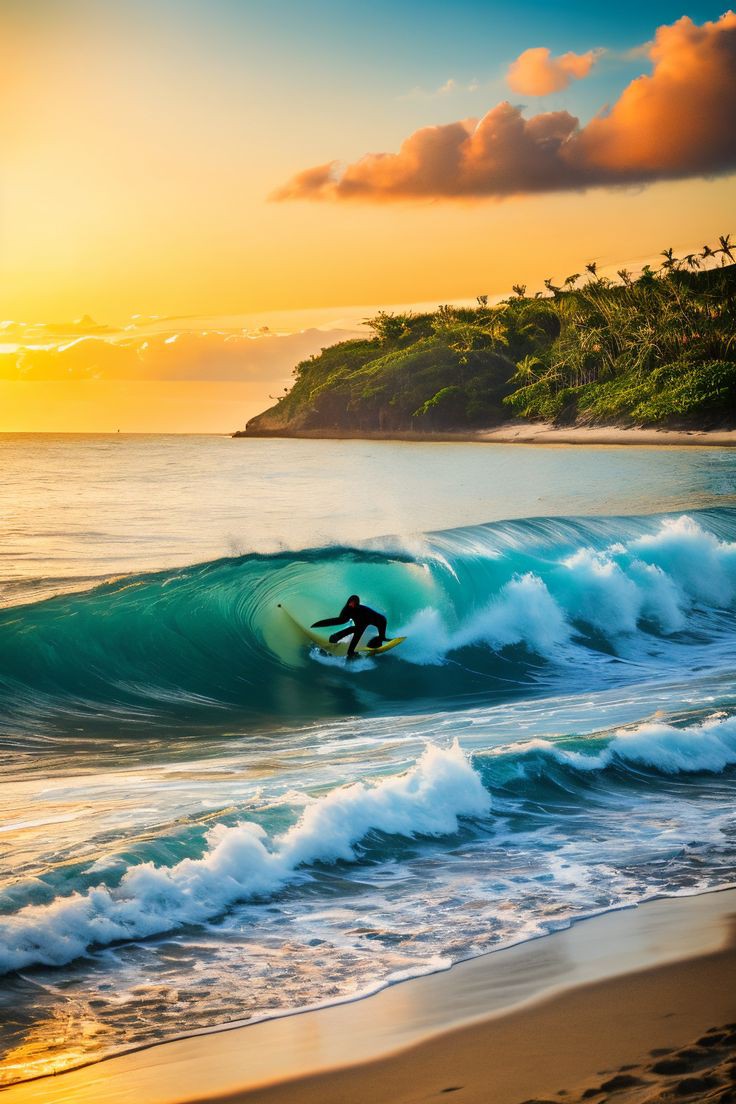
Sunrise at Cloud 9 Siargao (© Ari Mochi Tin)
I arrived in Siargao just as the last rays of sunshine painted the sky in brilliant oranges and purples, a fitting welcome to an island that operates on nature’s schedule rather than man’s. The 45-minute drive from Sayak Airport to General Luna, the island’s main tourist hub, served as a gentle introduction to Siargao’s charm. The narrow road wound through coconut plantations so vast and dense they’ve earned the island its nickname: the Coconut Capital of the Philippines.
My home for the next week, a modest bamboo cottage nestled among palm trees, perfectly embodied the island’s philosophy of simple luxury. The ceiling fan whirred quietly overhead, and through the open windows, I could hear the distant rhythm of waves breaking on the reef. No air conditioning needed – the sea breeze kept everything cool and comfortable, a reminder that sometimes the best amenities are the ones nature provides.
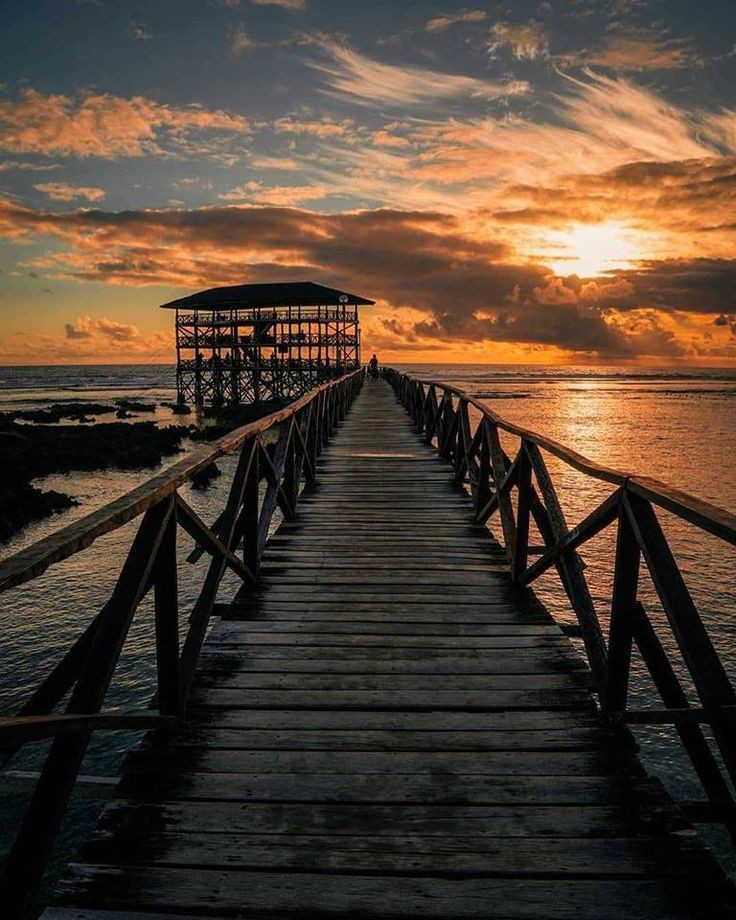
Cloud 9 Surfing Tower at General Luna, Siargao (© katkatoglaag)
The island’s surf culture runs deep, but Siargao offers far more than world-class waves. One afternoon, I joined a boat tour to the three neighboring islands: Naked, Daku, and Guyam. Each island seemed to compete for the title of most picturesque, with their powder-white beaches and crystalline waters. On Daku, local women prepared a feast of fresh-caught fish, grilled to perfection and served with green mangoes, while children played tag among the coconut trees.
The inland adventures proved equally memorable. I rented a motorbike – the preferred method of transportation here – and explored the island’s hidden treasures. The Magpupungko Rock Pools, revealed during low tide, offered a natural swimming experience unlike any other. These deep, crystal-clear pools, carved out of ancient coral beds by centuries of wave action, provided a perfect respite from the tropical heat. Nearby, local children demonstrated their cliff-jumping prowess, their laughter echoing off the rocks.
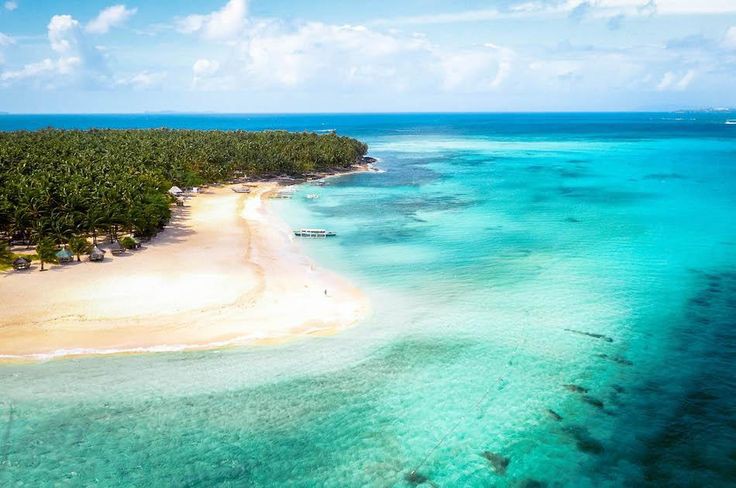
Siargao’s Daku Island (© Daily Travel Pill)
The food scene in Siargao deserves its own chapter. While General Luna boasts an impressive array of international cuisine – from authentic Italian pizzerias to trendy vegan cafes – the local Filipino dishes remained the highlight of my culinary journey. At the public market, I discovered the joy of fresh lato (sea grapes), their briny pop a perfect accompaniment to grilled fish. Every morning, I looked forward to my silog breakfast: garlic rice, fried egg, and sweet longganisa sausage, served at a tiny carinderia (local eatery) where the owner remembered my name after just one visit.
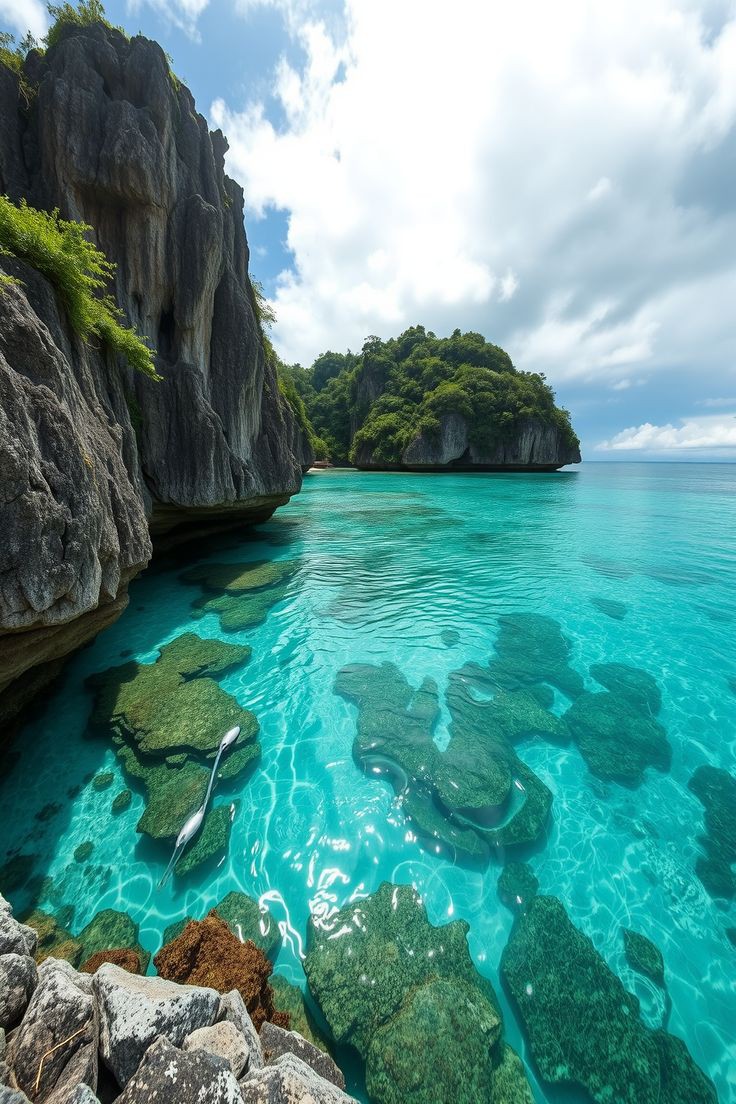
The hidden lagoon at Datu Island (© Lady Ting).
The island’s commitment to sustainability became evident during my stay. Local initiatives to reduce plastic waste were visible everywhere, from bamboo straws in restaurants to signs promoting reef-safe sunscreen. Many resorts operate on solar power, and there’s a growing movement to protect the island’s delicate ecosystem from the impacts of increasing tourism. It’s heartening to see a destination trying to balance development with preservation.
But Siargao’s magic lies not just in what you can do there, but in how the island makes you feel. There’s a peculiar slowness to time here, a gentle reminder that life doesn’t always need to move at breakneck speed. Whether you’re watching the sunrise from Cloud 9, sharing a meal with newfound friends, or simply swaying in a hammock with a book, the island has a way of resetting your internal clock to a more natural rhythm.
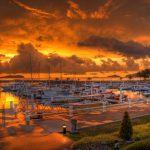
The Catangnan-Cabitoonan Bridge is one of the best sunset spots in Siargao (© Anastasiia Treneva).
As my boat departed from the port going to Surigao City later that day, I looked back at the island’s shrinking shoreline. The palm trees waved goodbye in the breeze, and I could still make out the wooden structure of Cloud 9 in the distance. Siargao had worked its magic on me, as it does on so many visitors. It’s not just a destination; it’s a reminder that paradise isn’t about luxury resorts or perfect beaches – though Siargao has its share of both. True paradise is found in moments of connection: with nature, with others, and with ourselves. On this small island in the Philippine Sea, those connections seem to happen naturally, as effortlessly as waves rolling onto shore.

Leave a Reply