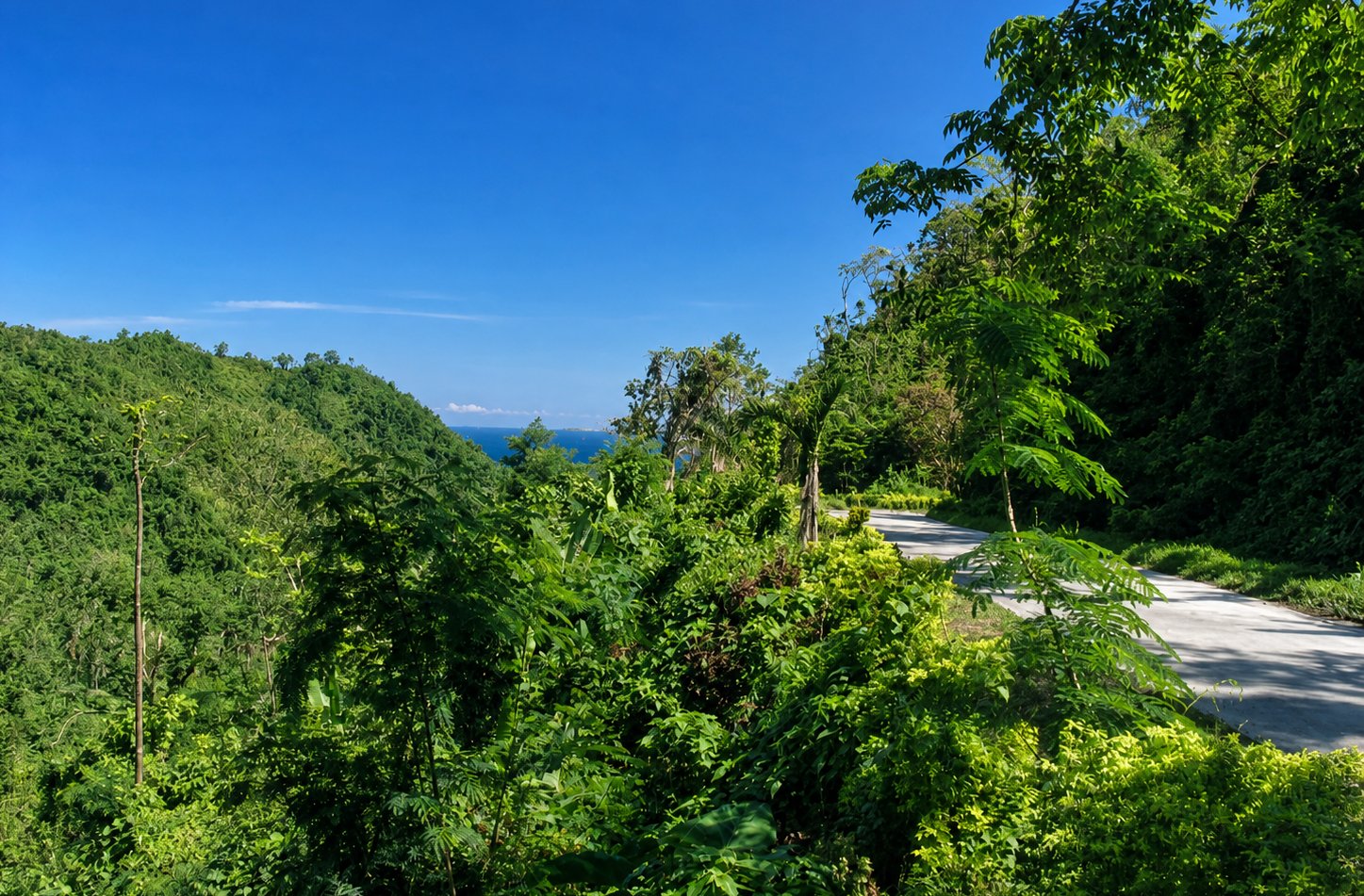
If you’ve been thinking about hiking but keep telling yourself, “Baka hindi ko kaya,” this is your sign to start.
Your first mountain doesn’t need to be extreme. It doesn’t have to be a multi-day expedition with tents, heavy packs, and survival-mode energy either. In fact, the best way to fall in love with hiking in the Philippines is to begin with a minor climb—the kind of trail that challenges you just enough, gives you a beautiful summit reward, and gets you home with tired legs and a big smile.
The Philippines has no shortage of beginner-friendly mountains. From the grassy ridges of Tanay and Batangas to the cool pine trails of Benguet and the volcanic landscapes of Central Luzon, there are many options that are perfect for first-timers.
In this guide, I’ll walk you through the best beginner hikes in the Philippines (minor climbs), what makes them beginner-friendly, and how to prepare so your first summit feels exciting—not traumatic.
Why Start With Minor Climbs?
A lot of people assume hiking means steep cliffs, dangerous scrambles, and impossible endurance. That’s true for some mountains—but not all.
In the local hiking scene, mountains are often grouped into minor climbs and major climbs. For beginners, minor climbs are the sweet spot.
What is a minor climb?
A minor climb usually refers to mountains rated around Difficulty 1/9 to 4/9 on the common local difficulty scale. These are often:
-
doable as a day hike
-
non-technical (no ropes required)
-
accessible from major cities
-
manageable with basic fitness
-
ideal for first-time hikers and weekend joiners
That said, “beginner-friendly” does not mean effortless. Philippine trails can still be hot, steep, muddy, or slippery depending on the season. The goal is not to find a mountain with zero challenge—it’s to find one that helps you build confidence safely.
How to Choose Your First Mountain
Before picking a mountain because it looks nice on Instagram, ask yourself these three questions:
1) Do I want a chill hike or a real workout?
Some beginner hikes are basically scenic walks. Others are beginner-level but still steep and leg-burning.
-
Chill / Easy: Treasure Mountain, Mt. Camisong
-
Moderate: Mt. Kulis, Mt. Batolusong, Mt. Ulap
-
Beginner but Challenging: Mt. Daraitan, Mt. Batulao (depending on route)
2) Do I prefer views, forests, or river swims?
Different mountains give different experiences.
-
Sea of clouds + ridges: Tanay, Benguet
-
Pine forest + cool weather: Cordillera hikes
-
Rock formations + adventure: Daraitan, Nagpatong
-
Swim after hike: Tinipak River, Bunga Falls, Aloha Falls
3) How far am I willing to travel?
Travel time matters—especially if you’re waking up at 1:00–3:00 AM for a joiner van.
-
Near Manila (day trip friendly): Rizal/Tanay, Batangas
-
Longer travel but worth it: Benguet, Mt. Province, Zambales, Nueva Ecija
Best Beginner-Friendly Hikes in the Philippines (Minor Climbs)
Here are some of the most recommended mountains for first-timers, grouped by region.
1) Treasure Mountain (Tanay, Rizal)
Best for: Non-hikers, families, seniors, and anyone who wants the view with minimal effort
Let’s start with the easiest one.
Treasure Mountain is often described as the “no-hike hike” because you can go up by vehicle and enjoy the sea of clouds without doing a full mountain trek. If your goal is to experience mountain scenery, sunrise vibes, and cold morning air without committing to a difficult trail, this is a great entry point.
Why beginners love it
-
Very accessible from Metro Manila
-
Minimal physical effort
-
Great for first-time mountain sunrise trips
-
Good “test run” before trying actual trail hikes
Reality check
This is more of a mountain viewpoint/campsite experience than a traditional summit hike. Still, for many first-timers, it’s the confidence boost they need before trying a real trail.
2) Mt. Kulis & Noah’s Ark (Tanay, Rizal)
Best for: Scenic beginner hikes, group trips, and photo-friendly adventures
Mt. Kulis is one of the most approachable “real hikes” in Tanay. The trail is generally manageable, and the route is famous for its grassland views, photo stops, and the iconic Noah’s Ark limestone formation.
It’s the kind of hike that feels rewarding even if you’re not super fit yet.
Why it works for first-timers
-
Beginner-friendly terrain
-
Scenic and open trail
-
Popular joiner destination (easy logistics)
-
Can be paired with camping/photo spots
What to expect
Because parts of the trail are open, it can get hot later in the morning. Start early, bring sun protection, and don’t underestimate hydration.
3) Mt. Batolusong (Tanay, Rizal)
Best for: First-time hikers who want classic rolling-hills scenery
Mt. Batolusong is one of the best mountains for beginners who want that dramatic “highland” look without extreme difficulty. The route usually includes fields, ridges, and grass-covered slopes that open up to beautiful panoramic views.
If you want a hike that feels like an adventure but stays within beginner range, this is a strong choice.
What makes it beginner-friendly
-
Well-known day hike route
-
Scenic rewards come early
-
Usually done with guides/joiner groups
-
Can include side trip to Kay-Ibon Falls
Why many first-timers remember it
The ridgeline views are the kind that make you stop and say, “Grabe, ang lapit lang pala nito sa Manila.”
4) Mt. Daraitan + Tinipak River (Rizal)
Best for: Fit beginners who want a challenge and a river reward
Mt. Daraitan is often recommended to beginners—but with a warning: this is a steeper kind of beginner hike. It’s not technical in the mountaineering sense, but it can be physically demanding, especially for people who are not used to uphill climbs.
That said, it remains one of the most popular first hikes in Luzon for a reason.
Why it’s still beginner-friendly (for some)
-
Short enough for a day hike
-
Guide-supported routes are common
-
Extremely rewarding summit and river combo
-
Great “level-up” hike after easier trails
The big reward
After the climb, you can cool down at Tinipak River, known for its striking white limestone rocks and clear water. That post-hike swim makes the leg pain feel worth it.
5) Mt. Batulao (Batangas)
Best for: Beginners who want a dramatic ridgeline experience
Mt. Batulao is one of the classic training grounds for new hikers in Luzon. It looks intimidating because of its jagged, saw-like profile, but many sections are very doable for beginners, especially with the right route and pacing.
Why it’s a favorite
-
Beautiful rolling ridges and peaks
-
Accessible from Manila/Batangas routes
-
Great for sunrise hikes and cool-season climbs
-
Feels like a “real mountain” experience
Important note for beginners
Batulao can be:
-
very hot (open trail)
-
dusty in summer
-
slippery after rain
If it’s your first hike, go with a group, start early, and don’t push your pace to match the strongest hiker. Slow and steady wins here.
6) Mt. Ulap (Itogon, Benguet)
Best for: First-timers who want cool weather, pine trees, and iconic views
If someone asks me for a beginner hike in North Luzon that delivers almost everything—great trail variety, manageable difficulty, and amazing scenery—Mt. Ulap is always near the top of the list.
This is one of the most popular day hikes in Benguet, and for good reason.
Why beginners love Mt. Ulap
-
Cool weather (huge advantage vs lowland heat)
-
Scenic ridges + pine forests
-
Memorable photo spots like Gungal Rock
-
Very rewarding for the effort required
What first-timers should know
Because Mt. Ulap is so popular, weekends can be crowded. Expect waiting time at photo spots, especially at Gungal Rock. If you want a smoother experience, go on a weekday or arrive early.
7) Mt. Kupapey & Mt. Fato (Bontoc, Mountain Province)
Best for: Beginners who want scenery + culture + a weekend mountain trip
This twin-hike combo is ideal for travelers willing to go farther for a more immersive mountain experience. It’s beginner-friendly in terms of trail difficulty, but the long travel time makes it more of a weekend trip than a quick day hike.
Why it’s worth the trip
-
Stunning views of the Maligcong Rice Terraces
-
Cool mountain weather
-
Pine trails and scenic viewpoints
-
Great intro to hiking + Cordillera culture
Typical beginner-friendly setup
-
Mt. Fato for sunset (short and scenic)
-
Mt. Kupapey for sunrise (famous terraces view)
If you’re the type who wants your first hikes to be more than just “summit then go home,” this one feels special.
8) Mt. 387 + Aloha Falls (Nueva Ecija)
Best for: Groups, beginners, and eco-conscious hikers
Mt. 387 (also called Batong Amat) is another solid beginner mountain that gives you a scenic climb plus a fun side trip. It’s often paired with Aloha Falls, making it a good option for those who like the hike-and-swim combo.
Why beginners enjoy it
-
Beginner-friendly route profile
-
Distinctive hill views (especially in dry season)
-
Good group hike atmosphere
-
Extra adventure options on descent (depending on local setup)
Some groups also appreciate that this area has a stronger eco-awareness vibe, including reforestation/tree-planting efforts in some itineraries.
9) Mt. Pinatubo Crater Trail (Zambales/Tarlac)
Best for: Beginners who want an iconic destination, not a steep summit grind
Mt. Pinatubo is one of the most famous adventure trips in the Philippines, but it’s not a typical “summit assault” experience. The journey includes a 4×4 ride across lahar terrain followed by a trek to the crater lake.
Why beginners can do it
-
Trail is usually non-technical
-
Less steep than many mountains
-
Guided/organized tours are common
-
Extremely unique landscape and high reward
What to prepare for
The trail can still be tiring because of:
-
long walking distance
-
rocky/sandy riverbed sections
-
heat and sun exposure
So yes, it’s beginner-friendly—but don’t mistake “non-steep” for “effortless.”
10) Mt. Camisong Forest Park (Benguet)
Best for: Chill nature walks, families, and soft-entry hiking days
If Mt. Ulap is your “full” beginner hike, Mt. Camisong is your gentle warm-up. This is a great option if you want to enjoy the pine forest atmosphere of Benguet without committing to a long or demanding trail.
Why it’s ideal for beginners
-
Easy terrain
-
Relaxed pacing
-
Cool weather
-
Great side trip if you’re already in Baguio/Benguet
This is perfect for travelers who want movement and mountain vibes without the pressure of “summit performance.”
Beginner Hiking Tips (That Will Save Your Day)
Your first hike will be more enjoyable if you prepare the basics right. You don’t need expensive gear. You just need smart habits.
1) Train a little before the hike
You don’t need to be an athlete, but a bit of prep helps a lot.
For 1–2 weeks before your hike:
-
brisk walk or jog 30 minutes, 3x a week
-
take stairs whenever possible
-
do squats and lunges at home
-
stretch your calves and hips
Even basic conditioning makes uphill sections feel more manageable.
2) Don’t use brand-new shoes on the trail
This is a classic beginner mistake.
Break in your shoes or sandals first. Wear them for errands, short walks, or stair sessions. You want to discover friction points before the hike—not halfway through the trail.
3) Hydrate before, during, and after
In Philippine hiking, heat is often the biggest enemy.
-
Drink enough water in the days leading up to your hike
-
Bring at least 2 liters of water for most day hikes
-
Add electrolytes if you sweat heavily or hike in hot weather
4) Pack light, but don’t pack carelessly
For minor climbs, the goal is mobility. Bring what you need—not your entire room.
Beginner day hike essentials
-
Trail shoes or hiking sandals with grip
-
Dri-fit shirt
-
Comfortable pants/leggings
-
Cap/hat
-
Sunblock
-
Rain protection (poncho/payong)
-
2L water minimum
-
Snacks (chocolate, nuts, biscuits)
-
Small first aid kit
-
Headlamp/flashlight (yes, even for day hike)
-
Extra shirt (optional but nice after the trail)
5) Respect your pace
The fastest hiker is not automatically the best hiker.
If you’re a beginner:
-
take small, steady steps
-
rest when needed
-
avoid racing people on the trail
-
focus on breathing rhythm
A slow, consistent pace gets you to the summit safer than a rushed start and a burnout halfway up.
Joiner Tour or DIY: Which Is Better for First-Timers?
For most beginners, I recommend joiner tours for the first few hikes.
Why joiner tours are beginner-friendly
-
transport is arranged
-
fees are usually bundled
-
there’s a coordinator
-
you’re with other hikers
-
less mental stress on logistics
DIY becomes more fun once you understand how hiking days flow—registration, guide fees, jump-off schedules, trail cut-offs, and return timing.
If you’re hiking solo for the first time, being a solo joiner is a great option. You get the experience without being truly alone on the trail.
Common Beginner Mistakes to Avoid
Here are the mistakes I see over and over:
-
Overestimating fitness (“Nag-gym naman ako once.”)
-
Underestimating heat
-
Too little water
-
Wrong shoes (smooth soles = slippery disaster)
-
No sleep before call time
-
Skipping breakfast
-
Bringing too much stuff
-
Not listening to the guide
-
Taking risky photos for content
Remember: the best hiking photo is the one you take safely.
Final Thoughts: Start Easy, Build Confidence, Keep Going
Your first mountain doesn’t need to be epic. It just needs to be the right one for your current fitness, comfort level, and schedule.
That’s why minor climbs are so important. They introduce you to trail culture, local guides, mountain etiquette, and the simple joy of putting one foot in front of the other until the view opens up.
Once you finish your first beginner-friendly hike, something shifts. The fear gets smaller. The curiosity gets bigger. And before you know it, you’re planning your next climb on the van ride home.
Start with an easy one. Learn your pace. Respect the trail. Bring your trash down.
Then do it again.
Kita-kits sa bundok.


The article “Best Beginner Hikes in the Philippines 2026” from Dave’s Travel Corner explains that starting hiking in the Philippines doesn’t require extreme trails or multi-day climbs. It emphasizes choosing minor, beginner-friendly hikes that offer manageable difficulty, scenic views, and a safe introduction to mountain trekking. The guide encourages new hikers to pace themselves, prepare properly, and enjoy the experience rather than focusing on endurance or speed, making hiking more accessible and enjoyable for first-timers.