
Anawangin Cove in San Antonio, Zambales (© Chiradeep)
After four hours of travel, the familiar salt-tinged breeze of the West Philippine Sea welcomed me to San Antonio, a quiet coastal town that would be my base for the next few days. Unlike the more commercialized beaches of the Philippines, Zambales held onto its rustic charm, with fishing boats dotting the shoreline and carabaos lounging in nearby rice fields.
My first stop was Anawangin Cove, accessible only by boat or a challenging trek through the mountains. The boatman, an elderly local named Mang Ramon, shared stories of how the landscape changed after Mount Pinatubo’s eruption in 1991. What was once a rocky shoreline transformed into a stunning gray-sand beach, with volcanic ash giving birth to a forest of Agoho trees that now provided welcome shade to visitors.
The cove itself was a crescent of gray sand embraced by mountains on both sides. Agoho trees swayed in the afternoon breeze, their pine-like appearance creating an unusual but mesmerizing contrast against the tropical setting. I pitched my tent near the tree line, joining a handful of other campers who had made the journey to this hidden paradise.

Nagsasa Cove – San Antonio, Zambales (©) Katherine Pedrina
The next morning, I joined a group heading to Nagsasa Cove, Anawangin’s more secluded sister. The boat ride revealed Zambales’ dramatic coastline – sheer cliffs plunging into turquoise waters, hidden beaches accessible only during calm seas, and the occasional glimpse of local wildlife. A sea turtle surfaced briefly beside our boat, drawing excited gasps from everyone on board.
Nagsasa proved even more untouched than Anawangin. The beach stretched longer, the Agoho forest grew denser, and a freshwater stream cut through the landscape, creating a natural pool where the fresh water met the sea. I spent hours exploring the stream, discovering small waterfalls and pools teeming with tiny fish that nibbled curiously at my feet.
The local Aeta community maintained a small presence in Nagsasa, selling fresh coconuts and offering guided trips to nearby peaks. Through them, I learned about the medicinal plants that grew in the area and their traditional methods of sustainable fishing. Their deep connection to the land was evident in how they spoke about it – not as a resource to be exploited, but as a home to be protected.
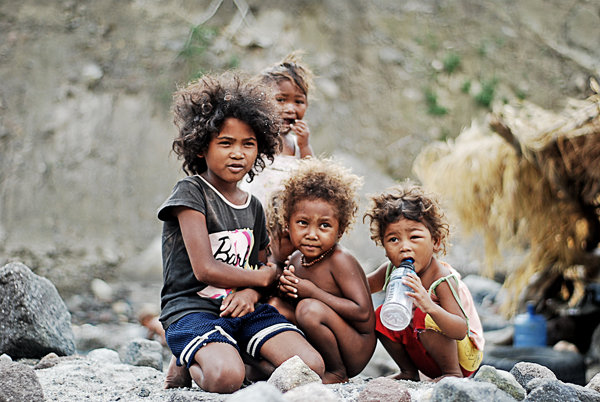
Aeta children. The Aeta are an indigenous group of people from the Philippines who are considered to be the first inhabitants of the country (© Jay Exiomo)
My last evening was spent at a local carinderia in town, savoring sinigang na isda made with fish caught just hours before. The sour soup, made tangy with native calamansi and sampaloc, seemed to encapsulate my entire Zambales experience – simple, authentic, and deeply satisfying. As I watched the sun paint the sky in brilliant oranges and purples, I understood why this province had become a sanctuary for those seeking to escape the frenetic energy of city life.
Zambales taught me that sometimes, the most profound travel experiences come not from carefully planned itineraries but from embracing the unhurried rhythm of local life. In an age where many destinations race to modernize, this coastal province stands as a reminder that there’s beauty in remaining true to one’s nature. The volcanic coves, forest-lined beaches, and warm-hearted locals create an experience that feels increasingly rare in our fast-paced world.
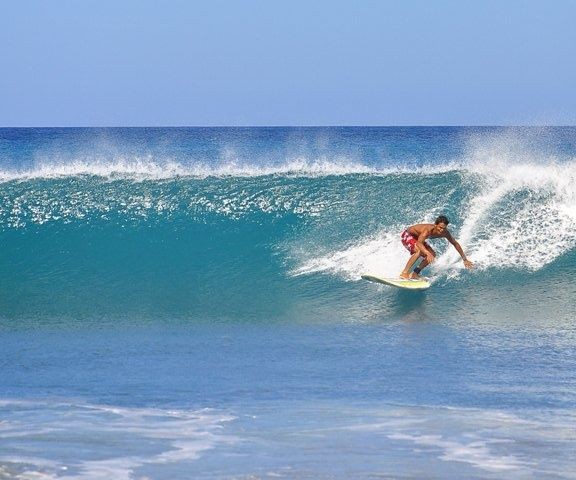
Crystal Beach Resort – San Narciso, Zambales (© TravelAgencyManila).
As the bus carried me back to Manila, I closed my eyes and held onto the memories: the taste of freshly grilled fish, the sound of Agoho leaves rustling in the sea breeze, and the sight of stars reflecting on gray sand. Zambales may not feature on many trending travel lists, but perhaps that’s exactly what makes it special – a place where nature’s transformative power and Filipino hospitality combine to create something truly extraordinary.
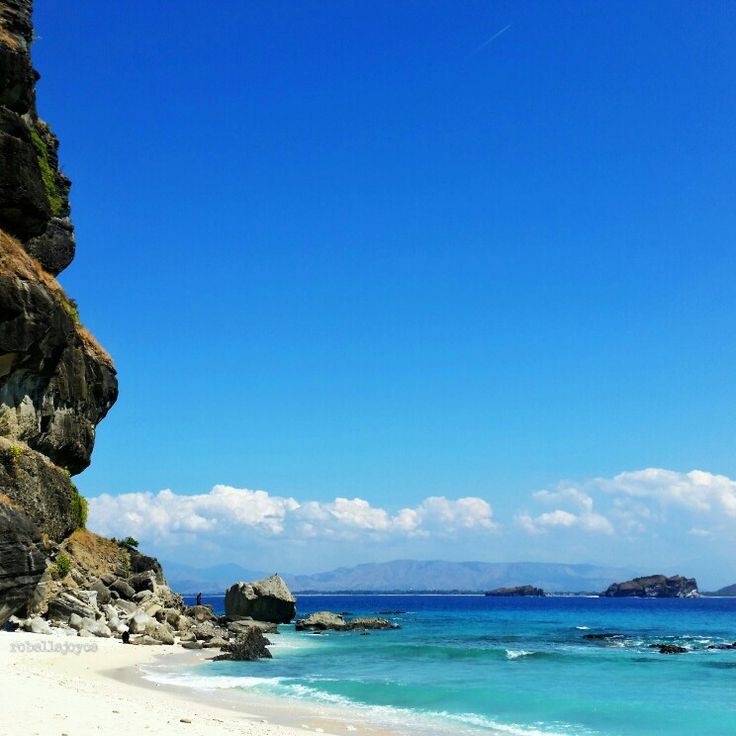
Capones Island in San Antonio, Zambales (© Jaie).





Leave a Reply