
Waves at Urbiztondo Beach in the municipality of San Juan, La Union.
The journey to La Union, or “ElYu” as it’s affectionately known by locals and regular visitors, typically begins with a five to six-hour bus ride from Manila. As the concrete jungle of the capital fades away, the landscape transforms into a tapestry of green rice fields and rolling hills, eventually giving way to glimpses of the cerulean waters that draw thousands of visitors each year.
Surfing culture forms the beating heart of La Union’s identity. The consistent waves at Urbiztondo Beach break reliably from July to October and December to February, making it an ideal destination for both novice and experienced surfers. Local surf schools, run by experienced instructors who grew up riding these very waves, offer lessons that go beyond mere technique – they share the spiritual connection between surfer and sea that has shaped the community’s evolution.
What sets La Union’s surf scene apart from other destinations is its accessibility and inclusive atmosphere. Unlike more established surf spots that can feel intimidating to beginners, the local community here has cultivated an environment where everyone, regardless of skill level, feels welcome. Surf instructors like Luke Landrigan, whose family helped pioneer the local surf scene, have created programs that make the sport approachable while respecting its cultural significance.

The San Juan Beach in La Union
The food landscape in La Union reflects its position as a meeting point of cultures and traditions. Traditional Filipino eateries serve fresh seafood caught daily by local fishermen, while international influences have given rise to establishments offering everything from authentic wood-fired pizzas to plant-based bowls. The Great Northwest Philippines Travel Stop & Viewing Deck has become an essential pit stop, offering panoramic views of the coast alongside local delicacies like bagnet (crispy pork belly) and fresh coconut juice.
Accommodation options in La Union cater to every budget and preference, from basic surf hostels to boutique hotels. Properties like Flotsam & Jetsam Artist Beach Hostel have become destinations in themselves, known for their distinctive design aesthetic that combines local materials with contemporary sensibilities. The hostel’s common areas have become gathering spaces where travelers from around the world share stories and forge connections, embodying the communal spirit that makes La Union special.

A night scene at Floatsam & Jetsam Kitchen Bar in San Juan La Union.
The nearby town of San Juan, the surf capital’s epicenter, has preserved much of its Spanish colonial heritage. The Saint John the Baptist Parish Church, built in 1846, stands as a testament to the region’s Catholic history, its coral stone walls holding centuries of stories. During Holy Week, the town comes alive with religious processions and cultural celebrations that offer visitors insight into local traditions.
La Union’s transformation into a tourist destination has not come without challenges. The local government and community have had to balance development with environmental conservation. Initiatives like regular beach clean-ups, strict waste management policies, and sustainable tourism practices have been implemented to preserve the natural beauty that attracts visitors in the first place.
The province has also embraced its role as an agricultural center, with several farms opening their doors to visitors interested in learning about sustainable farming practices. The Gapuz Grapes Farm in Bauang allows tourists to experience grape-picking sessions, while various organic farms offer farm-to-table dining experiences that showcase the region’s agricultural diversity.
As sunset approaches, La Union reveals another facet of its character. The beach strip transforms into a vibrant nightlife scene where acoustic sessions at beach bars blend with the sound of waves. Establishments like Clean Beach offer sunset sessions where visitors can enjoy craft cocktails while watching the sky paint itself in brilliant hues of orange and pink.
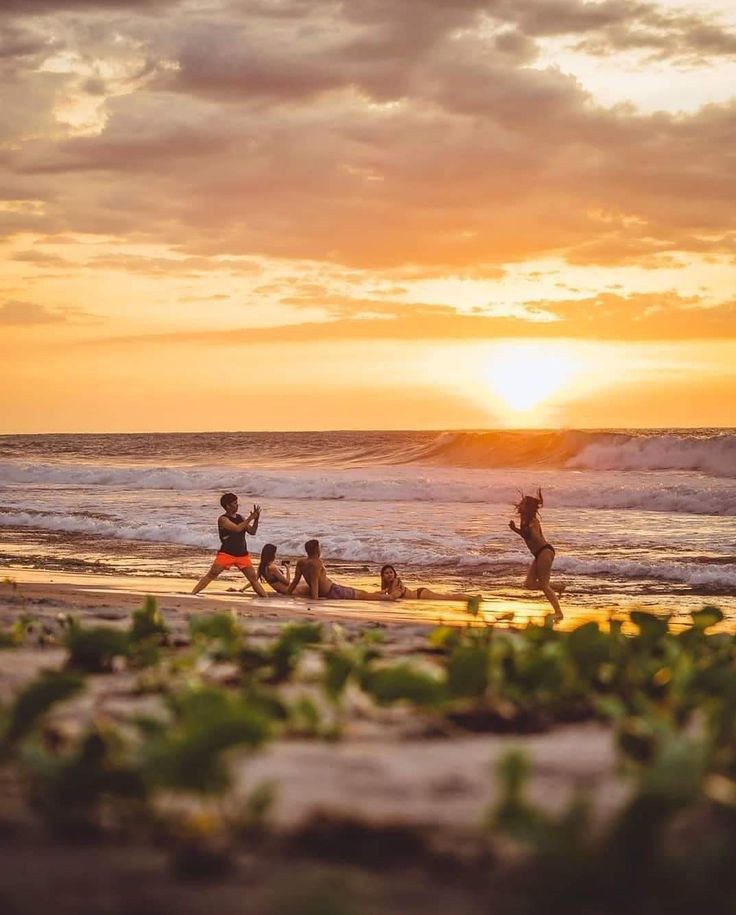
Approaching dusk at San Juan Beach.
The best time to visit La Union depends on what you’re seeking. The peak surf season from July to October brings the biggest waves but also the largest crowds. The months of December to February offer smaller waves ideal for beginners, while March to May provides perfect beach weather for those more interested in swimming and sunbathing. Regardless of when you visit, the consistent climate means there’s never really a bad time to experience La Union’s charms.
Transportation within La Union is relatively straightforward, with tricycles and jeepneys serving as the primary modes of local transport. Many visitors opt to rent motorcycles or scooters to explore the coastline at their own pace, though it’s important to note that local driving conditions can be challenging for those unused to Philippine roads.
As La Union continues to evolve, it maintains a delicate balance between progress and preservation. The influx of visitors has brought economic opportunities to local communities while creating pressure to maintain the authentic character that made the destination special in the first place. However, the strong sense of community and shared vision among locals, expatriates, and regular visitors has helped guide development in a direction that benefits all stakeholders.
Whether you’re seeking perfect waves, culinary adventures, cultural experiences, or simply a place to unwind, La Union offers a unique blend of activities and atmospheres that cater to various interests. Its accessibility from Manila makes it an ideal weekend getaway, while its depth of experiences can easily justify an extended stay. As you leave La Union, you’ll likely find yourself already planning your return, drawn back by not just the waves and sunsets, but by the genuine warmth of a community that has mastered the art of laid-back living without sacrificing its soul.






Leave a Reply