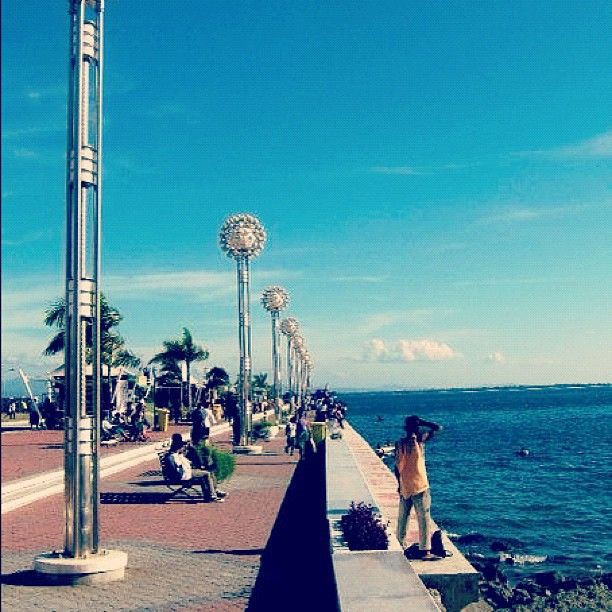
The Paseo Del Mar in coastal Zamboanga City (© Apollo Santos).
My journey began at the iconic Paseo del Mar, where the salty breeze carried whispers of the city’s maritime heritage. Local families strolled along the waterfront promenade, their conversations a melodic blend of Chavacano – the only Spanish-based creole language in Asia – and Filipino. Children chased each other past colorful food stalls selling grilled seafood and the local delicacy curacha, a deep-sea crab that’s become synonymous with Zamboangan cuisine.
The heart of the city beckoned, and I found myself drawn to the majestic Metropolitan Cathedral of the Immaculate Conception, more commonly known as Fort Pilar. The 17th-century structure stood as a testament to Spanish colonial influence, its walls weathered by centuries of history. The outdoor shrine, adorned with fresh flowers and burning candles, attracted both tourists and devoted locals who came to offer prayers. An elderly woman explained to me in Chavacano-accented English how the fort had protected the city from pirates and invaders, its walls now protecting something far more precious – the city’s faith and cultural identity.
Venturing into the bustling streets of downtown Zamboanga, I discovered Calle R.T. Lim, better known as Magay Street. This historic thoroughfare housed the city’s famous barter trade, where merchants sold everything from Malaysian batik to Indonesian spices. The real treasure, however, lay in the pearl shops that lined the street. Zamboanga’s reputation as the “City of Flowers” might be well-known, but its identity as the “Pearl Capital of the Philippines” drew serious collectors from around the world.
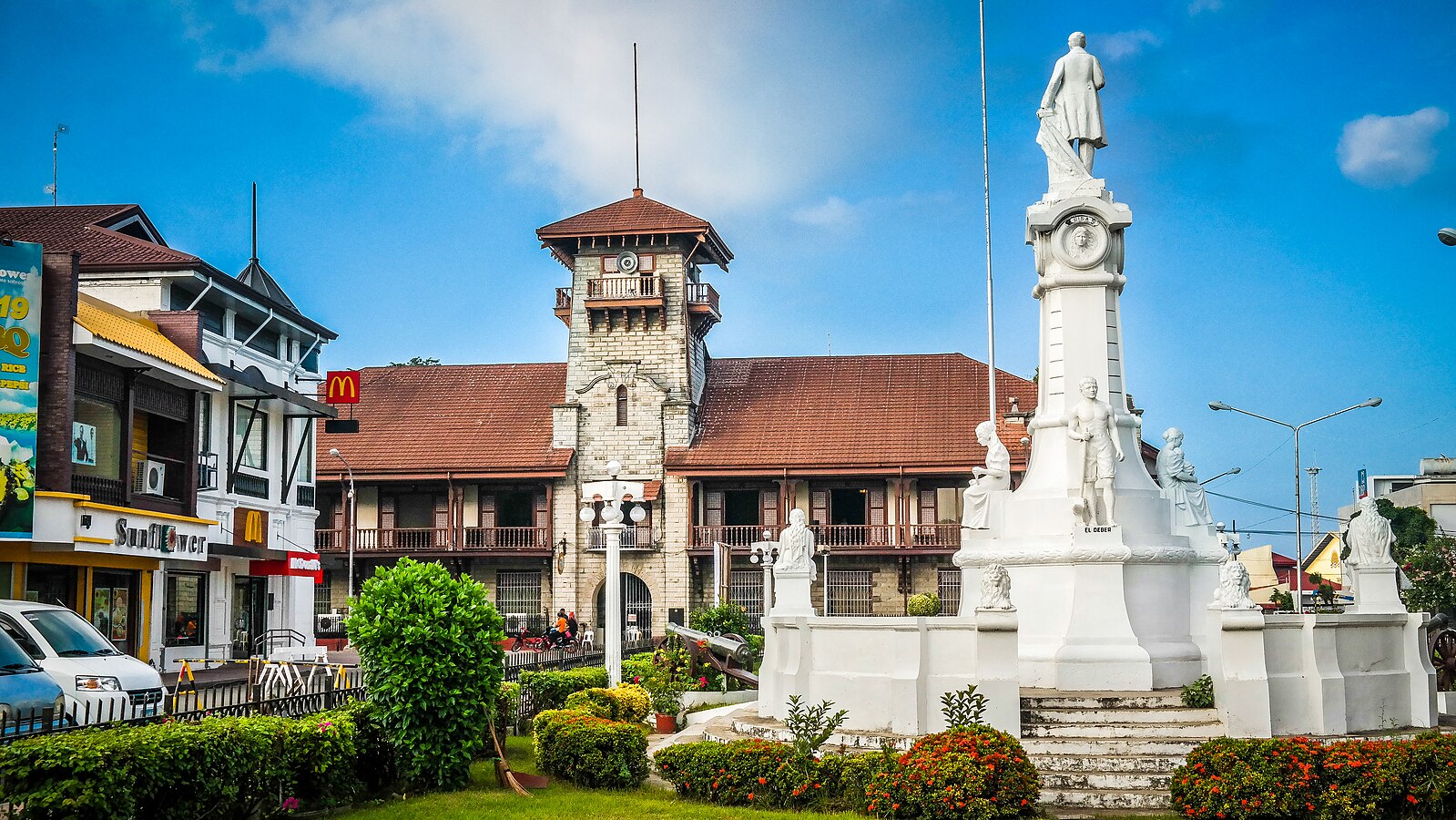
The Plaza Rizal and City Hall of Zamboanga City (© Bro. Jeffrey Pioquinto, SJ).
The afternoon heat drew me to Pasonanca Park, an urban oasis famous for its tiered swimming pools fed by natural spring water. Under the shade of century-old trees, I watched families picnicking on manicured lawns while children splashed in the crystal-clear pools. The park’s butterfly garden provided a peaceful retreat, its delicate inhabitants adding splashes of color to the verdant landscape.
As the day progressed, I made my way to the Santa Cruz Islands, a short boat ride from the mainland. The pink-hued sand of Great Santa Cruz Island, tinted by crushed red organ-pipe coral, created a spectacular canvas against the turquoise waters. Here, I met the Sama-Badjao people, sometimes called “sea gypsies,” who have called these waters home for generations. Their traditional stilt houses dotted the shoreline, and their children demonstrated remarkable free-diving skills as they searched for shellfish in the shallow waters.
The island’s mangrove forest provided a natural classroom where local guides explained the delicate ecosystem that supported both the marine life and the communities that depended on it. As we walked through the twisted roots, a guide pointed out tiny crabs and explained how the mangroves served as natural barriers against storms and coastal erosion.
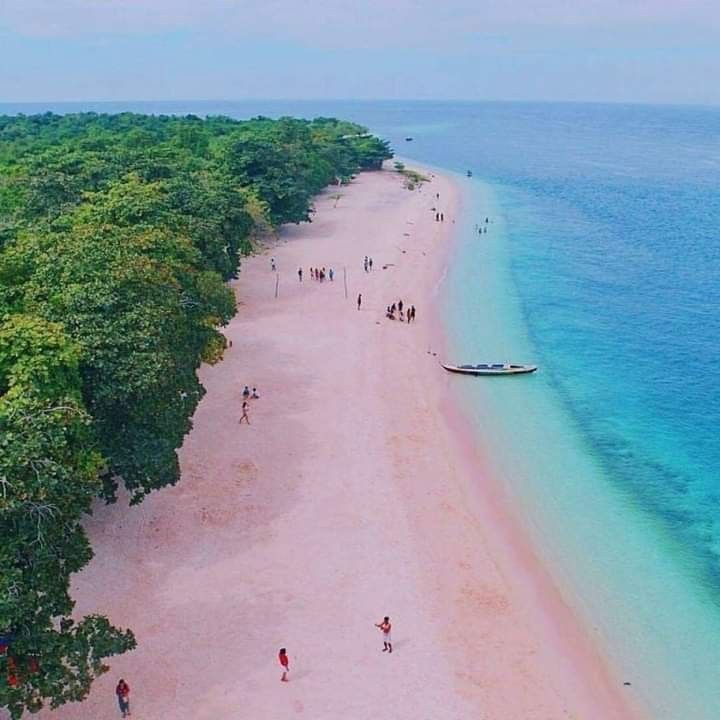
Pink-sand beach in Santa Cruz Island, Zamboanga City (© Ricky David).
Later, I explored the Yakan Weaving Village in Upper Calarian, where women from the Yakan tribe demonstrated their intricate weaving techniques. Their hands moved with practiced precision across traditional looms, creating vibrant textiles with geometric patterns that told stories of their cultural heritage. I purchased a hand-woven fabric, its complex patterns a testament to the patience and skill required in its creation.
The day’s adventures led me to the historic Plaza Pershing, named after General John J. Pershing, who served as governor of the Moro Province in the early 1900s. The plaza served as a window into the city’s American colonial period, with its bandstand and surrounding art deco buildings preserving the architectural legacy of that era. Street vendors sold local delicacies like satti (grilled meat skewers in spicy sauce) and lokot-lokot (rolled rice cookies), their aromas mixing with the cooling evening air.
Curacha is a type of crab and a signature dish of Zamboanga City. It’s also known as the spanner crab (© Rhoderick Enriquez).[/caption] As sunset approached, I joined the crowds gathering at Paseo del Mar once again. The setting sun painted the sky in brilliant hues of orange and purple, creating a daily spectacle that drew both locals and tourists. Fishing boats returned to port, their silhouettes dark against the colorful horizon, while vendors prepared their stalls for the evening crowd.
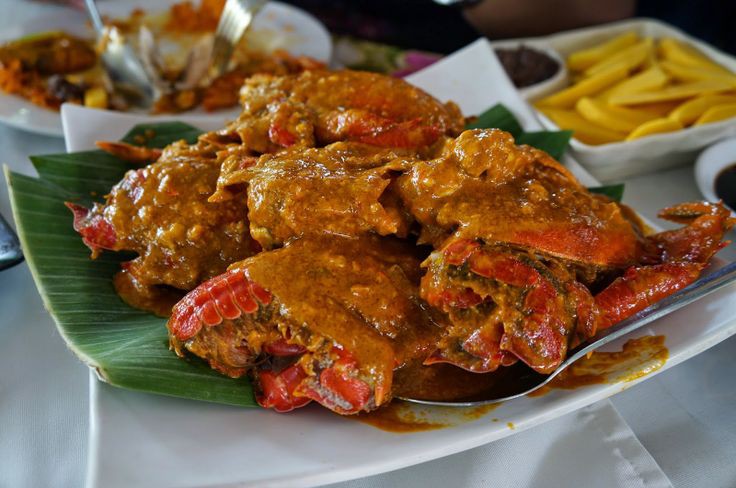
Curacha is a type of crab and a signature dish of Zamboanga City. It’s also known as the spanner crab (© Rhoderick Enriquez).
My final stop was the Lantaka Hotel, one of the city’s oldest establishments, where I sat on the terrace overlooking the strait. The evening breeze carried the sounds of a distant guitarista playing Spanish-influenced melodies, while the lights of fishing boats twinkled like stars on the dark water. A group of locals at the next table conversed in Chavacano, their musical language a reminder of how this city had preserved its colonial heritage while embracing its diverse present.
As my day in Zamboanga City drew to a close, I understood why it had earned its reputation as one of the Philippines’ most fascinating cities. It wasn’t just the pink sand beaches, the historic fortifications, or the pearls that made it special. Rather, it was the way the city had woven together its various cultural threads – Spanish, Filipino, Muslim, and indigenous – into a tapestry as colorful and intricate as any Yakan weaving.
The next morning, as my plane took off from Zamboanga International Airport, I caught a final glimpse of the city below. The sun glinted off the waters of the strait, the white walls of Fort Pilar stood proud against the landscape, and the vibrant colors of the city’s flowers painted dots of color across the urban canvas. Zamboanga City had revealed itself as more than just Asia’s Latin City – it was a living testament to how different cultures could not just coexist but blend together to create something uniquely beautiful.
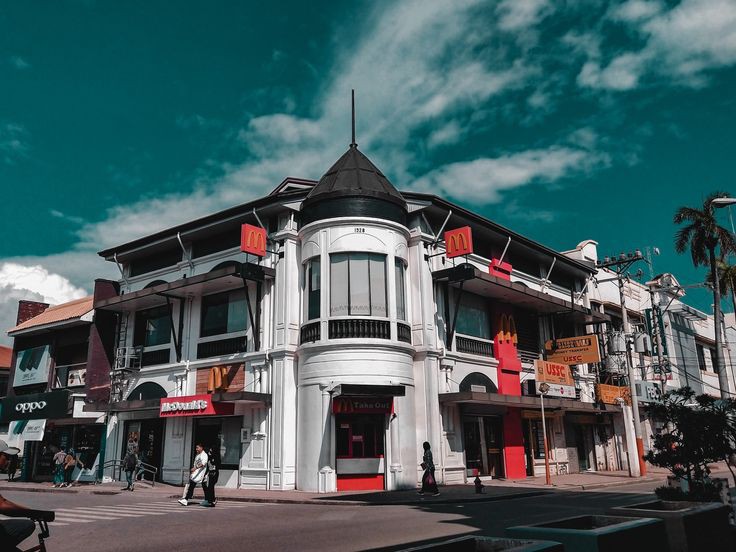
A Filipinized McDonald’s building in Zamboanga City (© Jackilyn Dionero).




Leave a Reply