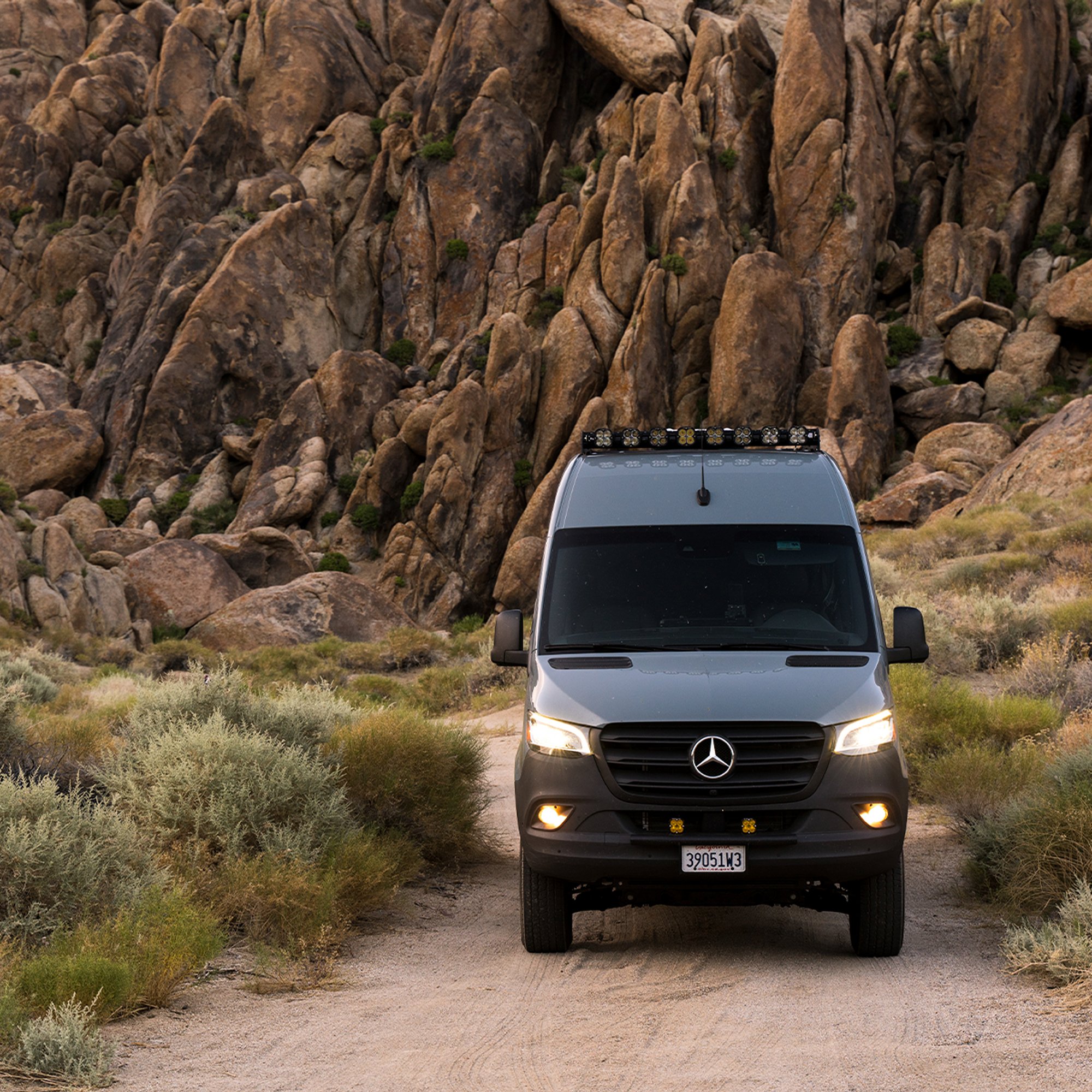
 Road trips are the ultimate freedom in lifestyle; when I go on a road trip, I have a rough idea of my geographical coverage, but I leave the trip mostly unscripted and unplanned letting the journey unfold as circumstances dictate.
Some of my favorite road trips are to California’s Eastern Sierra Nevada mountains, winding my way south into the desert, especially Death Valley and the Mojave. The silence, the stillness and the remoteness of these places, the desert in particular, have always appealed to me.
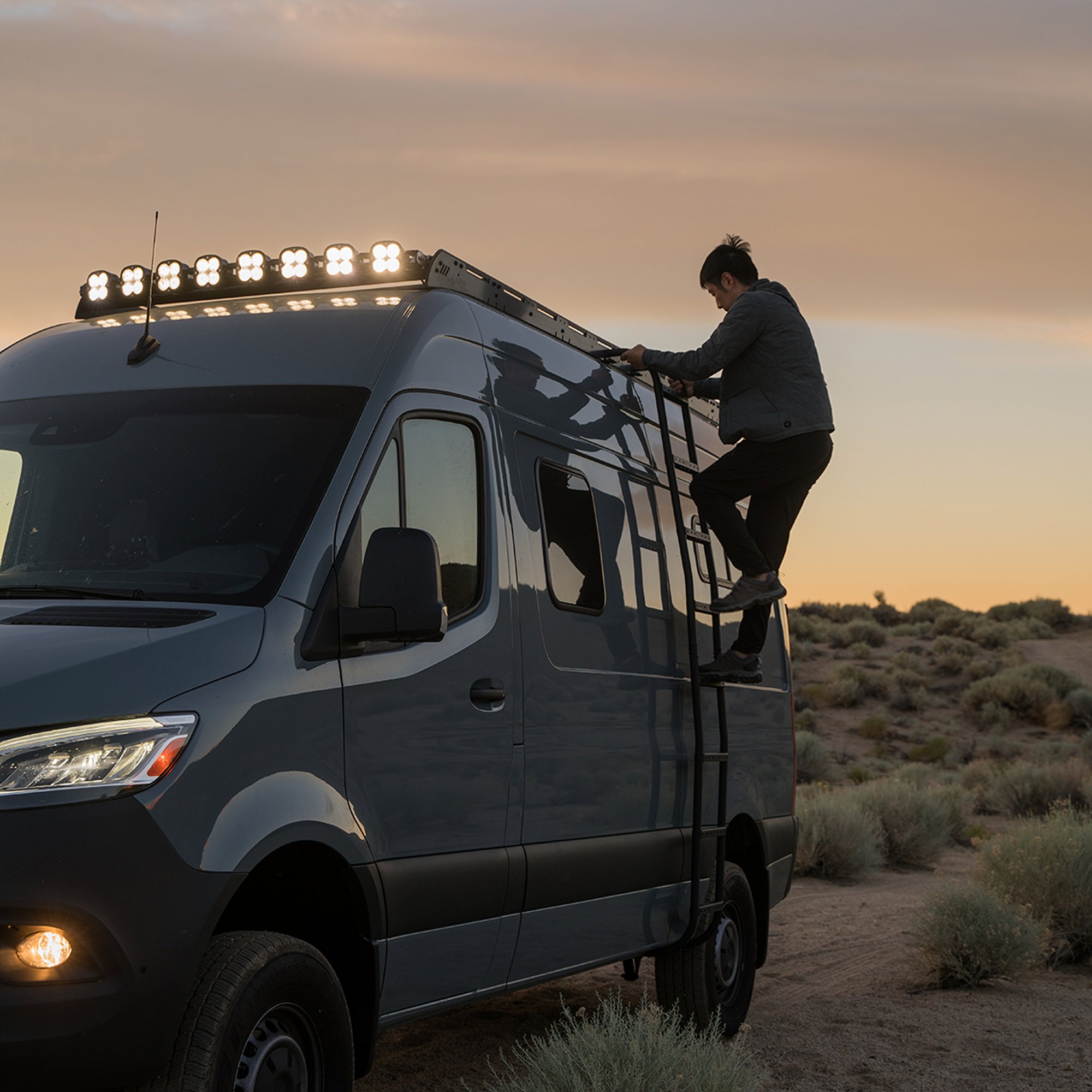
There are numerous types of vans for road trips; one of my favorites and one I’ve driven a number of times is the Sprinter van. For its size, it drives surprisingly well and has a tight turning radius. And to make your journey even more comfortable, consider a diversity of add-ons prior to your trip. One company, White Top Adventures offers numerous van accessories for Sprinter vans. Some of the items they sell for extra storage and utility purposes include: and adjustable bed system, headliner shelf, roof racks, side ladders for roof access, rear ladders for roof access, tire carrier, side steps & rear steps and cabinets.
And if you signup for their email list, you will automatically received 5% off of any purchases through their website.
In terms of preparing for your first van trip, pre-road trip preparation will ensure a smoother journey. Here are seven van essentials I have identified to be aware of in planning any van road trip, but especially so for first timers.
1. A Reliable Power System
When on a road trip, I travel with budget in mind and try to be as self sufficient as possible, utilizing free parking overnight on BLM land (in the U.S.) or at certain Walmart parking lots. These places obviously don’t have power, however, I will utilize a campground from time to time for a burst of power as needed.
So, it is a good idea to also have your own power supply, especially if you have a refrigerator, a stove, other appliances and or extra lights. As a side note, van roofs are ideal spaces for mounting solar cells.
2. Strategic Water Management
As important as anything you will take with you on your van trip is water and how you handle its availability. Most vans use a dual-tank system: a “fresh” tank for drinking and washing, and a “gray” tank for dirty sink water. It is also always a good idea to bring extra plastic water jugs with you.
And in terms of disposing grey water, you can do so at a variety of places including campsites, rest stops, RV parks, or even some gas stations.
3. Plenty of Storage Space
 In a small van, having enough cabinet storage space is the difference between a relaxing retreat and a cluttered, stressful environment. Sufficient cabinetry allows you to clear the “visual noise” of everyday items like cookware, dry goods, and electronics, which otherwise tend to migrate onto limited counter surfaces and seating areas. Beyond mere aesthetics, well-designed storage is a critical safety feature; secure cabinets prevent heavy items from becoming dangerous projectiles during sudden stops or while navigating winding mountain roads.
And in terms of adding storage cabinets and other products, White Top Adventures features numerous reviews from satisfied customers.
4. Leveling Blocks
One of my pet peeve on road trips is doing everything I can to maximum my sleep. And that includes sleeping horizontally. I have trouble going to sleep sometimes on even a slight incline and perhaps I am more prone to headaches.
And refrigerators like horizontal services, for example some of the older absorption models run most efficiently on horizontal surfaces.
If you are sleeping inside, a set of heavy-duty leveling blocks allows you to “flatten” your bed regardless of the terrain.
5. Tool Kit
A thoughtfully prepared tool kit could be the difference between frustration and satisfaction, especially if you are overnighting in a remote location. For example, vibrations from driving, especially on gravel roads, can act like a “slow-motion earthquake” on your cabinetry and plumbing. Some of the worst washboard I’ve experienced have been in the deserts.
Your kit should include:
– A set of Allen wrenches and a multi-bit screwdriver.
– Leaking-fixing essentials: Plumbers tape and heavy-duty zip ties.
– Recovery gear: A folding shovel and traction boards if you plan on driving on sand or mud.
6. A “No-Build” Toilet Solution
Even if your van doesn’t have a full bathroom, you need a plan for the middle of the night. Whether it’s a simple portable chemical toilet, a composting head, or a “dry bag” system, having a dedicated solution prevents stressful late-night searches for a public restroom.
7. Offline Navigation & Communication
One of the perks (at least for me) of road trips is getting off the beaten path where cell service is often non-existent.
And be sure to download Google Maps for offline use. And for emergencies consider a satellite messenger such as Garmin inReach.
Being prepared is always the first step to a memorable and enjoyable road trip.
—
Ultimately, preparing your first van trip is about finding the sweet spot between meticulous organization and the flexibility to adapt. While these seven essentials provide the foundation for safety and comfort, the true success of your journey lies in your ability to manage your resources—like power, water, and space—while remaining respectful of the communities and environments you visit. Remember that every traveler’s needs are unique; use your first trip as trial to refine your kit, perhaps even staying closer to home and keeping the trip to only several days.
Enjoy your first road trip!





Leave a Reply