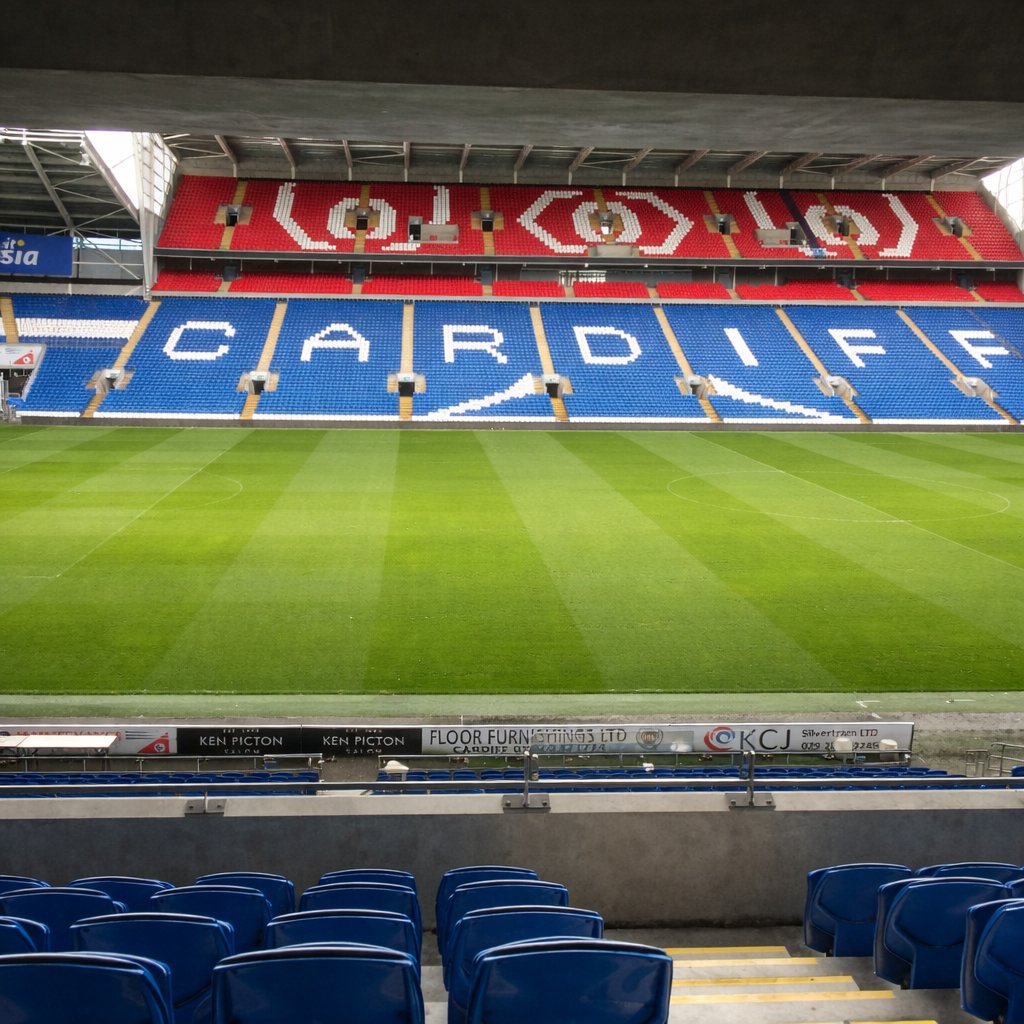
Chasing football, especially during a World Cup Summer, through cities that never sit still has a way of rearranging priorities. I have missed trains, missed meetings and once slept on a bench because a last minute stoppage time goal kept me rooted to a terrace until dawn. The payoff is always the same though, a feeling that the game is less a contest and more a way of reading a city, its rhythms and its people. In Sarajevo a long throw-in became the topic of a bar debate that lasted hours. In Tokyo a teenager taught me the offside trap while we queued for ramen. Those small moments are what travel for football is about.
With the World Cup round the corner, deciding where to go is never that simple though. I’ll usually pull up the World Cup odds just to get a feel for which games are getting the most betting attention, those tend to be the fixtures that bring the biggest crowds into a city and create the kind of atmosphere that makes the trip worth it. When odds on the big games start shortening, it normally means tournament dates are closing in and travel demand is already moving. Ultimately, following the World Cup through North America this year is going to be about those unexpected street-corner conversations as much as the trophy itself.
Cities as stadiums of culture
Cities are not neutral backdrops. They shape how football is experienced. In Lisbon the game moves at a sunlit, balmy rhythm. Streets lead you inevitably towards the stadium, and the match is part of a longer, relaxed day. In Manchester the match is a spike in a city already humming with industry and nostalgia.
The atmosphere outside the ground is as instructive as the one inside it. Knowing a city’s tempo helps you decide where to eat, where to linger and which post match routes will still be lively at midnight. I learned early on that arriving three hours before kick off in some places means witnessing the best of local life while in others it simply means enduring the queue.
Reading crowds not timetables
Crowds tell stories. A squat of visiting fans gathered under the railway bridge reveals more about travel patterns than any guidebook. One August evening in Naples the fans walking toward the Stadio San Paolo could have been mistaken for a sea of flags moving as one. In contrast in Copenhagen there is an orderly precision to arrivals that speaks of different civic habits.
I pay attention to how supporters move through a city because it informs everything from safety to atmosphere. It also affects practical decisions. If you see large groups converging from a particular transit hub you either join them or avoid the bottleneck. Either choice changes the narrative of your night.
The economics of movement
Football tourism is a quiet engine for many cities. Hotels near major venues price accordingly and local businesses adjust menus and hours. On a June trip to Marseille I watched entire neighbourhoods pivot toward match days and then recede back to normal within 48 hours.
That cyclic surge can make planning tricky but it also reveals opportunities for those who travel with an eye for detail. Street vendors often know which stands deliver the best garlic free fries and which alleys hold the warmest crowds. These microeconomies are part of the game’s broader appeal and they matter if you aim to write about football beyond the scoreline.
Safety, logistics and small rituals
Experience teaches you to prepare for small contingencies. Carry a paper ticket if possible. Learn two phrases in the local language. Keep a copy of the stadium map on your phone. I once missed a fixture because I did not allow for a citywide demonstration that coincided with kick off.
The simple rituals reduce friction and let you focus on the match itself. Rituals matter too. In Santiago de Chile there is a custom of sharing empanadas before the game. In Istanbul it is tea and toasted chestnuts. Participating in these rituals opens doors to conversations that otherwise never happen.
Writing from the terraces
As a journalist I have always tried to privilege texture over cliché. Numbers are necessary but they are not the only truth. A late tackle that silences a crowd tells you about community investment in a team.
A chant learned in an away end reveals what a supporter values. When I file a copy I include specifics- a vendor’s voice, a neighbourhood smell, a phrase shouted from the stands. These details authenticate a piece and make it useful to readers who might follow in your footsteps.
The moral responsibility of travel
Traveling for football is a privilege and it carries responsibilities. Respect local customs, avoid performative displays that demean local fans and, when possible, support neighbourhood businesses rather than large chains.
The most memorable matches I have covered were not the ones with the biggest scores but the ones where hosts treated visitors as guests of a city rather than as invaders. That small courtesy tends to return in kind.
The cities that never sleep
Cities never sleep entirely and neither do their footballing hearts. To chase the game properly you must be prepared to adapt, to read the crowd and to be generous in your curiosity. Tickets, trains and timetables are practicalities. The real work is noticeable, the way a chorus starts, how a street empties after a last minute winner, which bars keep the lights on. Those details build an account that matters to readers and to the cities themselves. Travel with humility, write with precision and let the city teach you its rhythms one fixture at a time.




Chasing football through busy cities sounds like an adventure. Did you find any unexpected places along the way?
Yes I ended up in the Cardiff Stadium well before the match!