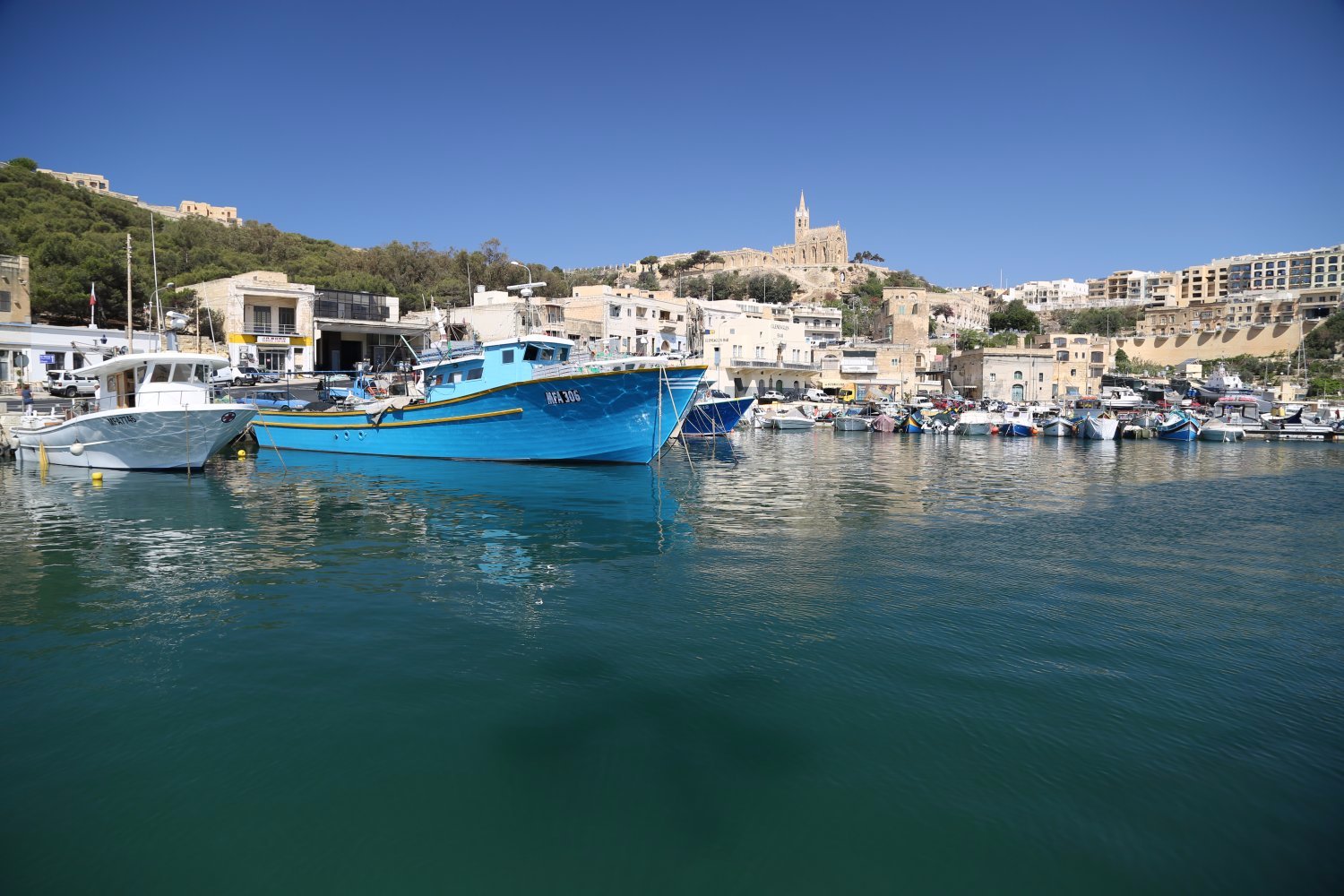
Malta is easy to read as a travel destination. Valletta’s limestone streets, fortified harbors, cafés, beaches, and short distances create an immediately recognizable Mediterranean image. Look beyond that visitor experience, however, and another Malta appears: one shaped by technology companies, international teams, remote work, and digital services. For businesses using NuxGame’s turnkey iGaming platform, that second identity offers an interesting lesson about what makes a location relevant to online industries.
A Traveler And A Digital Business Read Malta Differently
Visitors judge destinations through accommodation, transport, food, attractions, and the ease of moving around. Digital companies look at another layer: connectivity, access to professional services, talent, business networks, regulation, and the ability to operate internationally. The same island can therefore appear on two very different maps.
These maps increasingly overlap. A place attractive to international professionals can develop communities that support technology, finance, marketing, product development, and other digital work. That does not make tourism less important. Instead, it gives travelers another way to understand what happens behind the restaurants, hotels, historic buildings, and waterfront offices they pass every day.
Digital Hubs Need More Than Fast Internet
Reliable connectivity is fundamental, but a digital hub cannot be reduced to broadband speed. Companies need an ecosystem around the connection. That means people who understand technology, payments, security, compliance, customer operations, and international business, alongside institutions capable of supporting companies working across borders.
A useful way to read a digital destination is to look beyond the Wi-Fi:
- Access to skilled international professionals
- Connectivity for remote and distributed work
- Established technology and business communities
- Professional legal and financial services
- Links with international markets
- Spaces where companies and specialists can meet
For travelers working remotely, several of these qualities are noticeable in everyday life. For a digital company, however, they influence longer-term decisions about where teams meet, where operations are supported, and which business relationships can develop locally.
iGaming Became Part Of Malta’s Second Identity
Gaming is one example of how Malta’s international business profile differs from its holiday image. A visitor may spend a week exploring Valletta and Gozo without thinking about the technology businesses operating from the islands. Yet the sector has created a professional environment involving software, operations, payments, regulation, marketing, and specialist services.
Anyone researching Malta’s iGaming industry quickly encounters this broader ecosystem rather than a single type of company. That distinction matters. A digital cluster becomes useful when different capabilities exist around the core businesses, allowing specialists, suppliers, operators, and professional services to interact within the same environment.
Location Matters Even When The Product Lives Online
A digital service may be available through a browser, but the business behind it still has a physical structure. Teams need places to work. Companies need professional partners. Management needs access to expertise, while regulatory and operational responsibilities still exist regardless of where the customer opens the website.
This is also where NuxGame’s turnkey iGaming platform provides a useful contrast. Technology can consolidate product functions such as content, payments, account management, and operational tools, reducing the need to assemble every component separately. But a platform does not remove the wider business environment. Technology simplifies one layer while people, regulation, partnerships, and market knowledge remain separate responsibilities.
The Mediterranean Lifestyle Is Part Of The Business Story
There is also a human reason digital industries cluster in particular destinations. International professionals do not experience a location only through offices and tax structures. They live there. Walkability, restaurants, flight connections, climate, language, communities, and opportunities outside work all influence how a place feels as a professional base.
That creates a trade-off for any growing digital hub. International business can bring new skills and economic activity, while greater demand also places pressure on housing, infrastructure, and local services. Looking at a destination only through its business advantages misses the everyday realities that residents and long-term visitors experience.
Malta Makes More Sense When You See Both Maps
Travel often becomes more interesting once a destination stops being a collection of landmarks. Malta’s architecture and coastline tell one story, while offices, international teams, digital services, and specialized industries tell another. Neither perspective replaces the other; together they explain why a small Mediterranean destination can have a professional identity extending far beyond tourism.
For NuxGame, that makes Malta a useful example of the relationship between place and digital infrastructure. NuxGame’s turnkey iGaming platform may support an online business technologically, but digital companies still exist within real ecosystems of people, expertise, regulation, and connections. Understanding Malta means noticing both: the island travelers photograph and the business network operating behind the view.





Leave a Reply