Canada is a country best understood through its distances. From the Atlantic provinces to the Pacific coastline, its landscapes change dramatically, passing through historic cities, endless forests, enormous lakes, open prairie and mountain ranges that seem to stretch beyond the horizon. Travelling across such a vast country takes time, but that is precisely what makes the experience so rewarding. Instead of rushing between destinations, you can watch the scenery unfold and appreciate just how varied Canada really is. A coast-to-coast adventure can take several forms, from a road trip with plenty of freedom to a combination of domestic flights, regional journeys and extended stays. For travellers who want to experience the country’s scale without spending every day behind the wheel, the railway offers a particularly memorable way to explore the landscape.
Experience the Country at a Slower Pace
One of the most rewarding ways to cross Canada is aboard VIA Rail The Canadian, the transcontinental service connecting Toronto and Vancouver. The journey covers approximately 4,400 kilometres and takes around four days and four nights, passing through five provinces along the way. Rather than treating the distance as something to overcome, passengers can make the changing scenery the main attraction. The experience is very different from flying. There is time to settle into the rhythm of the train, read a book, chat with fellow passengers or simply watch the landscape through the windows. On board, the Skyline car provides panoramic views, while sleeper accommodation offers a more comfortable option for those who prefer a proper bed during the journey. Dining facilities and shared lounge spaces also make the train feel like part of the holiday rather than simply a way to reach the next destination. The route is particularly appealing to travellers who enjoy photography and slow travel. The scenery changes gradually, giving you time to notice details that might otherwise pass unnoticed. There is something satisfying about waking up in a completely different region and realising how much ground you have covered overnight.
Follow the Route From Toronto to Vancouver
The Toronto to Vancouver train journey begins in Canada’s largest city before moving into the forests and lake country of Northern Ontario. This section can feel wonderfully remote, with rocky landscapes, stretches of woodland and occasional glimpses of small railway communities. The Canadian Shield gives the journey a distinctive character, quite different from the agricultural scenery that appears later. As the train reaches Manitoba, Winnipeg provides a fascinating introduction to the Prairies. The city has an interesting cultural scene, historic architecture and a strong connection to the region’s Indigenous and immigrant histories. From here, the landscape opens up across Saskatchewan, where vast skies and seemingly endless fields create a sense of space that is difficult to appreciate from a city street. Alberta brings another change. Edmonton is a useful stop for travellers exploring the province, although those with limited time may prefer to continue towards Jasper. The journey through the Rockies is one of the most memorable stretches, with dramatic peaks, river valleys and forested slopes appearing along the route. Near Jasper, the scenery becomes particularly impressive, making it worth considering a longer stay rather than simply passing through. The final section towards British Columbia moves through contrasting landscapes before reaching Vancouver. The city sits between the Pacific Ocean and the Coast Mountains, providing a fitting finish to a journey that has crossed so many different environments.
Begin With Canada’s Contrasting Regions
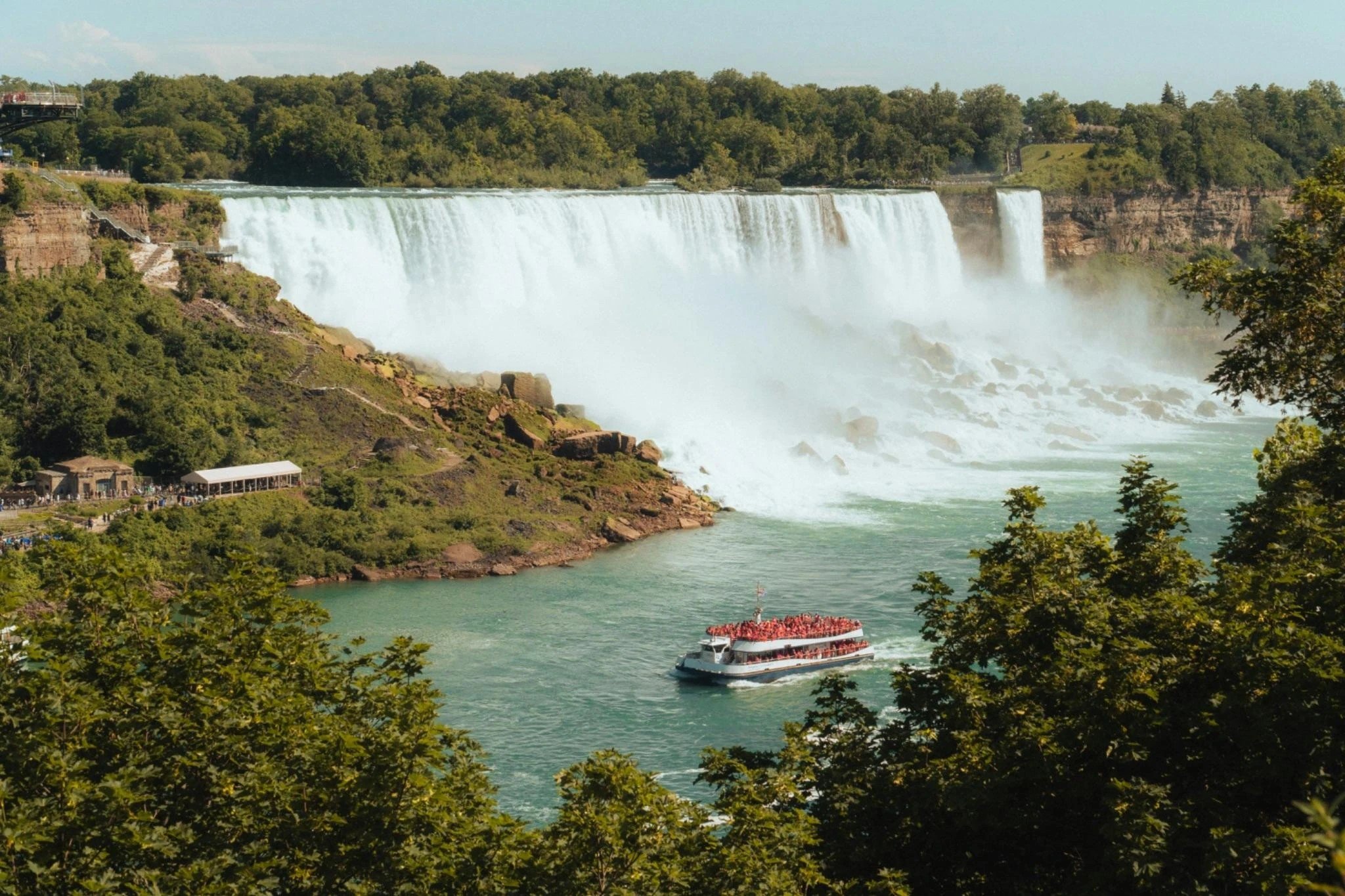
The Atlantic provinces provide a wonderful starting point for a journey across Canada. Nova Scotia has a strong maritime identity, with fishing villages, rugged shorelines and historic towns such as Lunenburg. Halifax makes a convenient base for exploring the region, while the Cabot Trail on Cape Breton Island is one of the country’s most rewarding scenic drives. Further north, Prince Edward Island is known for its red-sand beaches, rolling farmland and small coastal communities. Quebec introduces a different atmosphere. Old Quebec’s fortified streets and European-influenced architecture feel quite distinct from the modern skyline of Toronto or Vancouver. Montreal is another worthwhile stop, particularly for its food markets, independent cafés and lively neighbourhoods. Travellers with more time can explore the Laurentians or follow the St Lawrence River towards smaller towns and rural landscapes. Ontario brings together major urban centres and vast natural spaces. Toronto offers galleries, restaurants and waterfront attractions, while Niagara Falls is an obvious detour for anyone visiting the province. Beyond the cities, the province becomes increasingly wild, with forests, lakes and the rugged landscapes of the Canadian Shield.
Make Time for the Canadian Rockies
Although the train journey is an attraction in itself, the Rockies deserve more than a passing glance. Jasper National Park is an excellent place to spend several days, with opportunities for hiking, wildlife watching, canoeing and scenic drives. Maligne Lake is among the area’s best-known sights, while the Icefields Parkway connects Jasper with Banff through some of the most spectacular mountain scenery in the country. Banff National Park is another essential stop for anyone planning a longer western Canada itinerary. The town of Banff has plenty of restaurants, shops and accommodation, while the surrounding mountains provide access to hiking trails, lakes and viewpoints. Lake Louise is particularly famous for its striking turquoise water, although visiting early in the day can help avoid the busiest periods. These destinations are popular for good reason, but they can become crowded during peak summer months. Booking accommodation in advance is sensible, especially if you want to stay inside the national parks. Travellers should also check seasonal road conditions and park access information before setting off on longer excursions.
Let the Journey Define the Experience
Seeing Canada from coast to coast is not simply about reaching the opposite side of the country. It is about understanding the remarkable variety of landscapes, communities and experiences found along the way. The Atlantic coastline, historic Quebec, the vast Prairies, the Rocky Mountains and the Pacific shore each reveal a different part of the national character. Give yourself enough time to enjoy the places between the major cities, and do not be afraid to slow down. A long-distance train journey, a mountain walk or an afternoon spent exploring a small town can become just as memorable as the famous attractions. By allowing the distances to shape your itinerary rather than fighting against them, you will experience Canada in a much more meaningful way.


Leave a Reply