Road trips often place drivers in unfamiliar situations that are difficult to predict before leaving home. Heavy highway traffic, sudden lane changes, distracted drivers, and crowded parking areas can quickly turn a normal travel day into a stressful experience. These situations become harder during nighttime driving or remote travel, where help may not arrive quickly.
Many travelers also leave their vehicles parked for long periods at hotels, campsites, hiking areas, or tourist attractions. Minor parking damage, hit-and-run incidents, or suspicious activity around the vehicle may happen while drivers are away. In many cases, travelers only realize later that they have no proof of what happened.
For that reason, many travelers now include recording systems as part of their regular road trip setup before leaving home. A dash cam allows drivers to keep video records of traffic conditions, parking activity, and unexpected situations that may happen during the trip.
Road Trip Situations That Often Catch Drivers Off Guard
Long-distance travel usually involves driving through places drivers have never visited before. Unfamiliar roads create additional pressure, especially during busy travel seasons.
Heavy Highway Traffic During Long Drives
Interstate highways often become crowded during holidays, summer travel, and weekend trips. Drivers may deal with aggressive lane changes, sudden braking, or speeding vehicles during long travel hours.
A recording system helps document road activity if an accident or traffic dispute happens during the trip.
Night Driving on Unfamiliar Roads
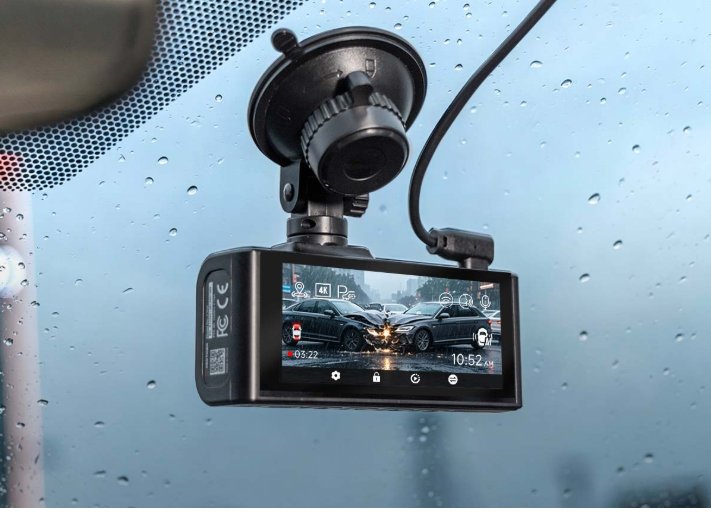
Many travelers continue driving after sunset to reach hotels, campsites, or the next destination. Dark roads, reduced visibility, and wildlife crossings increase driving risks during nighttime travel.
Clear video recording becomes more useful during these situations because drivers may later need to review what happened on poorly lit roads.
Parking Problems at Hotels and Tourist Stops
Vehicles parked in crowded travel areas may face dents, scratches, or minor collision damage. Travelers visiting national parks, beaches, downtown areas, or large events often leave vehicles unattended for hours.
Parking recording features help drivers monitor activity around the vehicle while away.
Remote Routes With Limited Witnesses
Mountain roads, desert highways, and rural travel routes may have very little traffic. If an accident happens in isolated areas, drivers may have difficulty proving what occurred.
Video footage provides another layer of documentation during remote travel situations.
How Dash Cams Help During Long-Distance Travel
Many travelers now view dashboard cameras as practical road trip equipment rather than optional electronics. These systems help drivers record important moments during travel while also supporting vehicle security.
1. Recording Road Activity During Highway Driving
Dashboard cameras continuously record activity in front of the vehicle while driving. Some systems also include rear cameras for additional traffic coverage.
This recording becomes useful during:
- Traffic accidents
- Unsafe lane changes
- Sudden braking incidents
- Road debris situations
- Insurance disputes
Drivers who spend many hours on highways often prefer having recorded footage available if problems happen during the trip.
2. Keeping Video Evidence After Minor Accidents
Small travel accidents sometimes become difficult to explain later. Drivers may disagree about lane position, traffic signals, or vehicle movement.
A dash cam helps drivers keep a visual record of the situation instead of depending only on memory or witness statements.
3. Monitoring Parked Vehicles During Overnight Stops
Many newer camera systems continue recording while the vehicle is parked. This helps travelers review activity around the car during hotel stays, campground visits, or overnight parking.
Parking recording becomes useful for travelers carrying luggage, camping equipment, bikes, or outdoor gear inside the vehicle.
4. Capturing Unexpected Road Incidents
Road trips often include situations that drivers do not expect before leaving home. Wildlife crossings, falling debris, severe weather, or reckless drivers may appear suddenly during travel.
Recorded footage helps drivers review events later if needed.
What Travelers Usually Look for Before Buying a Dash Camera
Not every recording system works well for travel. Many drivers compare features carefully before buying equipment for long-distance driving.
Clear Video Quality for Day and Night Driving
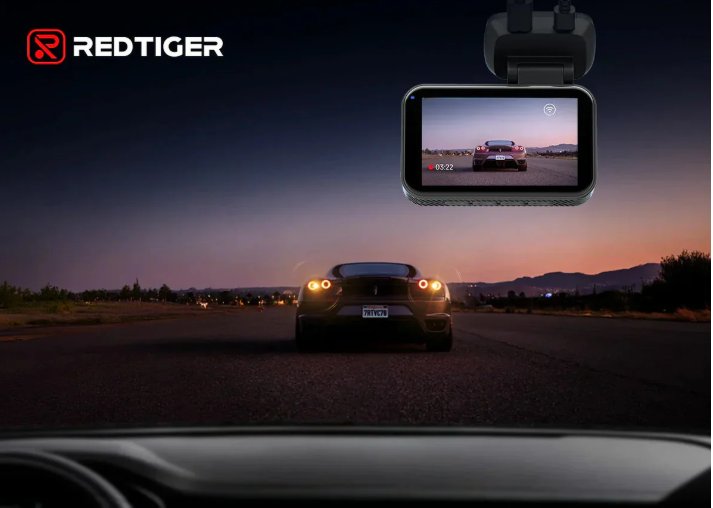
Video clarity matters during fast highway travel or nighttime driving. Drivers often want footage that clearly captures vehicles, road signs, and license plates.
Travelers searching for the best dash cam 2026 models usually focus on reliable recording quality instead of unnecessary extra features.
Wide-Angle Coverage for Busy Roads
Wider camera coverage helps record multiple traffic lanes during crowded driving situations. This becomes useful during city traffic, highway merging, and parking lot movement.
Compact Design for Windshield Visibility
Large devices attached to the windshield may block the driver’s view during travel. Many road trip travelers prefer compact systems that are less noticeable while driving.
Reliable Video Storage During Long Trips
Long-distance travel creates many hours of recorded footage. Loop recording systems automatically replace older files when storage becomes full.
This allows travelers to continue recording without manually deleting files during the trip.
Parking Surveillance Features
Parking support is important for drivers leaving vehicles unattended during sightseeing or overnight stops. Motion detection and impact recording help monitor activity near the vehicle.
Front and Rear Camera Systems for Road Travel
Many travelers now prefer front and rear camera systems instead of front-only recording setups.
When Rear Recording Becomes Useful
Rear cameras help record traffic approaching from behind during highway travel. This becomes important during rear-end collisions, tailgating situations, or parking incidents.
Travelers driving through busy cities or crowded tourist areas often prefer extra rear coverage.
Drivers Who Benefit Most From Rear Camera Coverage
Rear recording systems are commonly used by:
- SUV owners
- RV travelers
- Family road trip drivers
- Camper van owners
- Drivers carrying cargo trailers
Larger vehicles usually have bigger blind spots, making additional recording angles more useful during travel.
Common Situations Rear Cameras Help Record
Drivers searching for the best dash cam with rear camera support often want protection during situations such as:
- Parking lot collisions
- Rear-end accidents
- Highway traffic disputes
- Tight parking conditions
- Trailer movement monitoring
For many travelers, front and rear recording provides better overall road coverage during long trips.
Travel Styles Where Dashboard Cameras Become More Useful
Some travel situations place drivers on the road for extended periods, increasing the need for recording support.
1. RV and Camper Travel
RV drivers spend long hours driving through highways, campsites, and rural travel routes. Large vehicles require extra attention during turning, parking, and lane changes.
Dashboard cameras help RV drivers monitor surrounding traffic during long-distance travel.
2. Cross-Country Highway Trips
Cross-country driving often involves several days of continuous travel through changing weather and road conditions.
Travelers may pass through unfamiliar cities, construction zones, and heavy interstate traffic during the trip.
3. Mountain and National Park Routes
Mountain roads often include sharp curves, steep grades, and limited road lighting. National park routes may also have wildlife crossings and narrow travel lanes.
Recorded footage becomes useful during these difficult driving conditions.
4. Solo Travel and Overnight Stops
Solo travelers sometimes drive through isolated areas without nearby assistance. Parking recording and continuous road footage provide added reassurance during remote travel.

Features Drivers Often Compare Before Buying
Many travelers compare recording systems based on long-term travel use instead of short city driving.
- Night Recording Performance: Good nighttime visibility helps drivers capture clearer footage during dark highway travel or rural roads.
- Heat Resistance During Summer Travel: Vehicles parked under direct sunlight may become extremely hot. Many drivers prefer cameras built for high-temperature conditions.
- Loop Recording for Extended Drives: Loop recording allows continuous video storage without manual file management during long road trips.
- Smartphone Video Access: Wireless video transfer helps travelers quickly review or save footage during travel.
- Easy Installation for Travel Vehicles: Simple installation matters for drivers who want faster setup before major trips.
Organizing Dash Camera Equipment During Travel
Many travelers leave dashboard cameras installed full-time instead of removing them after each trip.
Drivers often check:
- Lens cleanliness
- Camera angle
- Memory card space
- Recording quality
- Power connections
Dust, fingerprints, or windshield glare may reduce video clarity during travel.
Some travelers also carry extra memory cards during longer trips to avoid losing important recordings.
Final Thoughts
Road trips often involve unpredictable traffic, long driving hours, and unfamiliar roads where small incidents can happen without warning. Having recorded footage available later can help drivers handle accident disputes, parking damage, or unexpected roadside situations more confidently.
For many travelers, a dash cam has become part of regular road trip preparation alongside maps, chargers, and emergency gear. It helps drivers keep a visual record of the trip while adding extra support during long-distance travel.




Leave a Reply